Past event

14 April 2026

Sala Teatro

20:00

15 April 2026

Sala Teatro

20:00

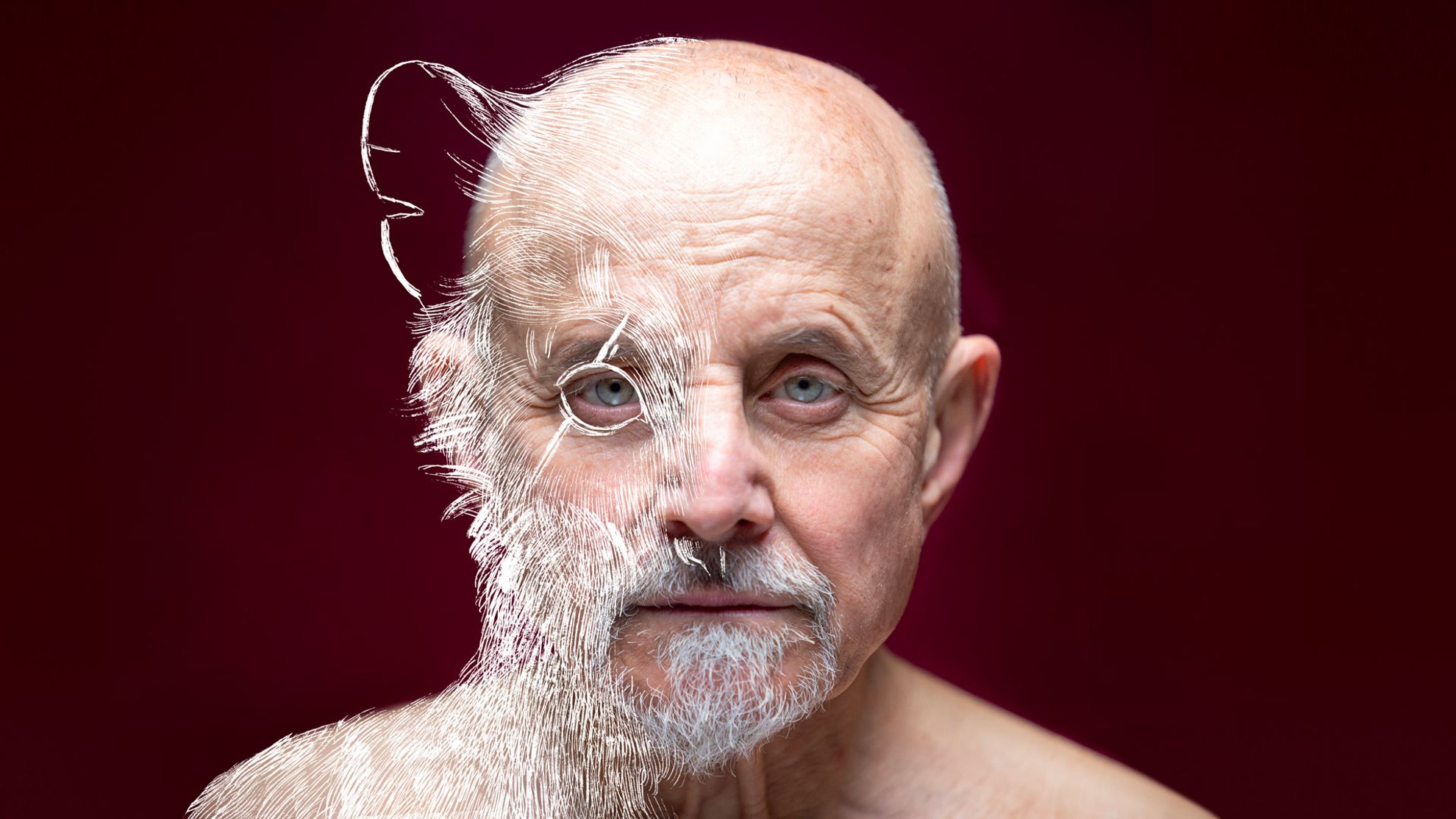
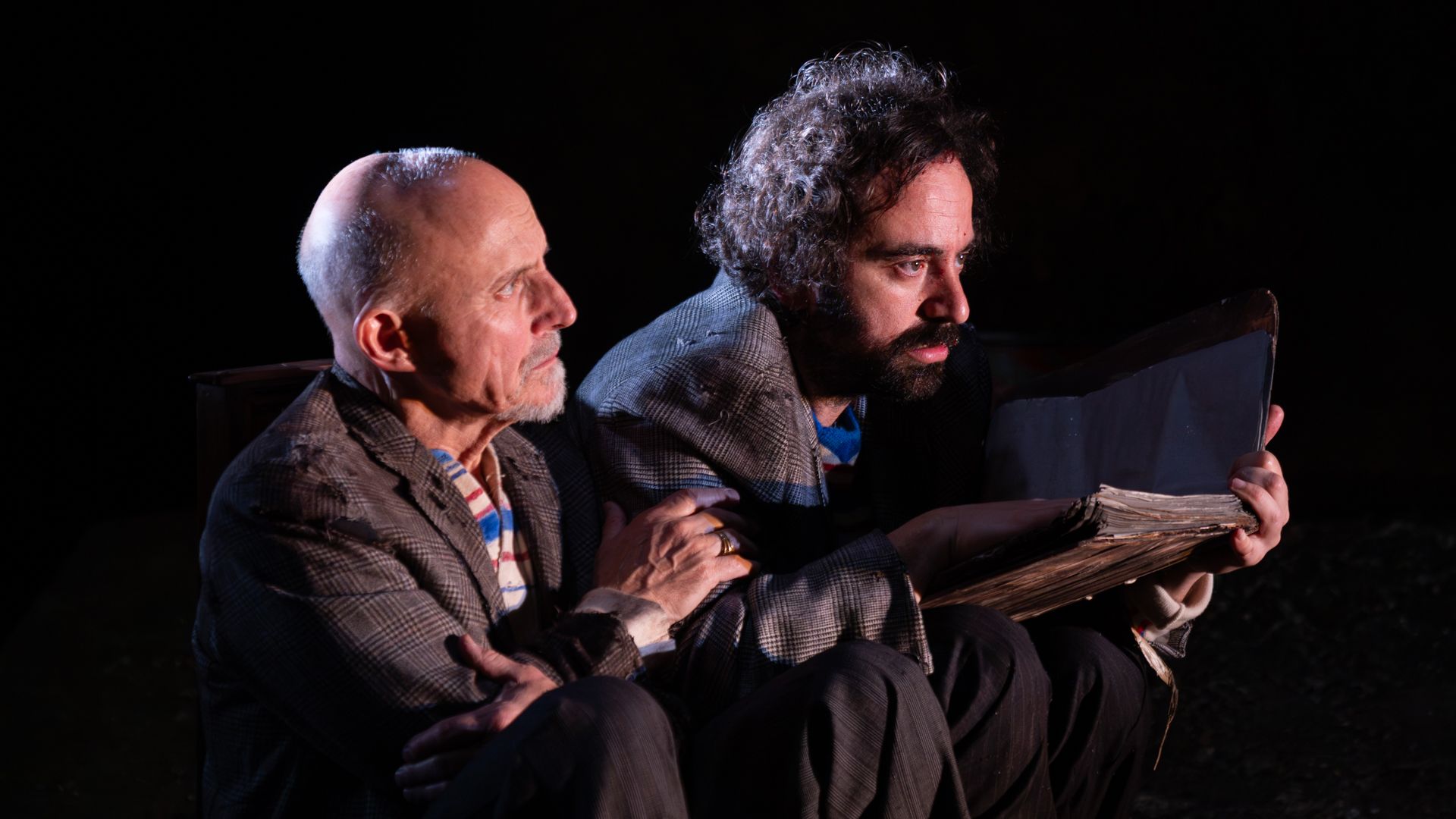
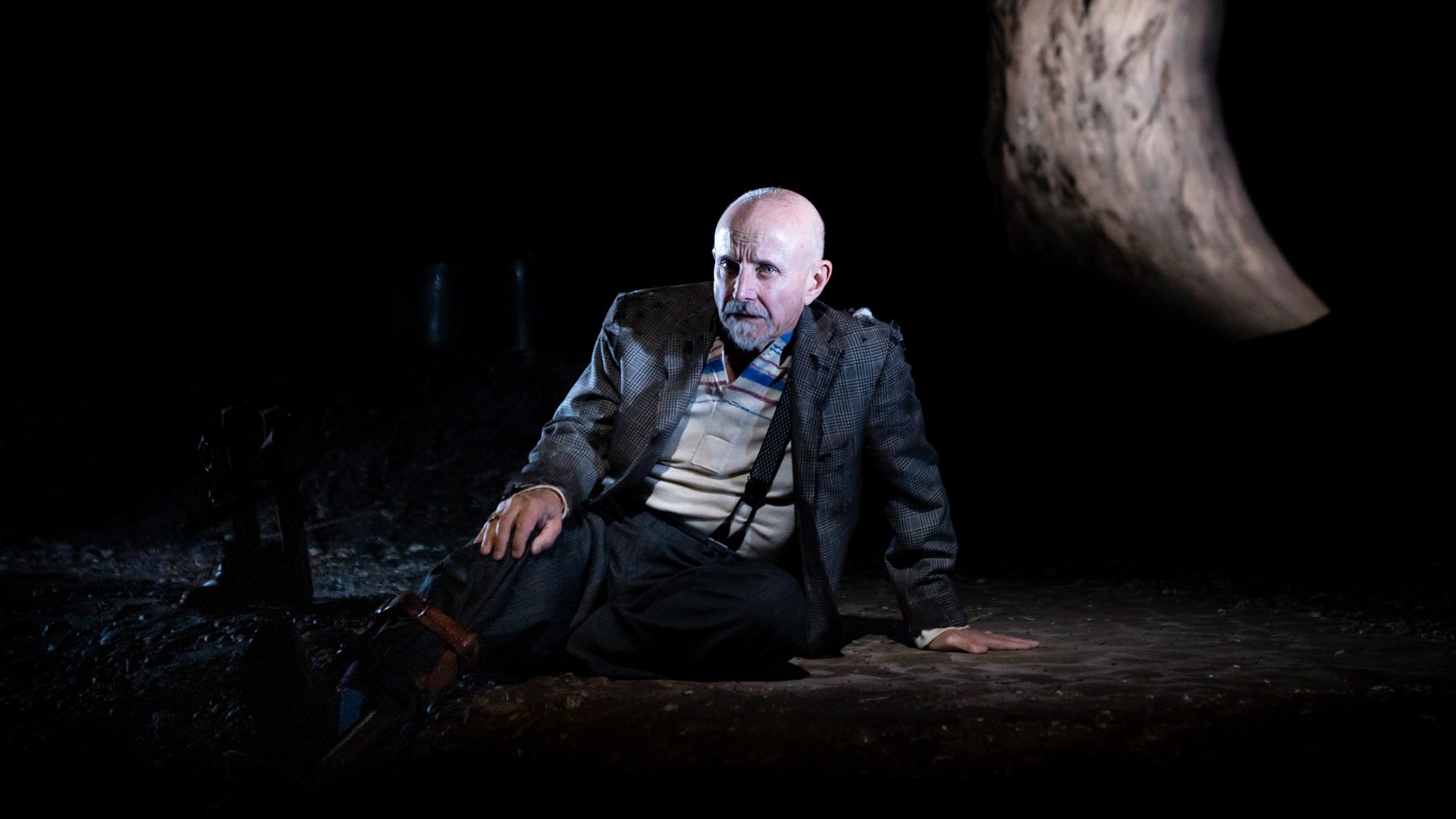
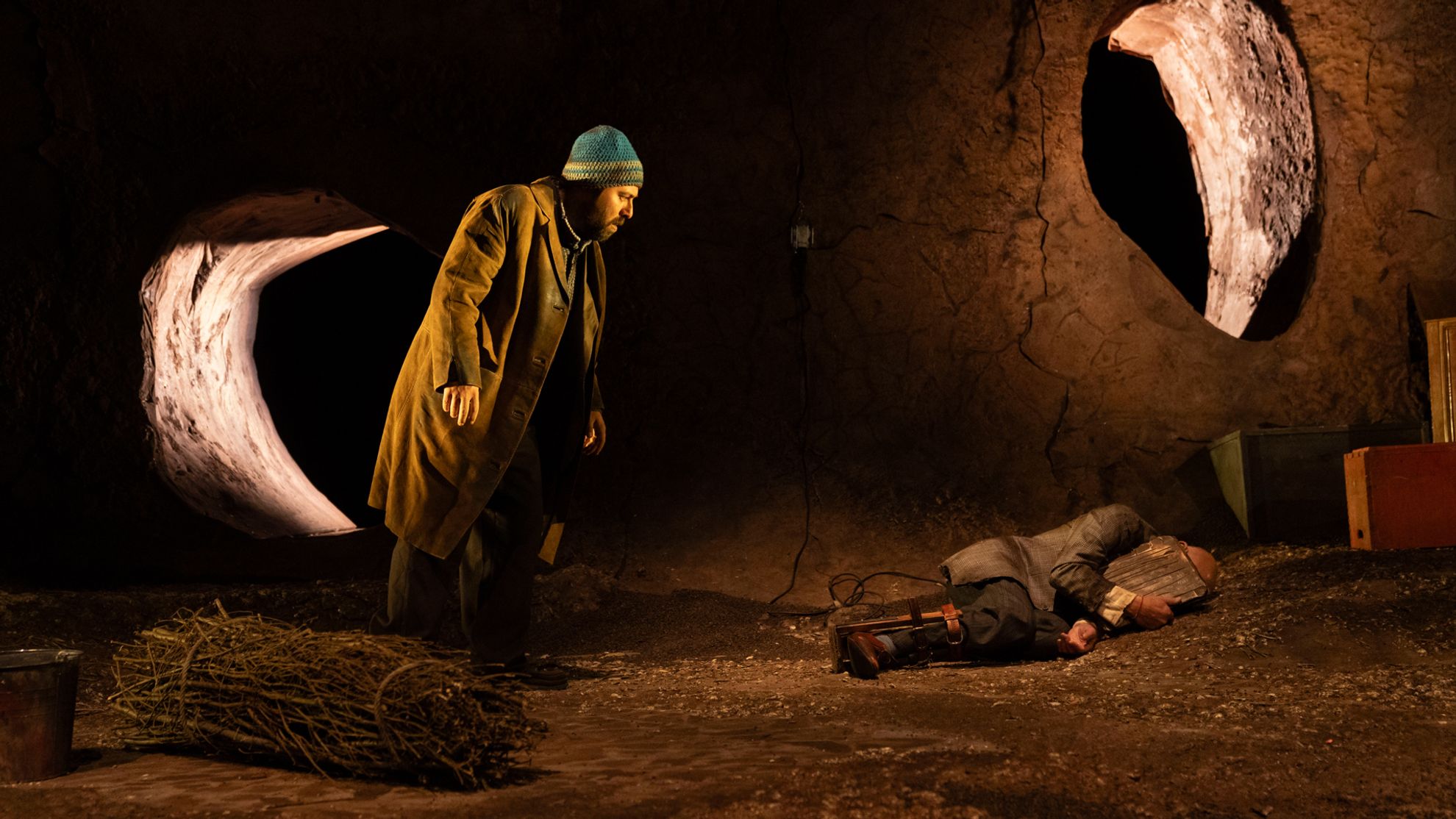
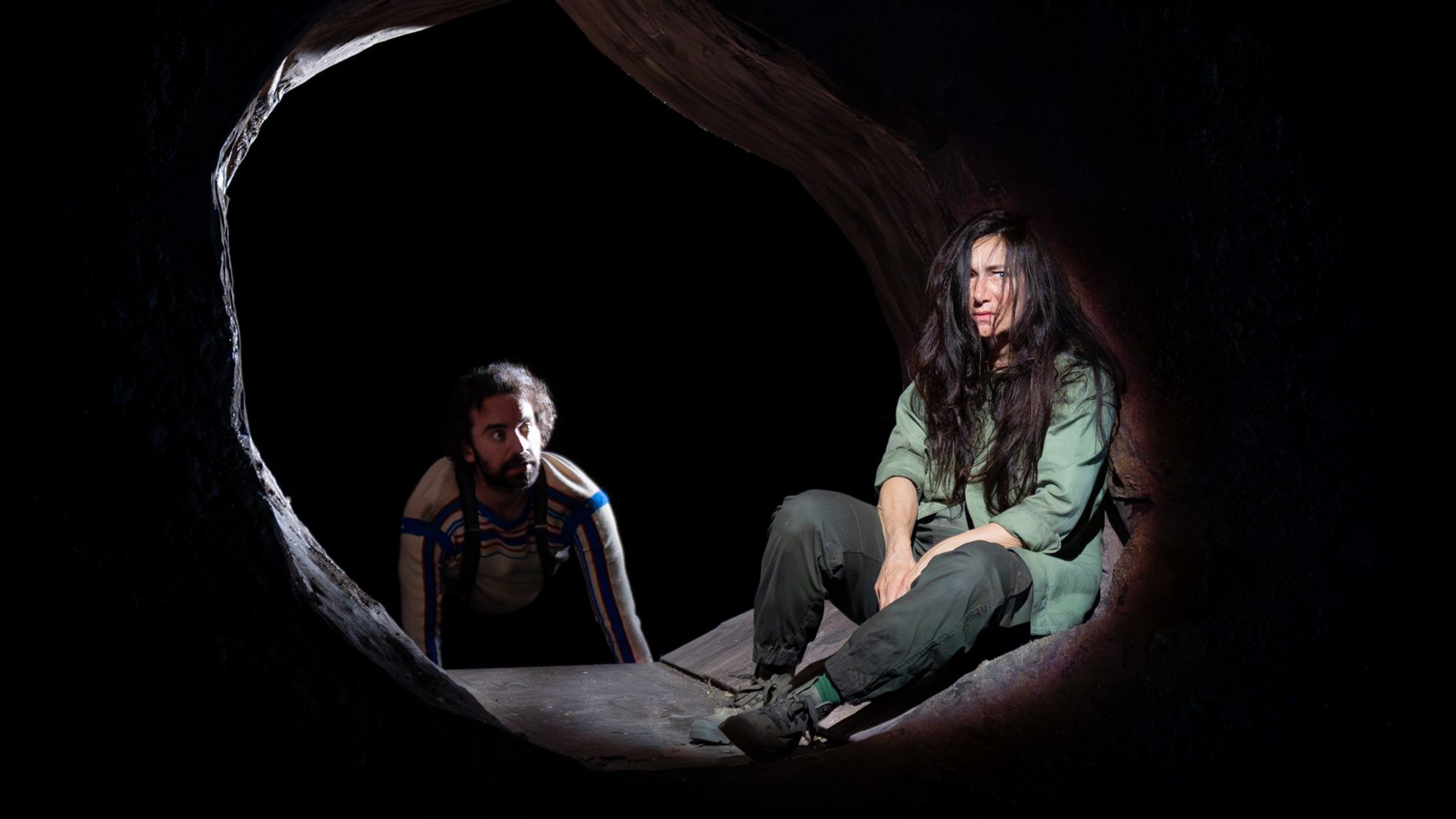
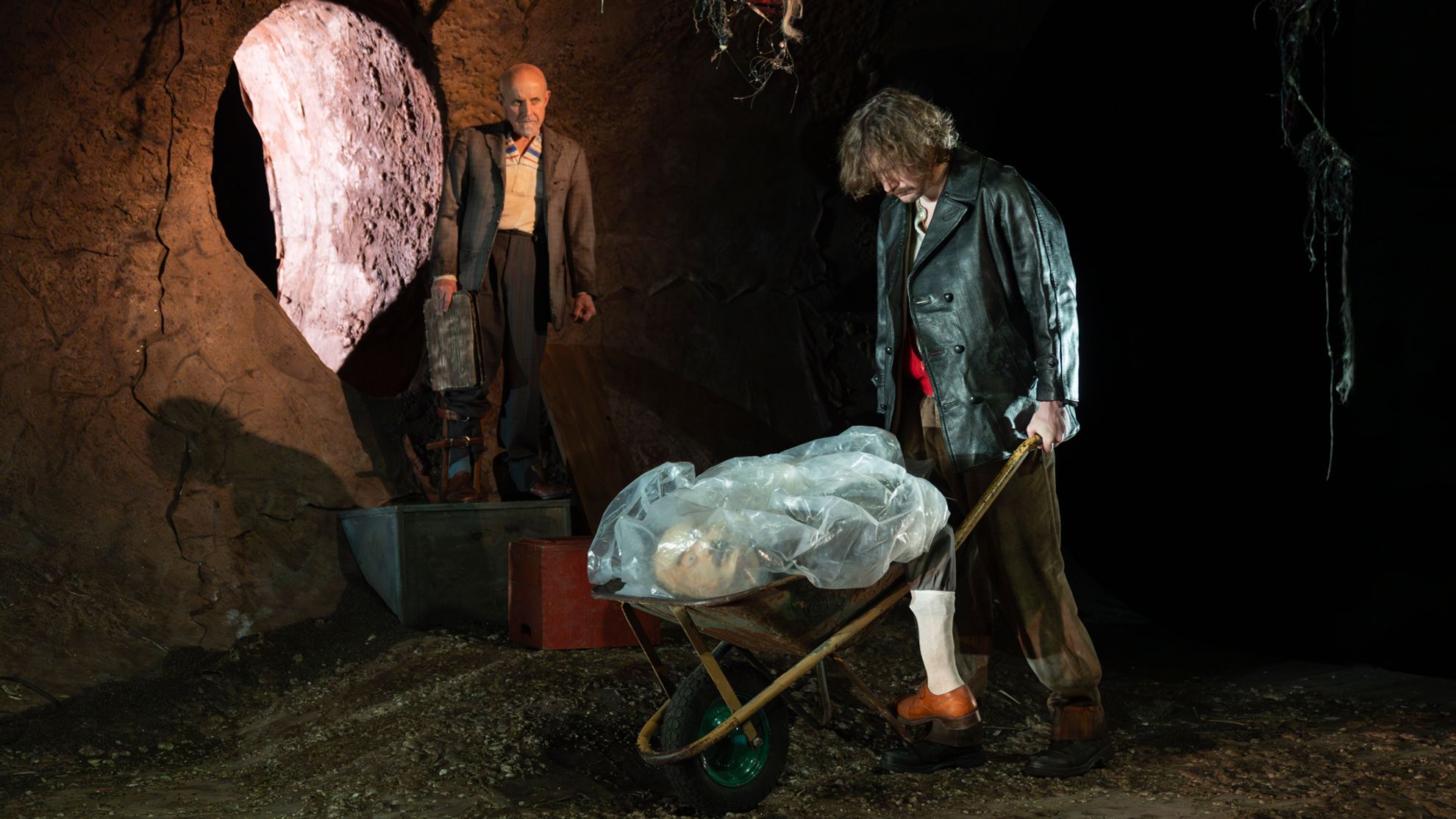
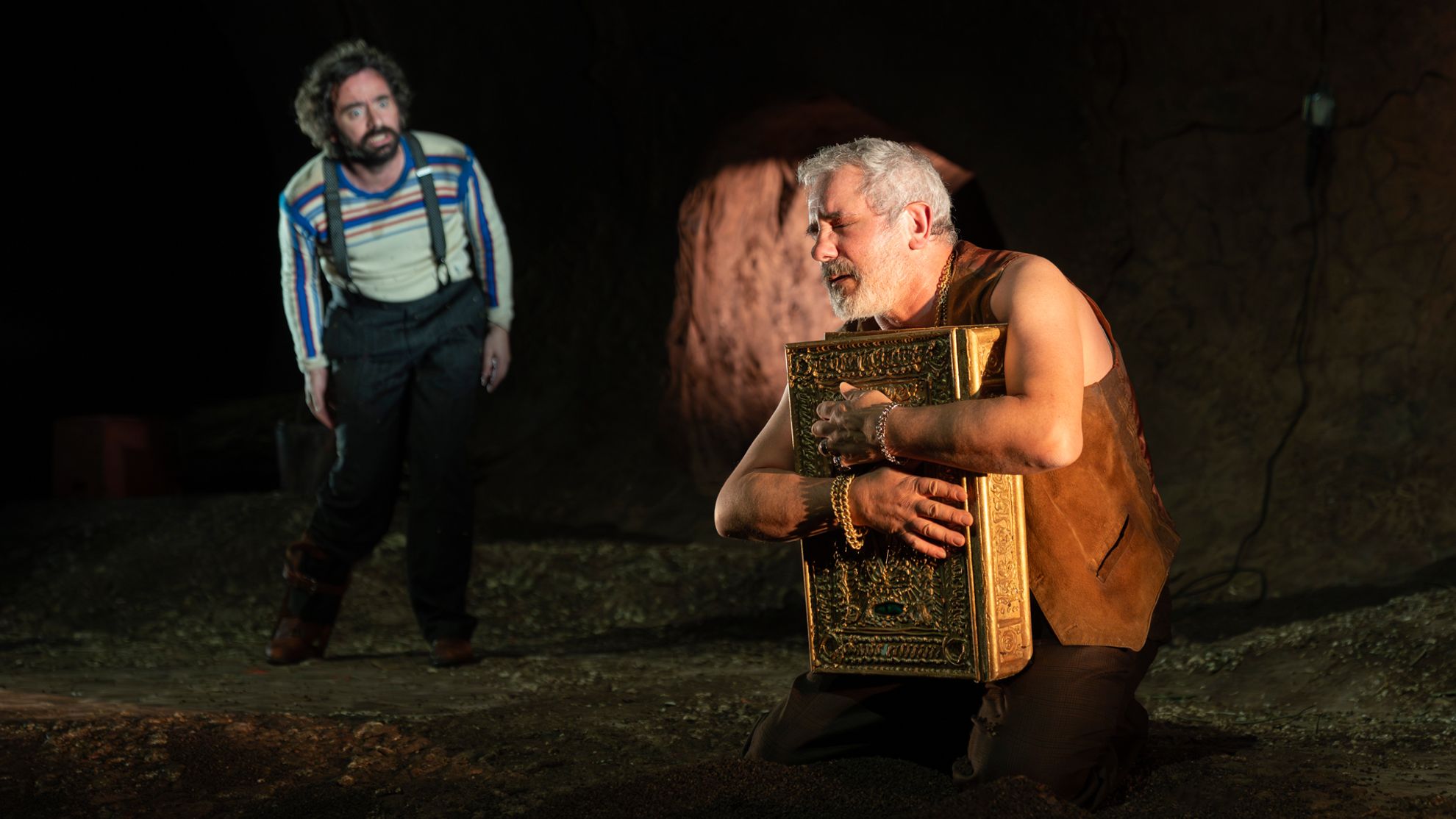
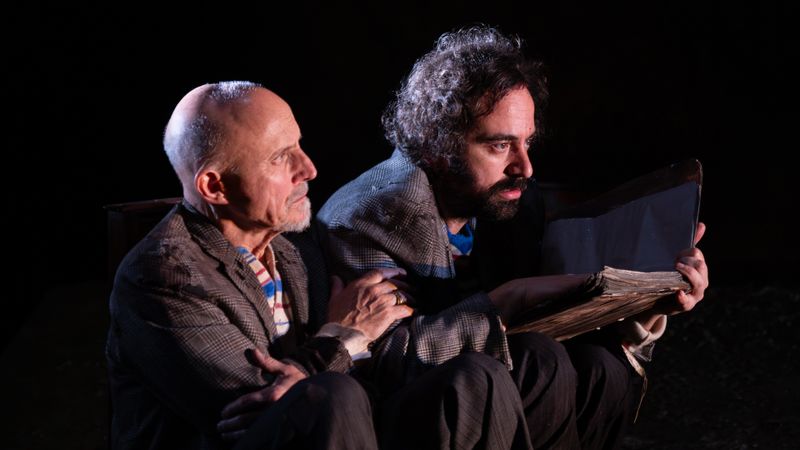
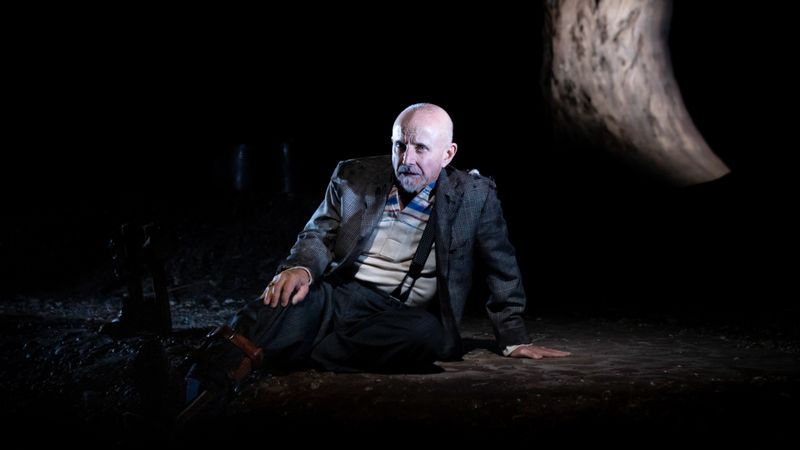
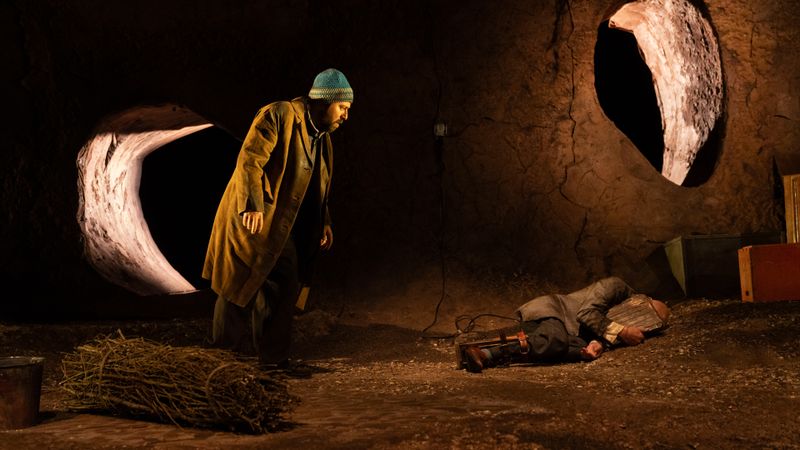
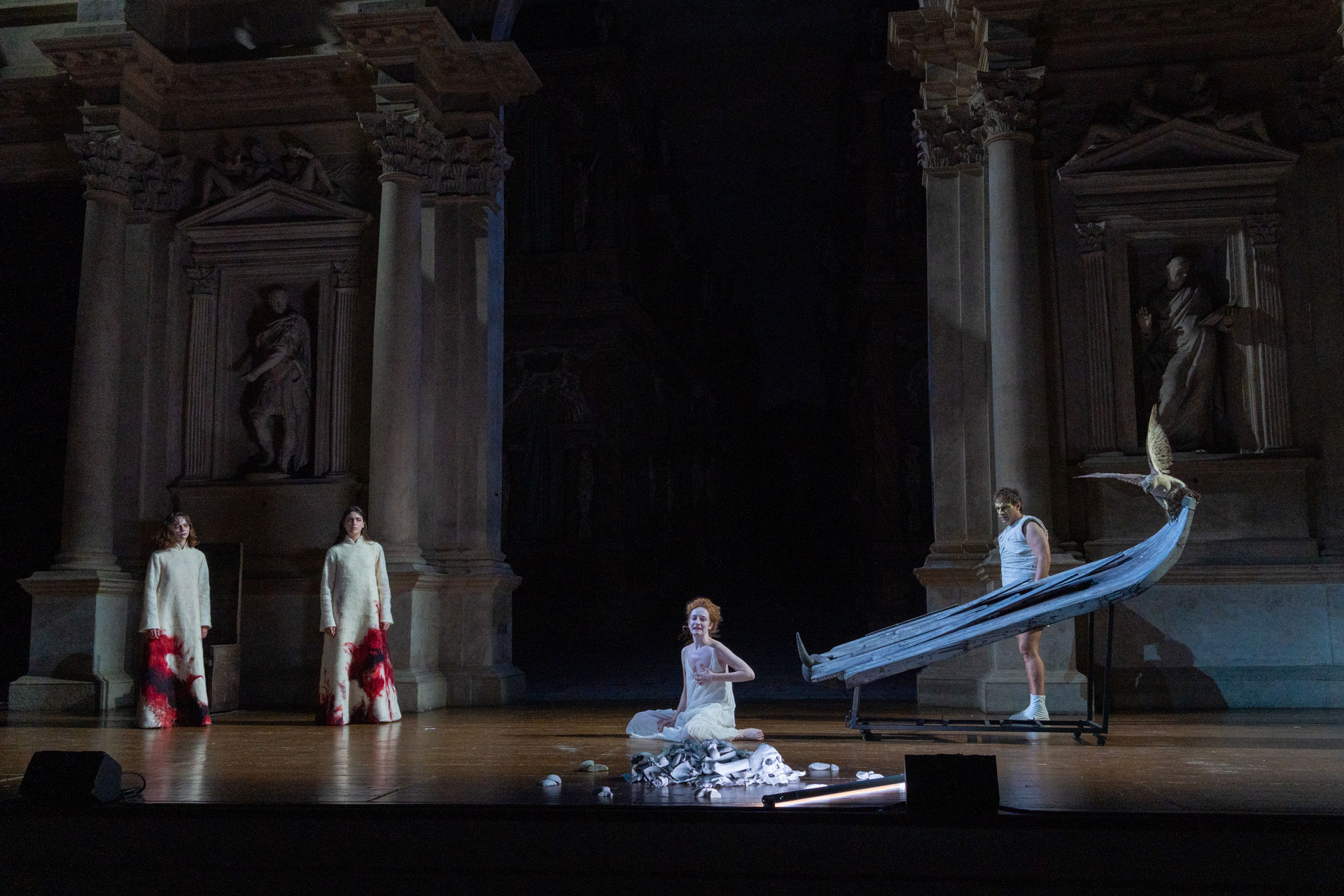
With I miei stupidi intenti, based on the novel of the same name by Bernardo Zannoni, winner of the 2022 Campiello Prize, the VicoQuartoMazzini theatre company continues its exploration of contemporary Italian literature, delving into a world populated by animals who seek God and then reject him, who dream of being human and ultimately prefer to remain beasts.

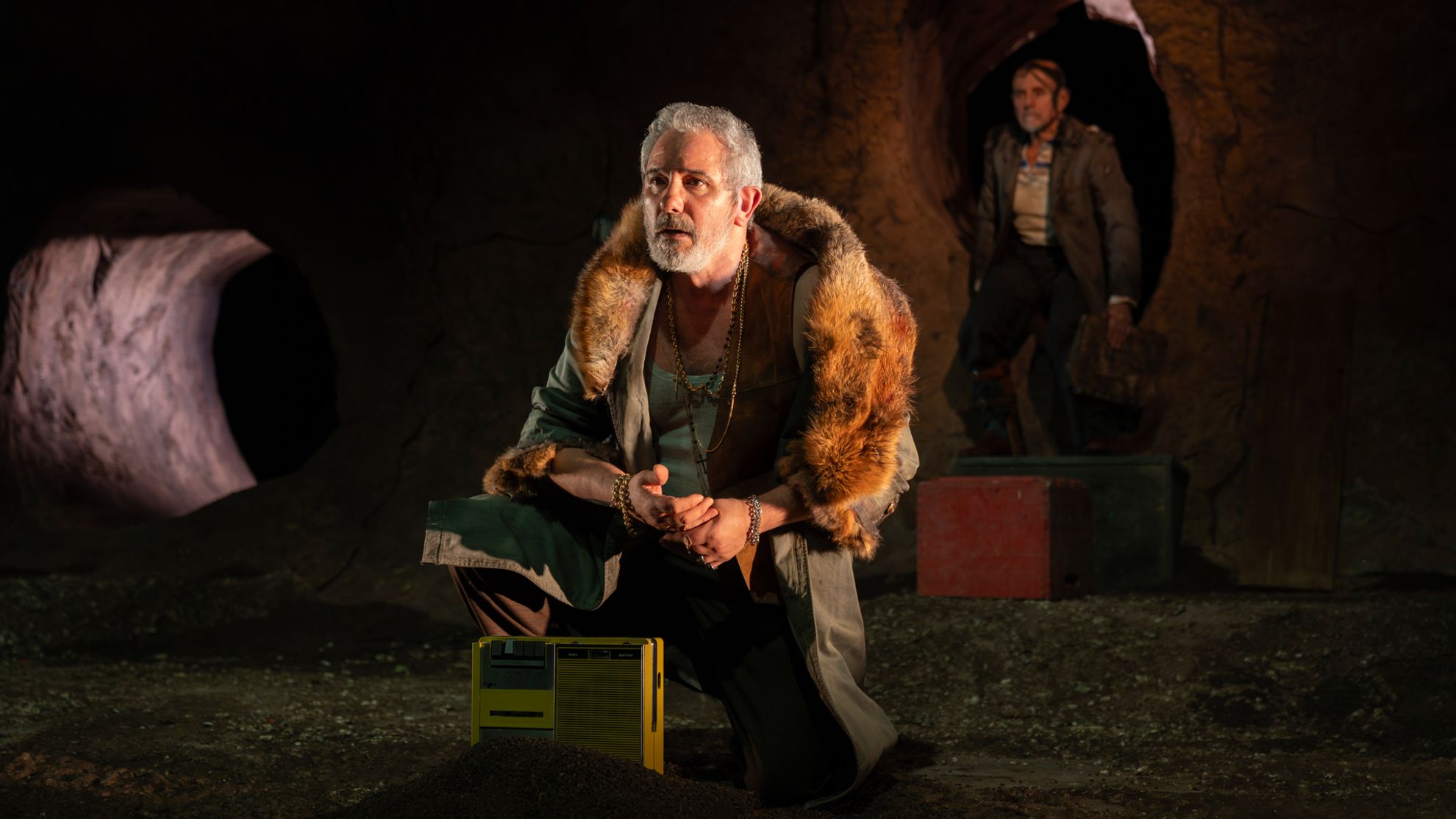
Archy is lame. For this reason, his mother, a weasel who was widowed in the middle of winter, sold him for the paltry price of one and a half chickens. He was bought by an old fox-loan shark who will teach him how to abandon his animalistic life of hardship and cruelty. Through the revelation of words and language, Archy will be overwhelmed by the great contradiction of the human world: the awareness of death coexisting with an unbridled desire for eternity.
‘In the story of Archy and in the writing of the twenty-year-old Zannoni, there is something powerful and mystical, the force of myths and hagiographies,’ writes VicoQuartoMazzini. It is the parable of an animal that tries to get closer to God, fails, and tries again; of a creature that has the foolish intention of trying to be more than it is. [...]
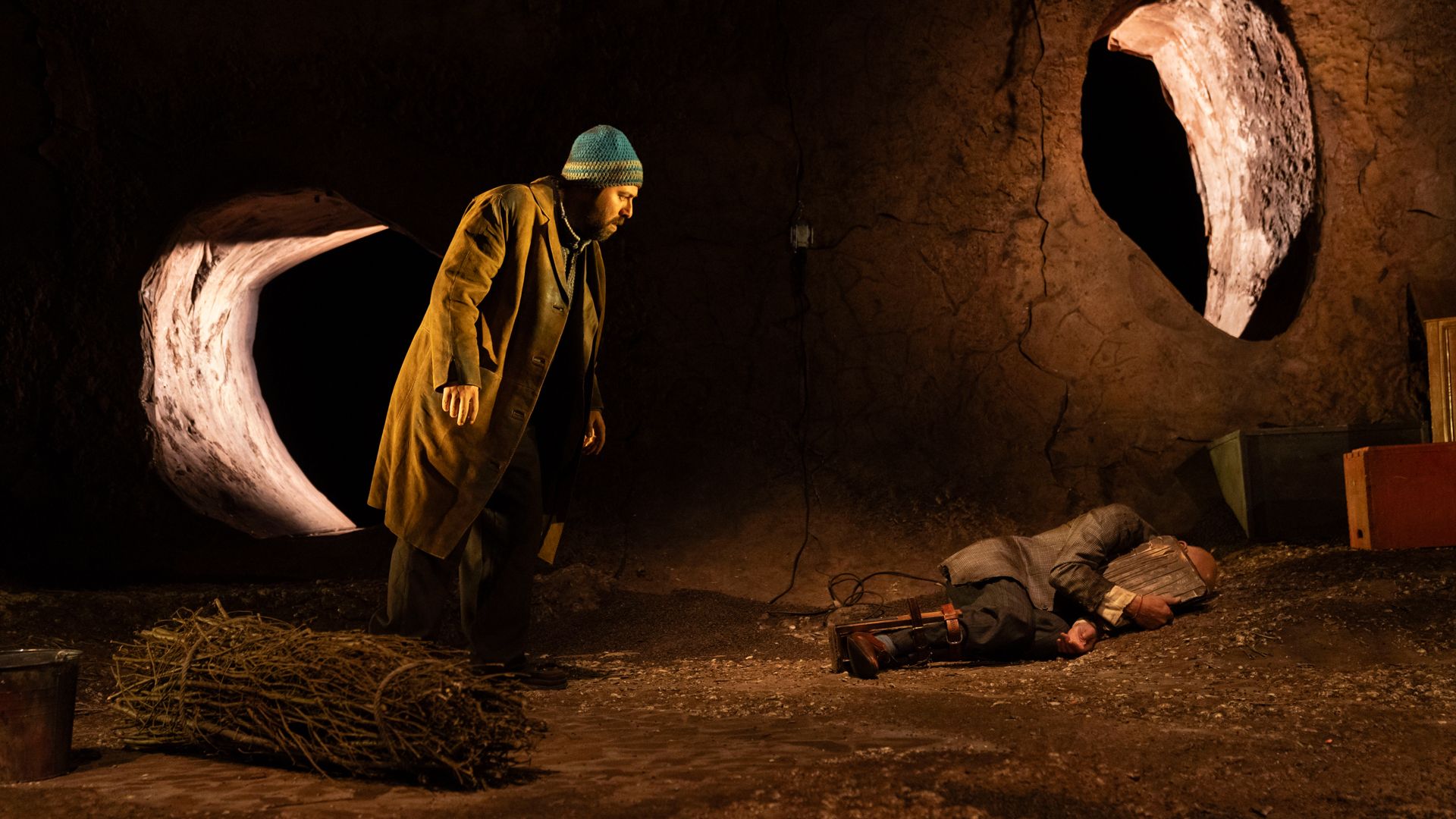
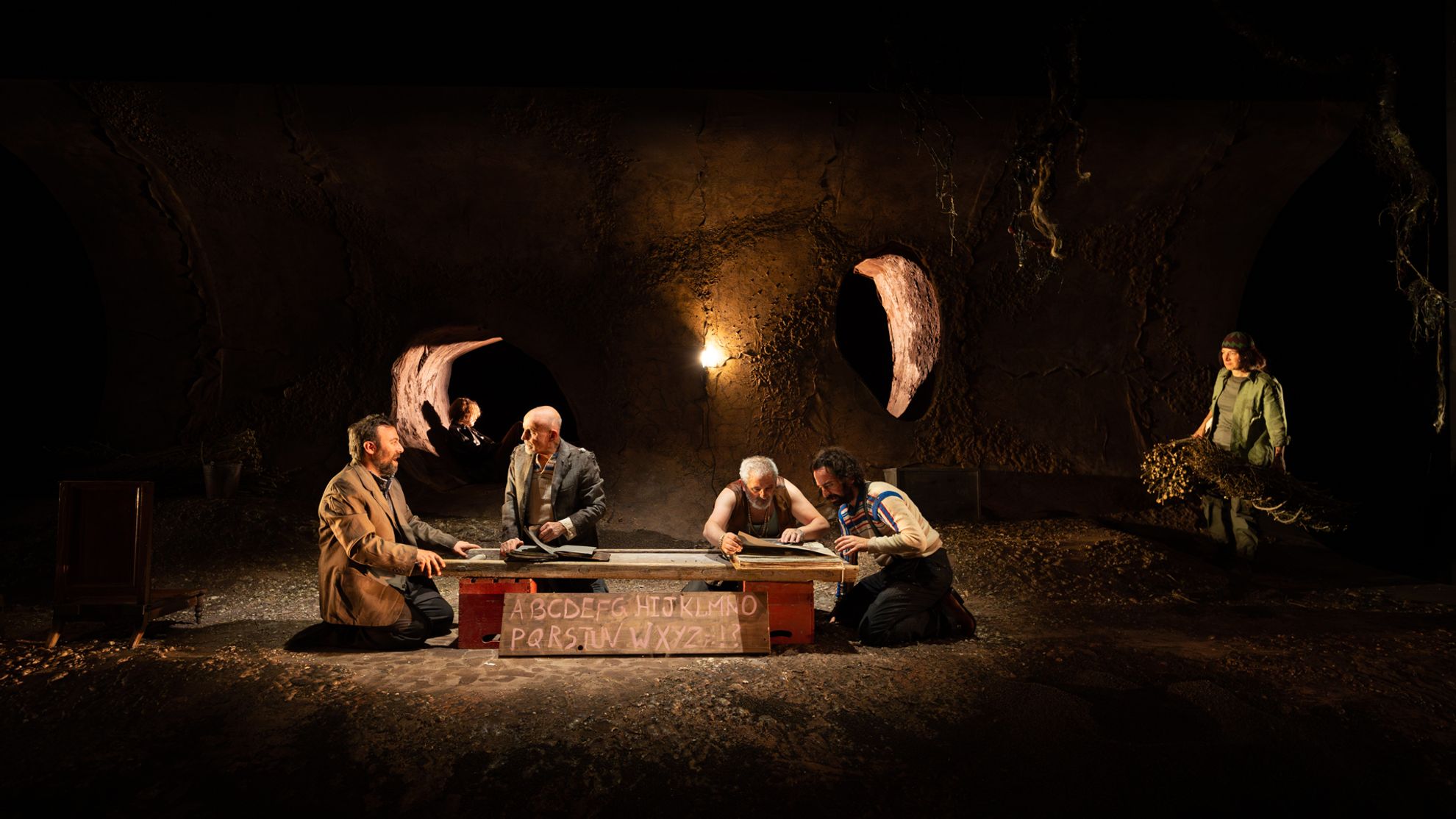
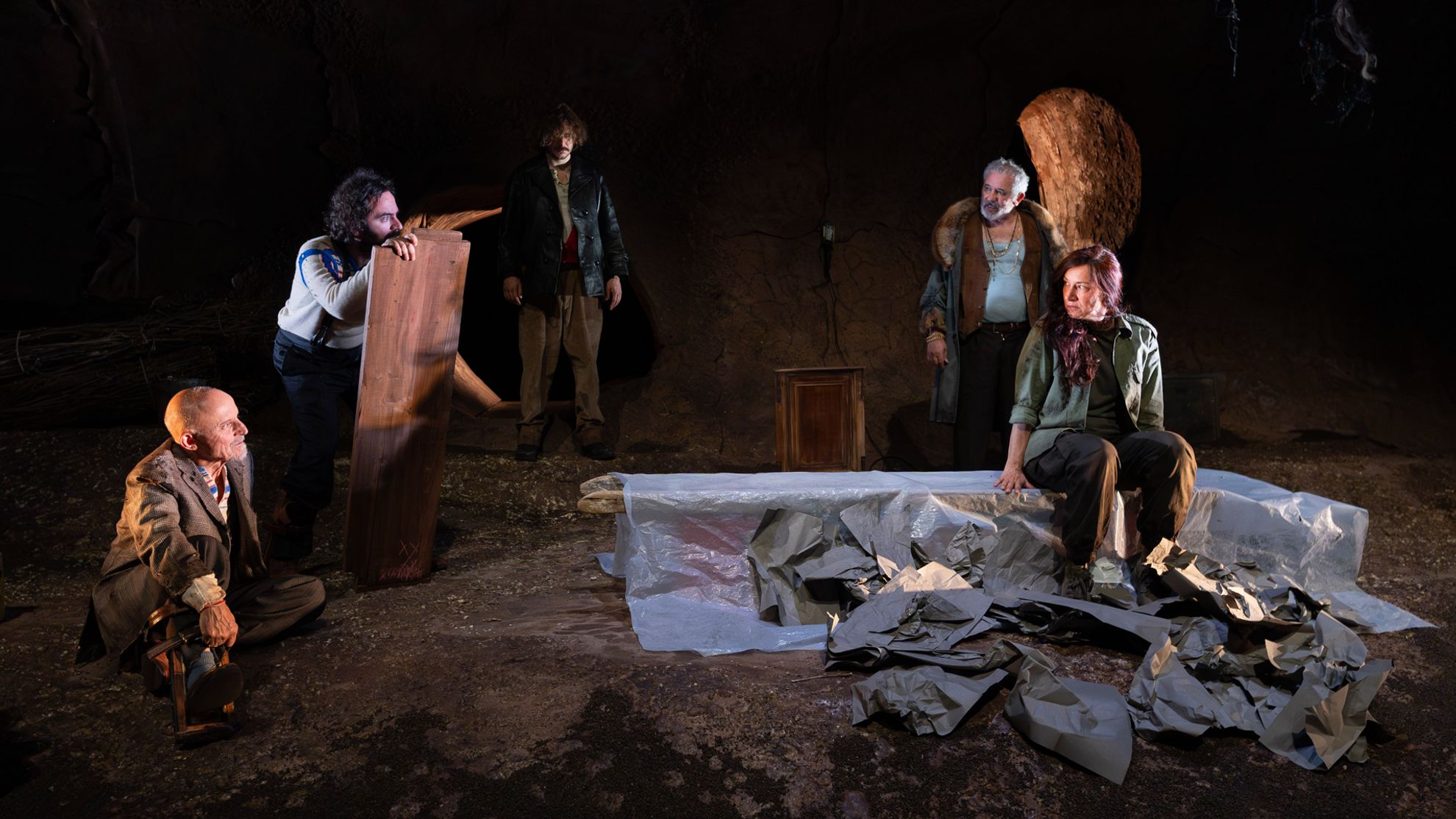
We imagined a near future in which humanity has lost (or rather, destroyed) everything and finds itself with nothing but useless technology. In this mythological and post-apocalyptic scenario, a community of survivors gathers around a story, a book, a fire, and tries to make it an instrument of eternity. The story of the weasel, the parable of its life, thus becomes a primitive and contemporary song, which we listen to, obsessed, like Archy, by the big questions we cannot answer."

dal romanzo di
Bernardo Zannoni (Sellerio editore)   

ideazione
VicoQuartoMazzini 

regia
Michele Altamura
Gabriele Paolocà

drammaturgia
Linda Dalisi
Gabriele Paolocà
Michele Altamura

con
Michele Altamura
Leonardo Capuano
Giuseppe Cederna
Jonathan Lazzini
Gabriele Paolocà
Arianna Scommegna

scene    
Daniele Spanò

luci
Giulia Pastore

costumi
Aurora Damanti    

musica originale
Demetrio Castellucci

sound design
Niccolò Menegazzo     

aiuto regia
Giulia Odetto

cura della produzione
Francesca D’Ippolito

produzione    
LAC - Lugano Arte e Cultura,    Scarti Centro di Produzione Teatrale d’Innovazione, Piccolo Teatro di Milano - Teatro d’Europa, TSU - Teatro Stabile dell’Umbria, Teatro Nazionale di Genova.

“In nature, truth is always far more beautiful than anything our poets – the only true magicians – can even imagine,” says Konrad Lorenz, one of the founding fathers of ethology, whose research fuelled the creative process that led to the adaptation of Bernardo Zannoni’s *I miei stupidi intenti*. Within the pages of Zannoni’s book, we have experienced – and loved deeply – that the truth and poetry of which Lorenz speaks live out in a ruthless and painful way in the relationship with the written word. Writing is not merely learning to find one’s way through the labyrinth of typefaces, learning to reproduce them on a medium, but training oneself to maintain a balance on a boundary. That boundary is the discovery of the world. “Life is a process that seeks knowledge. To live is to learn,” continues Lorenz. 
Adapting a novel is always a gamble; you take something born in a certain way and, inevitably, you transform it, place it in a different setting, adapt it, precisely. That creature must settle into a new nature. Faina, too, changes his nature the moment he sets foot, limping like Oedipus, in the land of Volpe. And his mother, like a violent oracle, an unwitting Tiresias, even foretold it to him: “If you break yourself, you are damned.” Knowledge makes you damned. And he changes his nature. And he finds a truth, that truth more beautiful than anything a poet could write. He finds writing. But he also finds the meaning of friendship, the importance of teaching and of memory.  
When humanity has failed, the animal returns to show us the way. This was, in a way, the driving force that, together with Michele and Gabriele, led us to an adaptation in which the world we face today finds dramatic expression. Writing, which lies at the heart of the novel, is also the great catalyst for this shift to the present, where memory is recovered, gathered from the rubble of a bombed-out land, and is transformed, transforming us. Outside, a horror looms; how do I face it? How do the characters in this story face it? 
With the strength of one who is a ‘son of no one’ and who, with dignity, seeks to build a new society. By challenging anthropocentric prejudice. With the revolutionary power of literature.

The allegorical power of I miei stupidi intenti (My Stupid Intentions), encapsulated in the animal/human dichotomy, allows us to freely recognise ourselves in its deepest symbolic meaning. The journey towards understanding a marten, narrated throughout its entire life, makes us reflect on our own, and its unresolved questions are those of our daily lives.

What are our intentions?

What do we have to respond to the demand for awareness, meaning, and purpose? Only words.

The word of God has always been a refuge to appease the desire for self-determination, as it dispenses with existential questions, entrusting any claim to awareness to the mystery of faith.

Is this, then, our intention: to seek comfort in something greater than ourselves?

What if, instead, we prefer the word of Man to that of God?

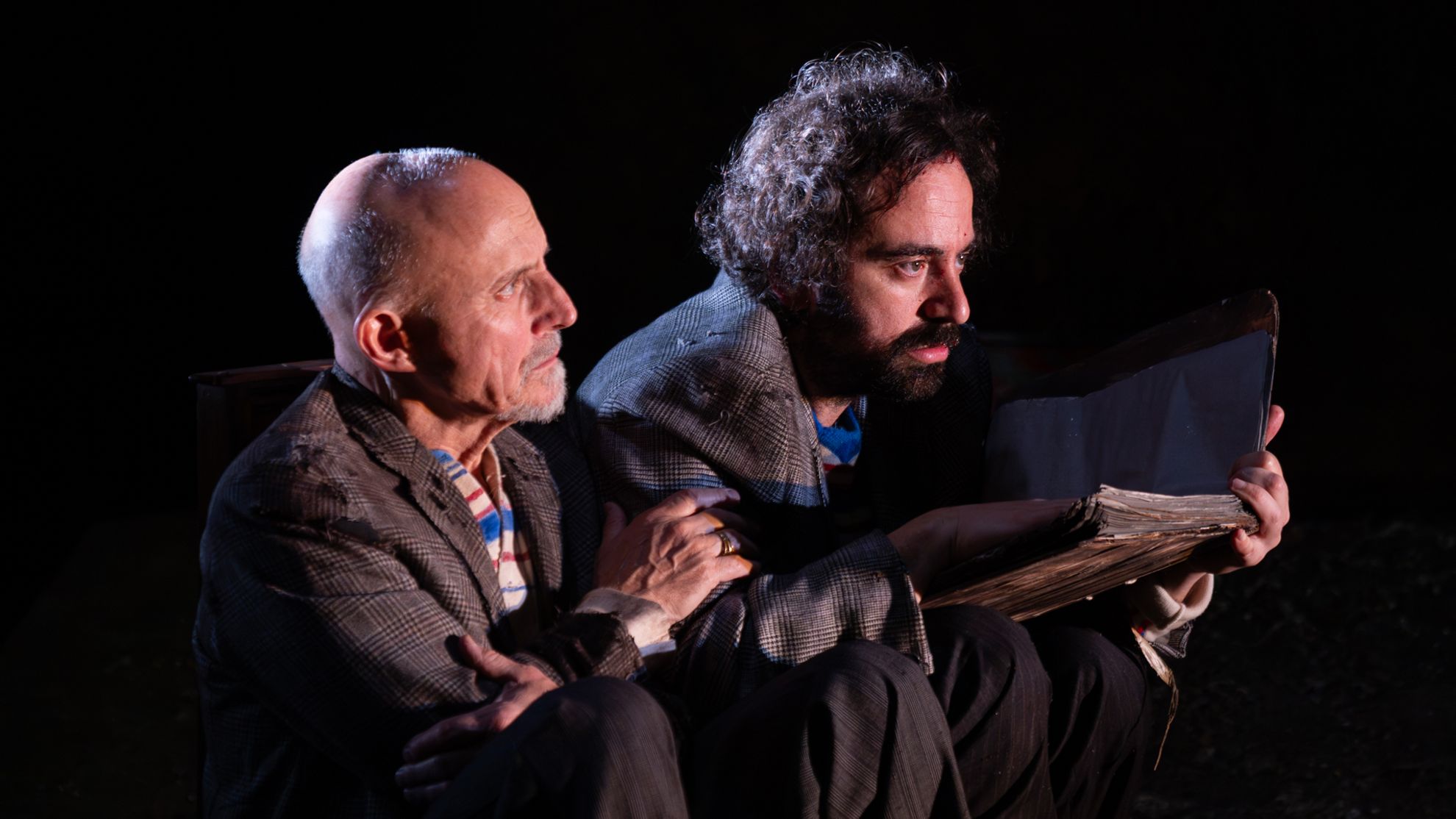
‘These are words, they belong to the paper and they remain,’ says the marten, reading the book that recounts the life of the fox. Writing allows us to stop time in our own way, allowing us to tell what we want, making us masters of our own story. Through writing, we decide what to save and what to let disappear: what form to give to the past. In this sense, we become responsible not only for what we experience, but also for what remains of us. So is this our intention: to hold on to the weight of memory?

And what, then, is our foolish intention as directors?

To tell stories on stage to evoke imaginations greater than ourselves, or to attempt to stop time through the creative act, in the hope of becoming, in turn, memory?

We feel the responsibility to bring these questions to the stage, to understand whether theatre can provide an answer or whether, instead, it is just another foolish intention.

Foto di scena

Interview with directors Michele Altamura and Gabriele Paolocà

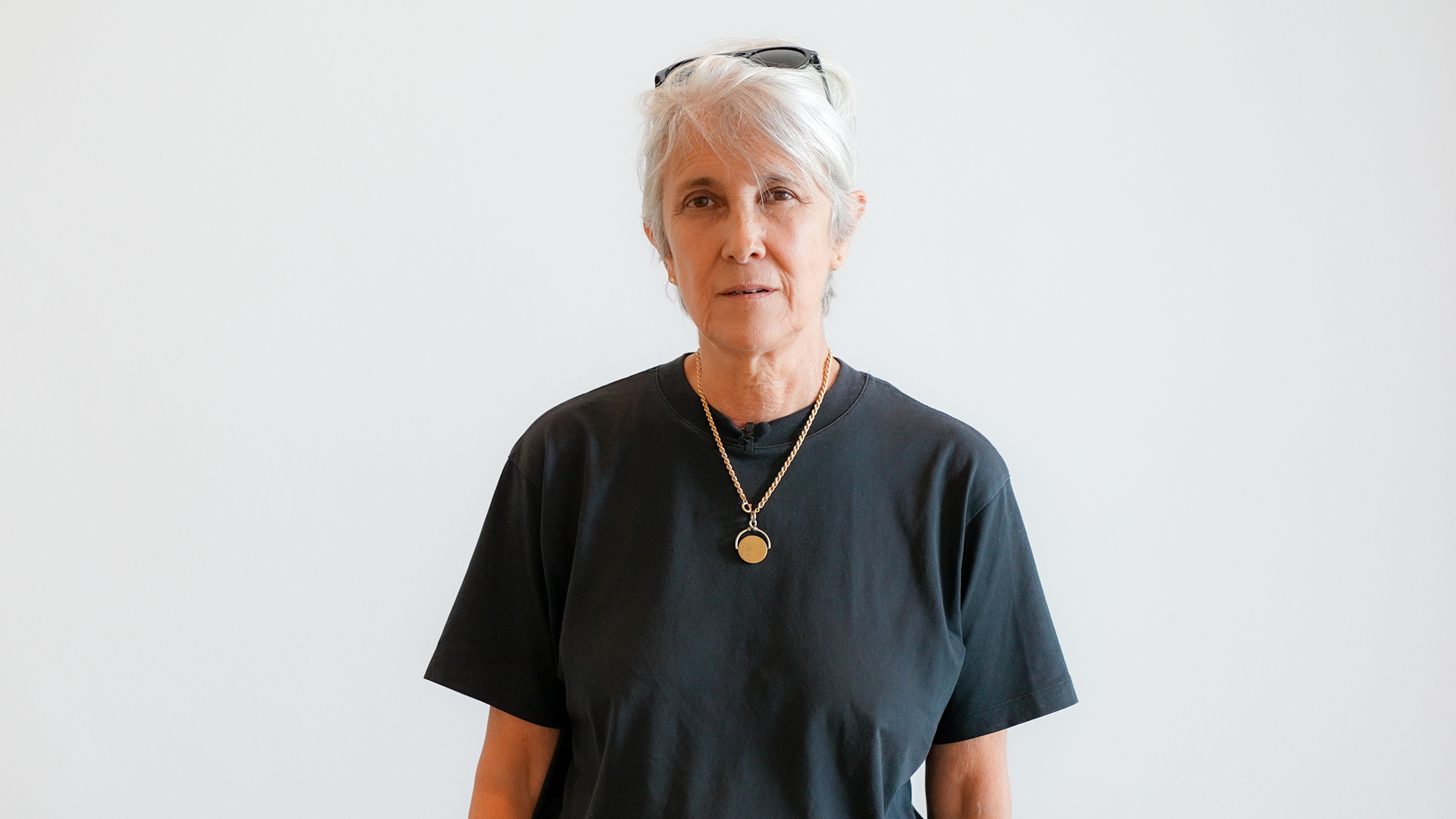
Interview with actor Giuseppe Cederna

Loading...