

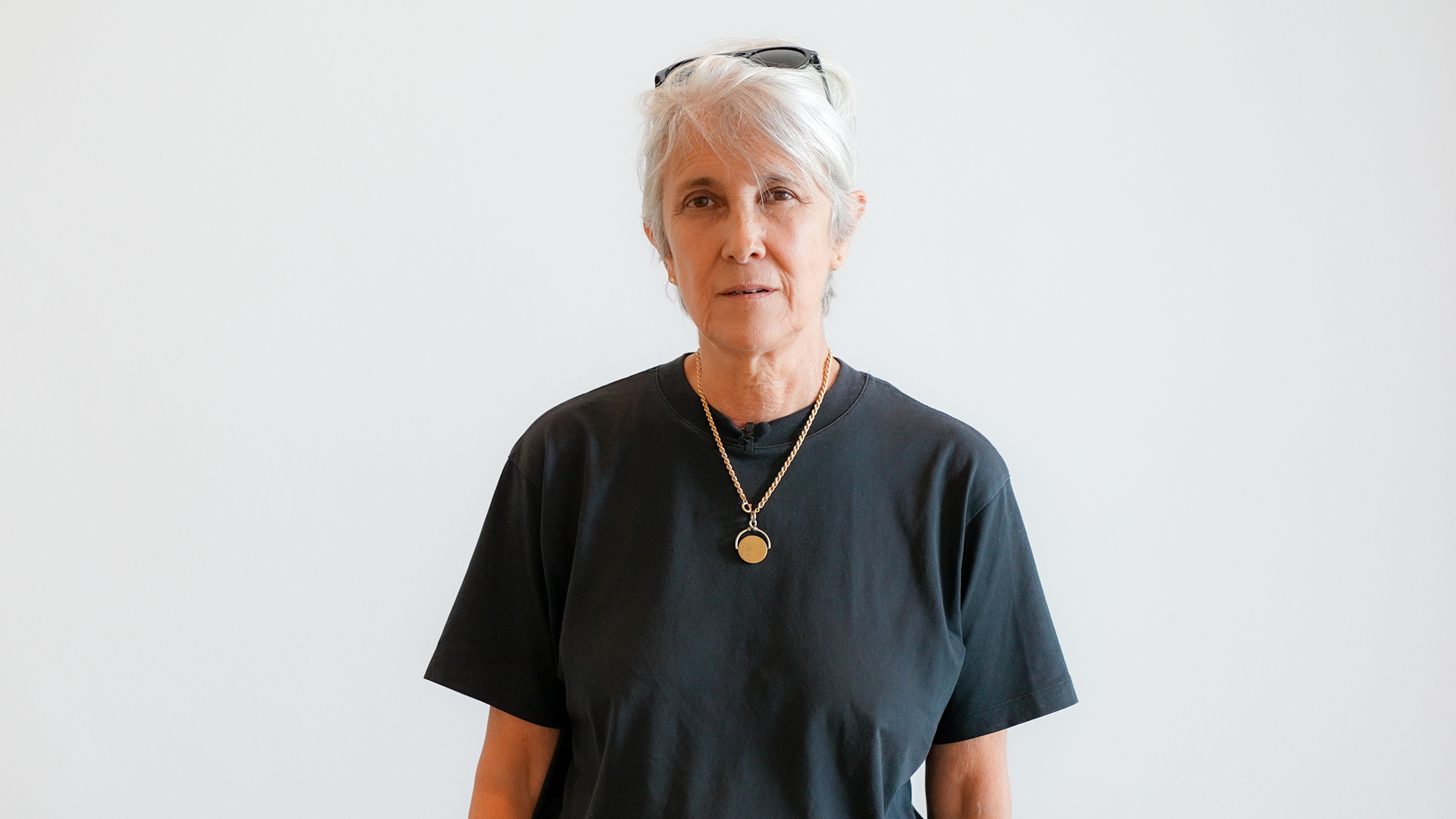
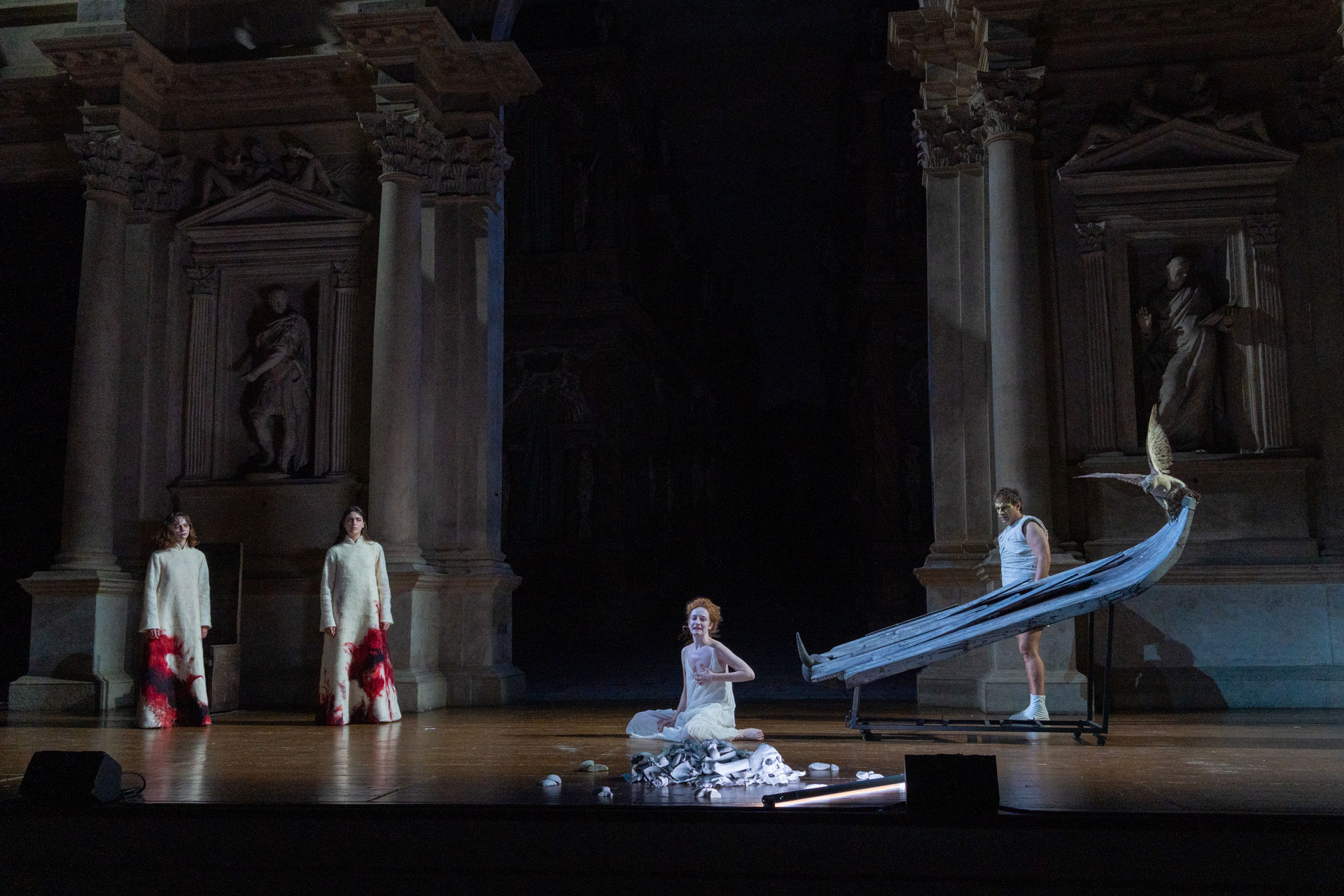



Dance in Cecilia Bengolea interpretation is the substance that enables an access to the miraculous experience of the invention. During her performances we become aware that the vulnerability of the body co-exist with the potential for unexpected meetings and dialogues.
– Chus Martínez, director of the Art Institute at the Basel Academy of Art and Design
Have you ever thought about how performance has been helping us to reflect on identity? Identity has nothing to do with realism.
Our bodies are not intended to give an unmistakable or unchangeable form to who we are. The body in movement, the deep exploration of the energies that allow the body to stay in the dance, is an affirmation of its non-objectness. Moving we discover that the power lies not in any realistic depiction or identification. The power lies in how the energy reveals the miraculous being. Miraclous is used here not to convey a sense of the religious, but of the unexpected. The miraculous names the discovery of the joyful bond between species, among the millions of possibilities of inventing a body, a way of being in the world, a fruitful relation with diversity.
“My practice of street dancehall in Jamaica has led me to believe in it as a spiritual culture. Although Dancehall is profane – explicit sex and violence being integral to the song lyrics - as members of a community, we acknowledge together a sense of unity and of spiritual elevation. Dancehall creates texts and movements drawn from everyday life, from the observation of nature, animal behavior, sex relations and gang semiotics. Without beginning or end its choreography and steps form a succession of eternities granting it place within the calendar of spiritual time.
Movement of this kind liquefies the body into sweat and newly undulating forms.
This specific multi directionality of body parts made me think and look at the invertebrate octopus kinetic. Its de- centralized brain an independence from a central nervous system is comparable to the thoughtful bodies of Dance- hall and Yoruba.
The other mind of the octopus suggests a body without boundaries - fully liquid being, born out of a state of constant rehearsal. The spirit and rhythms that infuse this body move in several directions at once. Sweat and tropical rain further dissolve the boundaries between inside and outside, reminding us perhaps that inner body fluid is an electrical conductor that functions for the body in similar ways to the synapses of the brain – creating new pathways and communication highways redefining sentience. Working on steps is just one part of the endeavor to synchronize and compose the self within a state of greater liquidity.
The movements I’m drawn to are those in which the body is driven by a physical intelligence of its own.”