An editorial by Carmelo Rifici, Artistic Director of the Performing Arts
We live in a civilisation that appears increasingly fragile. The achievements we have taken for granted for centuries — peace, the rule of law, coexistence amidst diversity, trust in institutions, the value of knowledge — now seem to be under constant pressure. On the one hand, we continue to shape the world; on the other, we face the risk that it may slide towards new and disturbing forms of social brutality.
It is from this tension that the title of the LAC’s new season emerges: In/civiltà.
A title that holds two meanings. To be within civilisation, to inhabit the shared space built by humankind through laws, culture, thought and art. But also to question its opposite: the incivility that can resurface when fear, violence, indifference or the desire to dominate take the place of dialogue and responsibility. The world in which we unfortunately live today. Yet we cannot give up; we must take a stand.
Every theatre season is, at its core, a taking of a stand. Those who conceive and build it make a choice: they decide which questions to ask, which voices to listen to, which contradictions to navigate together with the artists and the audience. In an age that tends to simplify every discourse, the role of a public theatre cannot be limited to entertainment. It must have the courage to preserve complexity, to nurture doubt, to create opportunities for discussion and reflection.
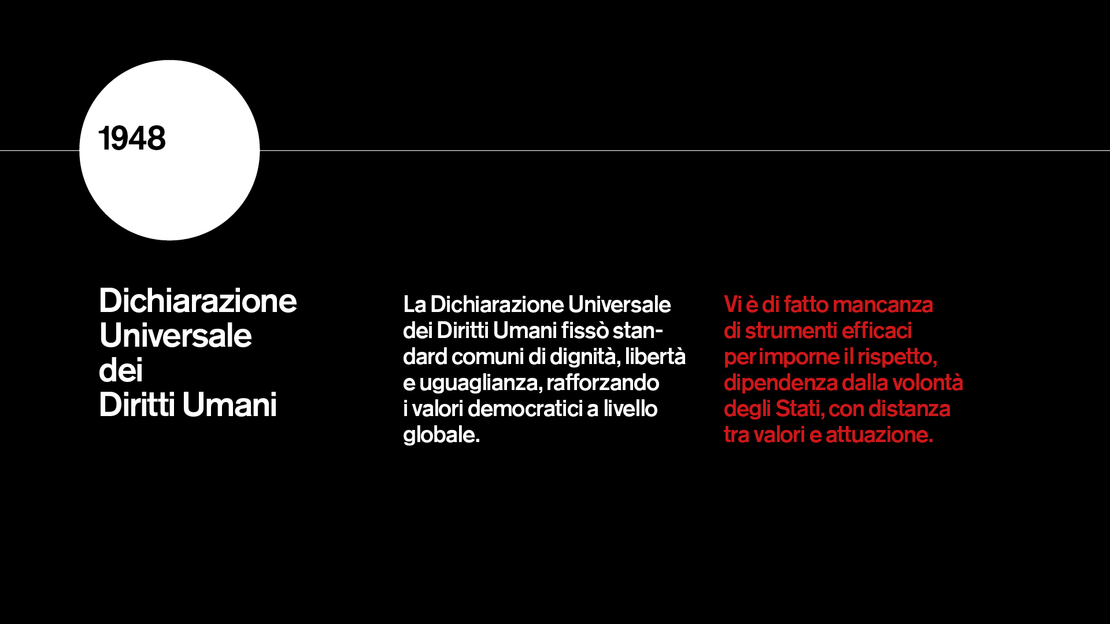
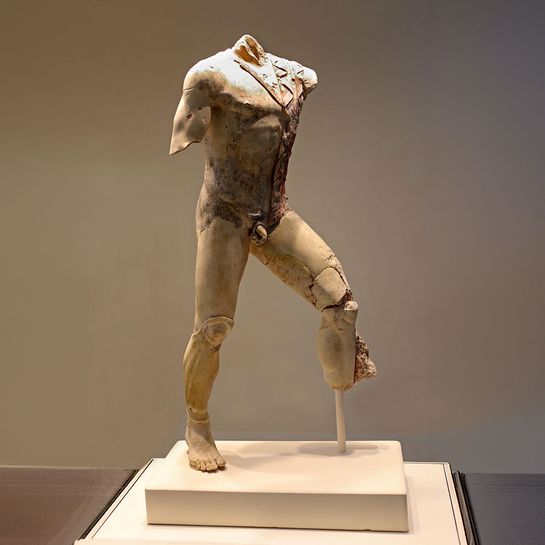
This is why we have chosen to open the season with a new production of Oresteia by Aeschylus, the greatest Greek tragic poet. Not only because it is one of the foundational masterpieces of Western theatre, but because it recounts one of the decisive turning points in human history: the moment when the endless spiral of violence as retribution is broken and entrusted to the judgement of a community.
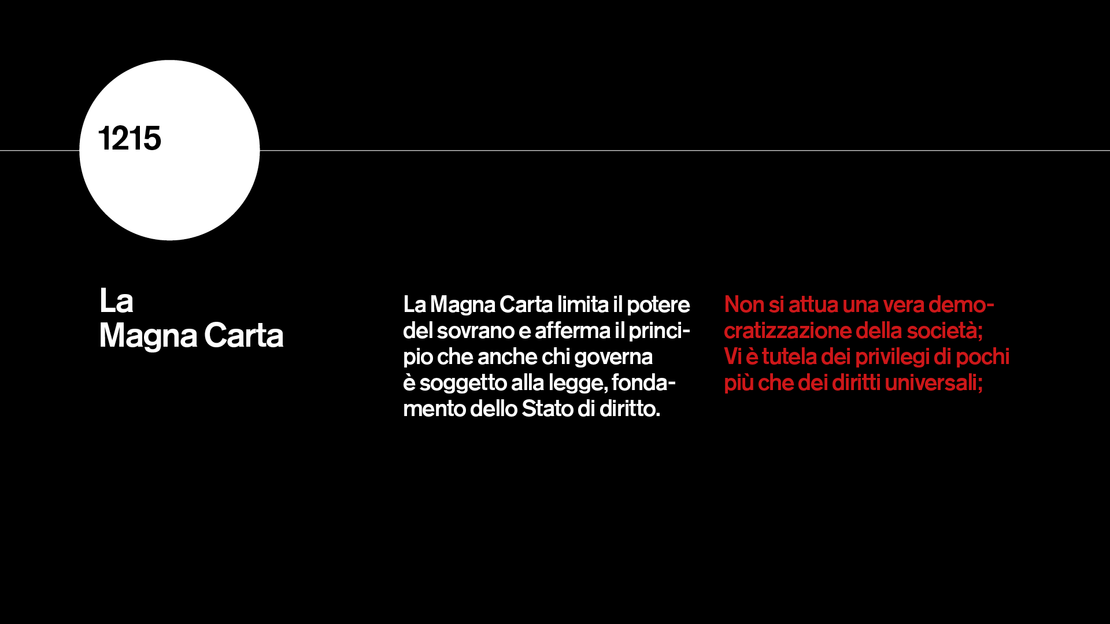
In the final part of the trilogy, the first human court of law is established. Law takes the place of force; collective responsibility emerges in place of private vengeance. It is an act of political and moral imagination which, twenty-five centuries on, continues to speak to us with surprising urgency.
The theatre was created for this very reason too. To offer the city a place in which to look at itself in the mirror, discuss its conflicts, question its certainties and reflect on the values that make communal life possible. The ancients knew this well: the stage was a public space where the community gathered to reflect on itself.
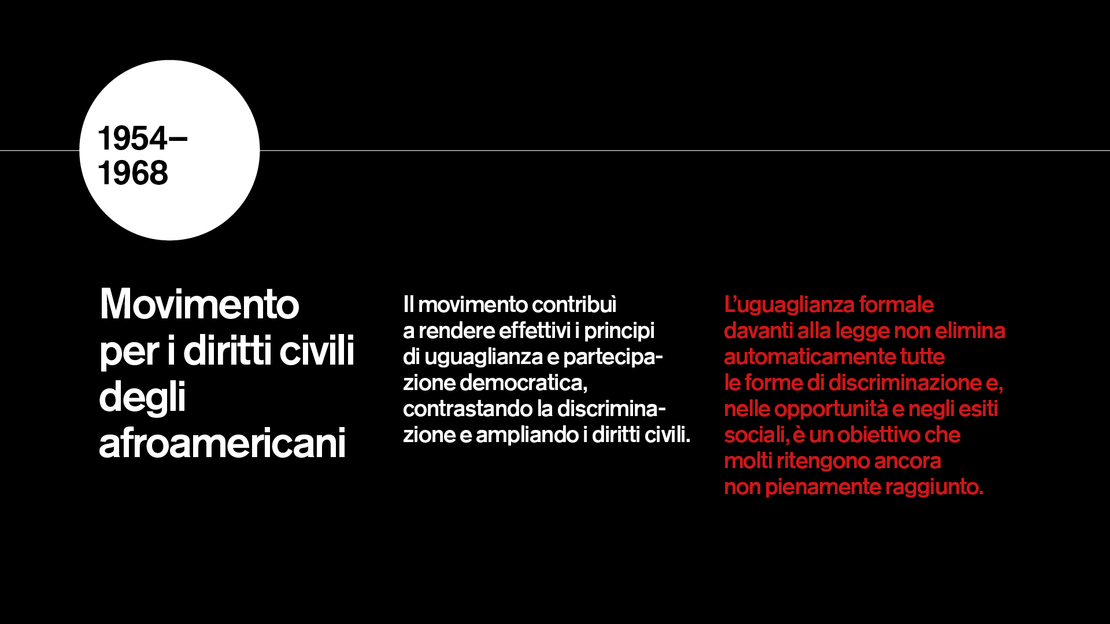
Today I feel a profound need to return to that original function. Not to seek simple answers, but to share essential questions. What does it mean to live together? What idea of justice do we wish to defend? What relationship do we wish to establish with power, with memory, with those different from us? What place do wisdom and compassion have in an age that seems to reward hasty judgement and the exacerbation of conflict?
The productions of this season explore these questions from different perspectives, yet they all converge towards the same horizon: the search for what makes a society human. For civilisation is not a condition guaranteed once and for all. It is a fragile construct, which every generation is called upon to renew.
But this responsibility does not belong solely to artists or theatre programmers. It also belongs to the audience. Every time a person chooses to enter the auditorium, they make a gesture that goes beyond mere cultural consumption. They choose to devote time and attention to something that offers no immediate answers. They choose to listen to stories different from their own. They choose to engage with the complexity of reality rather than take refuge in simplification. They choose to know, rather than remain indifferent.
Going to the theatre still means, today, entering into a human pact. It means recognising that there are questions we cannot tackle alone and that community is also built through the shared exercise of thought, imagination and listening.
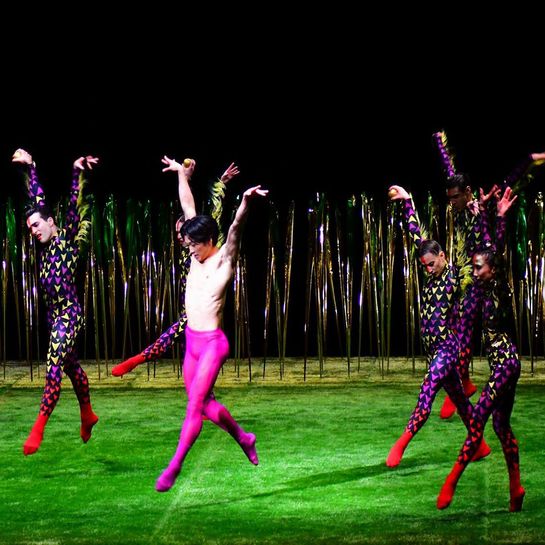
In a time suspended between civilisation and barbarism, we hope that the LAC will be a space where this pact can be renewed. A place where artists and audiences meet not merely to watch a performance, but to question the present together. Because theatre does not change the world on its own. But it can help us understand what kind of world we are building and which one, instead, we risk losing.
Perhaps this is precisely its oldest and most necessary responsibility. And perhaps it is ours too.