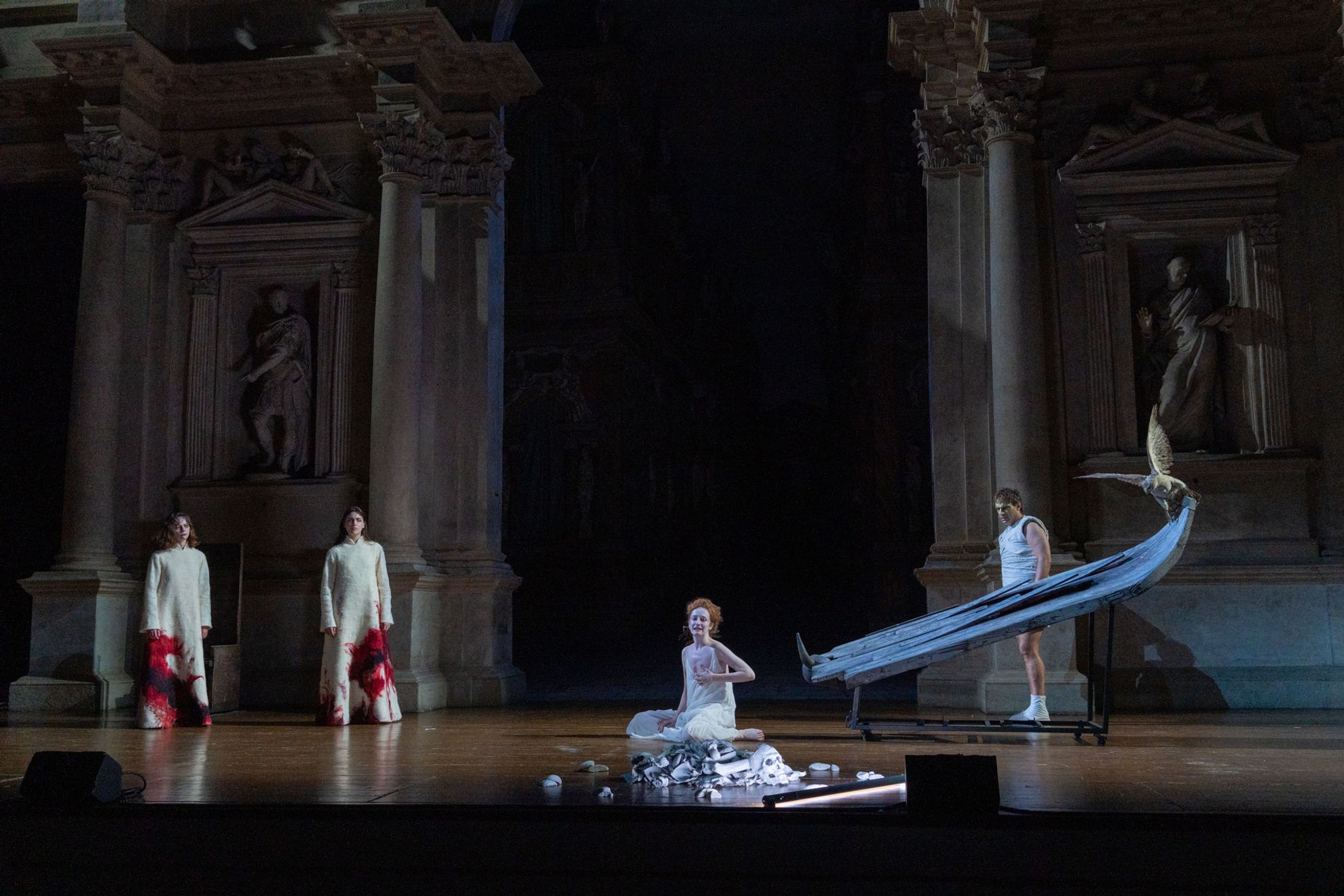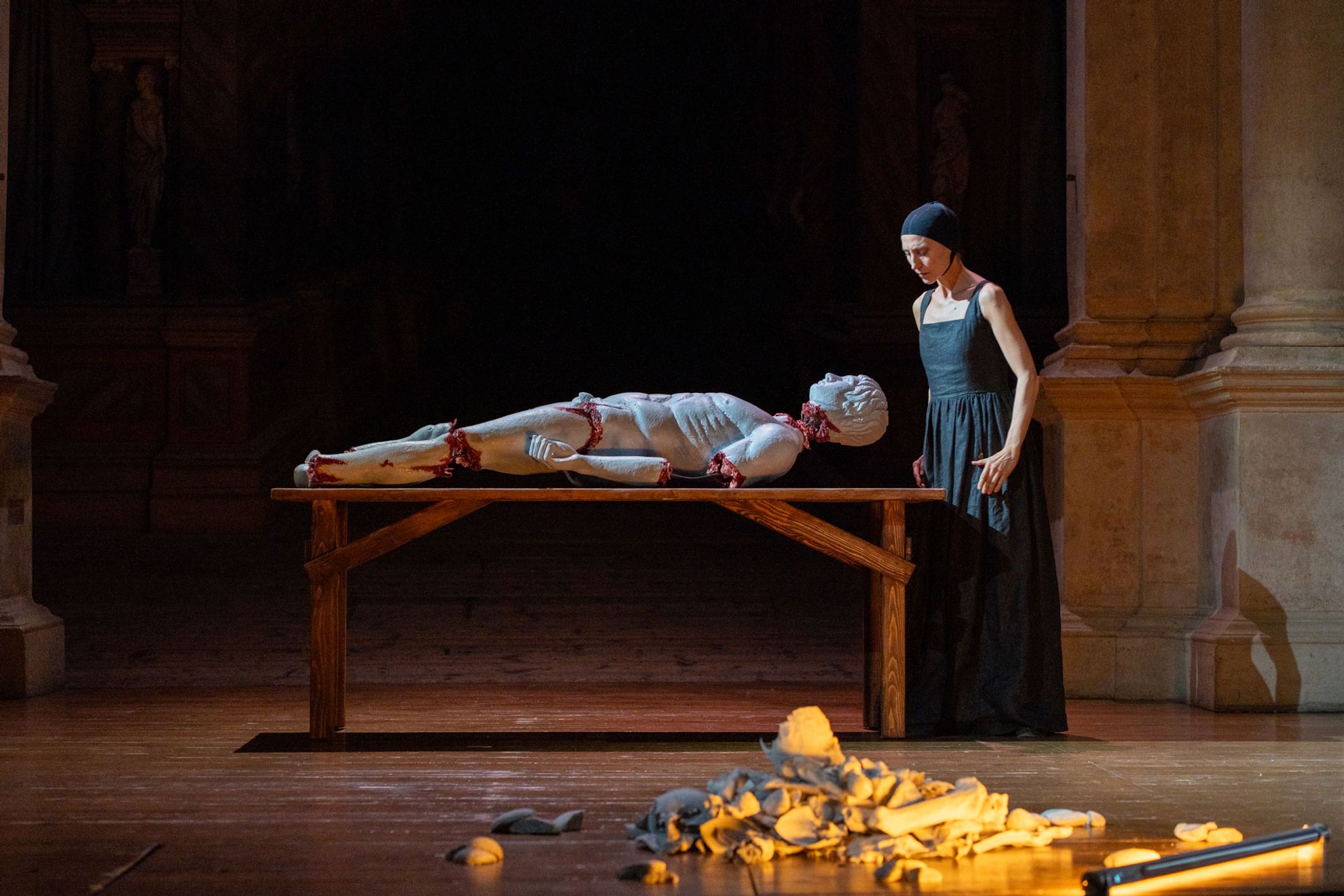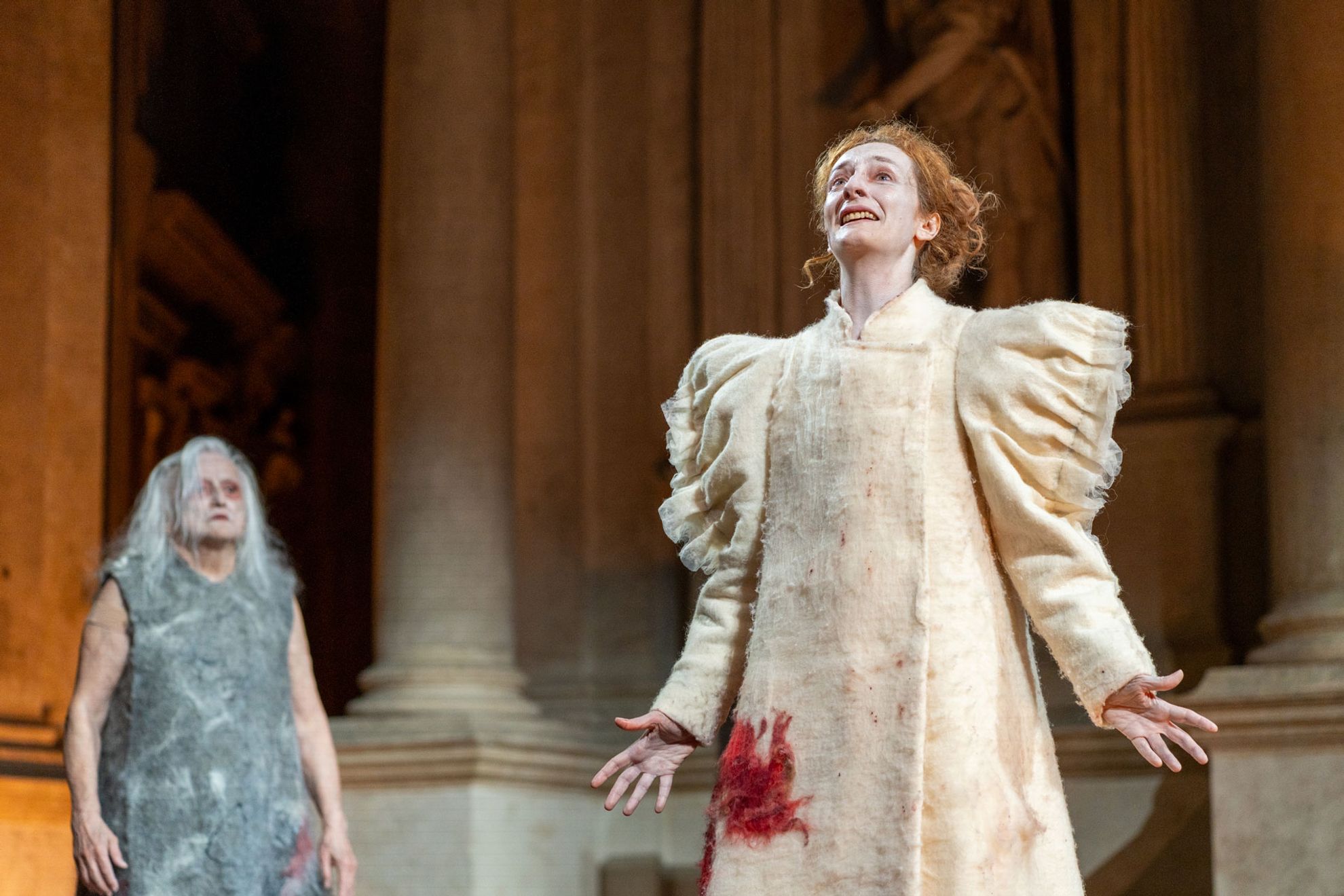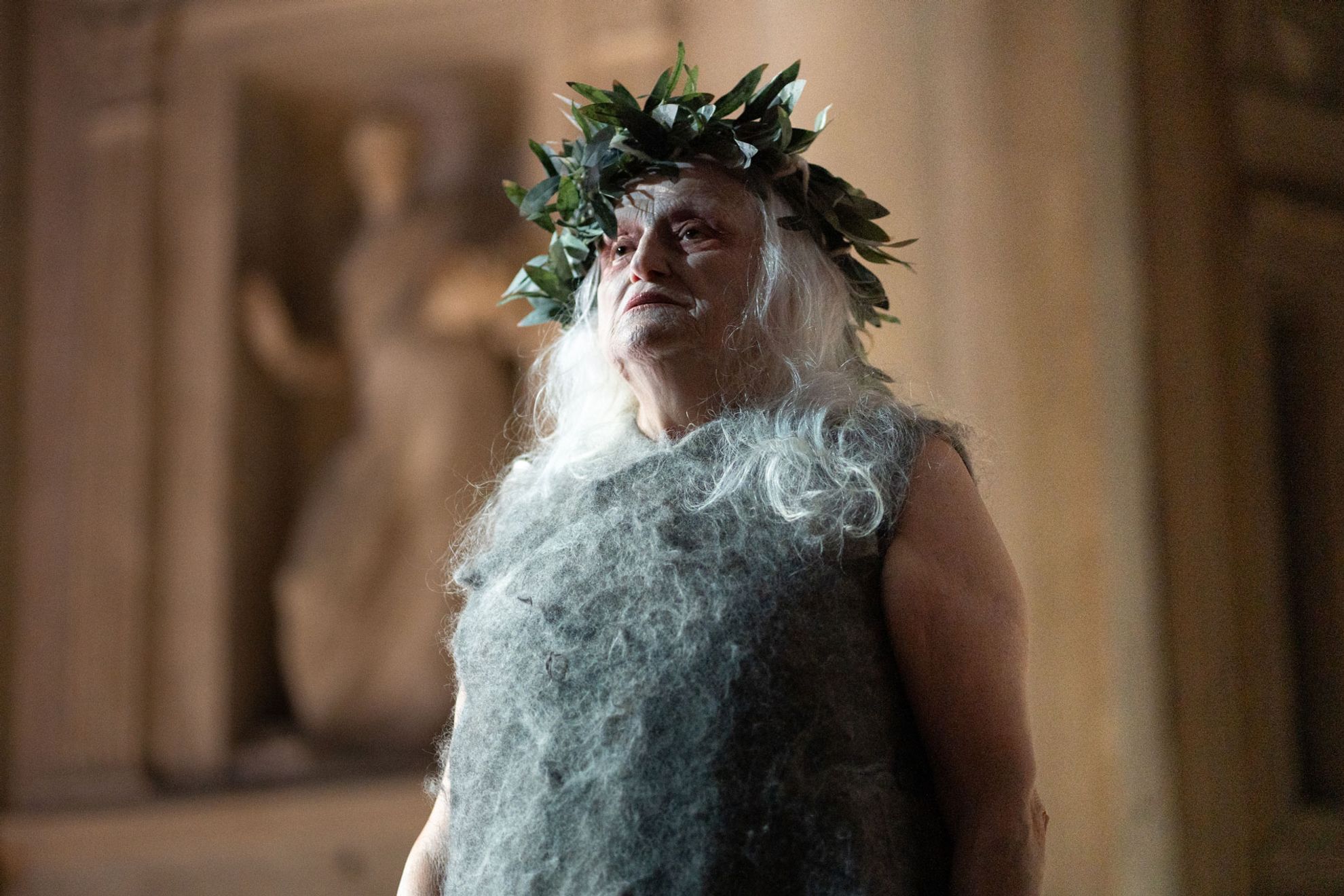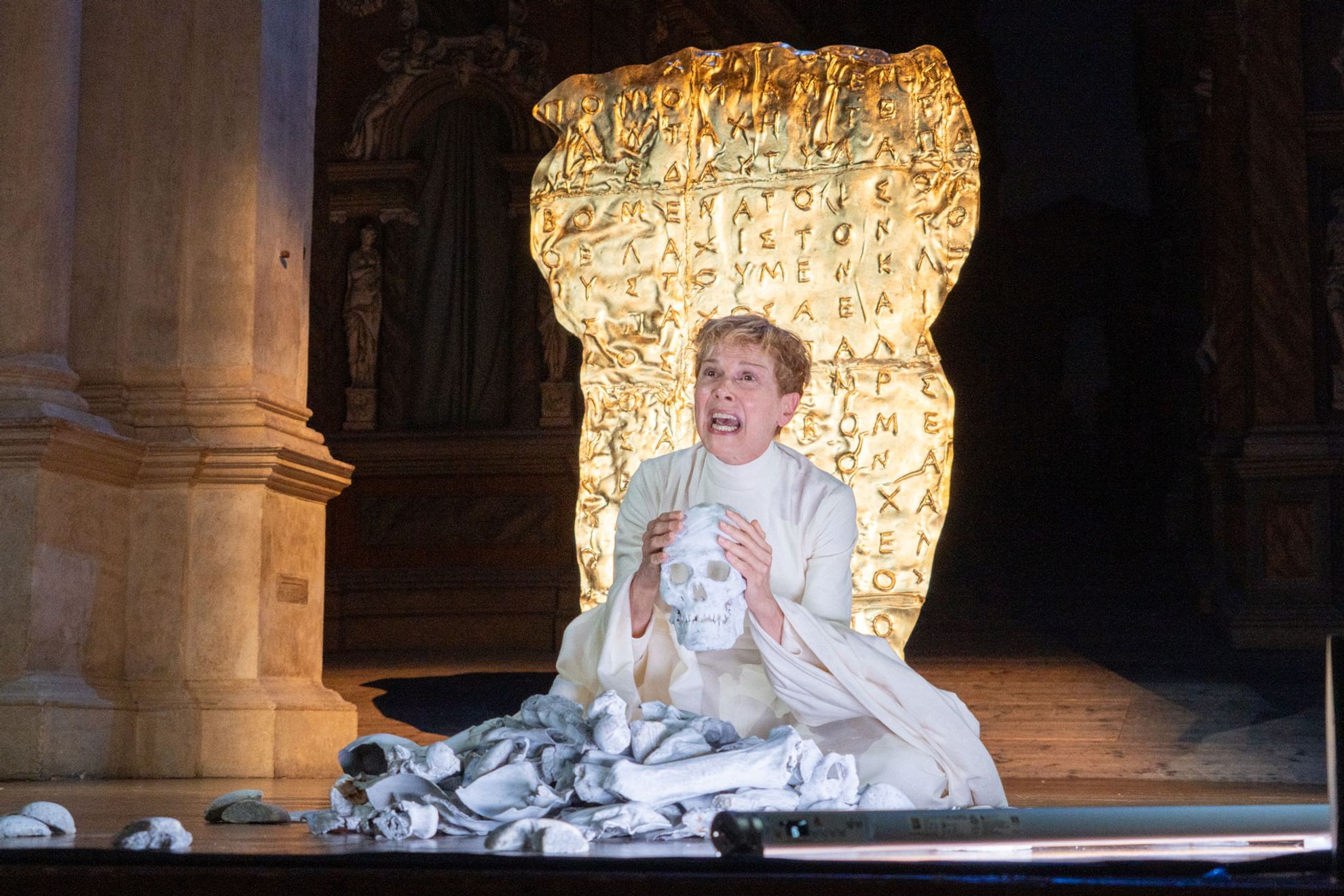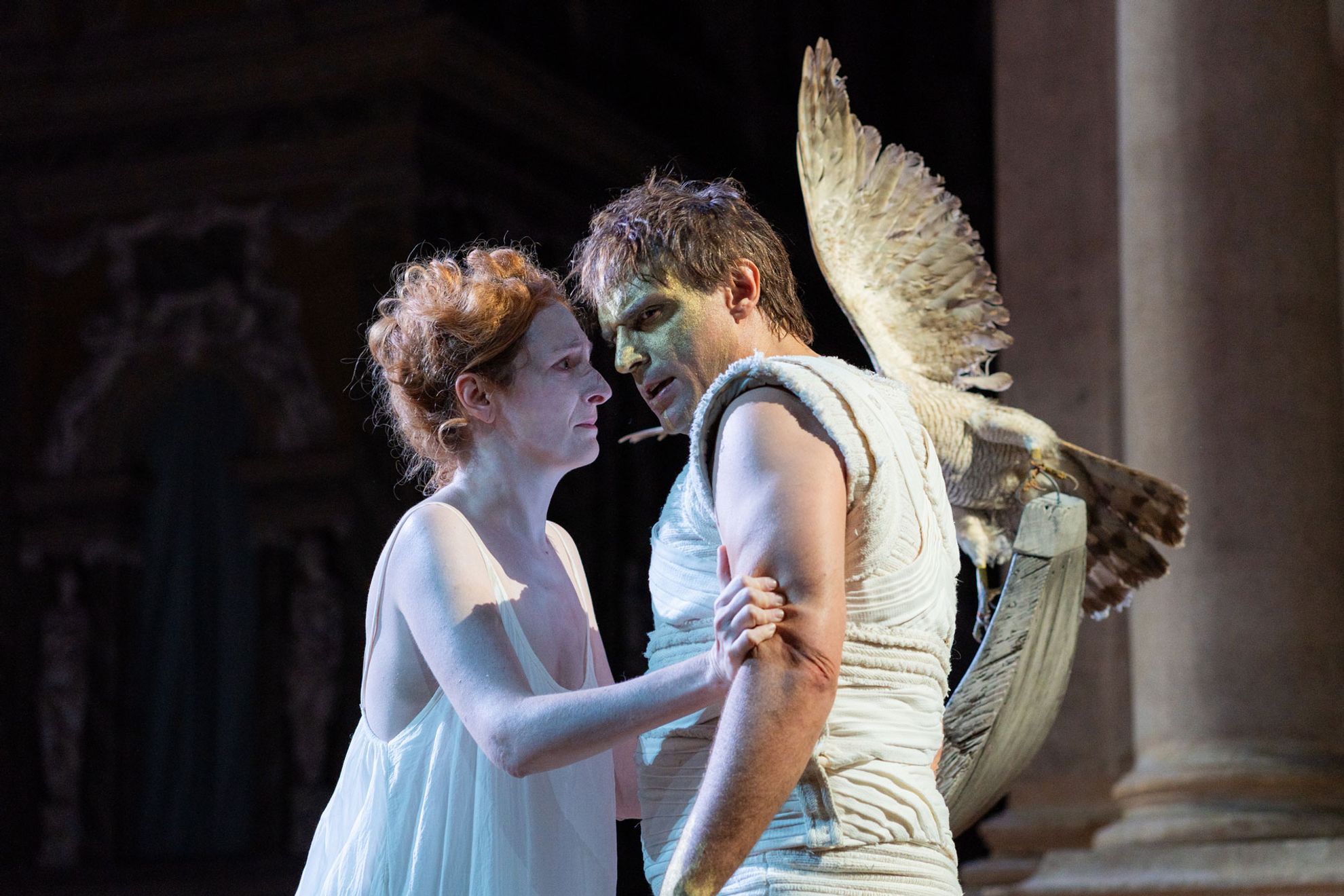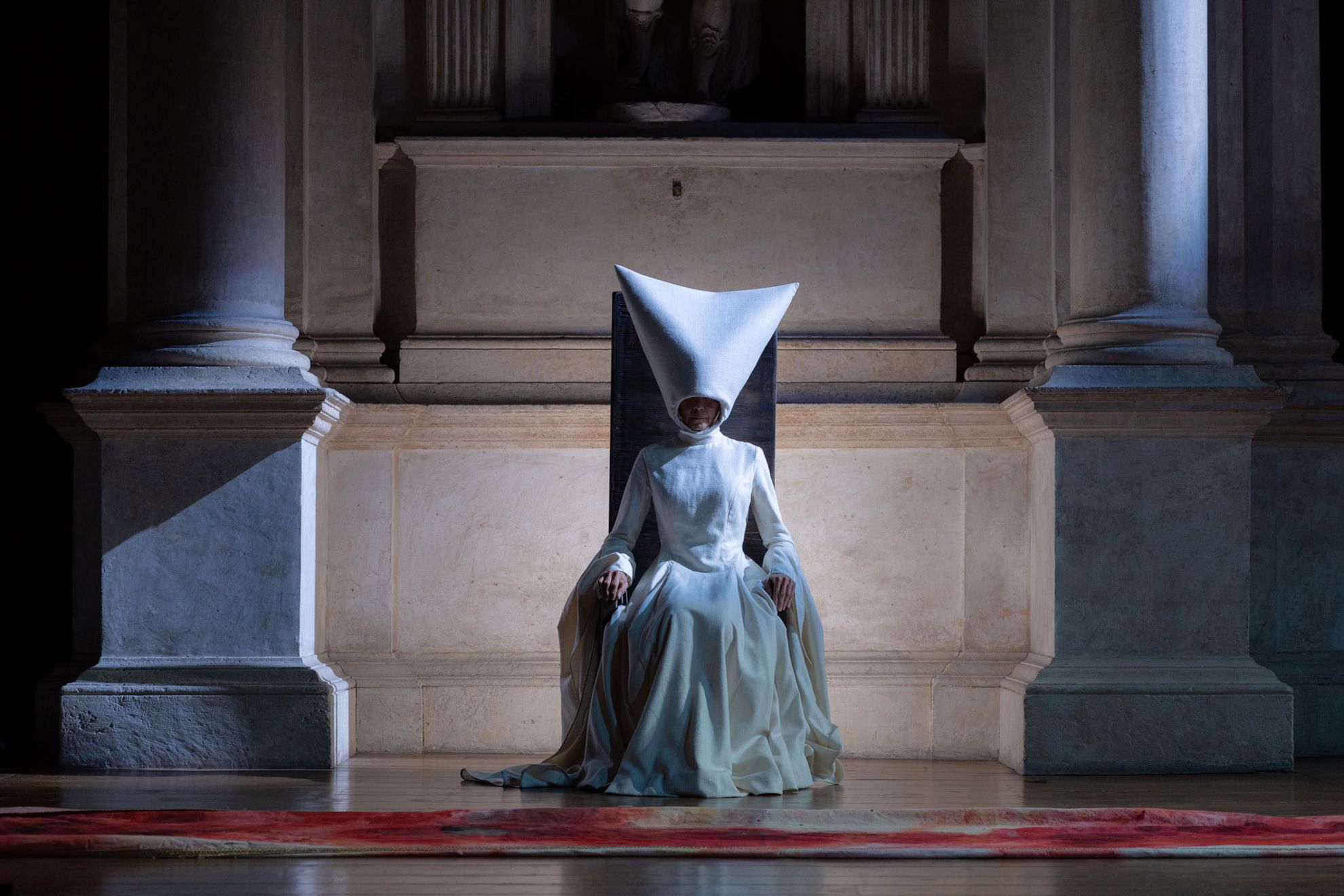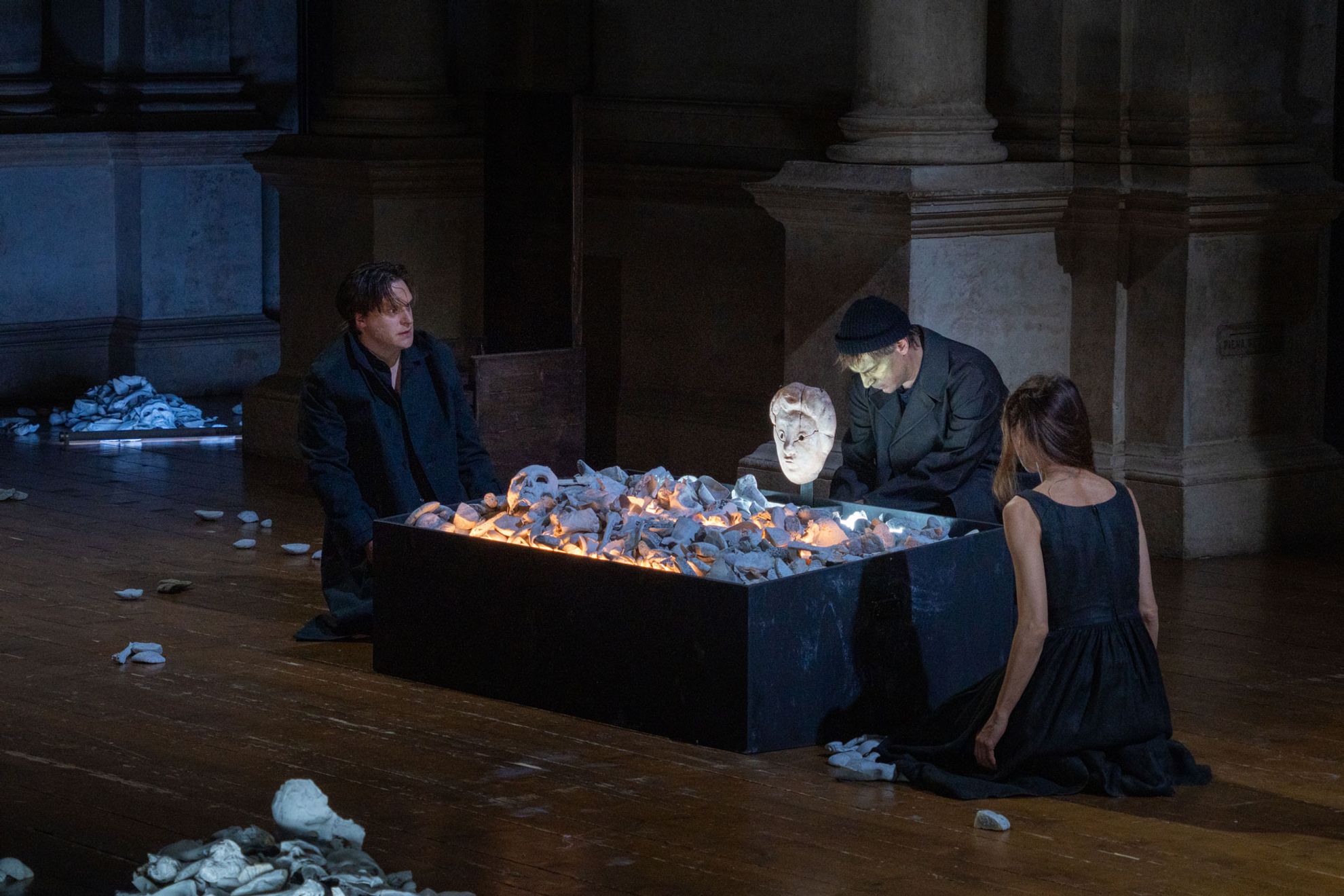
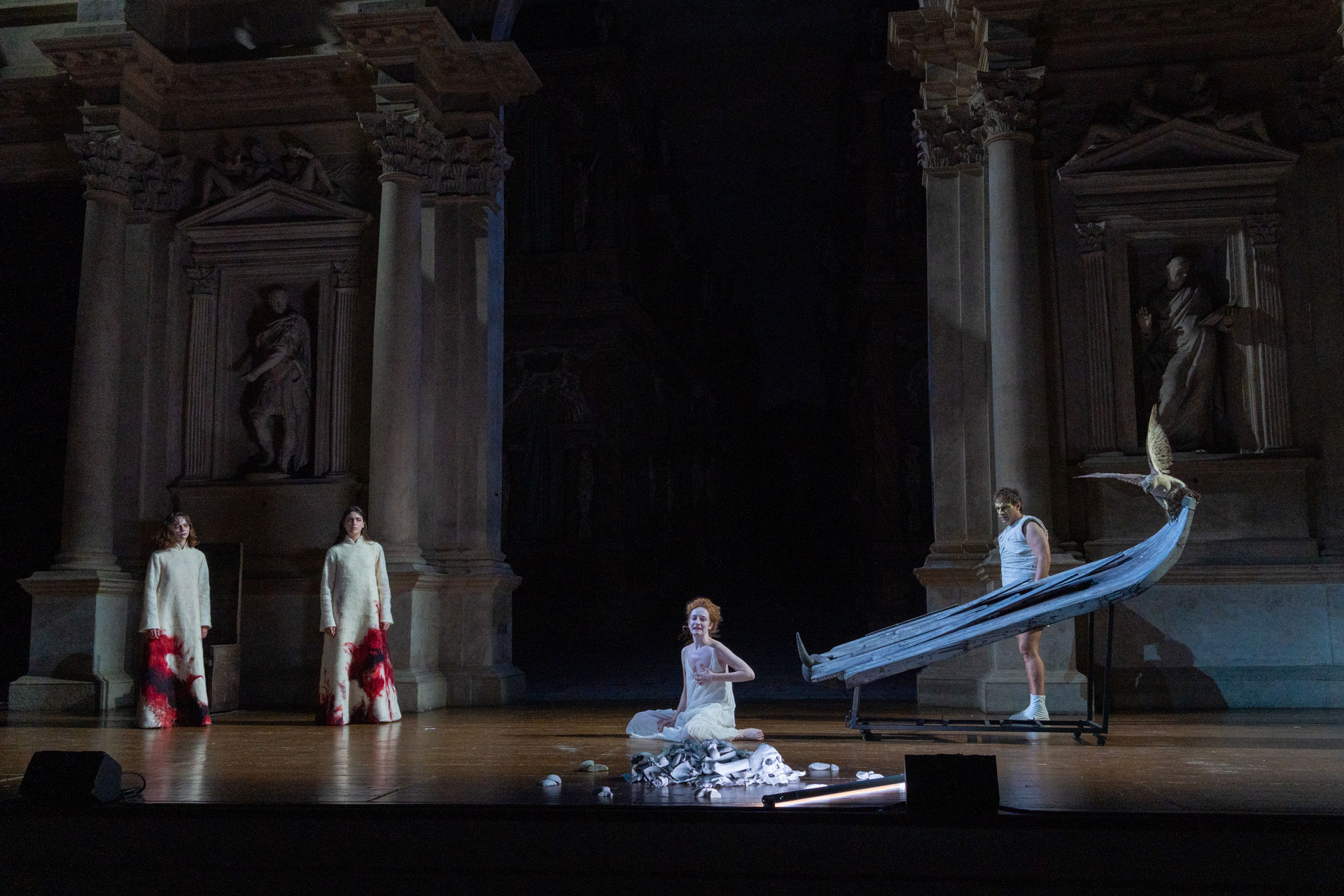


Carmelo Rifici reinterprets Aeschylus’s *Oresteia*, restoring its original character as a founding trauma: not an ancient tale, but the threshold at which humanity discovers that violence cannot be eliminated—it must be organized. An exploration of the fragility of our concept of justice and of what we have lost in the transition from the archaic world to the age of logos.
Orestea
Parte I Mythos / Parte II Logos
Eschilo / Carmelo Rifici
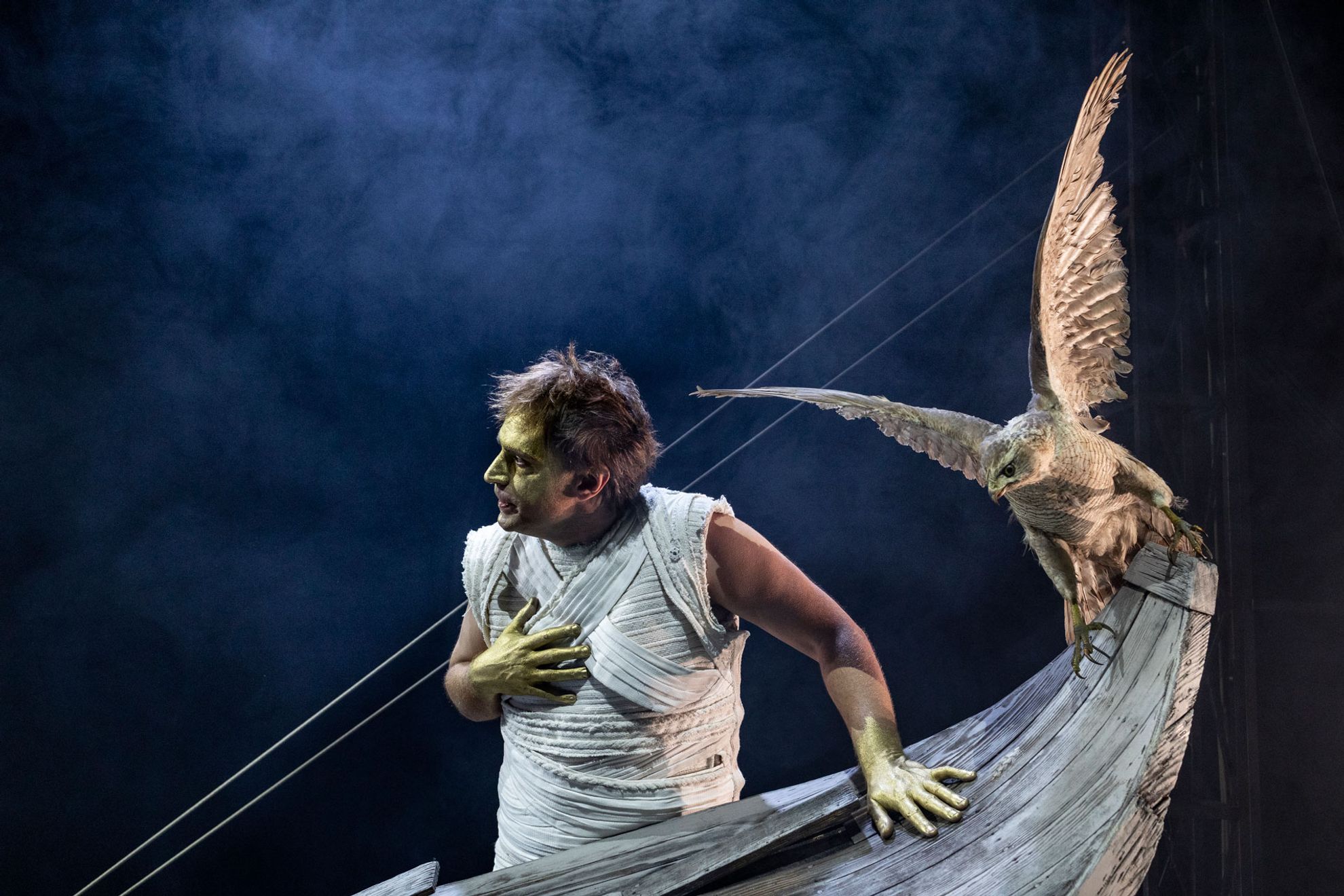
© LAC Lugano Arte e Cultura - Foto Luca Del Pia
World Premiere
4h
!
The show will last approximately 4 hours (including an intermission), so it has been divided into two parts: you can watch them back-to-back or on two different days.
The start time of the second part may vary slightly (the show is still in production).
The production will feature the use of a smoke machine and scenes of nudity.
Tournée
17–28.02.2027
TPE / Teatro Astra - Torino, Italia
03–14.02.2027
Teatro Vascello- Roma, Italia
26–31.01.2027
Teatro Strehler / Piccolo Teatro - Milano, Italia
20–22.01.2027
Teatro Nazionale Italiano di Fiume, Croazia
15–17.01.2027
LAC Lugano Arte e Cultura
18–19.09.2026
Teatro Olimpico – Vicenza, Italia
Orestea
Parte I Mythos / Parte II Logos
Eschilo / Carmelo Rifici
© LAC Lugano Arte e Cultura - Foto Luca Del Pia
World Premiere
4h
!
The show will last approximately 4 hours (including an intermission), so it has been divided into two parts: you can watch them back-to-back or on two different days.
The start time of the second part may vary slightly (the show is still in production).
The production will feature the use of a smoke machine and scenes of nudity.
Tournée
17–28.02.2027
TPE / Teatro Astra - Torino, Italia
03–14.02.2027
Teatro Vascello- Roma, Italia
26–31.01.2027
Teatro Strehler / Piccolo Teatro - Milano, Italia
20–22.01.2027
Teatro Nazionale Italiano di Fiume, Croazia
15–17.01.2027
LAC Lugano Arte e Cultura
18–19.09.2026
Teatro Olimpico – Vicenza, Italia
The new LAC production directed by Carmelo Rifici makes its world premiere. Rifici chooses to explore the origins of Western democracy through the only trilogy from classical Greece that has survived in its entirety: Aeschylus’ *Oresteia*, comprising the tragedies *Agamemnon*, *The Libation Bearers*, and *The Eumenides*.
At the heart of the work lies the hypothesis that democracy does not arise from a desire for peace, but rather from the need to regulate inescapable violence; the polis, the city-state, is not an alternative to the barbarism of war and vengeance, but its best possible transformation. This idea, already so clear in Aeschylus, casts a melancholic light on our very concept of democracy. On stage, two worlds clash: the archaic forces—ancient polytheistic wisdom that embodies the memory of sacrifice—and the abstraction of the logos, under the aegis of a single God, which attempts to contain—rather than overcome—the concept of vengeance. The Athenian court that acquits Orestes of the charge of matricide, thanks to the oratorical and enchanting strategies of Athena—born from the brain of Zeus—shows how, in light of contemporary history, modern man is the result of a fragile and dangerous compromise, constantly threatened by events, and not the product of human wisdom.
Part I / Mythos
begins with *Agamemnon* and
ends with the first lament of the Chorus of the Coephorae. It is a matter of deciphering, in the story of Agamemnon and Cassandra’s murder by Clytemnestra and Aegisthus, and in Electra’s recognition of her brother Orestes as the sole avenger and bringer of justice, a foundational trauma of Western civilization. In this world, composed primarily of gods of the underworld, the dead do not truly die unless they are avenged. Here, violence is governed by the justice of vengeance. The first pillar of Western society is built upon this certainty, and the first part of the tragedy concludes on this note.
Part II / Logos
It begins with Orestes and Pylades and their fate as the slayers of Clytemnestra; it opens with matricide and closes with the Athenian court, where the trial against Orestes ends with his acquittal, thanks to Apollo’s intercession, but above all to Athena’s strategy. We leave the shores of myth to enter the realm of human history; Orestes’ acquittal marks the birth of Western democracy, which rests its first pillar on the murder of a Great Mother. Democracy does not arise from peace but from regulated violence: the polis does not eliminate barbarism; it transforms it. Logos does not resolve but serves to contain archaic force.
Multimedia Content
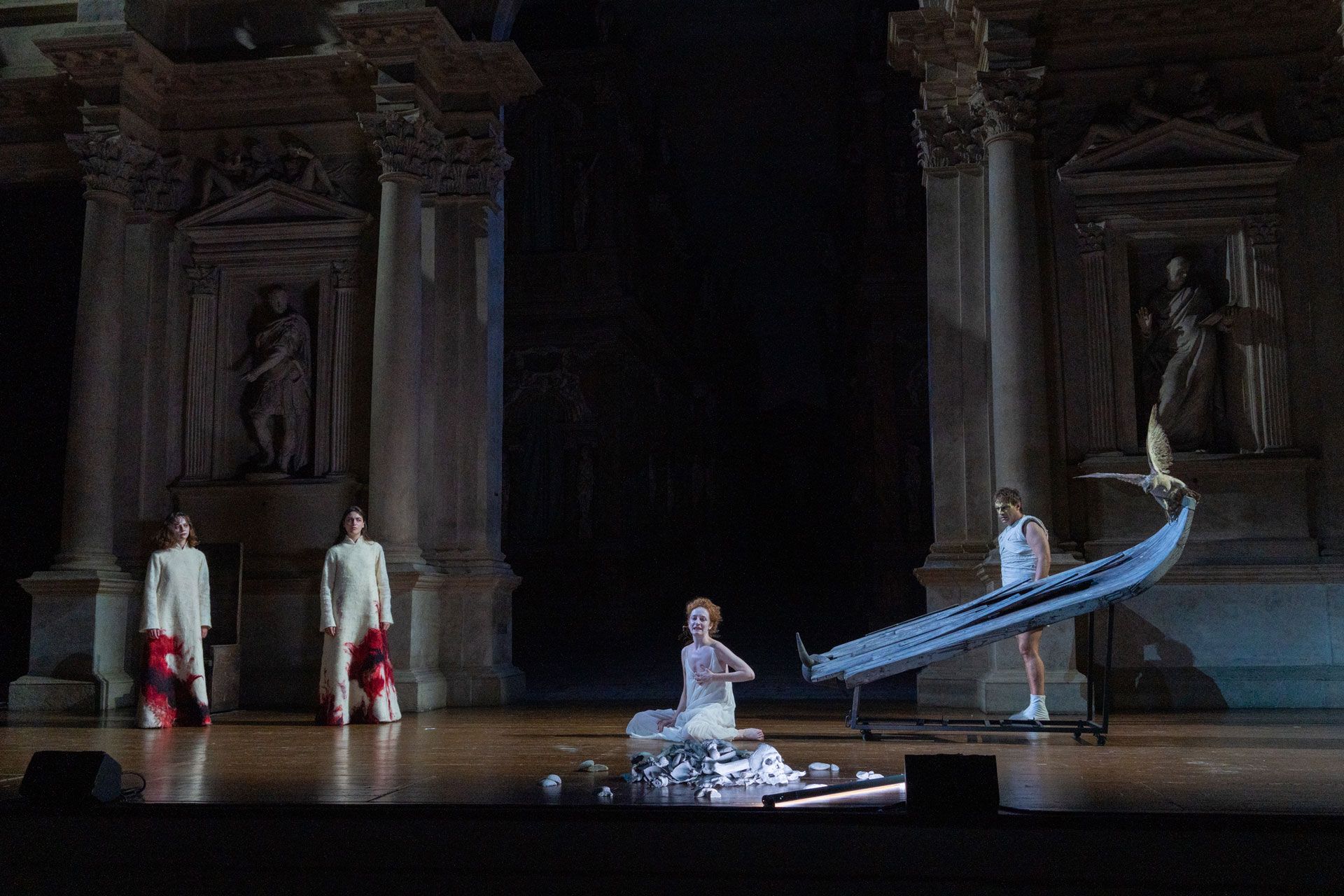
Anteprima Orestea Parte I Mythos
Prova generale al Teatro Olimpico di Vicenza
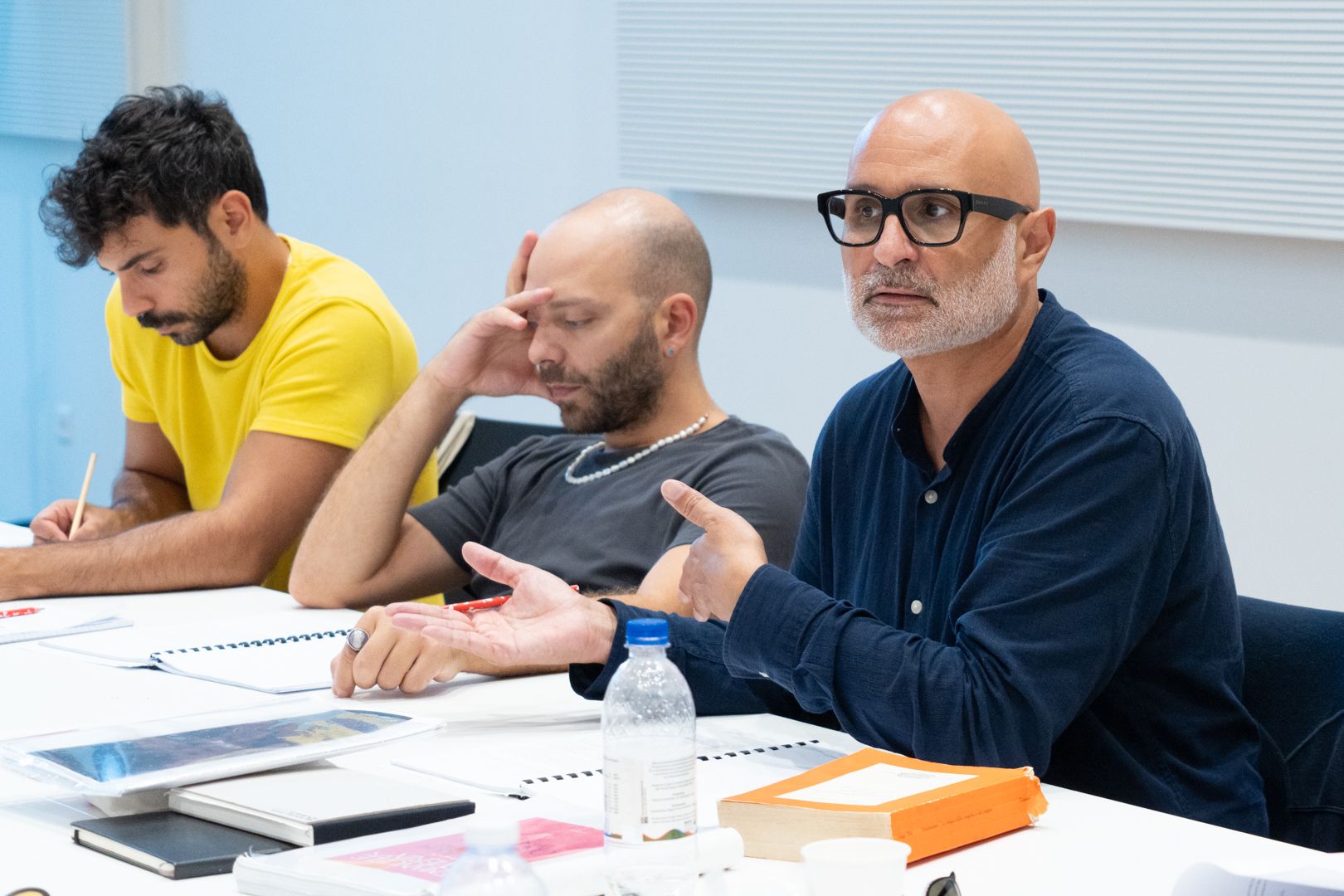
Orestea
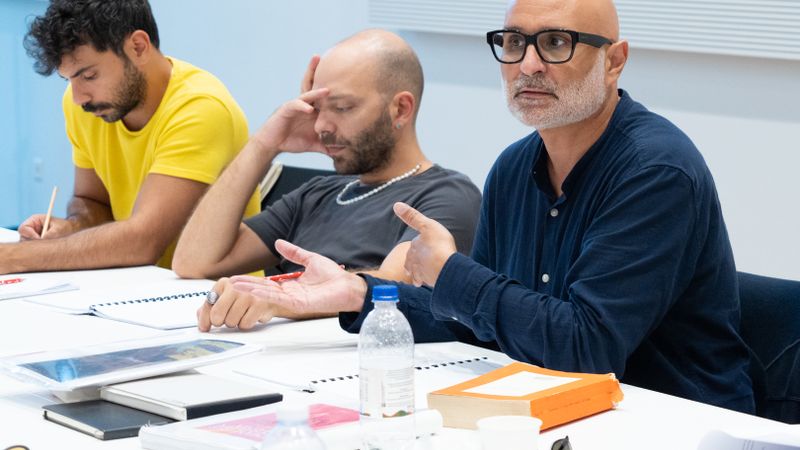
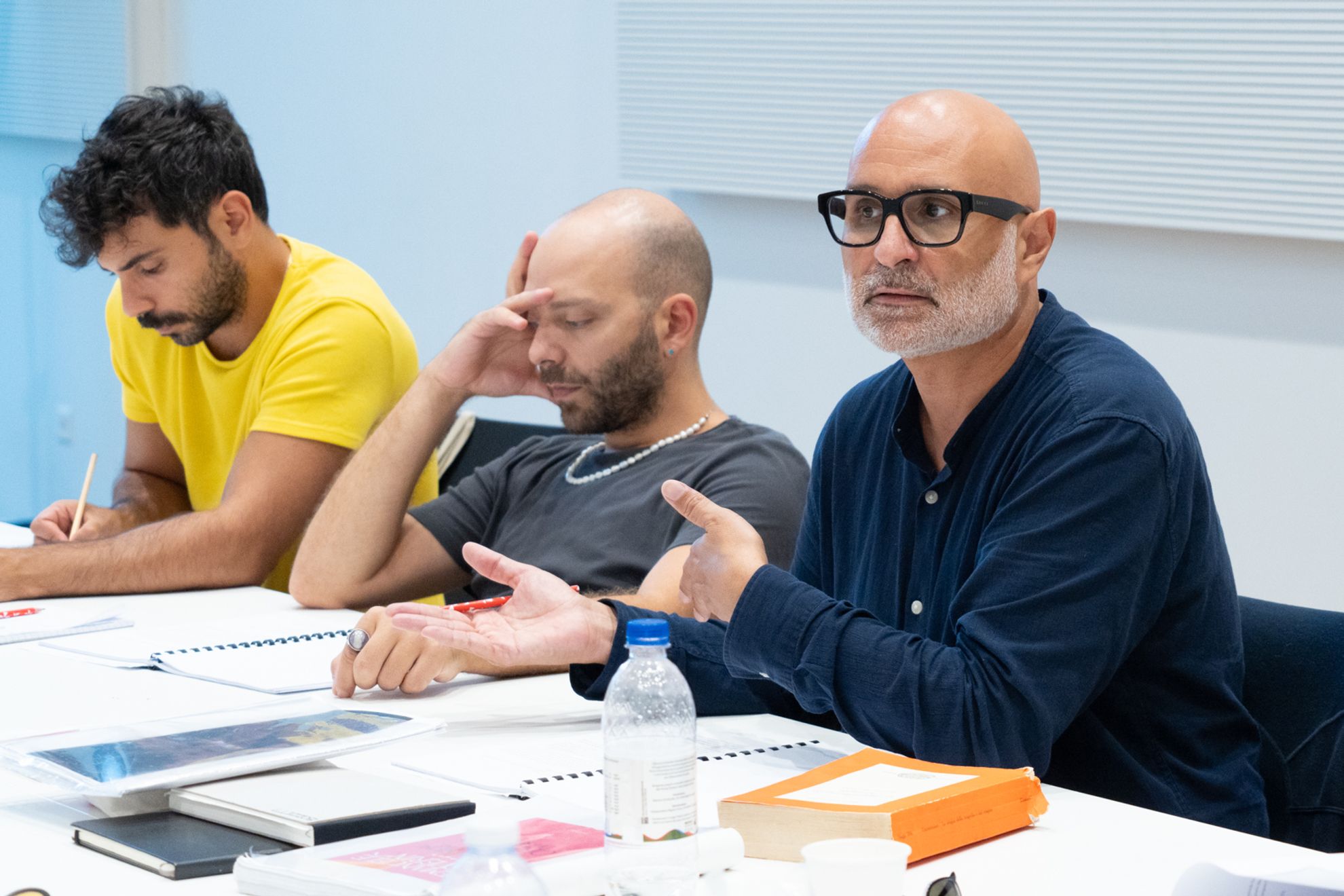
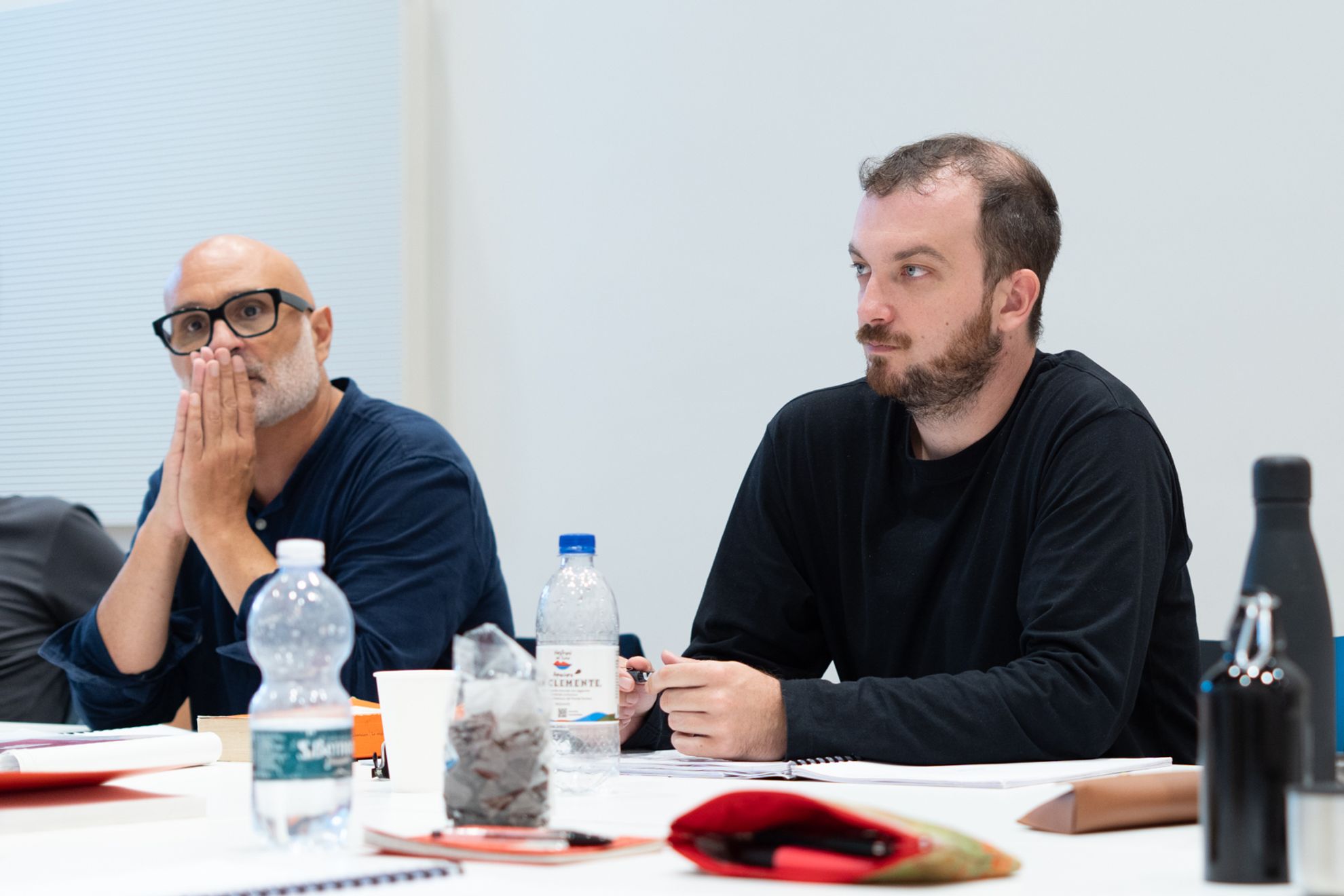
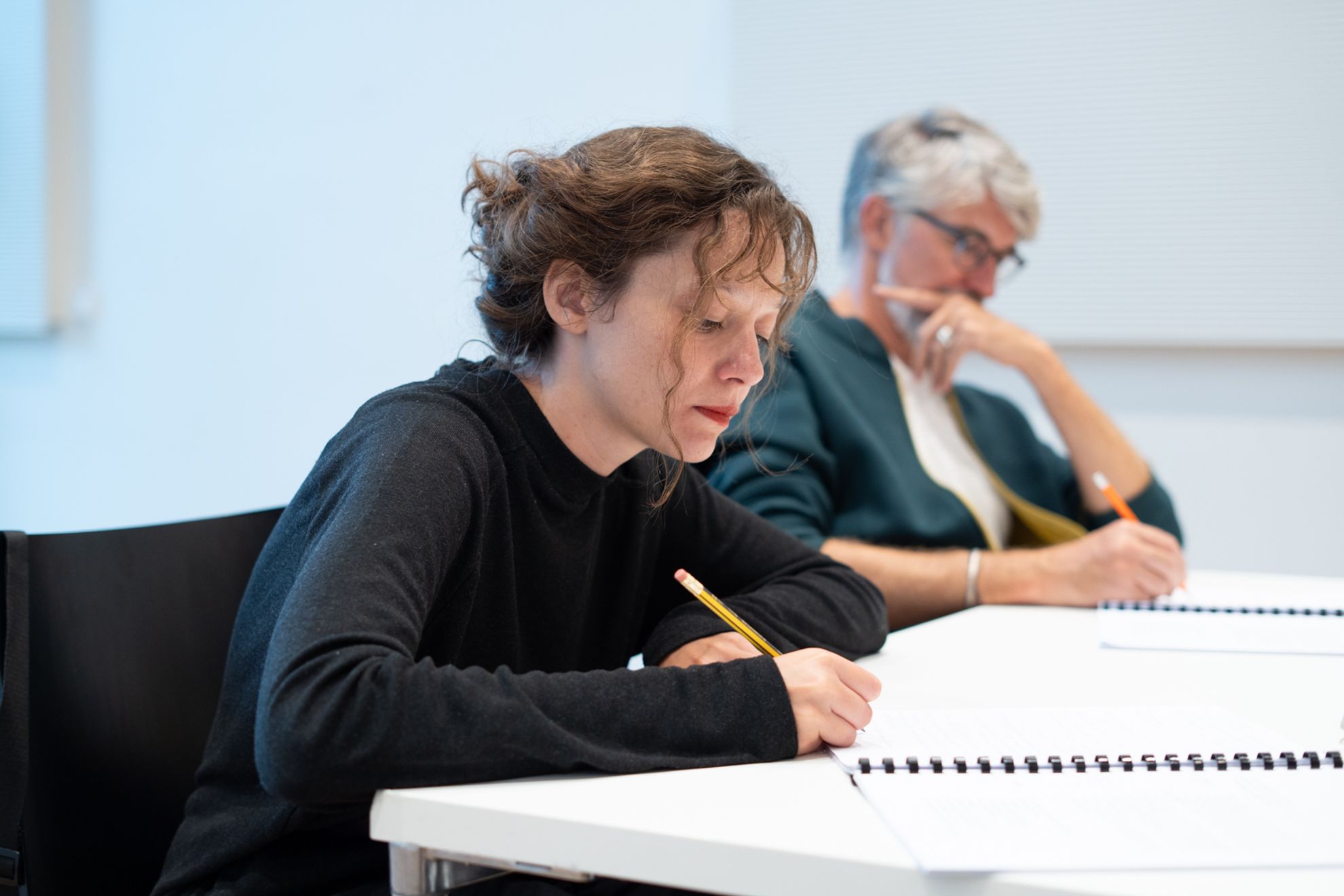
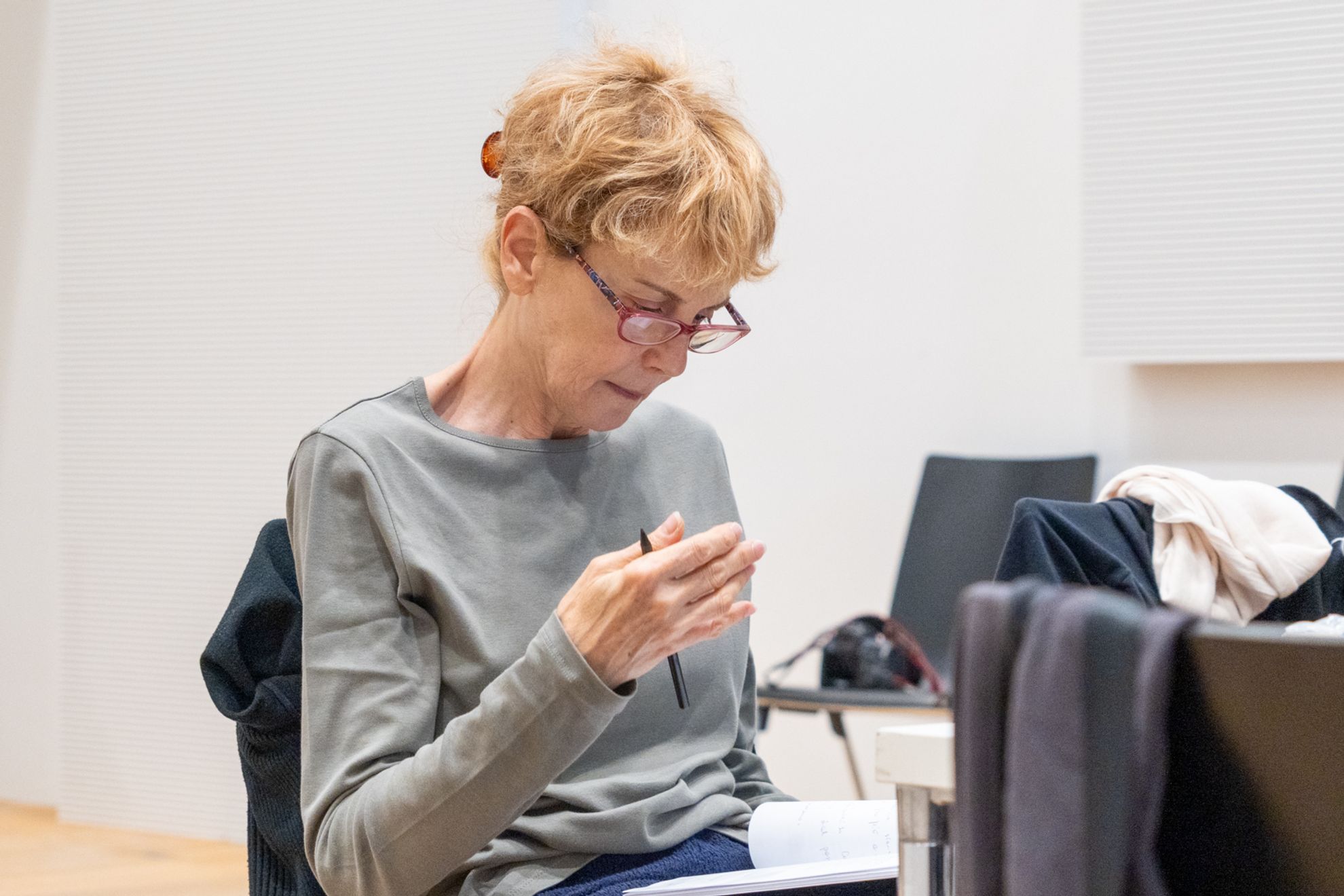
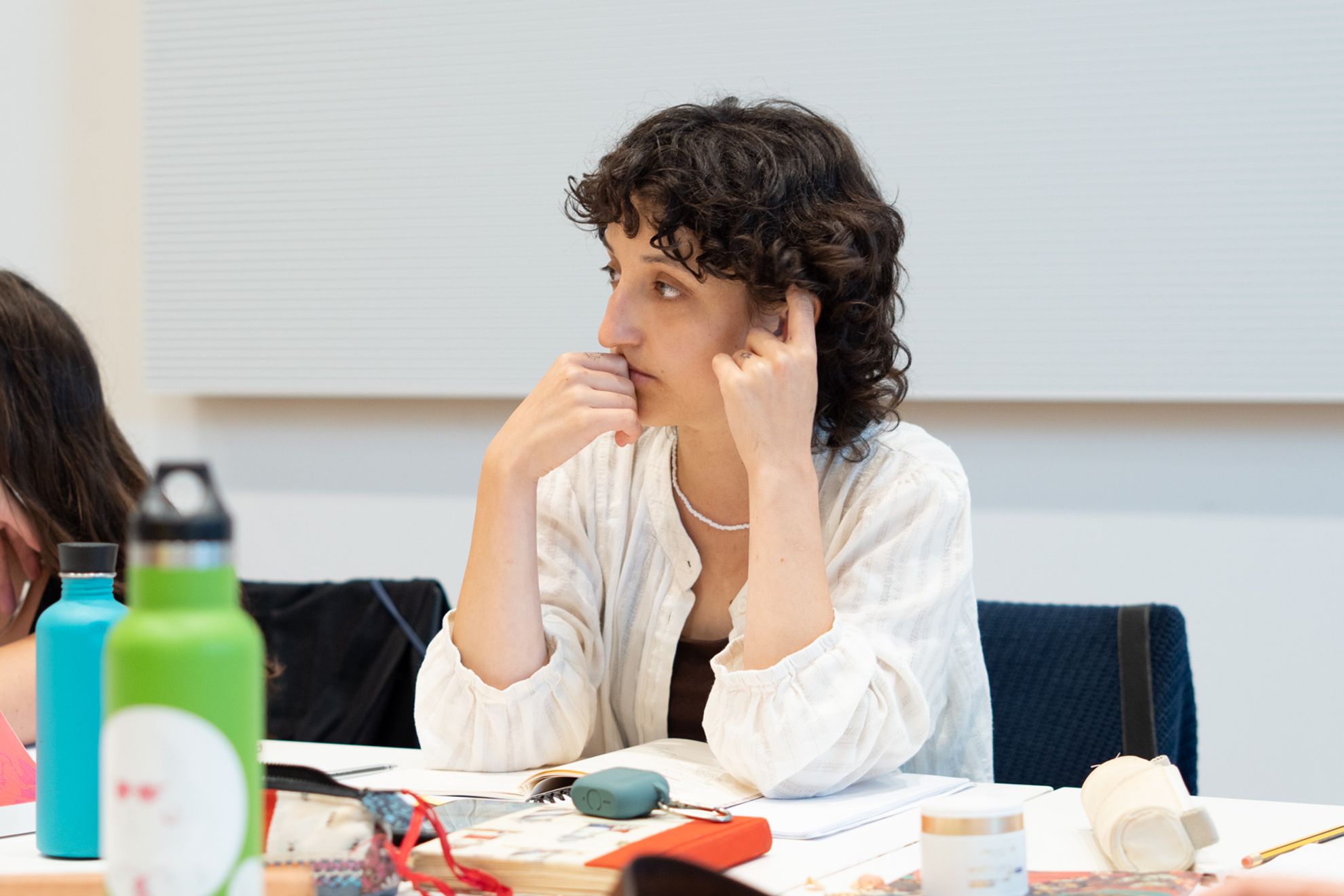
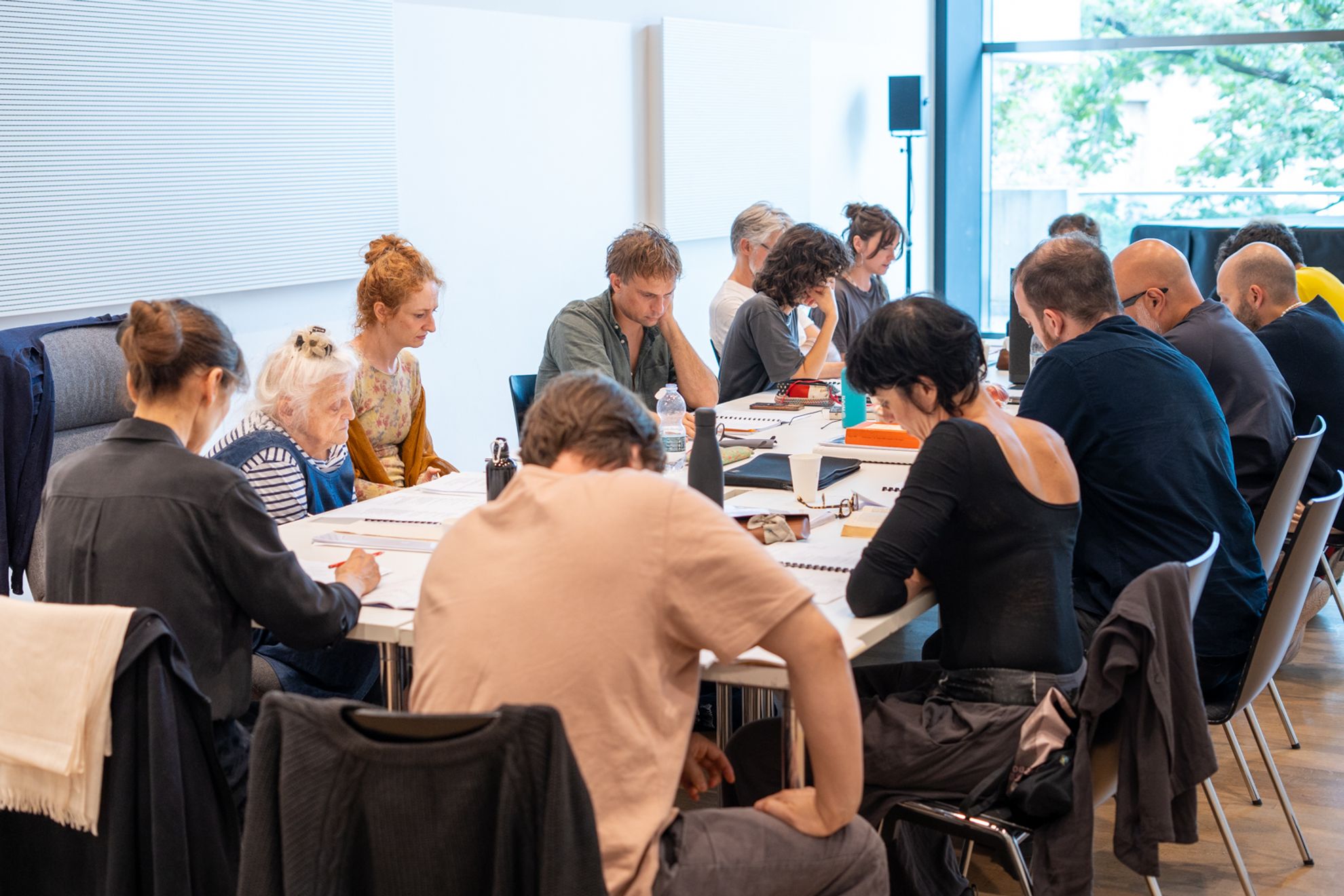
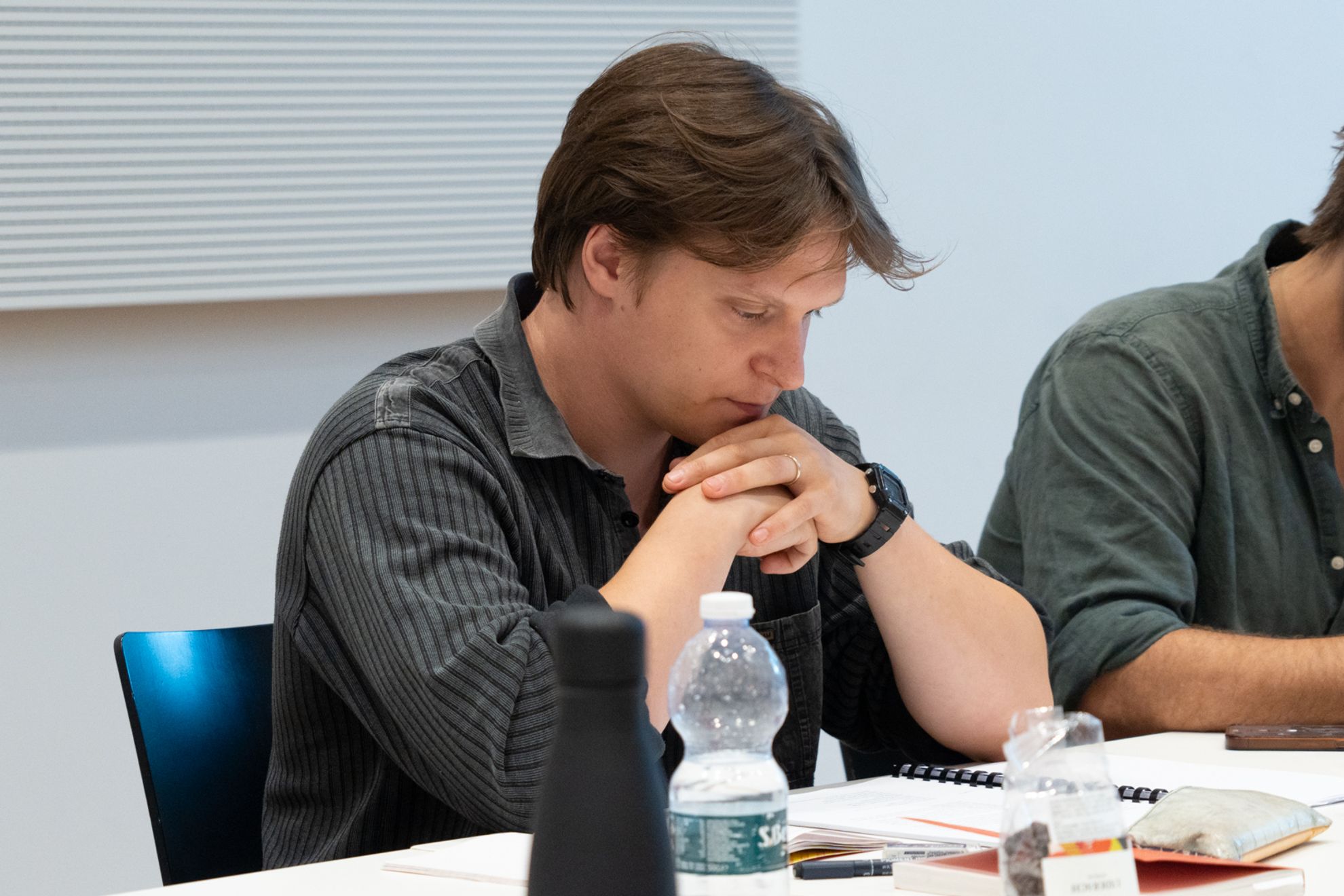
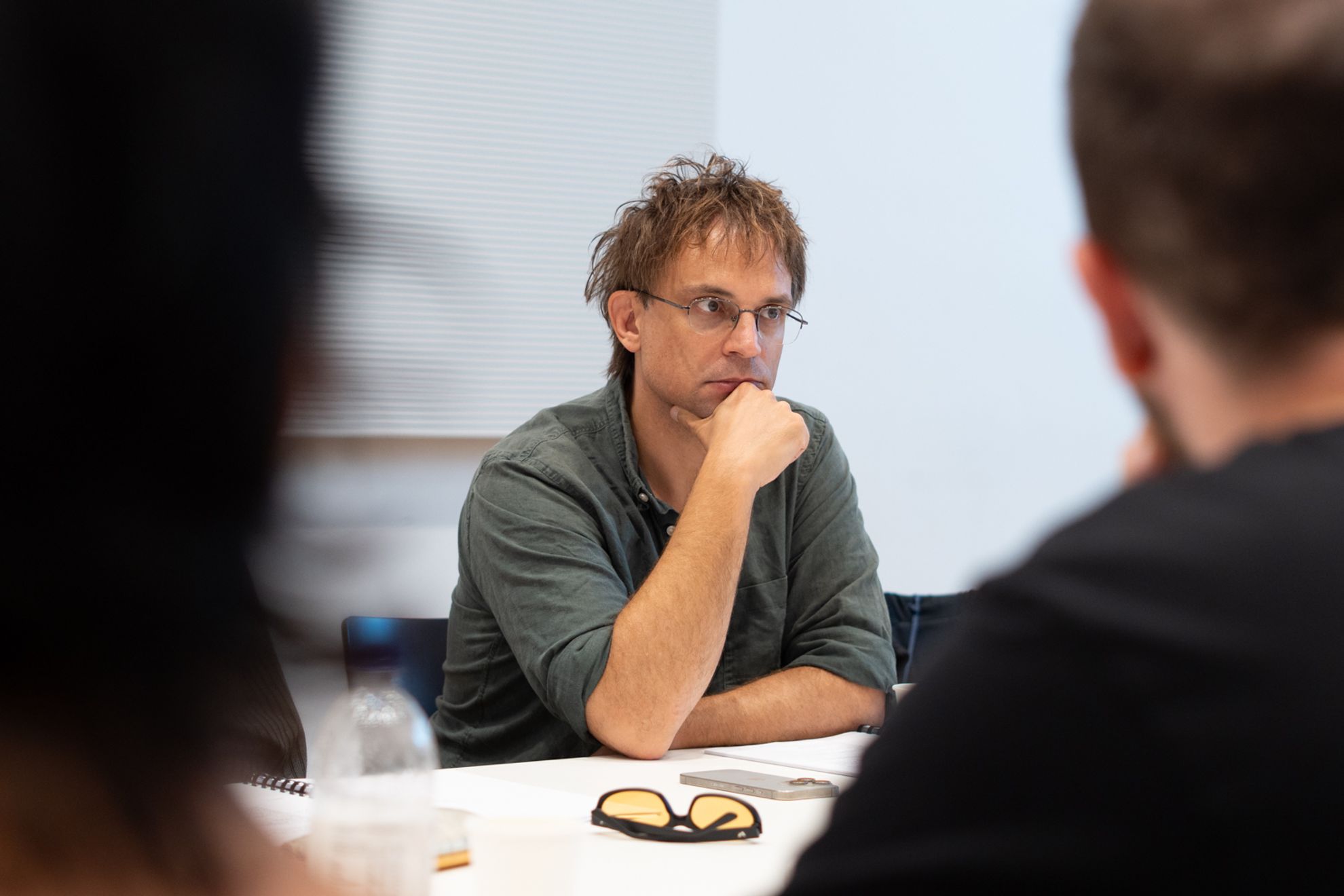
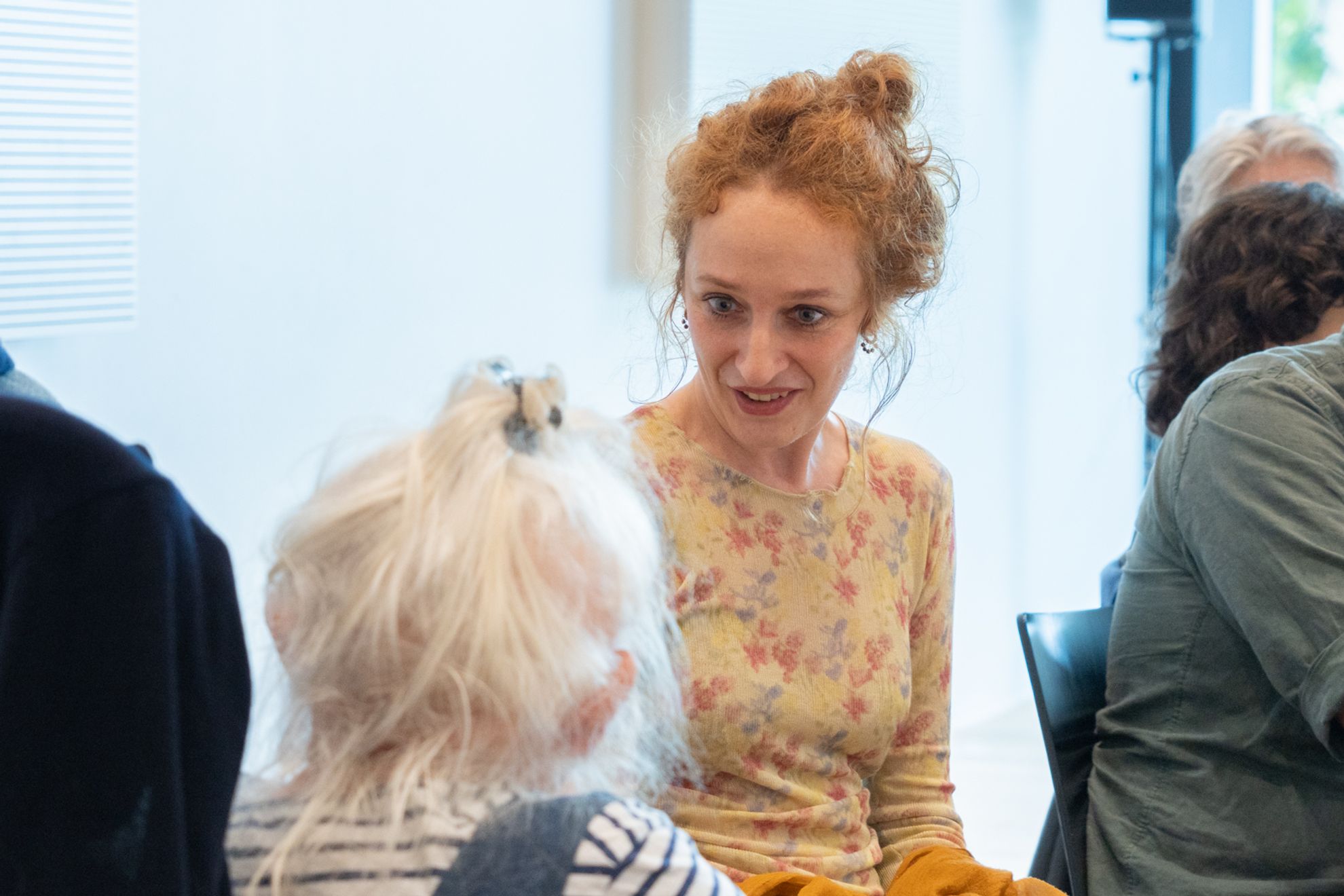
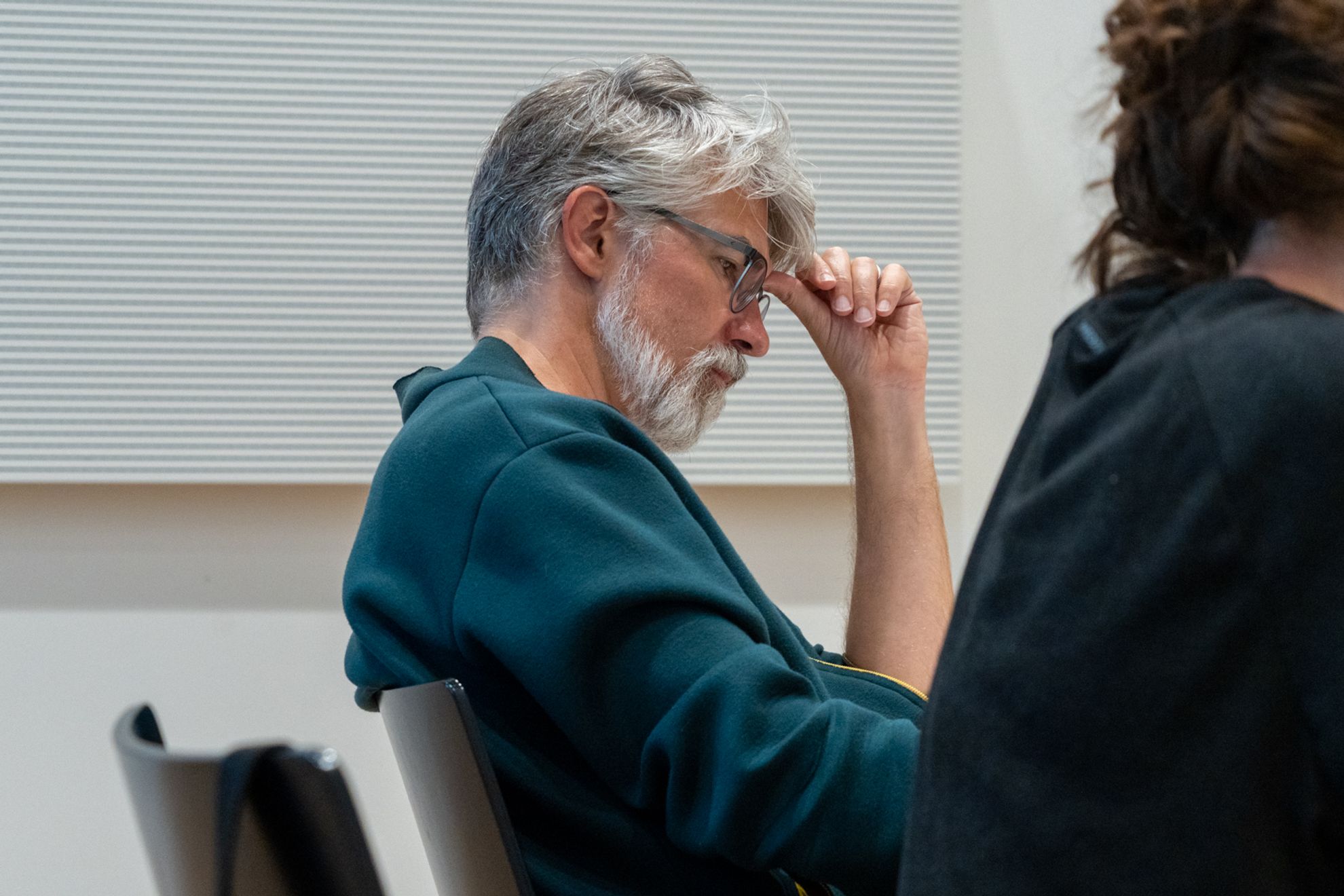
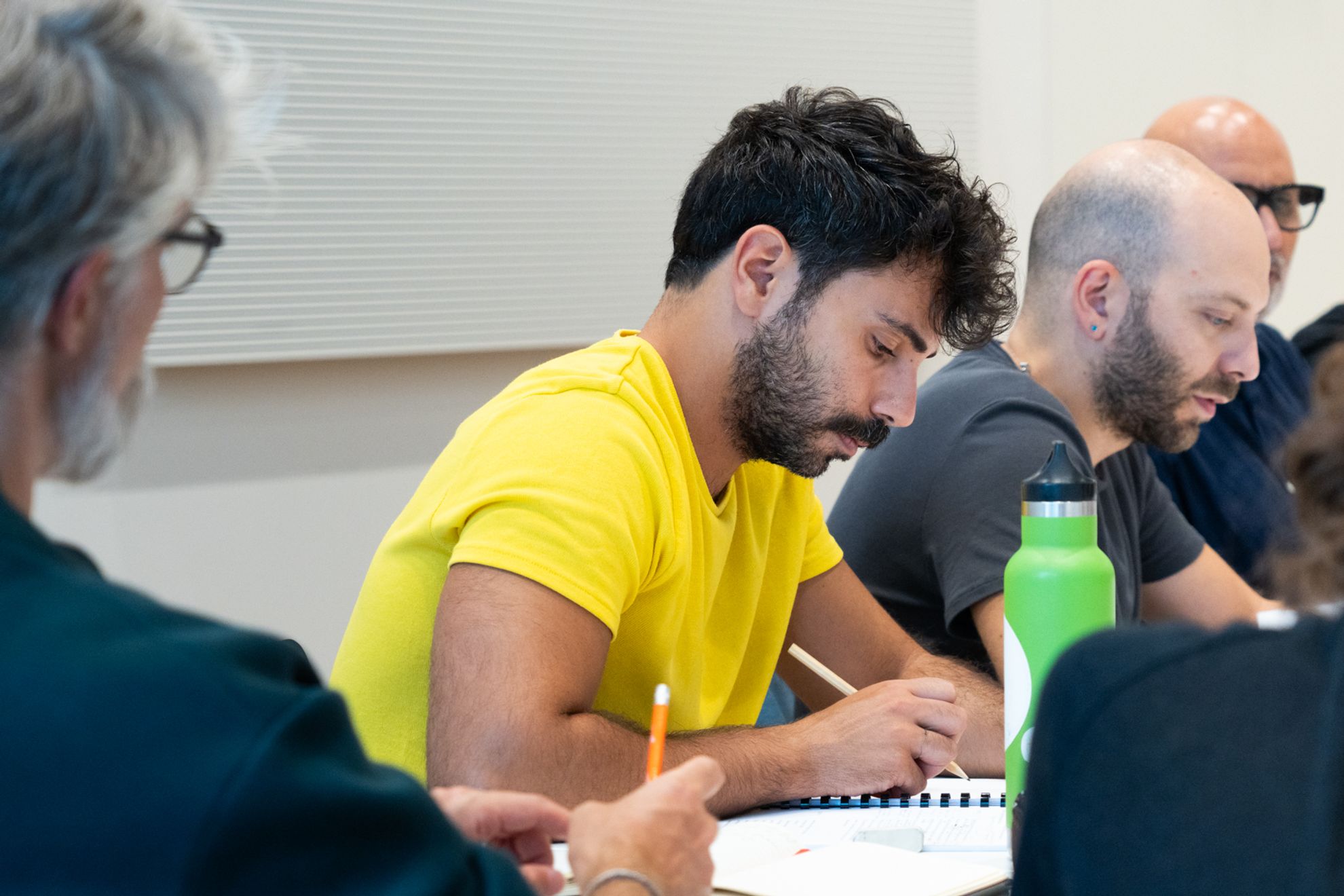
Prove a tavolino
Partner di produzione

Sponsor stagione prosa



La replica di Vicenza è sostenuta da