

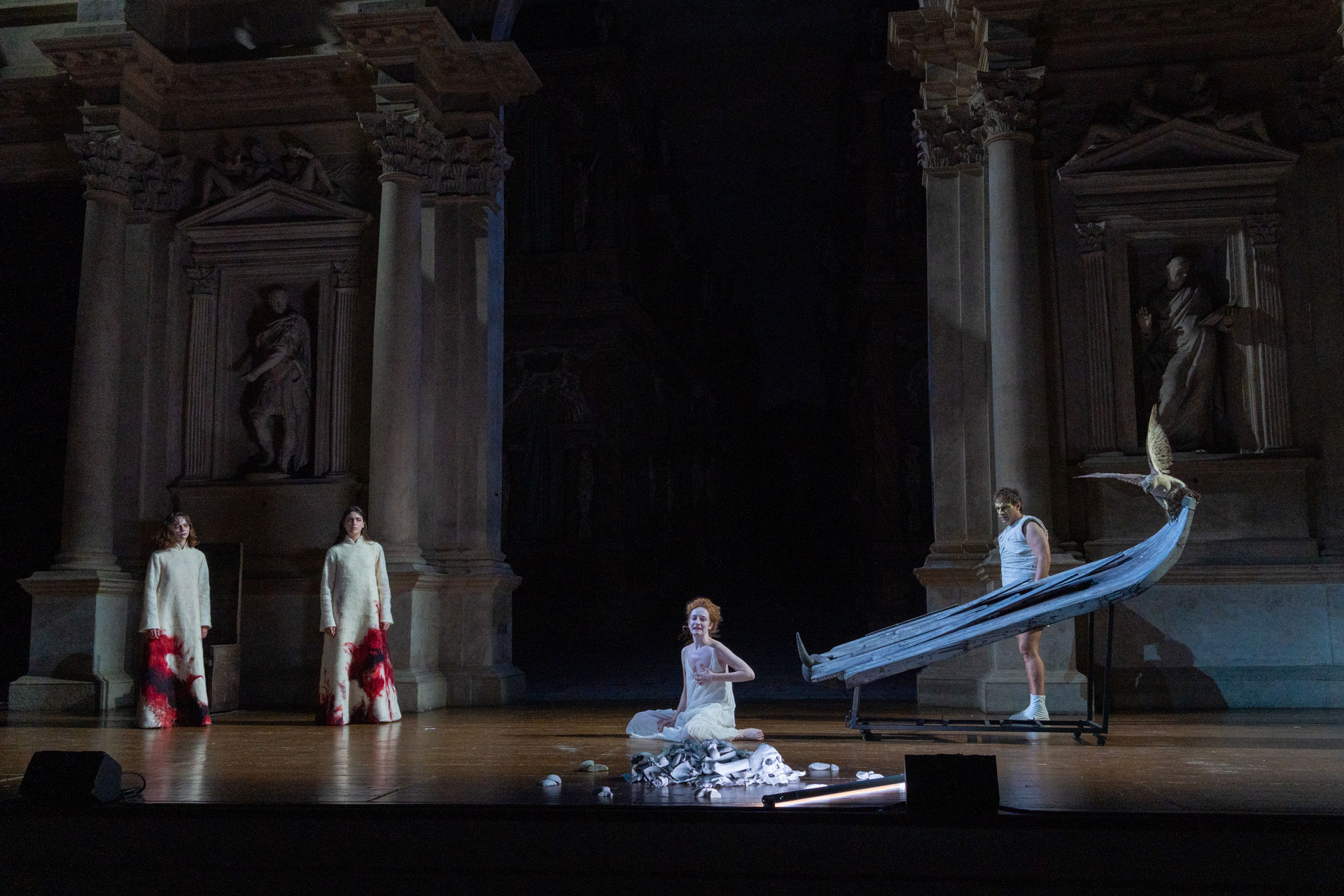


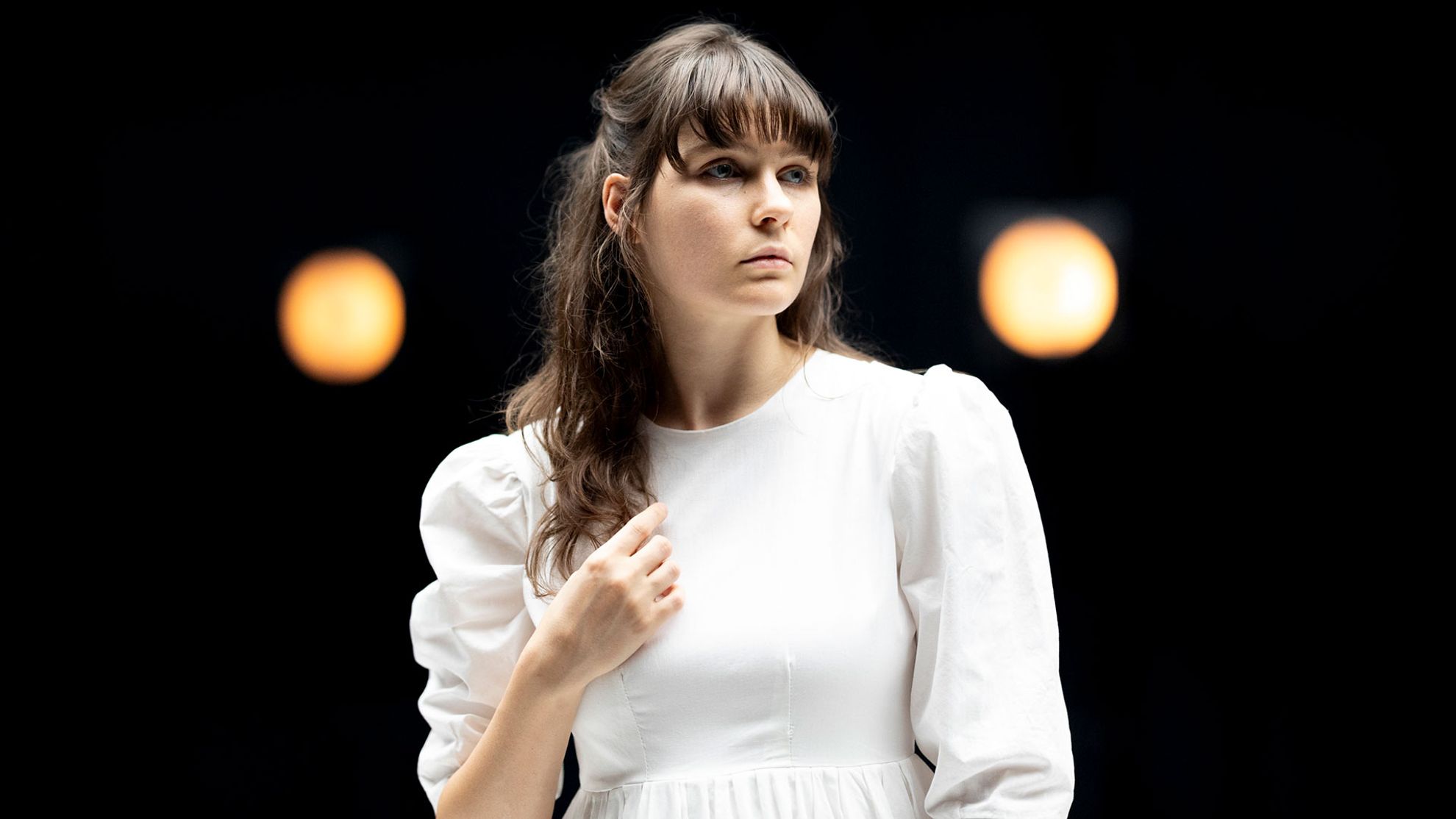
Inspired by the novel of the same name by German writer Frank Wedekind, *Mine-Haha* explores the development of the female body, emphasizing the relationship between the gaze, the body, and education.
Mine-Haha
Or, On Physical Education for Girls
Frank Wedekind / Marco Corsucci / Matilde Bernardi
Advance Sales
50'
LAC+ members have first refusal starting December 1.
Sales open to the general public starting December 8.
Teatrostudio
CHF 25
Tue 06.04
20:00
Wed 07.04
20:00
Mine-Haha
Or, On Physical Education for Girls
Frank Wedekind / Marco Corsucci / Matilde Bernardi
Advance Sales
50'
LAC+ members have first refusal starting December 1.
Sales open to the general public starting December 8.
Teatrostudio
CHF 25
Tue 06.04
20:00
Wed 07.04
20:00
The novel is presented by its author as a manuscript titled *Mine-Haha*, which was given to him by his roommate, the 84-year-old retired teacher Helene Engel, who had committed suicide about three weeks earlier by jumping out of a window. A fictional memoir that traces the woman’s life from her earliest childhood through adolescence.
In an exhibition setting, the body of the person on stage becomes the terrain for exploring the power dynamics between the viewer and the viewed, by focusing on the role of the spectator.
“Drawing on Wedekind’s novel,” say Marco Corsucci and Matilde Bernardi, “the project aims to problematize the act of looking, highlighting its relationship to power and to the masculine. The work explores how the shaping of a female body can be determined by the male gaze.”