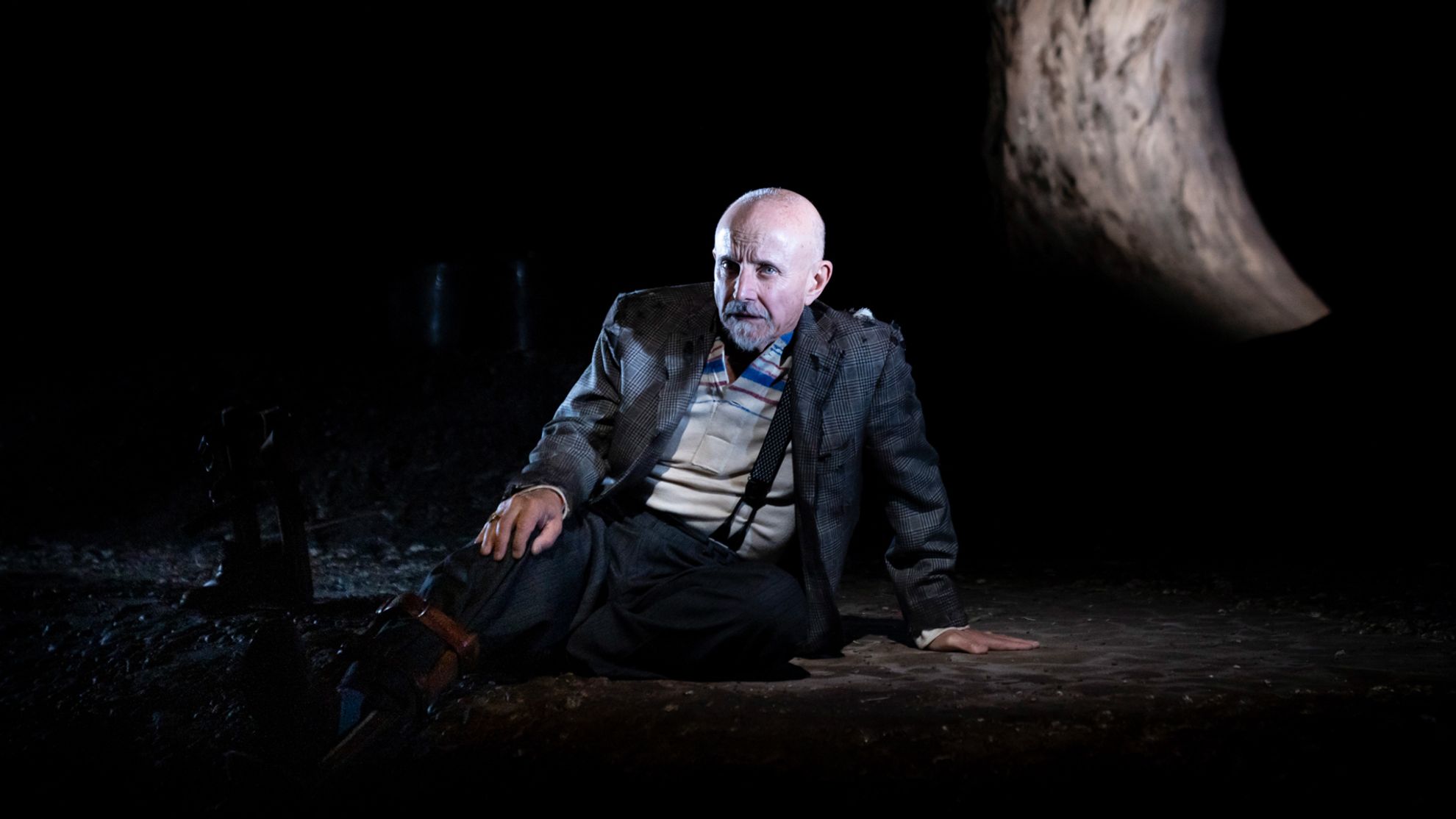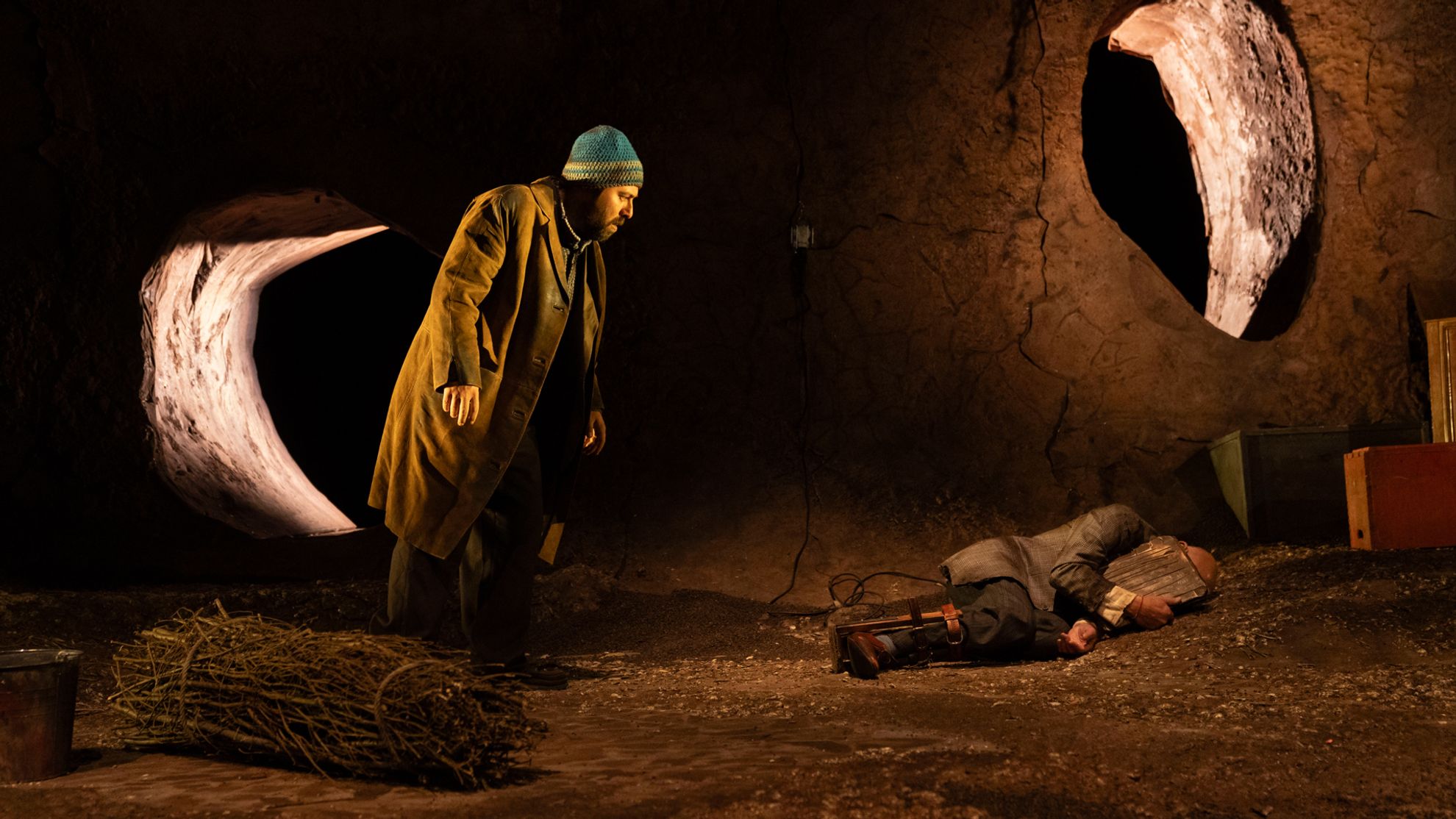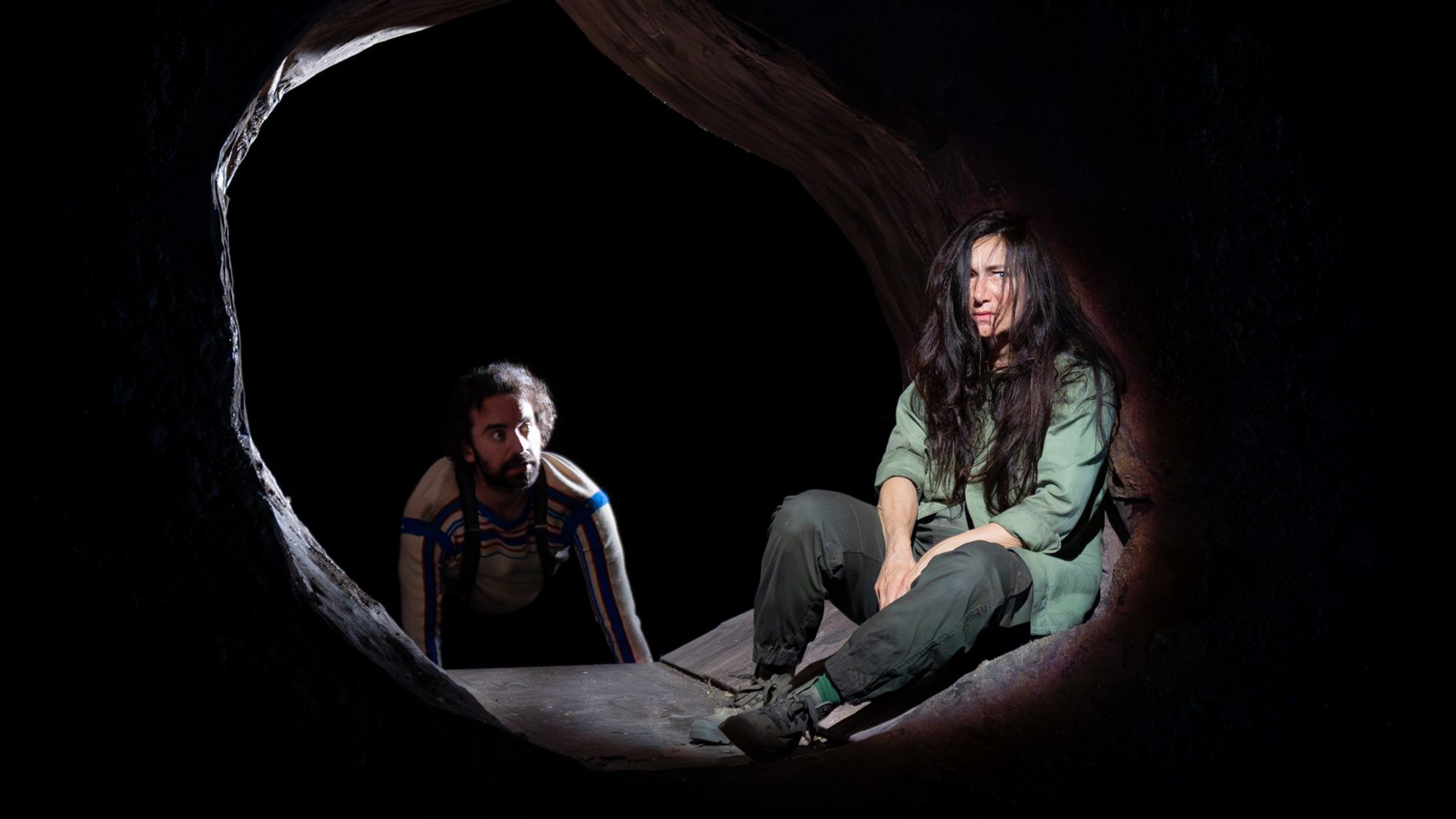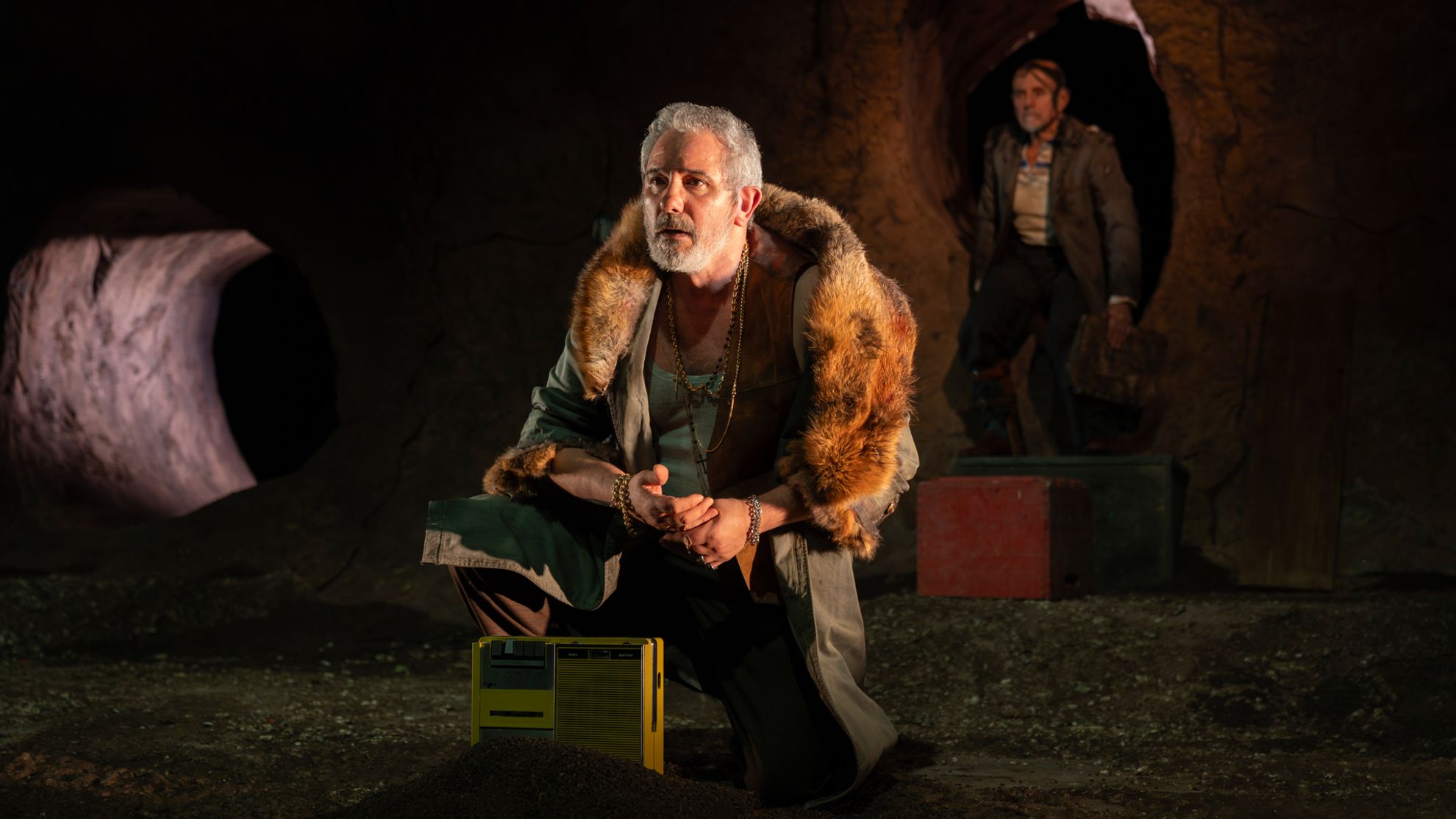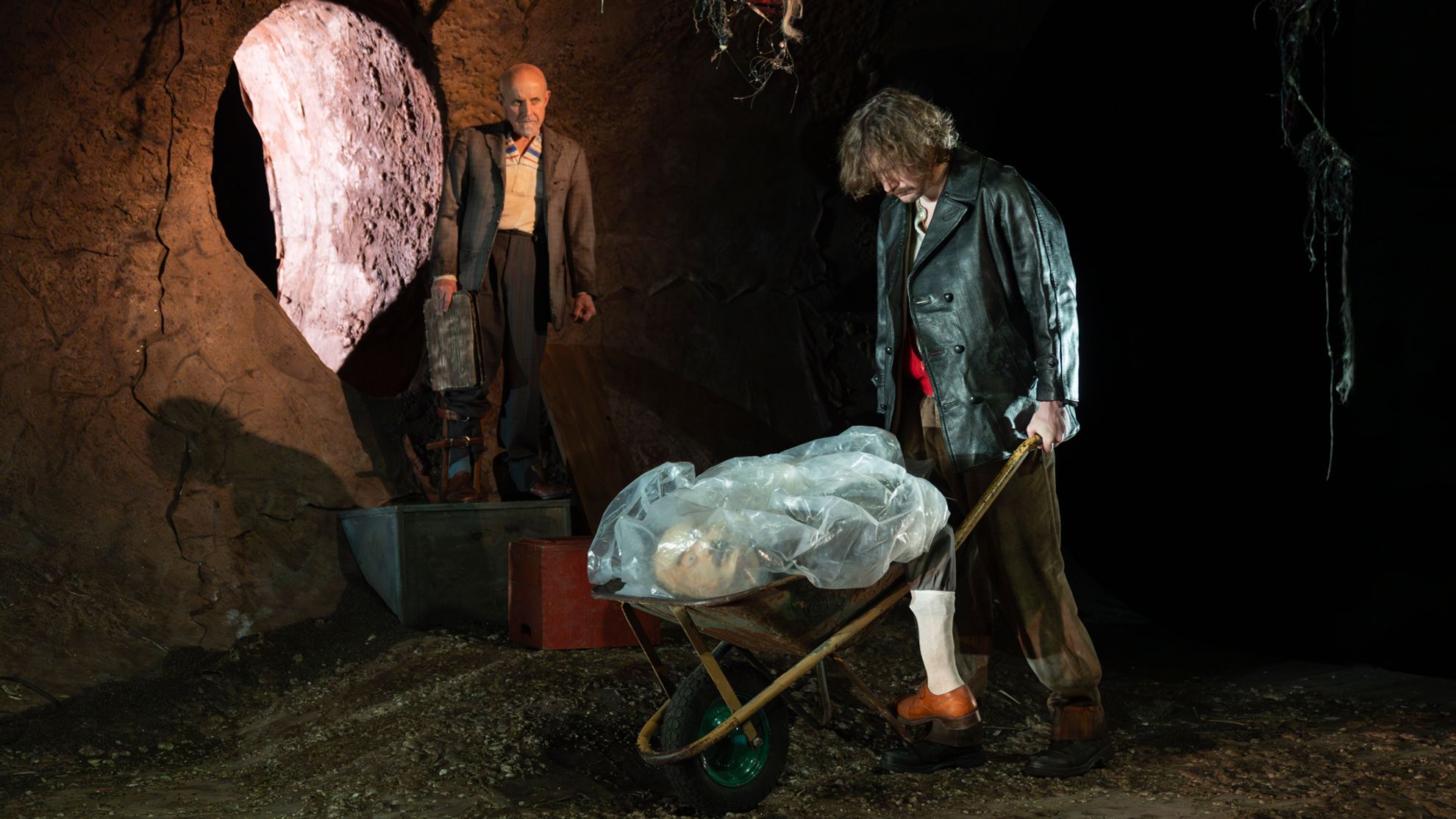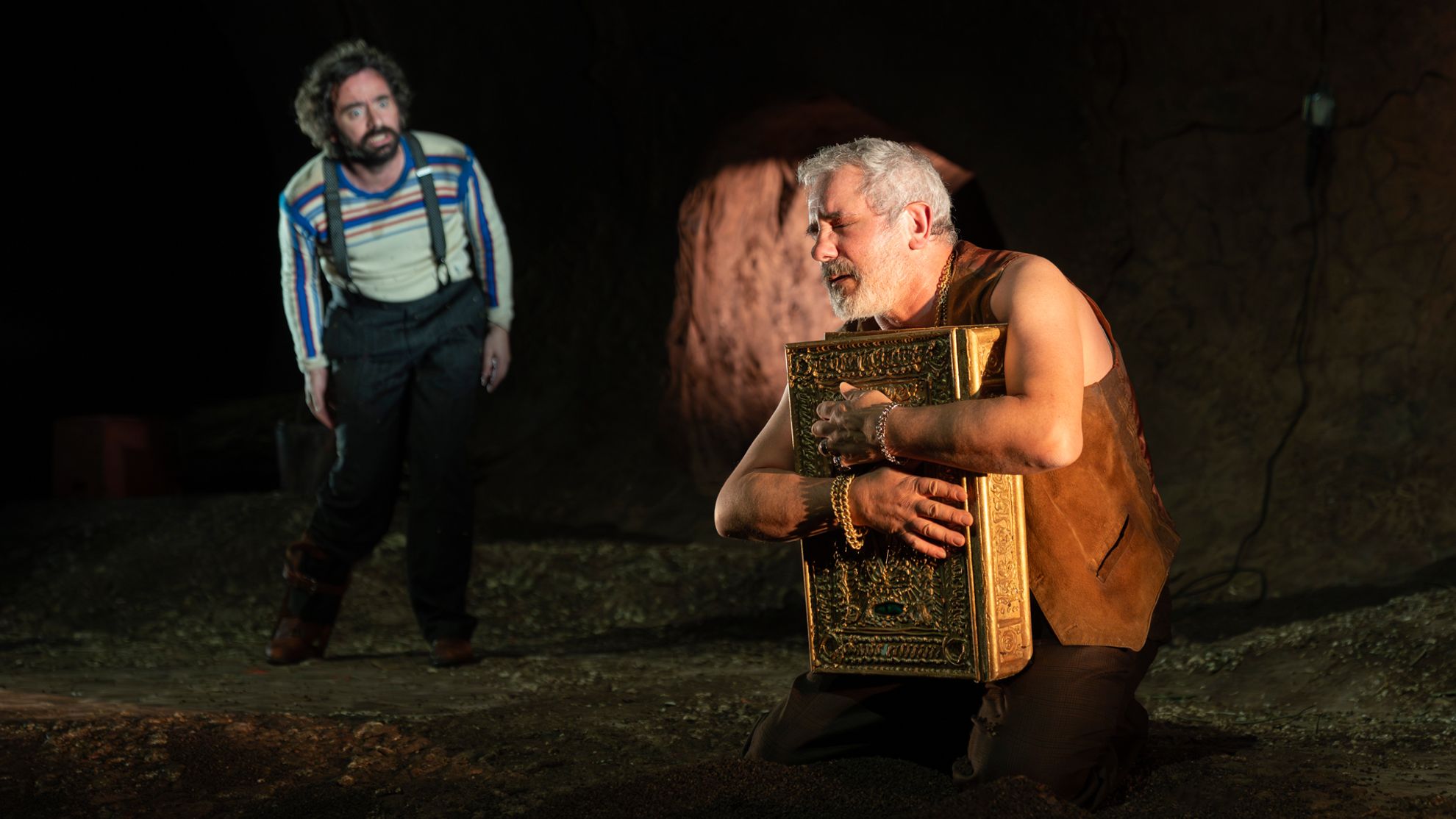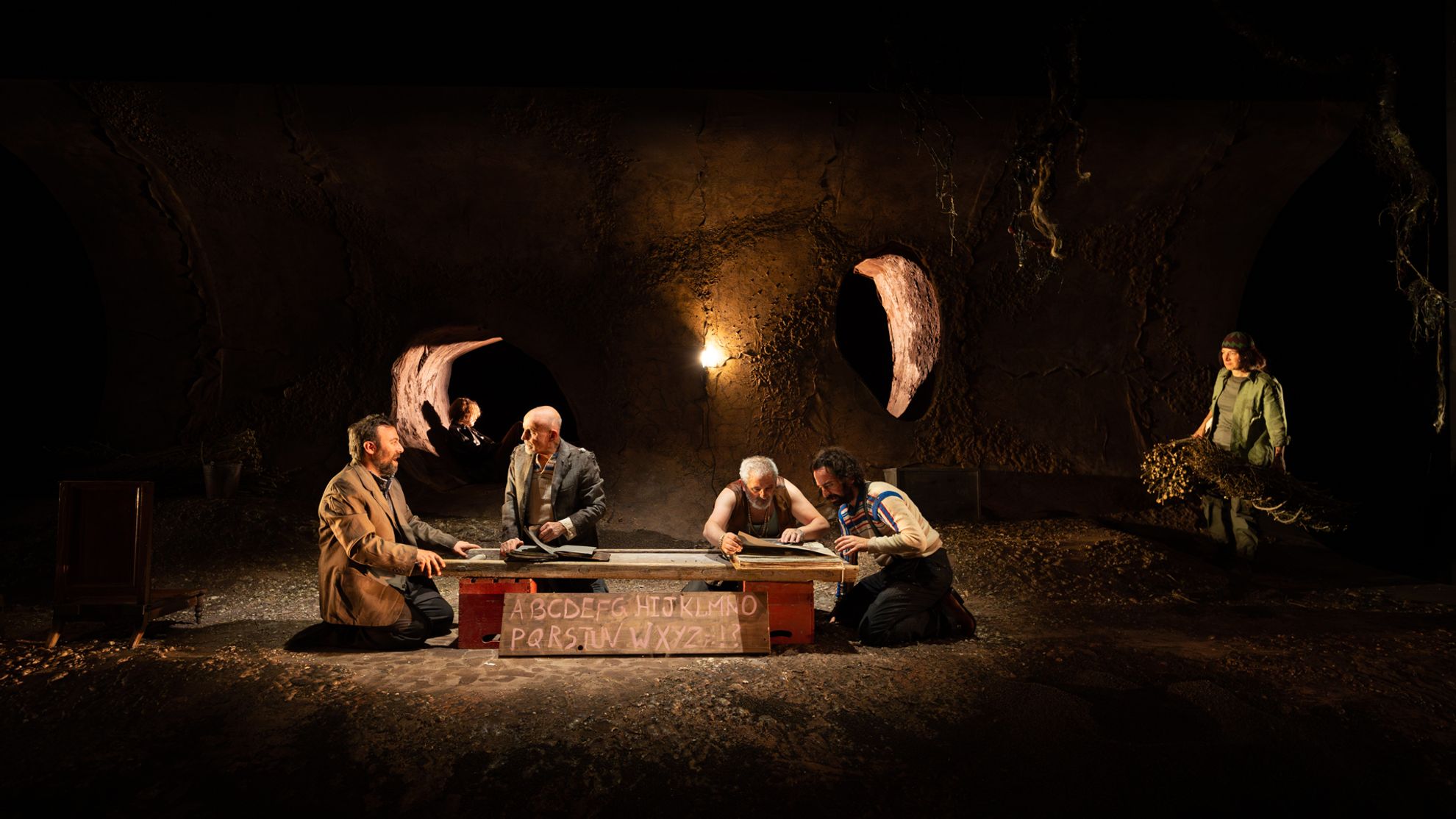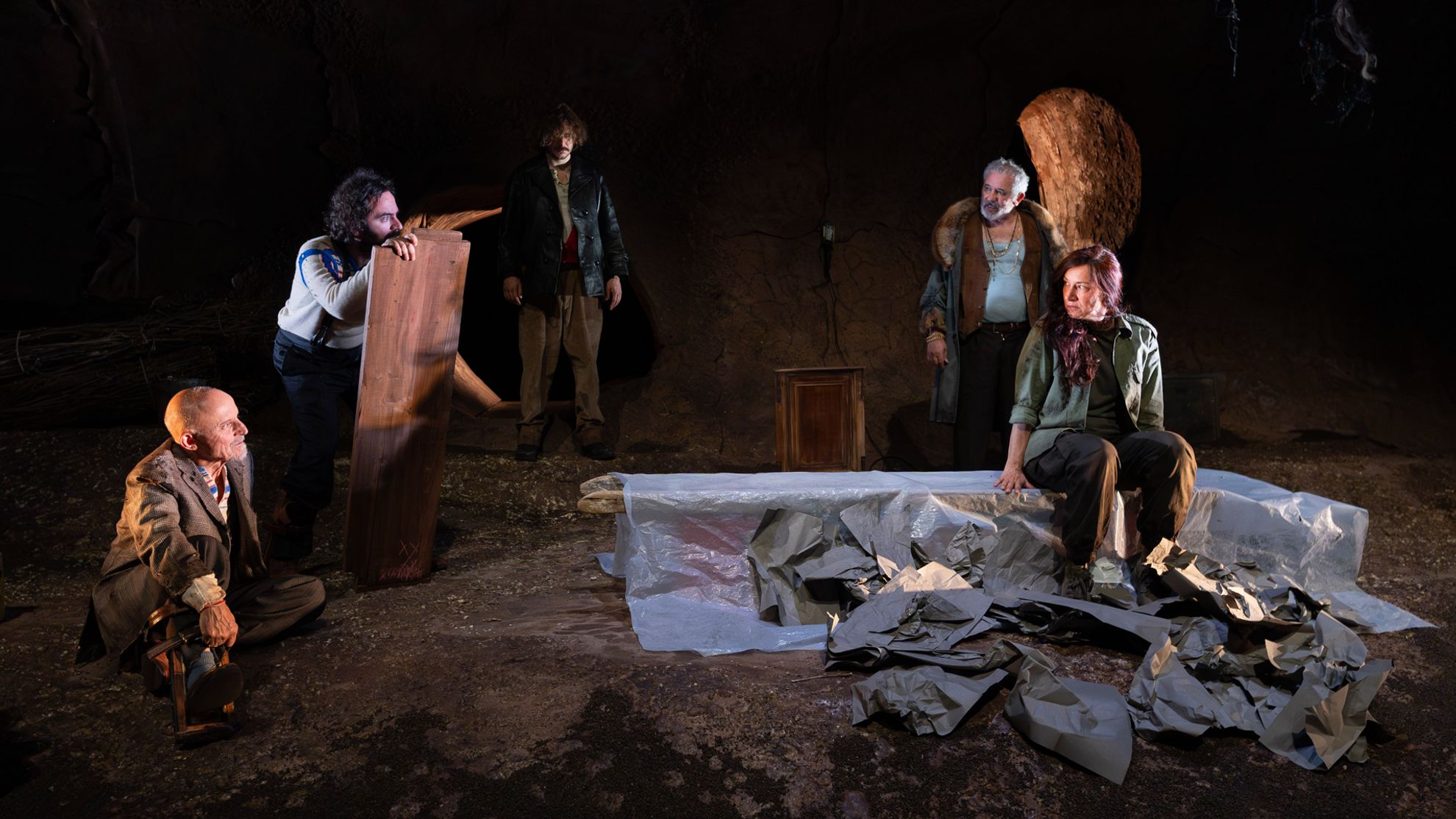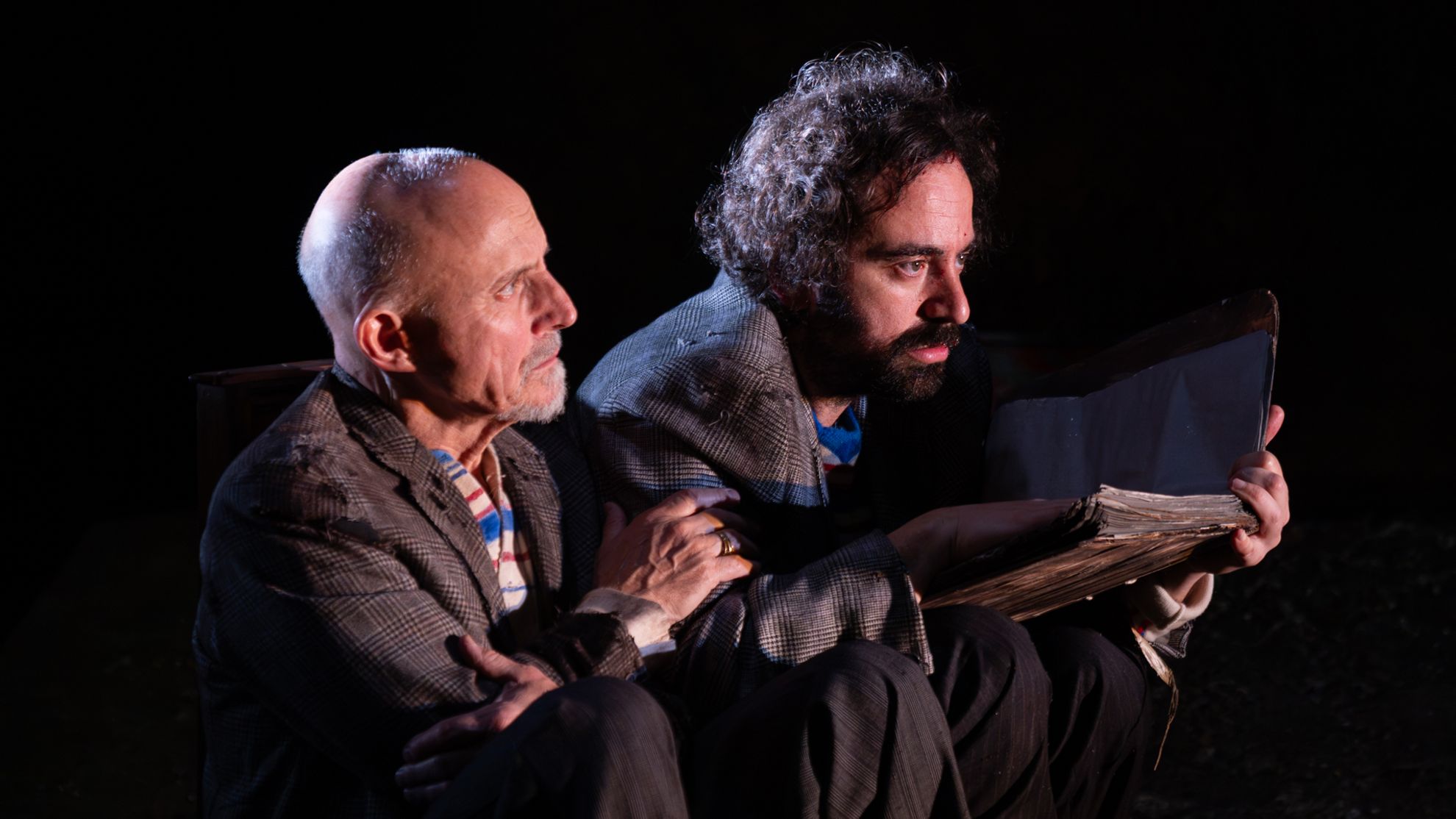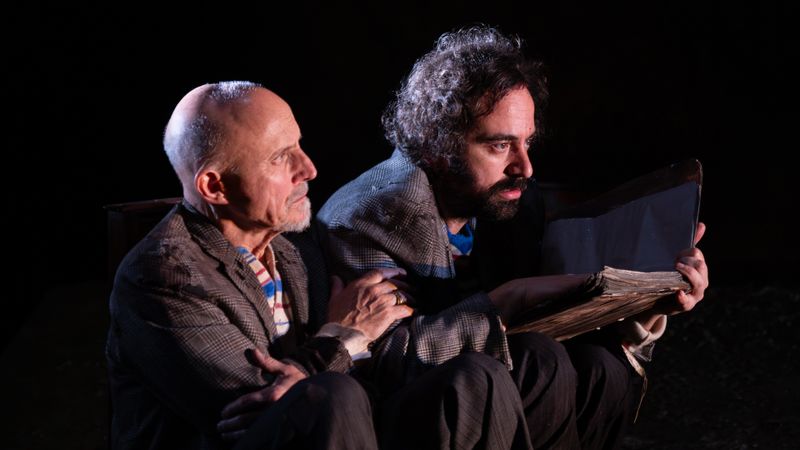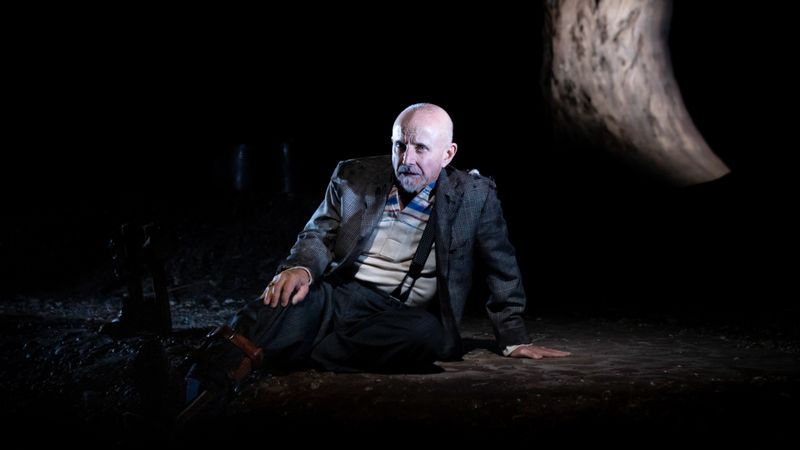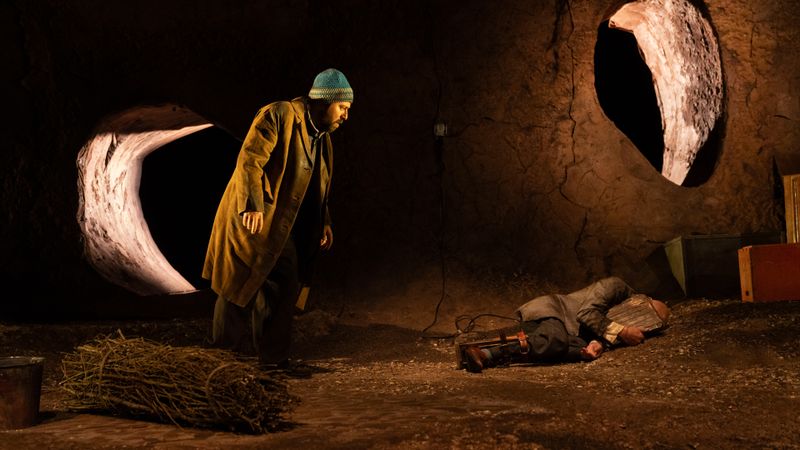
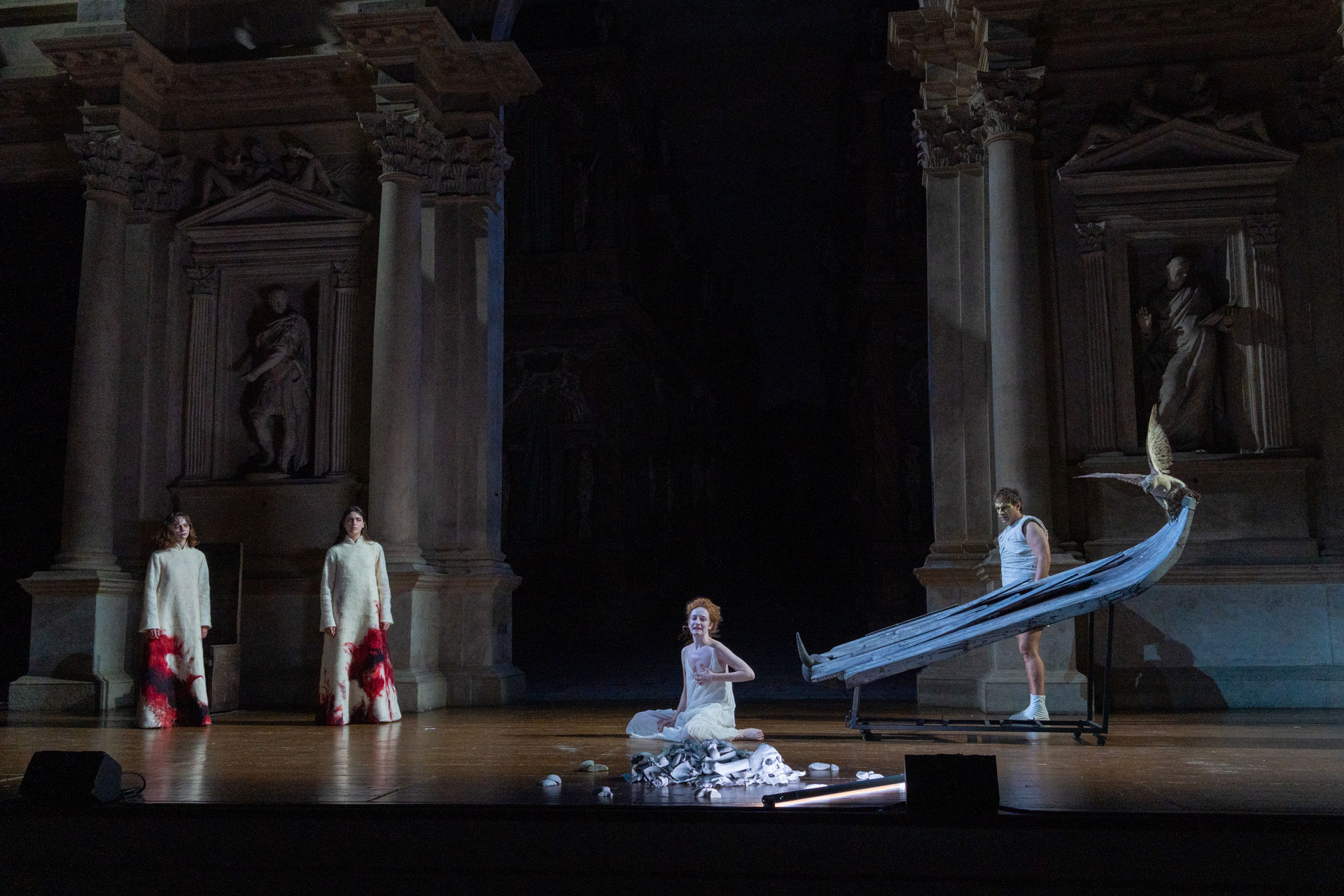


With *I miei stupidi intenti*, adapted from the novel of the same name by Bernardo Zannoni, winner of the 2022 Campiello Prize, the VicoQuartoMazzini theater company continues its exploration of contemporary Italian literature by delving into a world populated by animals who seek God and then reject Him, who dream of becoming human and ultimately choose to remain beasts.
I miei stupidi intenti
Bernardo Zannoni / VicoQuartoMazzini / Giuseppe Cederna

1 hour 40 minutes
Sala Teatro
Past event
14 April 2026
20:00
World premiere
14.04.2026
LAC, Lugano
Tournée
29–31.01.2027
Teatro del Giglio – Lucca, Italia
22–24.01.2027
Teatro Piccinni / Teatro Pubblico Pugliese – Bari, Italia
15–20.12.2026
Teatro Carignano / Teatro Nazionale di Torino, Italia
02–06.12.2026
Teatro Studio Melato / Piccolo Teatro - Milano, Italia
24–29.11.2026
Teatro Studio Melato / Piccolo Teatro - Milano, Italia
18–22.11.2026
Teatro Morlacchi – Perugia, Italia
29–30.04.2026
Teatro Verdi, Pordenone
21–26.04.2026
Teatro Gustavo Modena, Genova
17–19.04.2026
Teatro degli Impavidi, Sarzana
I miei stupidi intenti
Bernardo Zannoni / VicoQuartoMazzini / Giuseppe Cederna
1 hour 40 minutes
Sala Teatro
Past event
14 April 2026
20:00
World premiere
14.04.2026
LAC, Lugano
Tournée
29–31.01.2027
Teatro del Giglio – Lucca, Italia
22–24.01.2027
Teatro Piccinni / Teatro Pubblico Pugliese – Bari, Italia
15–20.12.2026
Teatro Carignano / Teatro Nazionale di Torino, Italia
02–06.12.2026
Teatro Studio Melato / Piccolo Teatro - Milano, Italia
24–29.11.2026
Teatro Studio Melato / Piccolo Teatro - Milano, Italia
18–22.11.2026
Teatro Morlacchi – Perugia, Italia
29–30.04.2026
Teatro Verdi, Pordenone
21–26.04.2026
Teatro Gustavo Modena, Genova
17–19.04.2026
Teatro degli Impavidi, Sarzana
A young weasel became lame while hunting for three robin eggs. Her mother no longer needed her and decided to sell her for the paltry price of one and a half chickens. An old, money-grubbing fox bought her and decided to reveal her greatest secret: a sacred book, the word of God.
Through the revelation of the word and language, the weasel discovers the perception of time and its paradoxes: the pitfall and consolation of memory, the liberation and the abyss of death. The power of writing and reading becomes both the cause and the remedy, the balm and the wound, the lightness and the oppression.
It is the parable of an animal that tries to draw closer to God, fails, and tries again; of a creature with the foolish intention of trying to be more than it is.
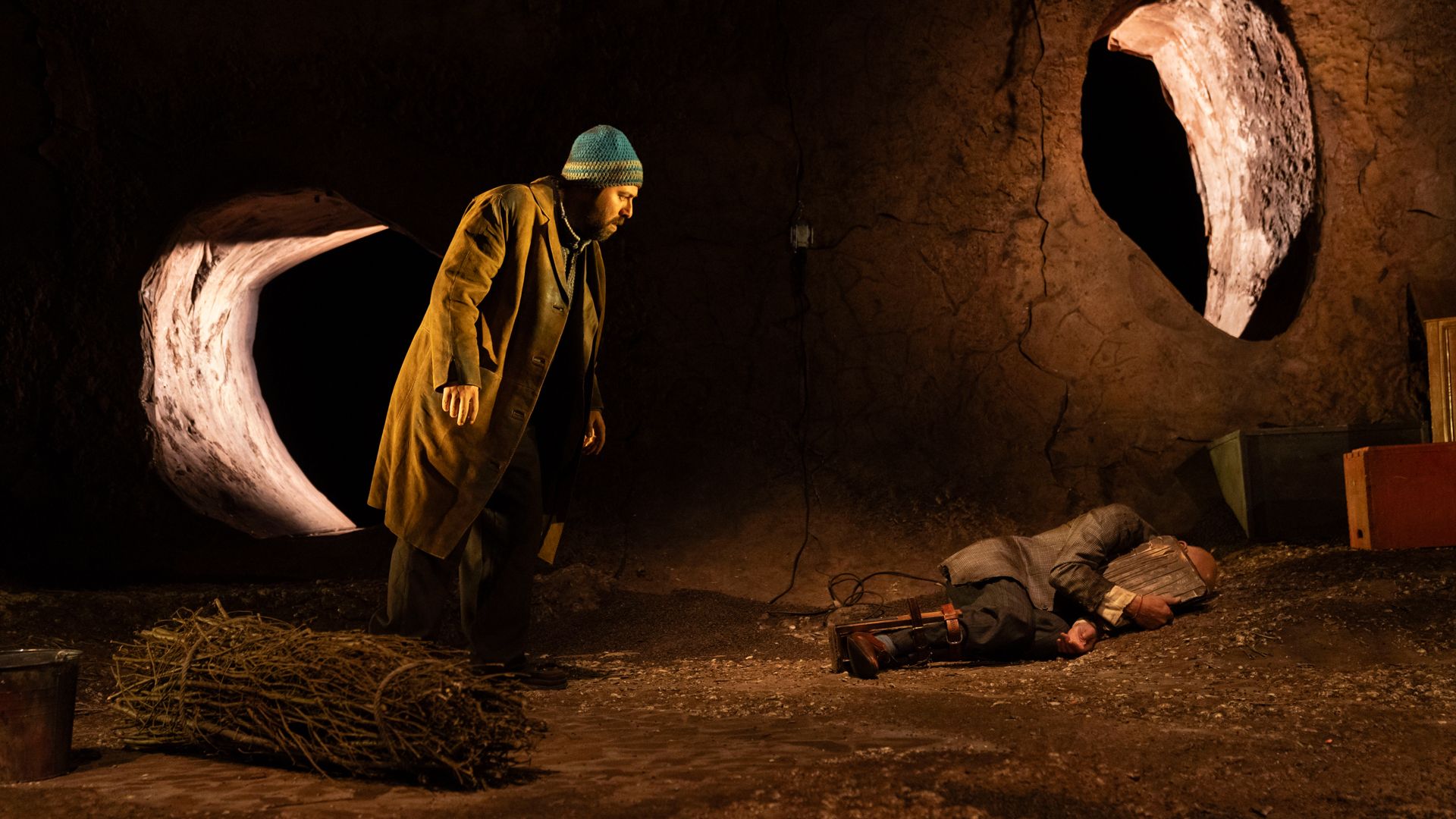
I miei stupidi intenti
Foto di scena
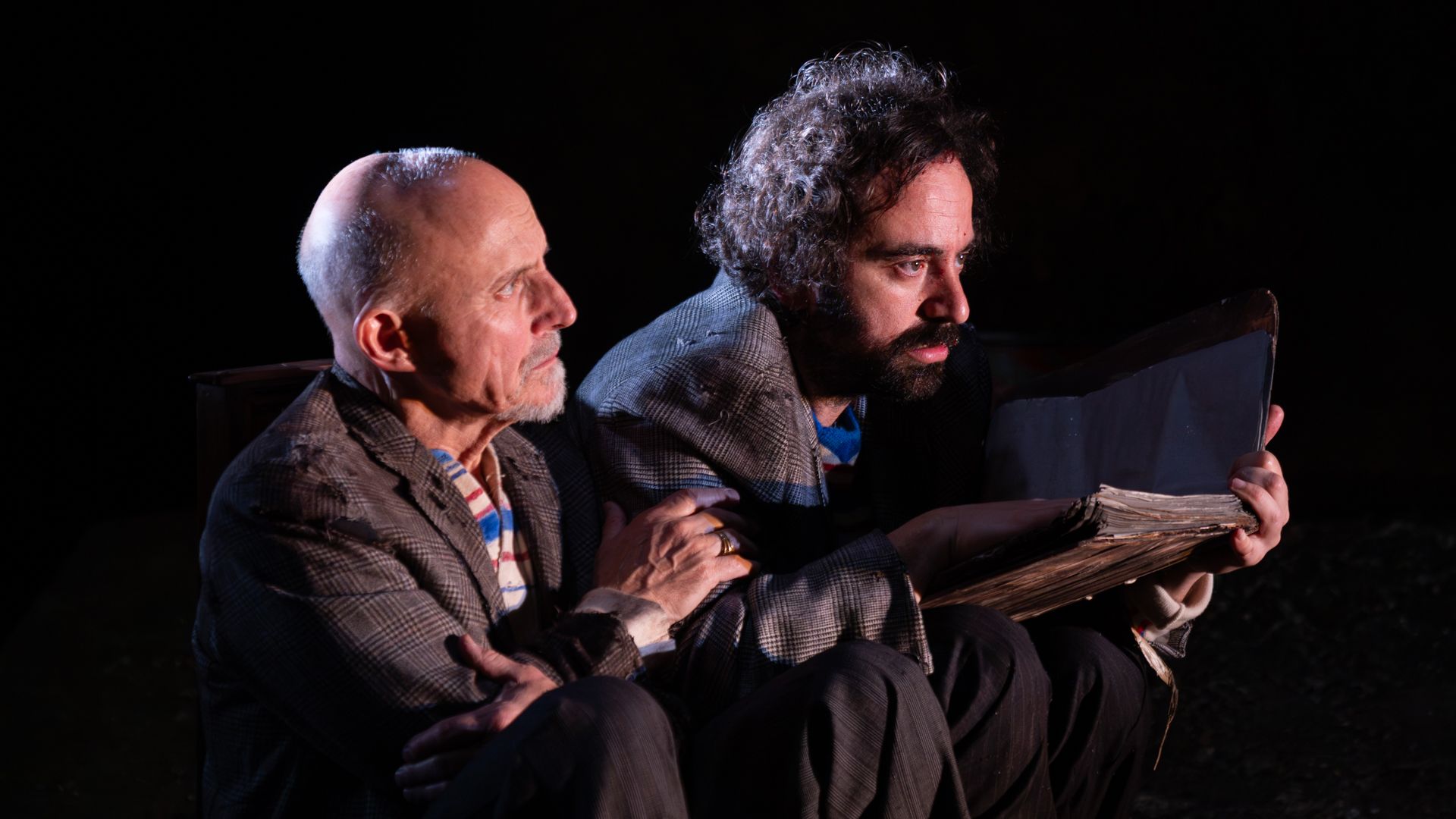
I miei stupidi intenti
Intervista a Michele Altamura e Gabriele Paolocà
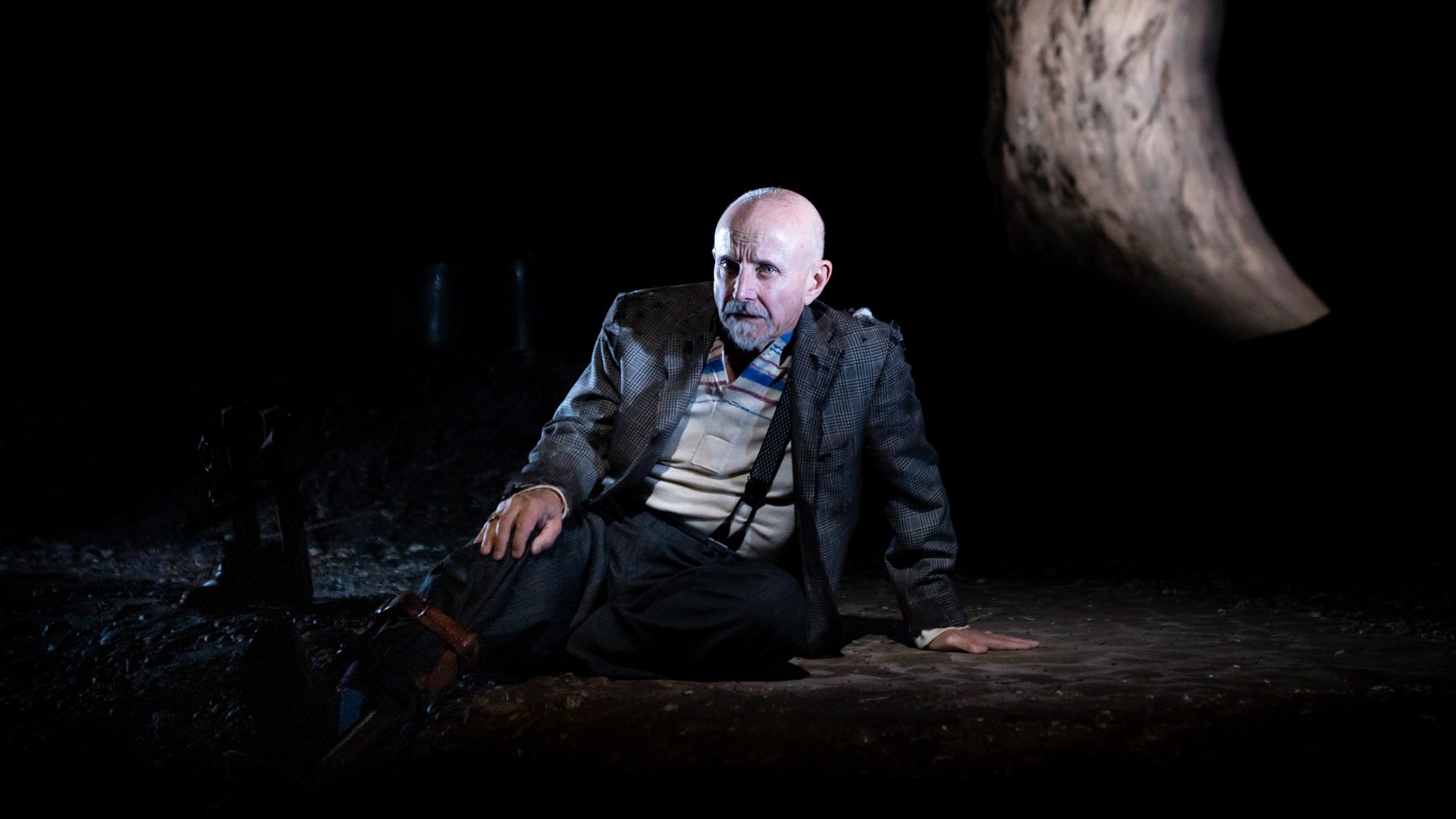
I miei stupidi intenti
Intervista a Giuseppe Cederna
Partner di produzione

Partner stagione prosa



Con il patrocinio di