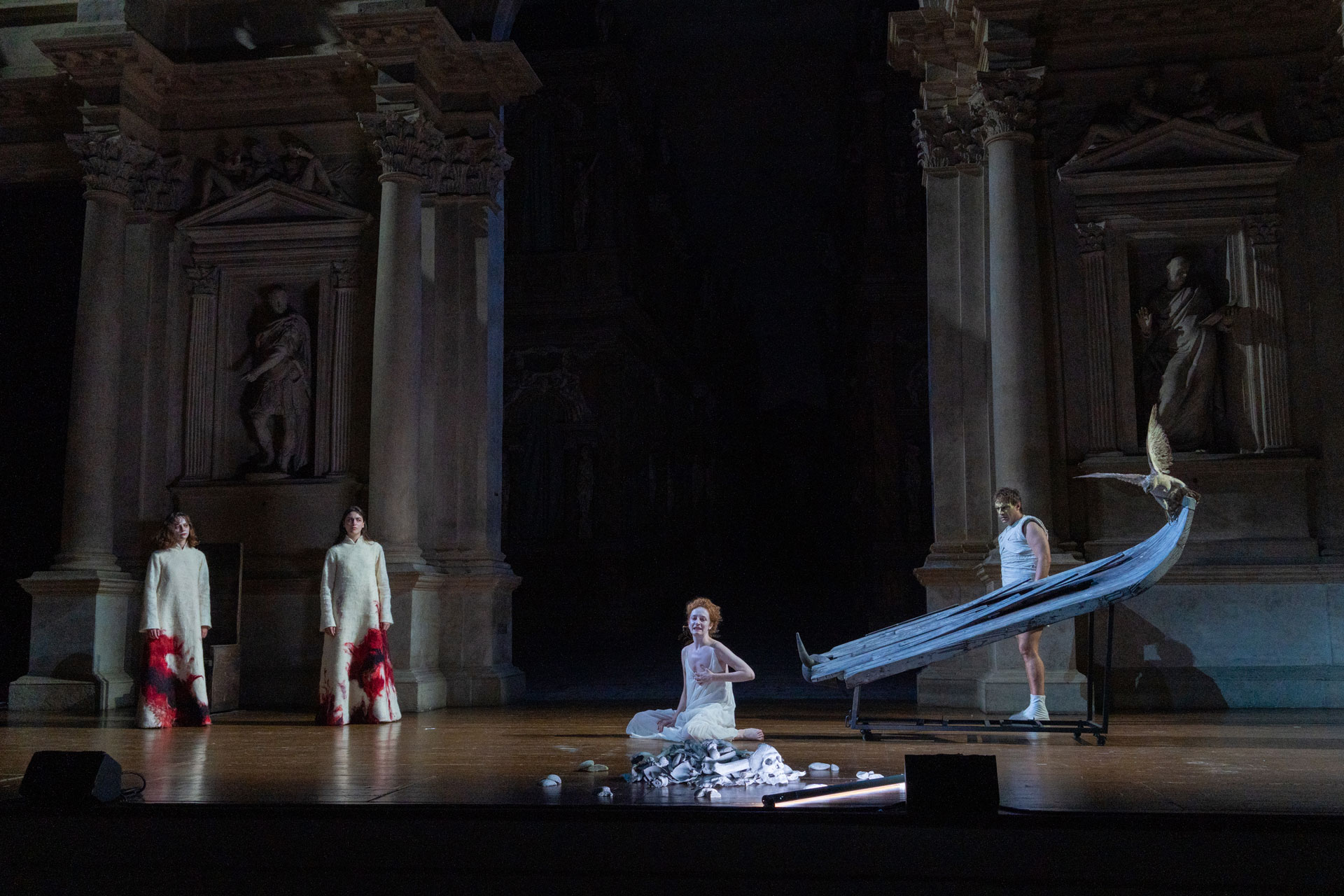
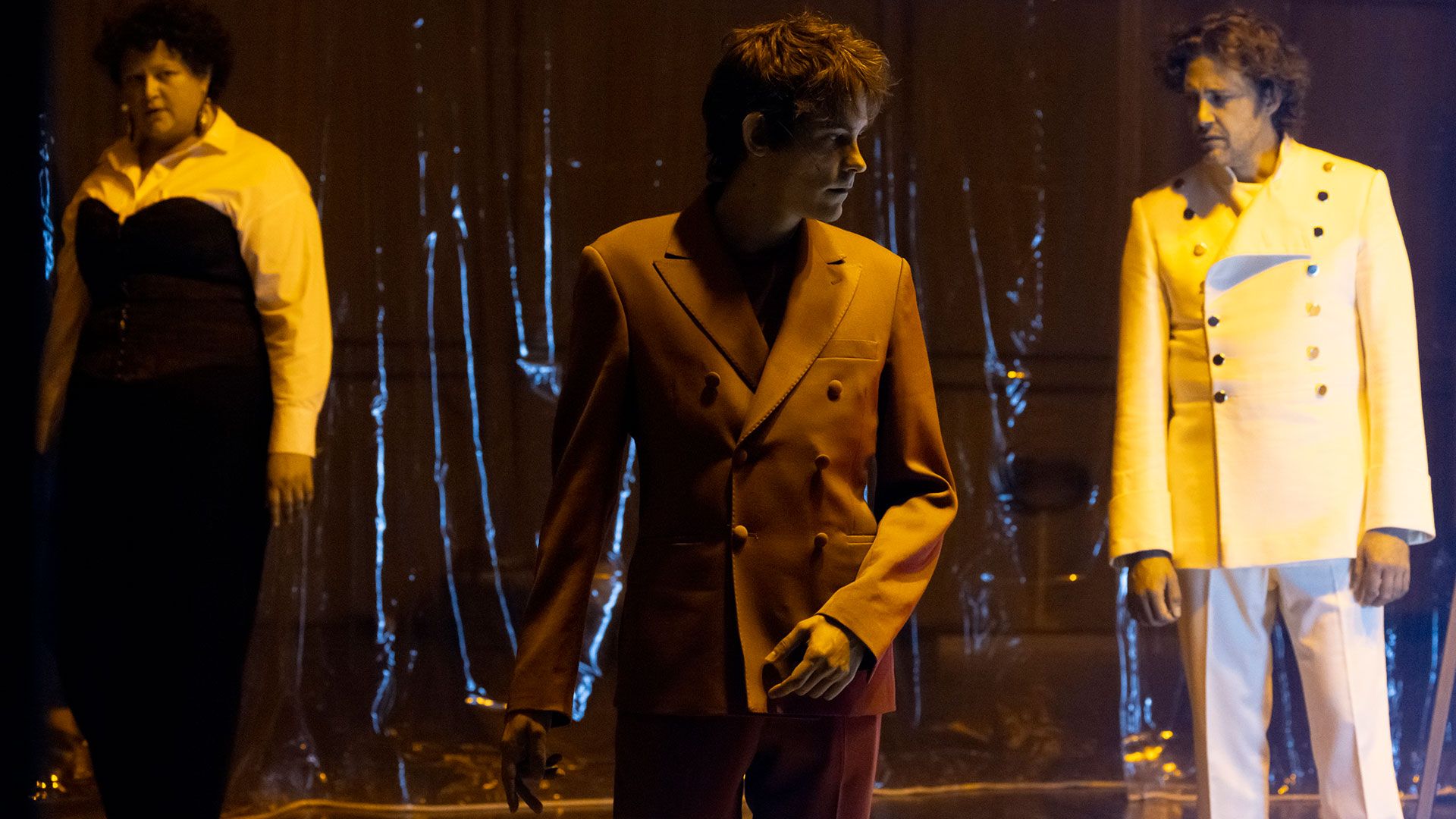
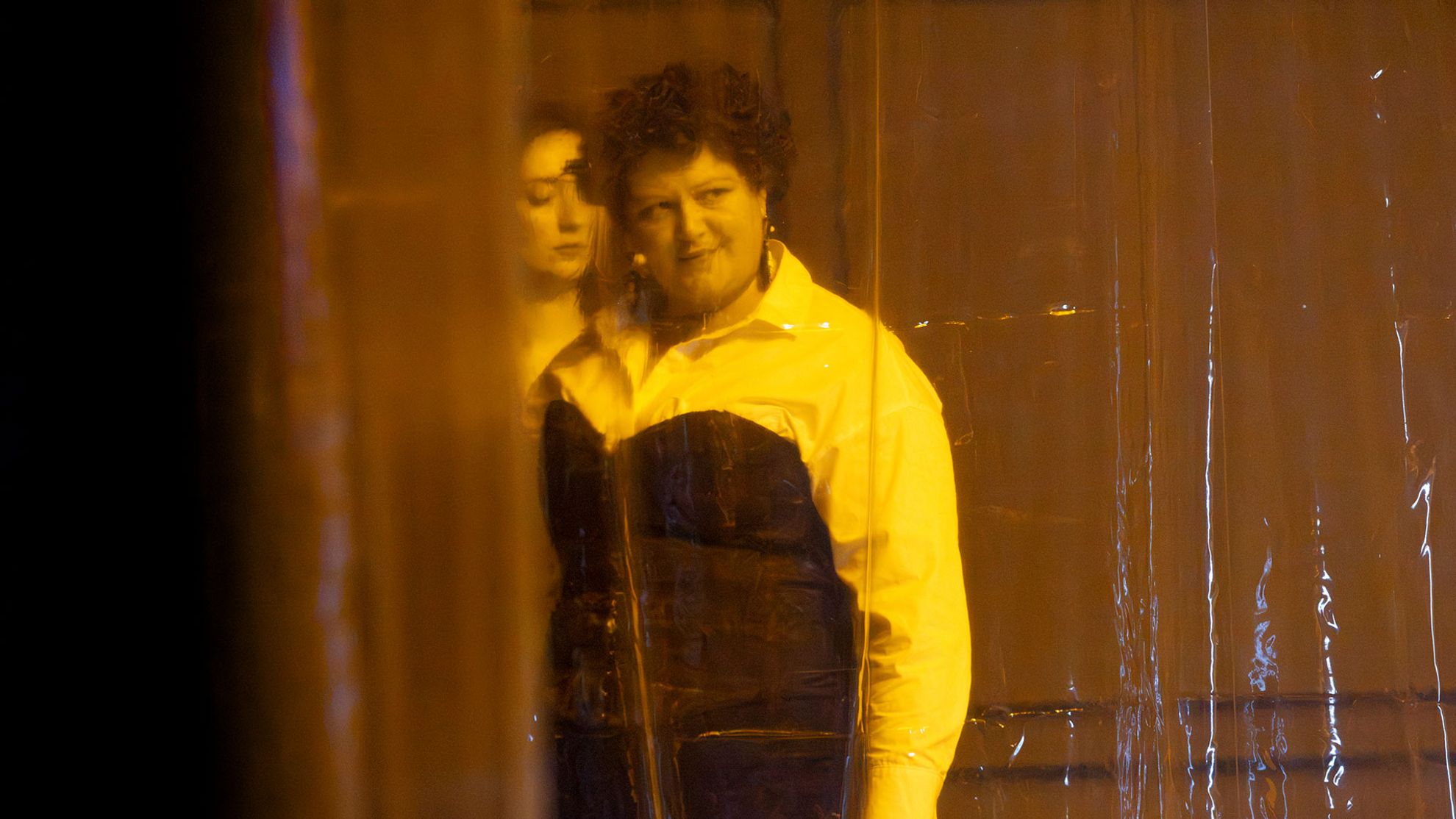
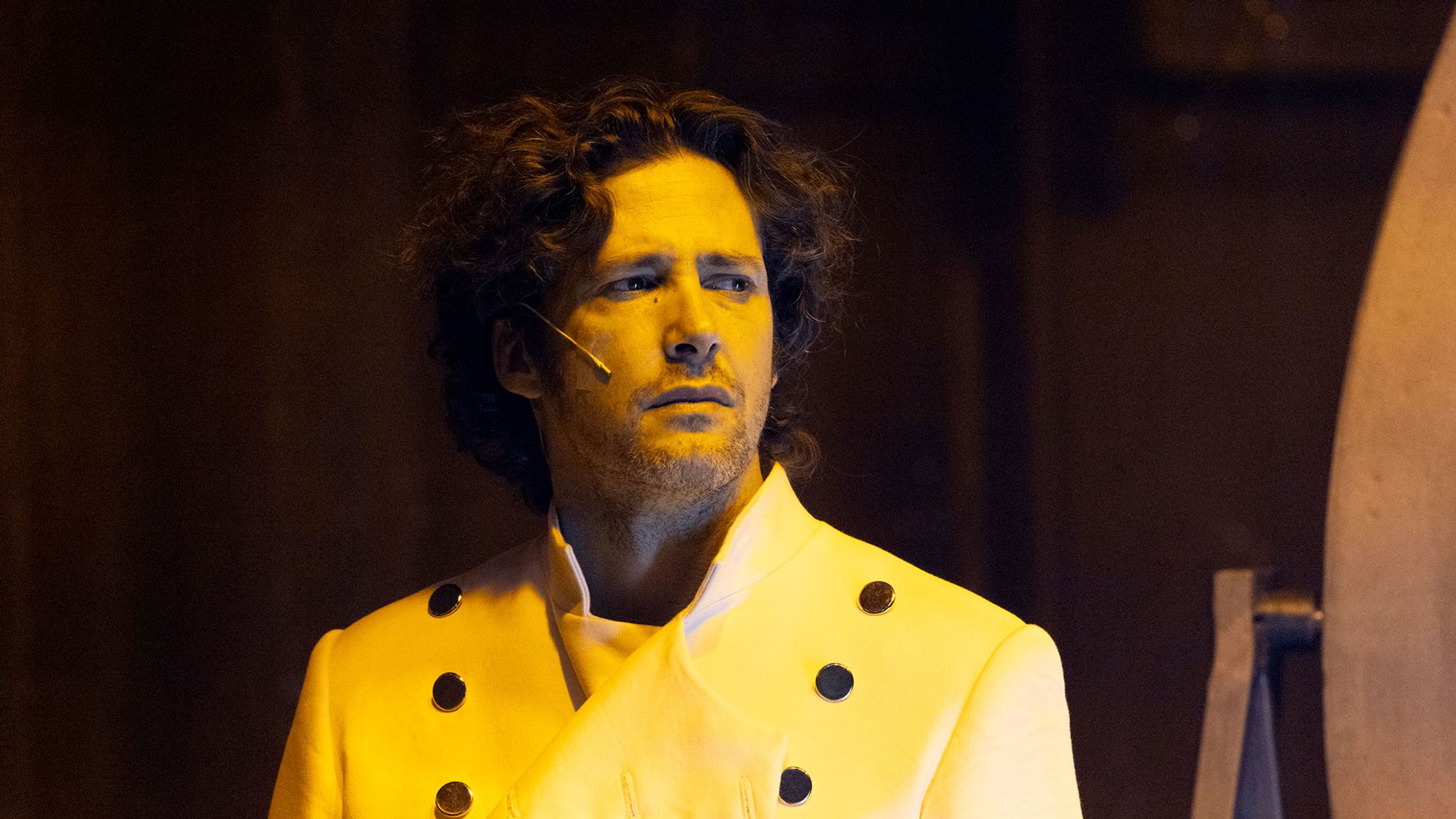
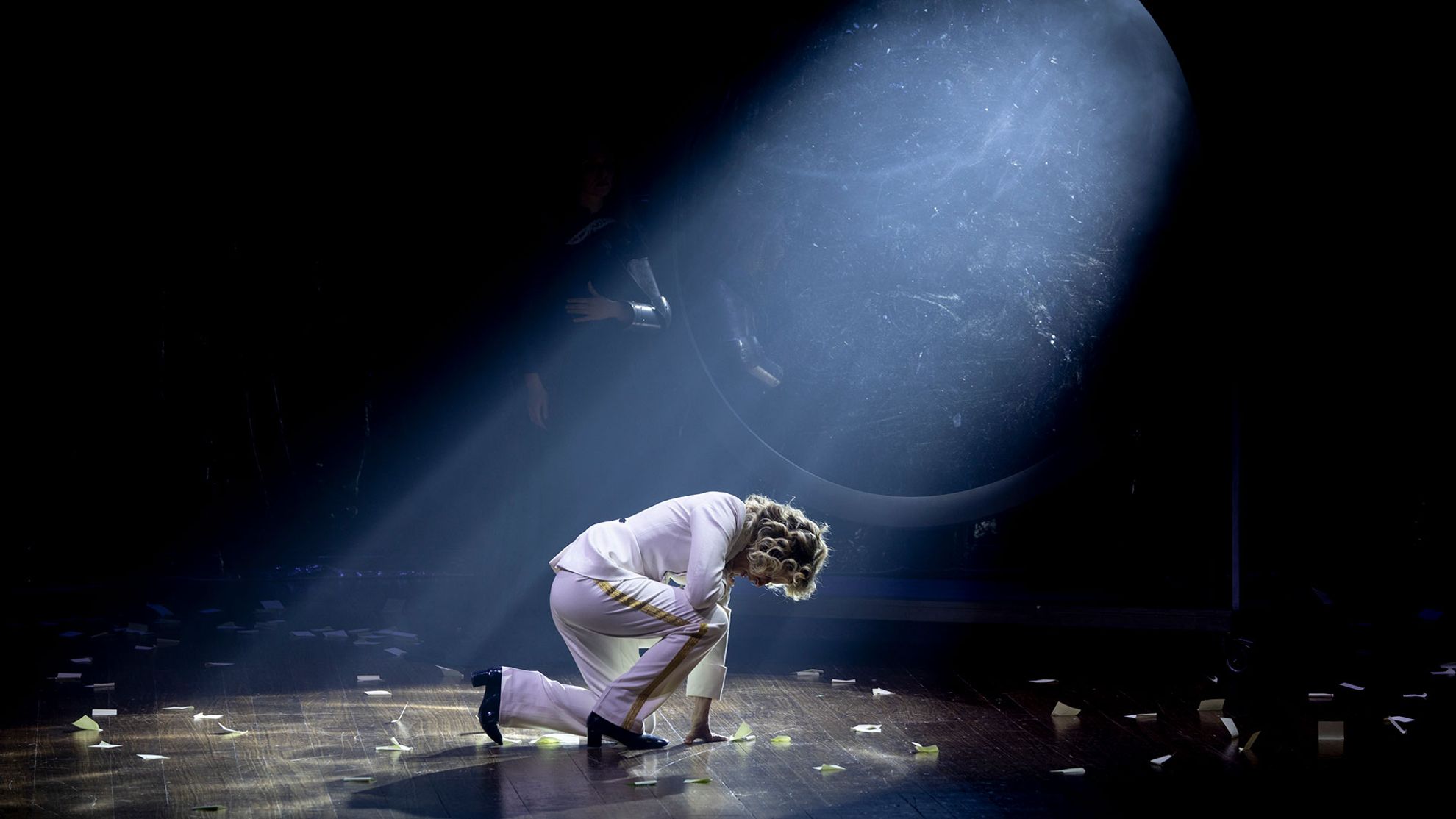
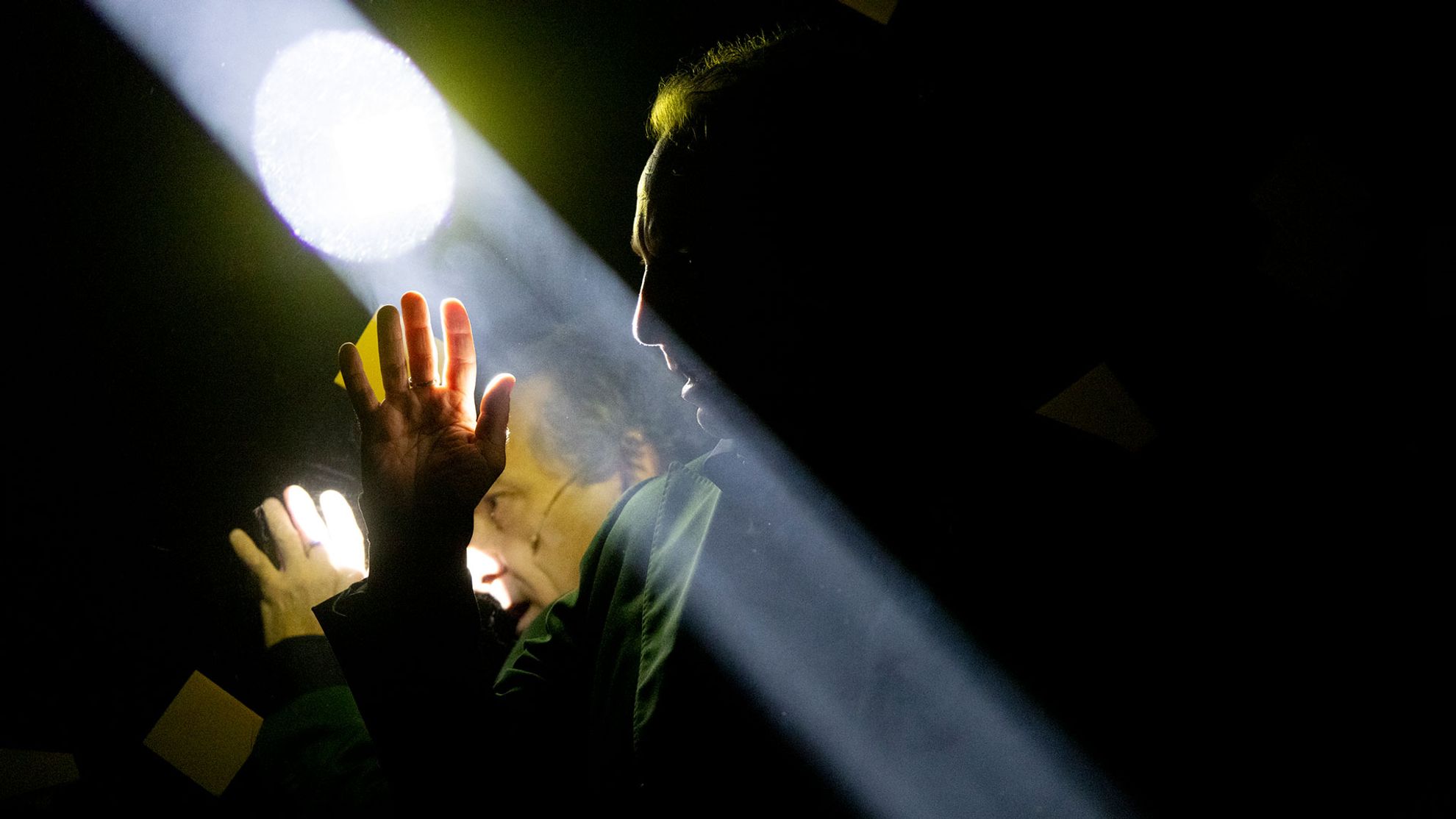
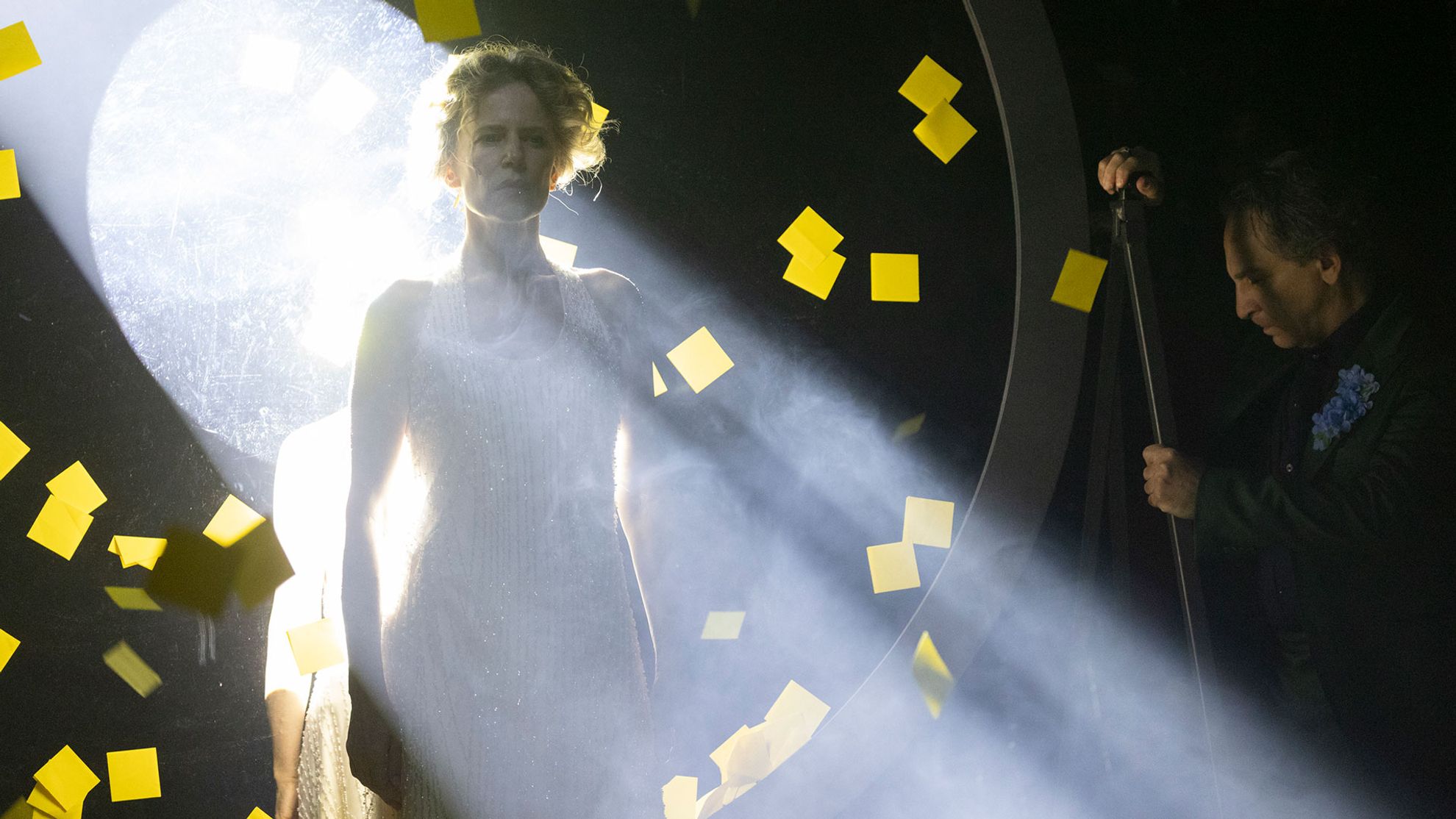
Oscar wakes up in a meadow shrouded in morning fog and realizes he can’t remember what he did the day before. Confused, she calls her inseparable friend André to help her piece together what happened, and when he appears, they embark on a journey through the hazy, shaky recesses of memory. We are in France in 1789, with the Revolution just around the corner. Oscar is wounded—perhaps more than she cares to admit—so much so that she confuses her own wound with that of her companion, and she cannot remember what happened the day before on the barricades. From the very beginning, Oscar realizes that for an accurate—and therefore truthful—reconstruction, she must enlist the help of key figures, those who might know what happened on that fateful “yesterday.” After André—with whom she has shared training and battles since childhood, as well as a bond that borders on love—and Queen Marie Antoinette, who leads her to discover the fragility of the crown in a France on the brink of collapse, Oscar meets: Count Fersen, the man who upsets the balance of power; the young Rosalie, the key to the world pulsing beyond the court; Jeanne, whose personal rise burns like a fuse, awakening the side of Oscar possessed by an unshakable sense of justice. Finally, her last encounter is with a man who “might be Robespierre,” leading Oscar to come to terms with her self-awareness. Each encounter reveals a fragment of that lost day, until it brings her to the moment when, facing the crowd marching toward the Bastille, she must choose which side to take. As she pieces together, step by step, the path that led her to that moment, the major themes of a woman’s inner life emerge through her reflections on the people she has met: the sense of loyalty that led her to become commander of Marie Antoinette’s guards, a mirror of her loneliness; the sense of sacrifice; her increasingly conscious awakening as she discovers her own body; and her conflicting feelings toward a father who shaped her life for better or for worse. As we retrace the echoes of these encounters, the story of her discovery of a world different from the one she had been accustomed to serving also unfolds in parallel: a world of poverty, of struggling to make ends meet, of bowls of soup with vegetables floating on top, while at court there are those who gorge themselves even with war at the gates.
What happened yesterday? Oscar is there; he chooses to desert and leads his soldiers to fight alongside the citizens—men and women—who, like a river, surge toward the Bastille. Now she can remember everything: that her lifelong companion is dead, even though she continues to see him by her side, like a guiding specter. Faced with that void, she throws herself into battle in the name of freedom. This becomes her legacy for future generations: to give a voice to the voiceless, to help awaken a new perspective on the world, and to take a stand in defense of social redemption as well as individual freedom.
Linda Dalisi