One of the most acclaimed directors in Italian theater, Serena Sinigaglia brings to the stage *L’Empireo* by the great English playwright Lucy Kirkwood—a contemporary play set in the 18th century that addresses the fundamental issues in the lives of women throughout the ages.
The Empyrean
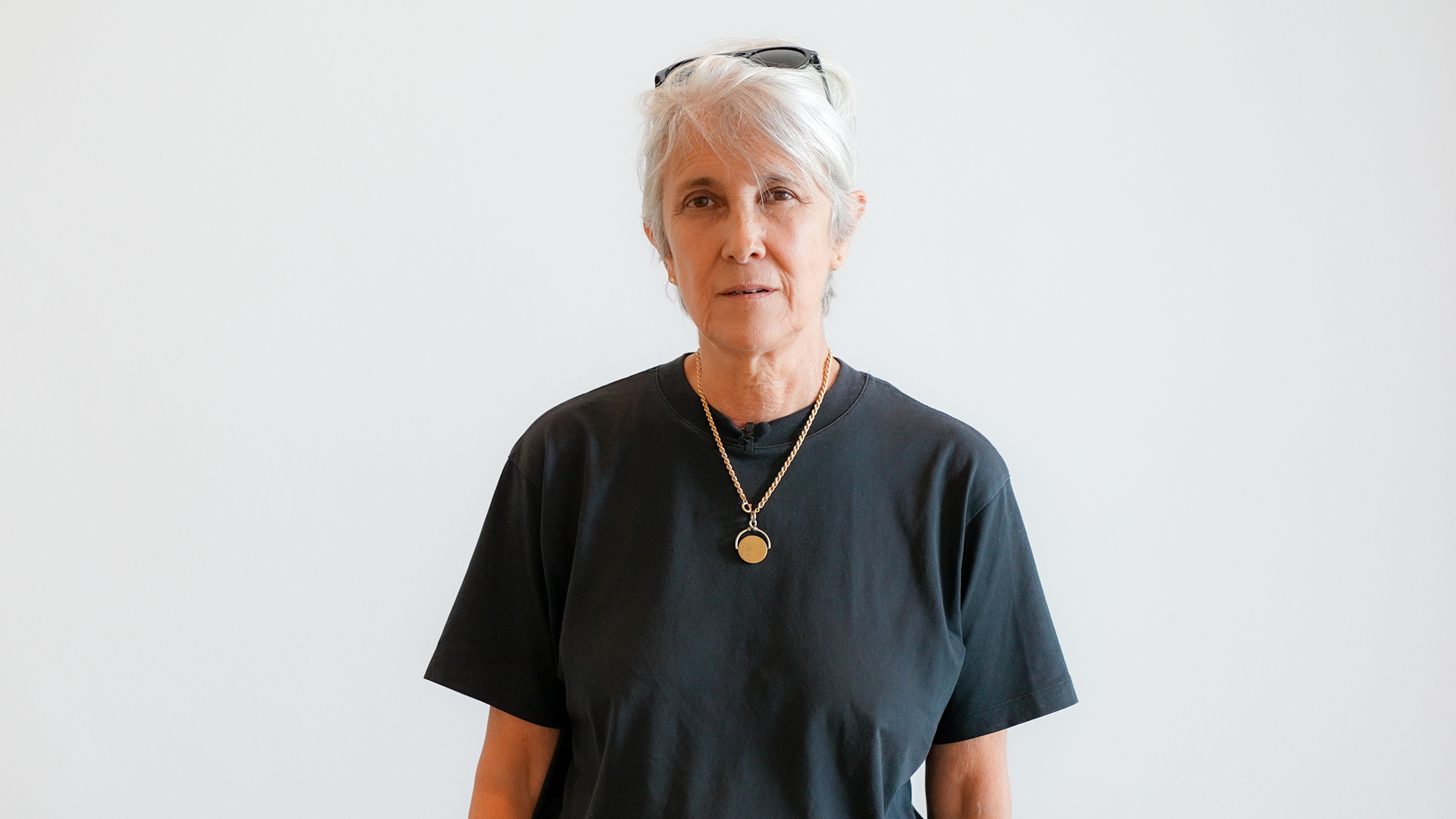
Serena Sinigaglia
The Empyrean
Serena Sinigaglia
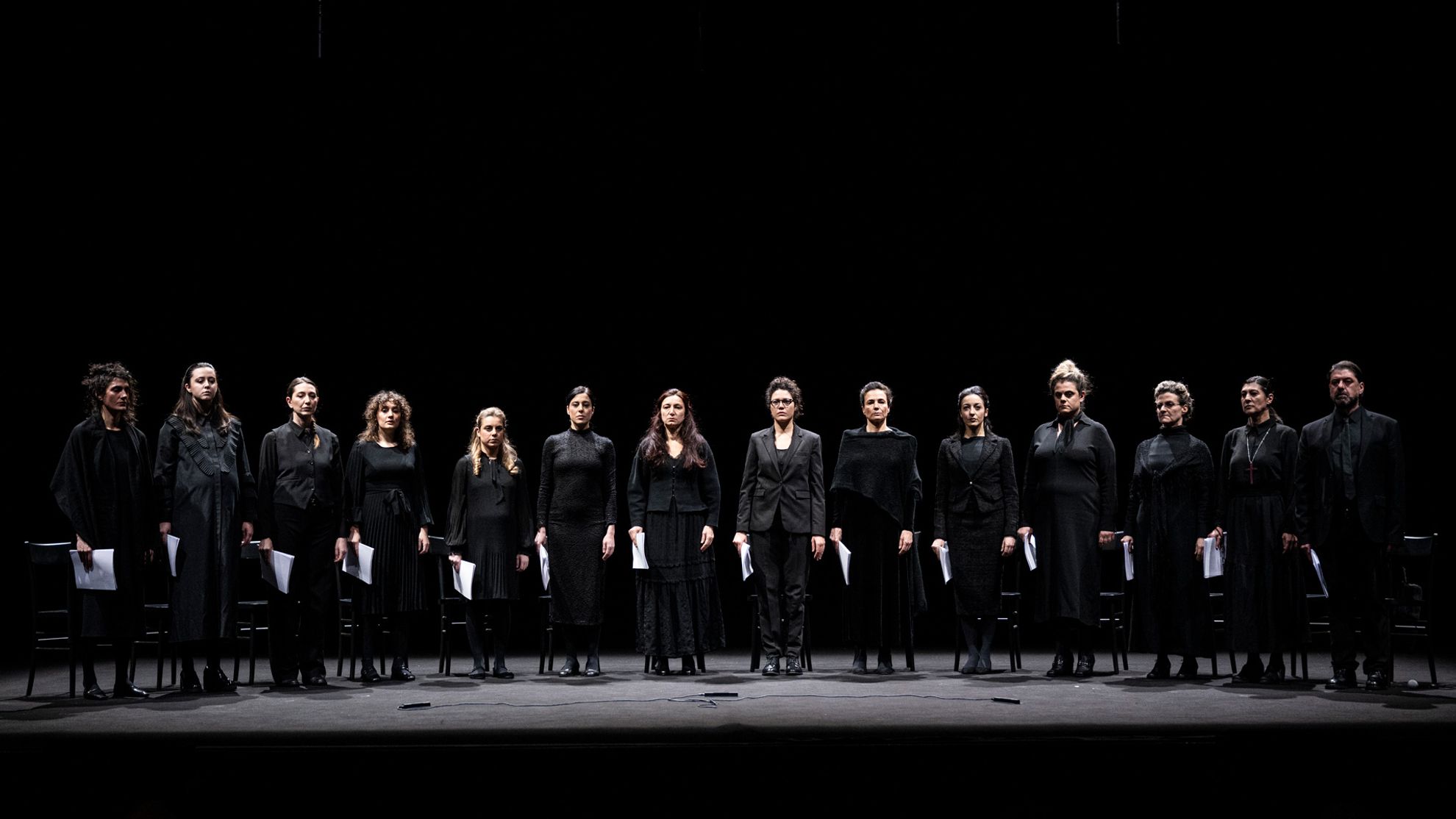
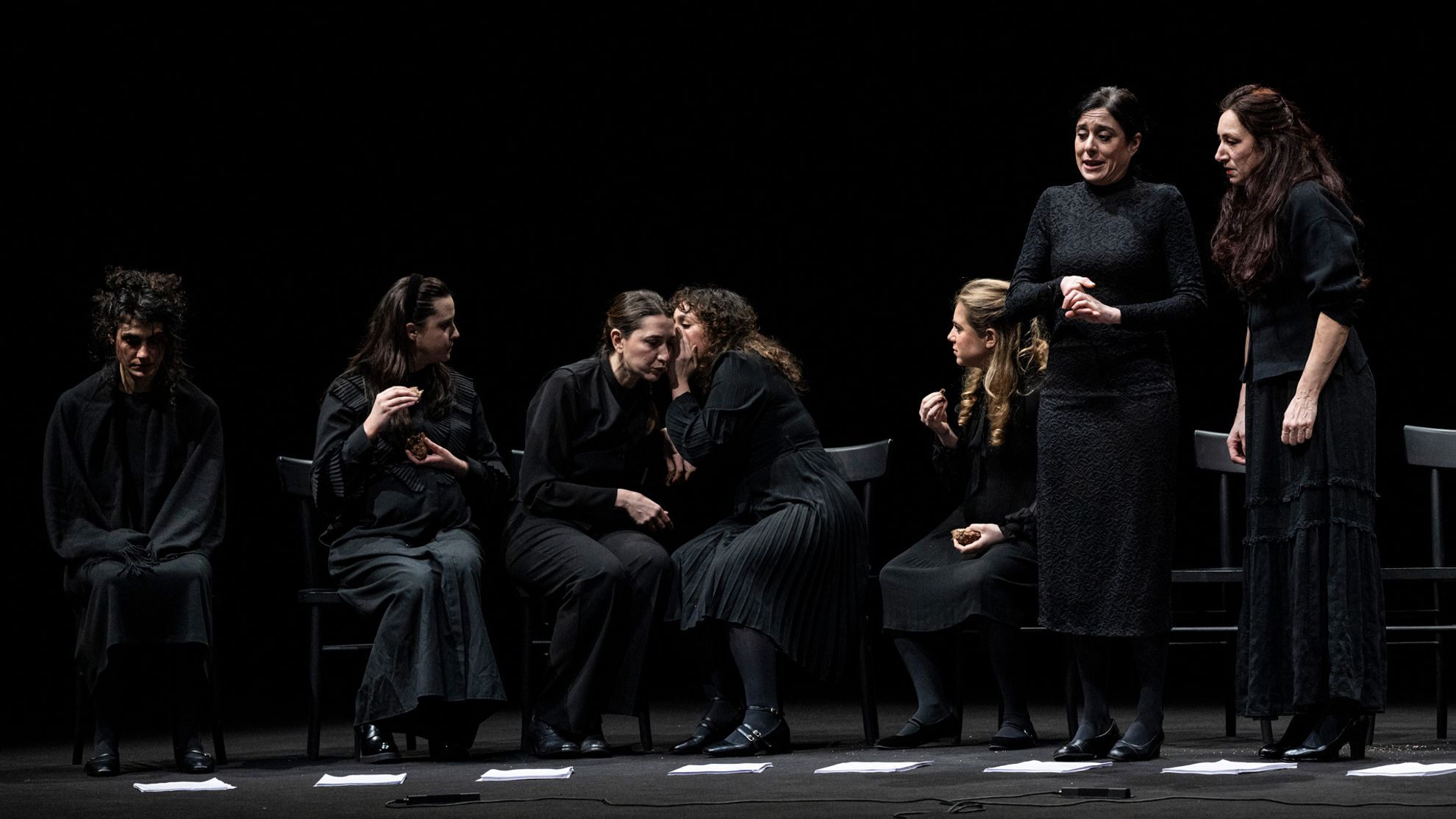
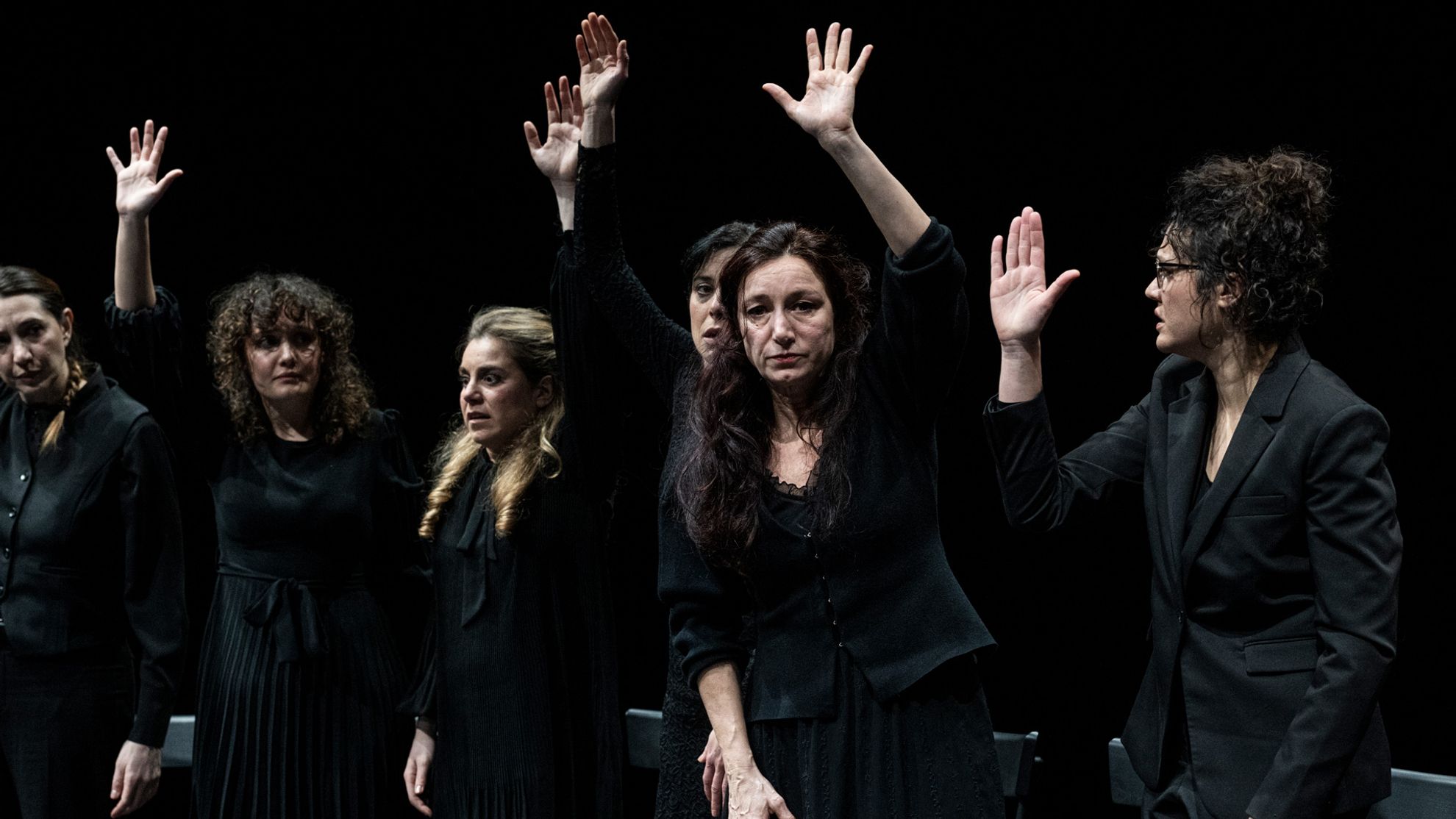
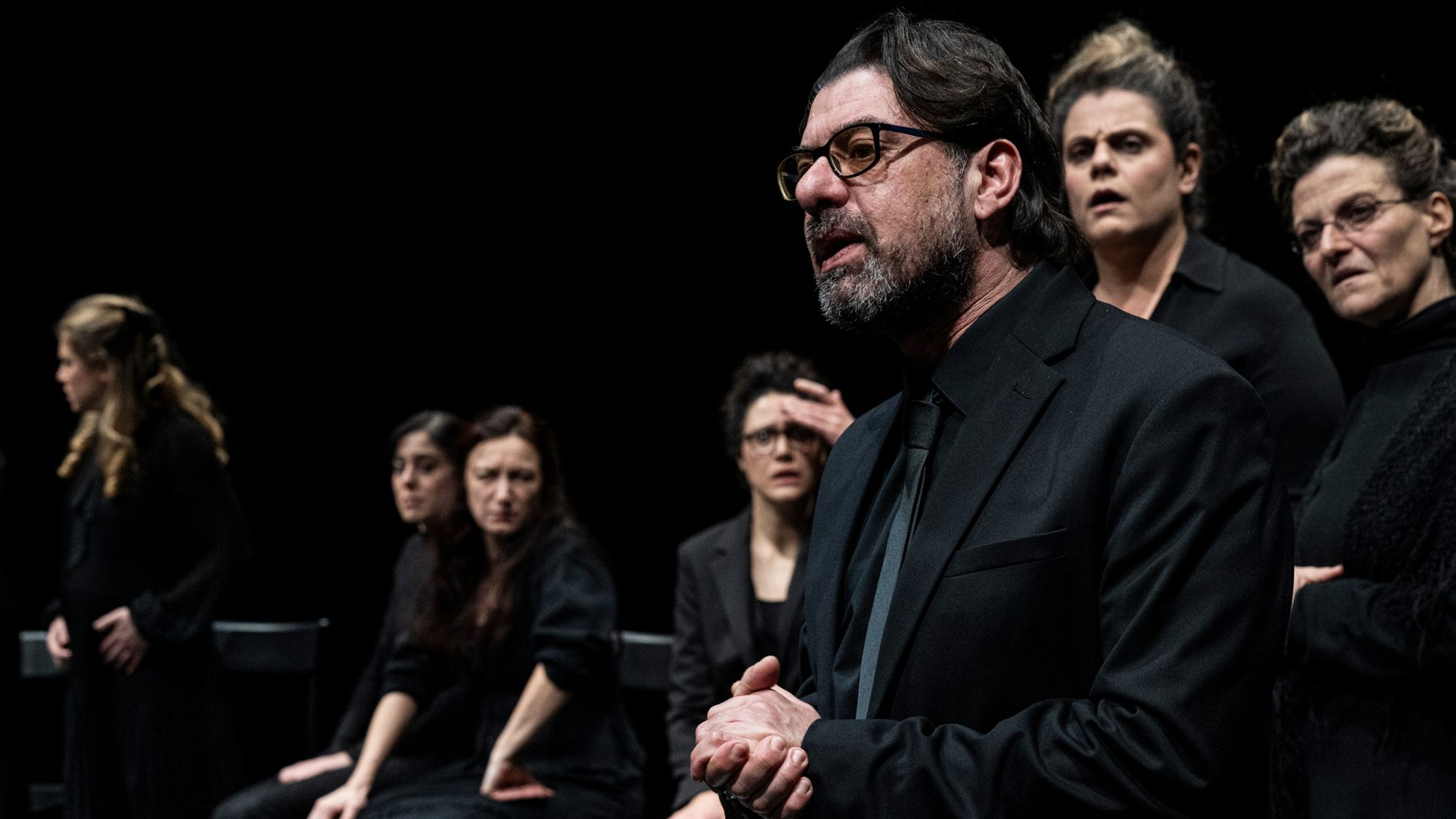
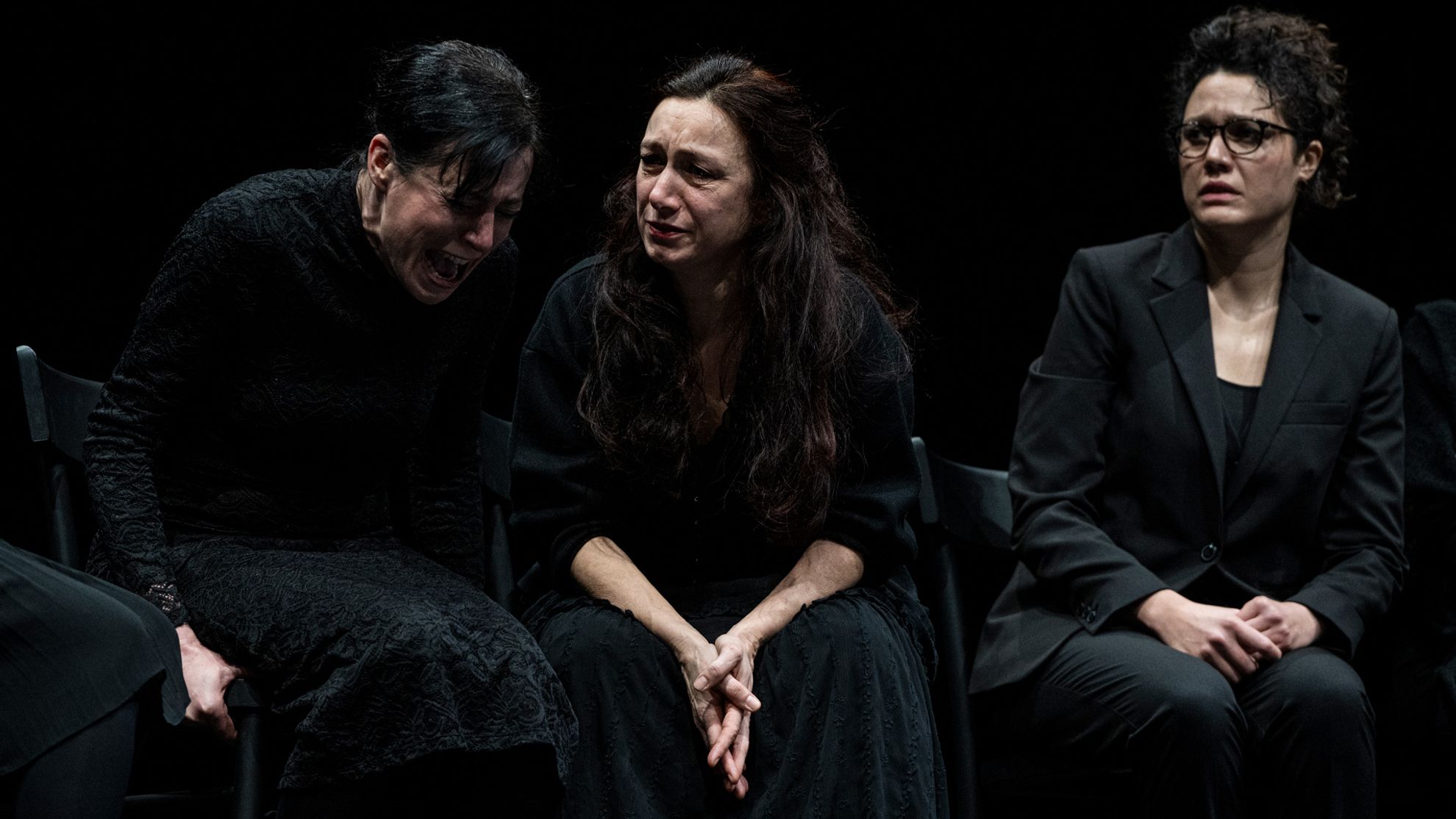
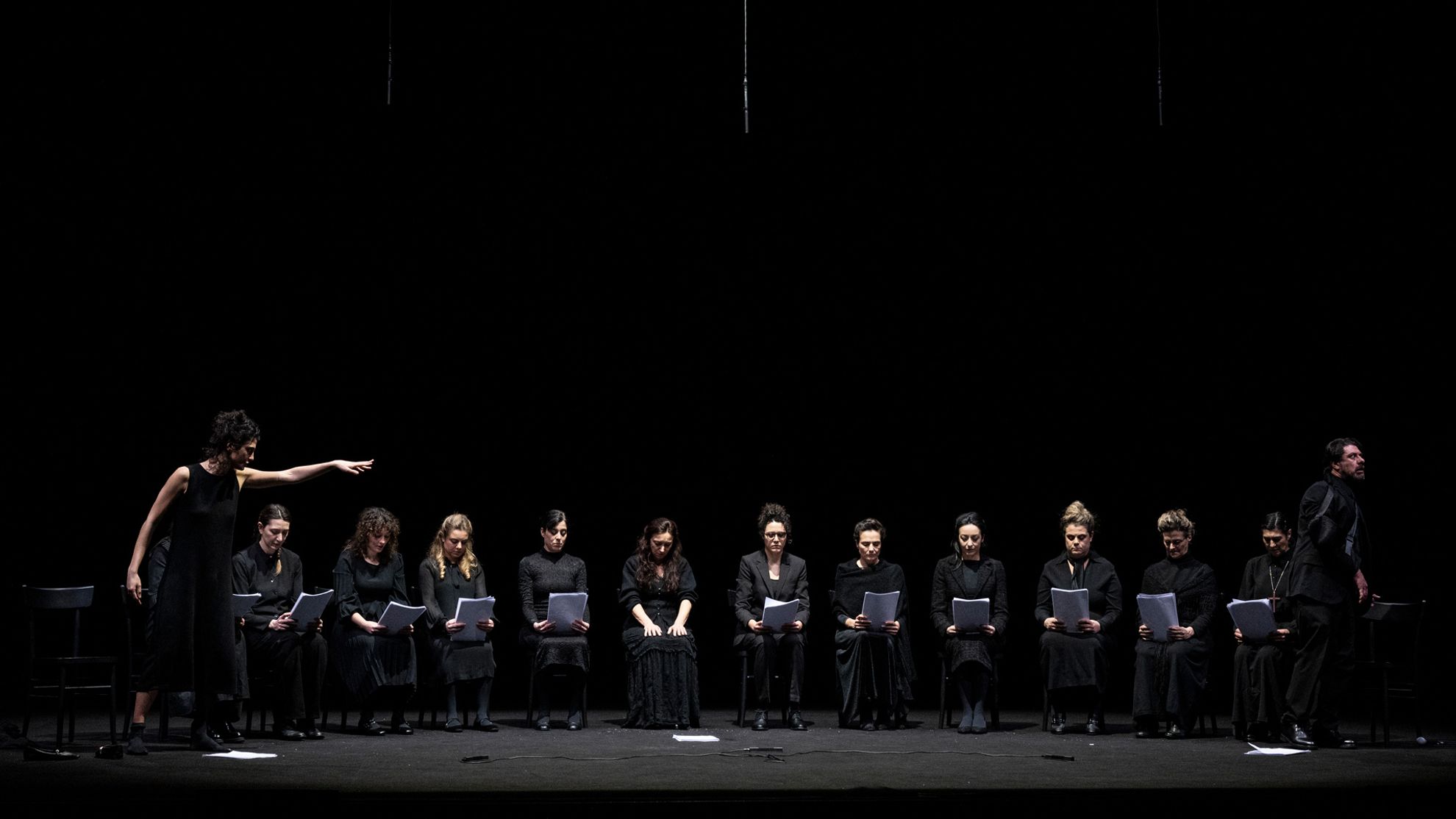
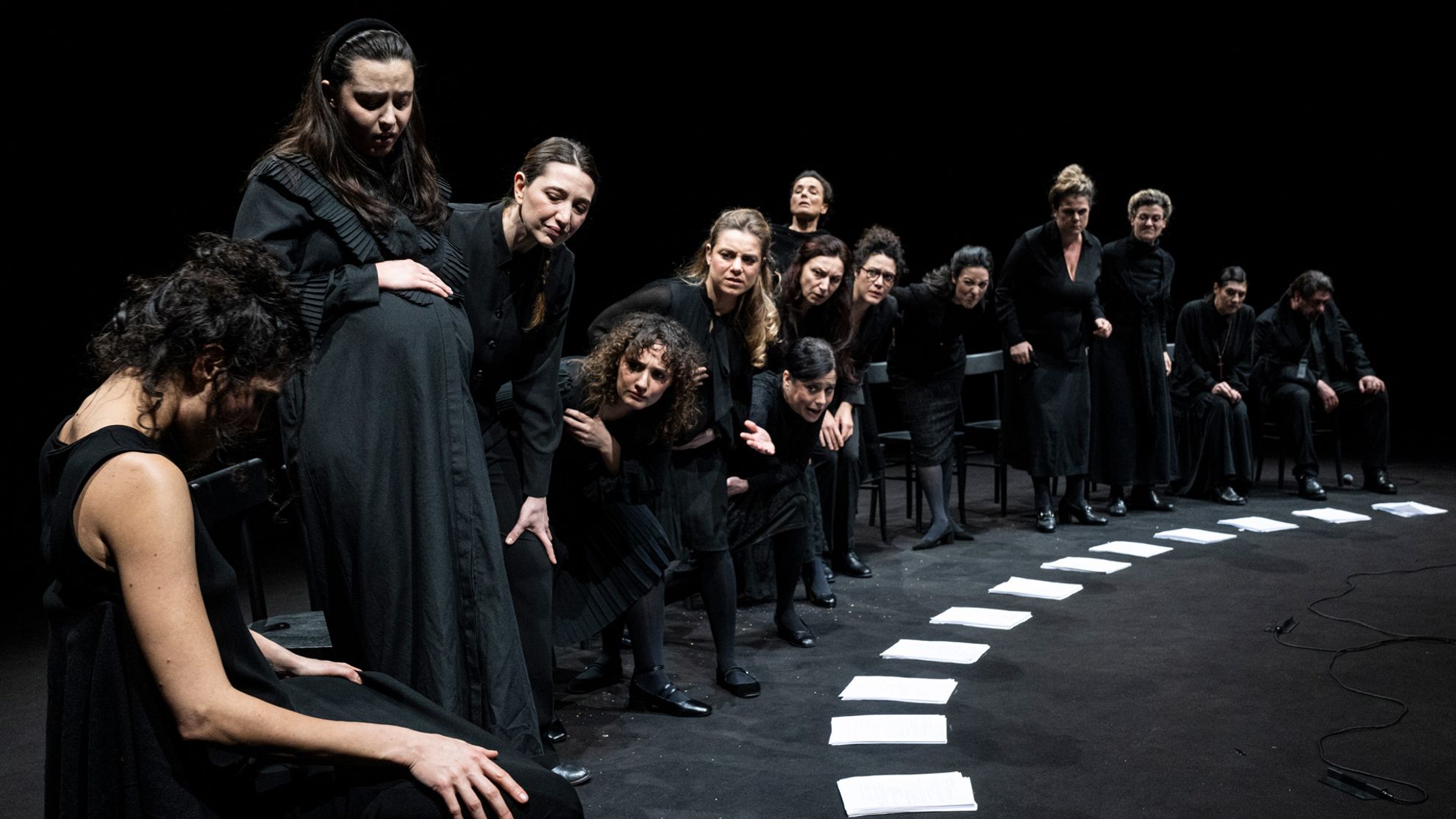
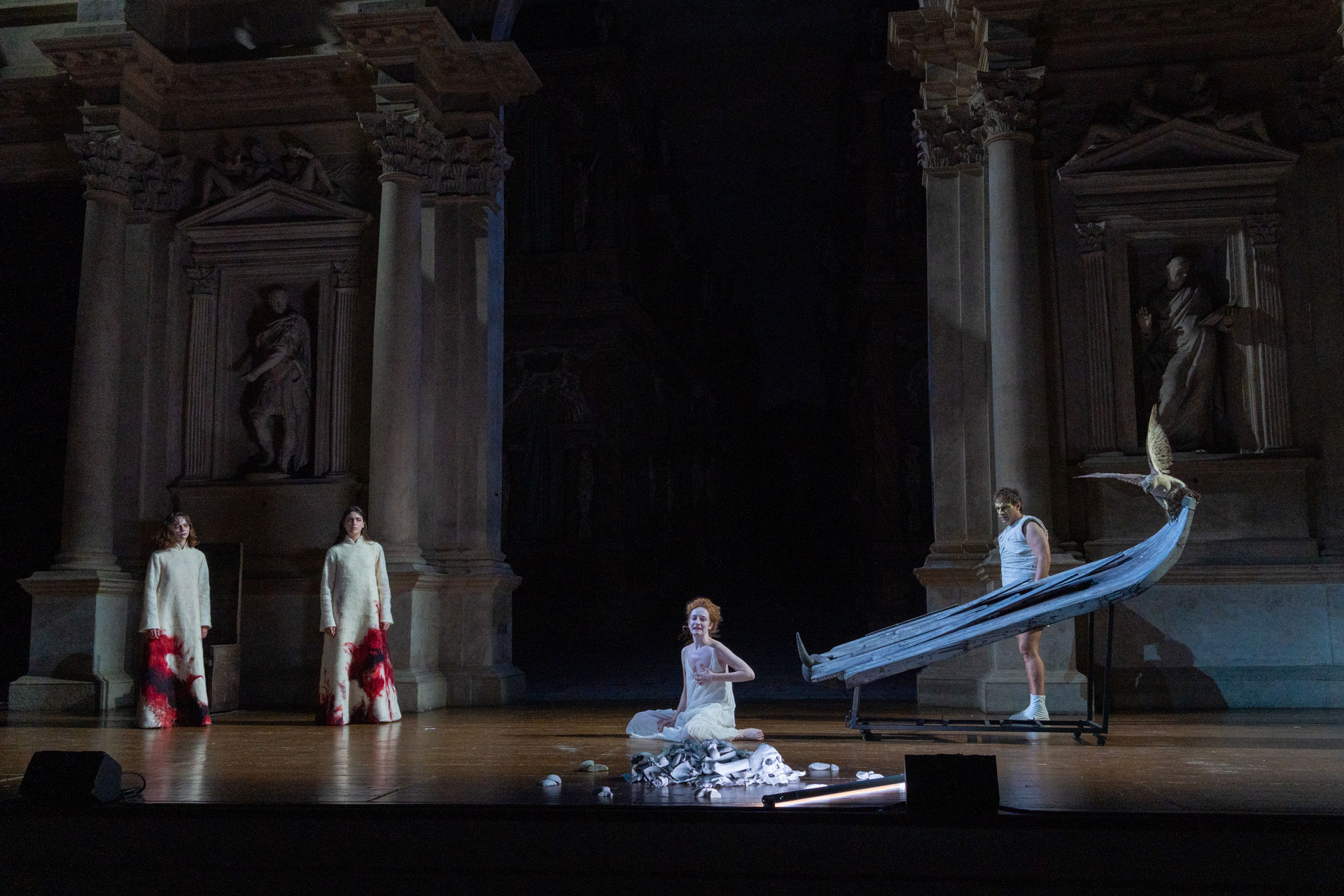
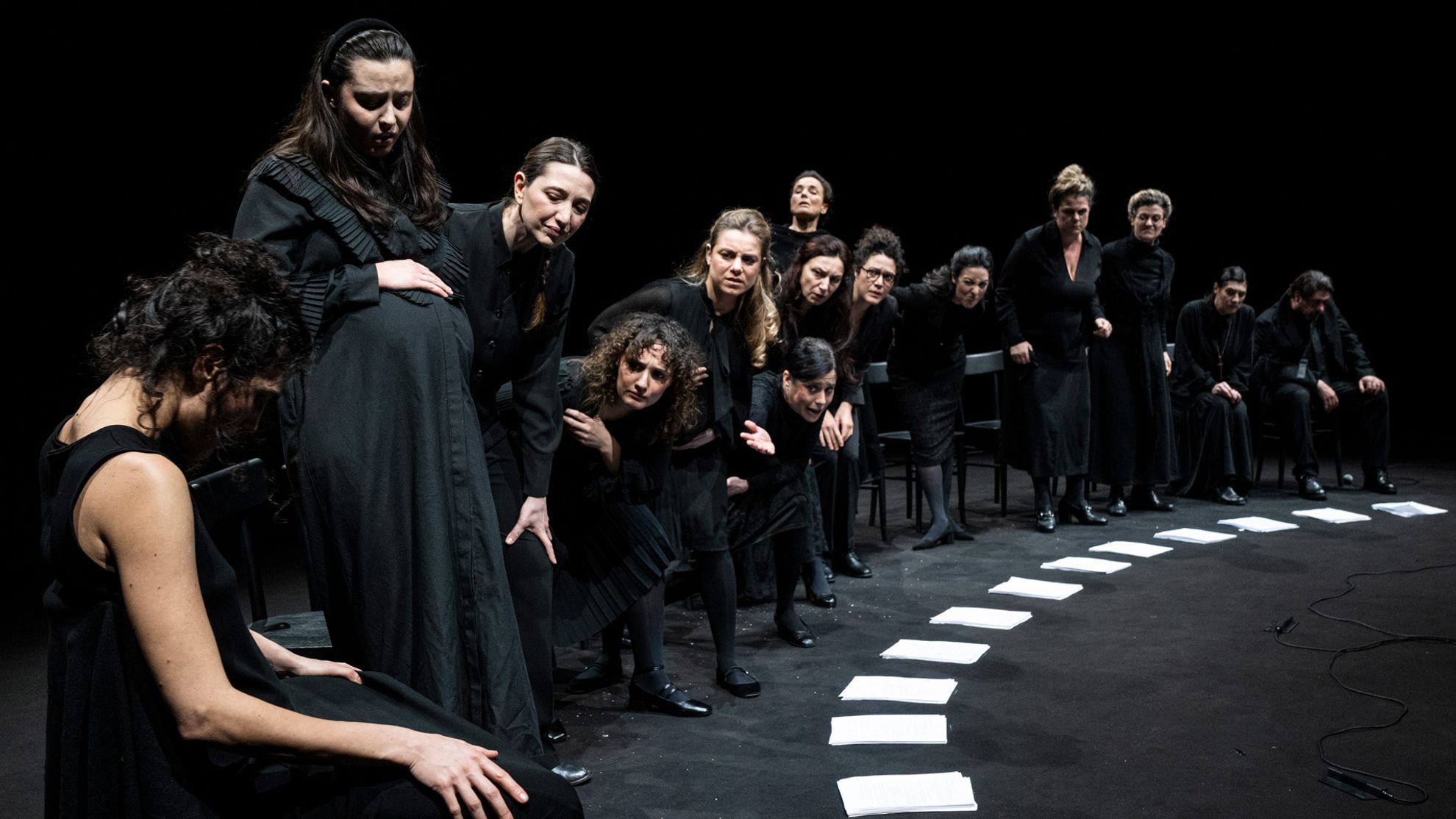
England, March 1759. A jury of twelve women is summoned by a judge who cannot sentence a young woman to death for murder because she claims to be pregnant. The all-female jury must determine whether this claim is true or false, and in doing so will hold the power of life or death over her.
From this all-female microcosm emerge the fundamental and timeless issues facing women in every era. Foremost among them is the unfair treatment that laws written by men still inflict on women and their bodies today.
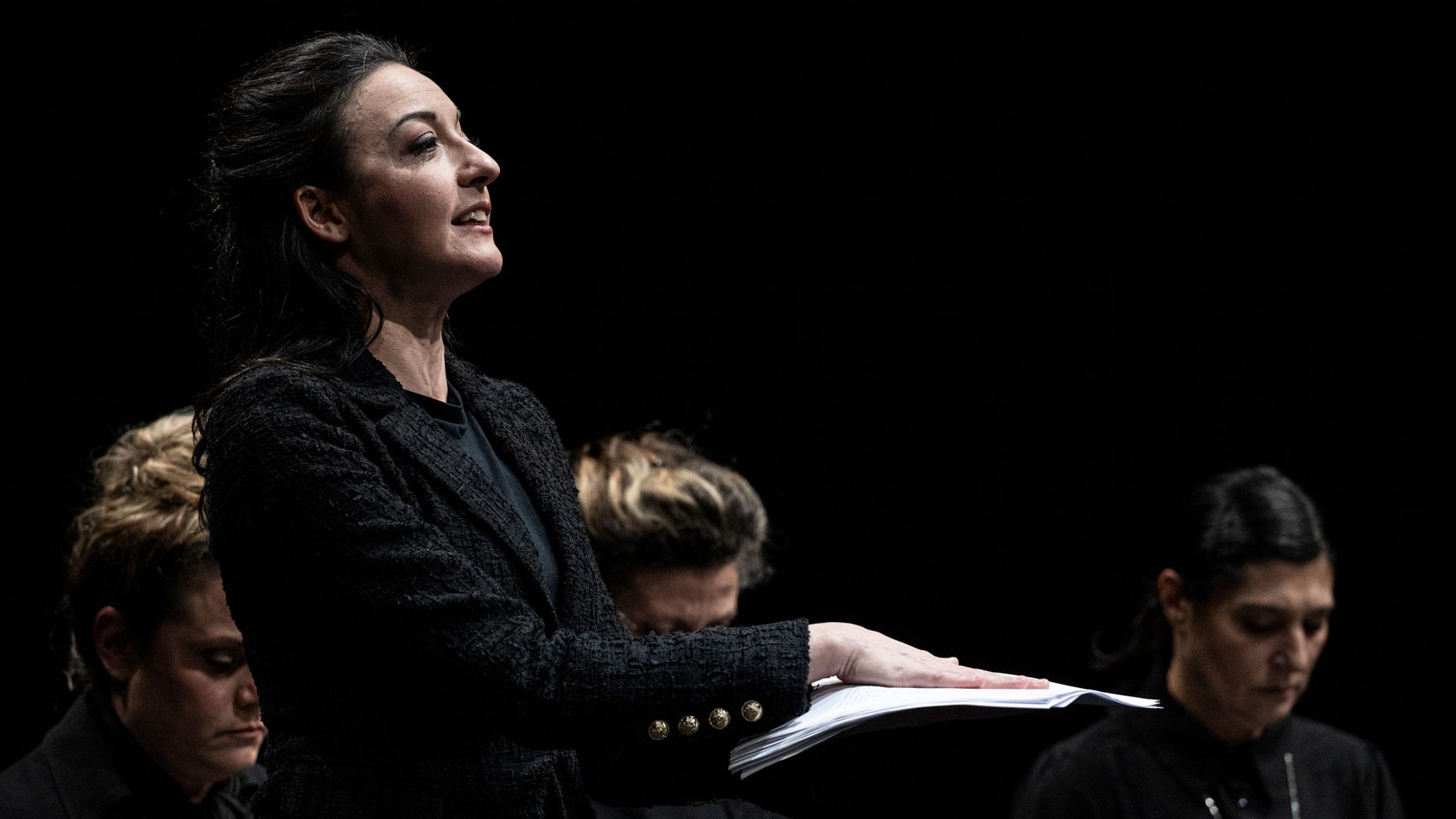
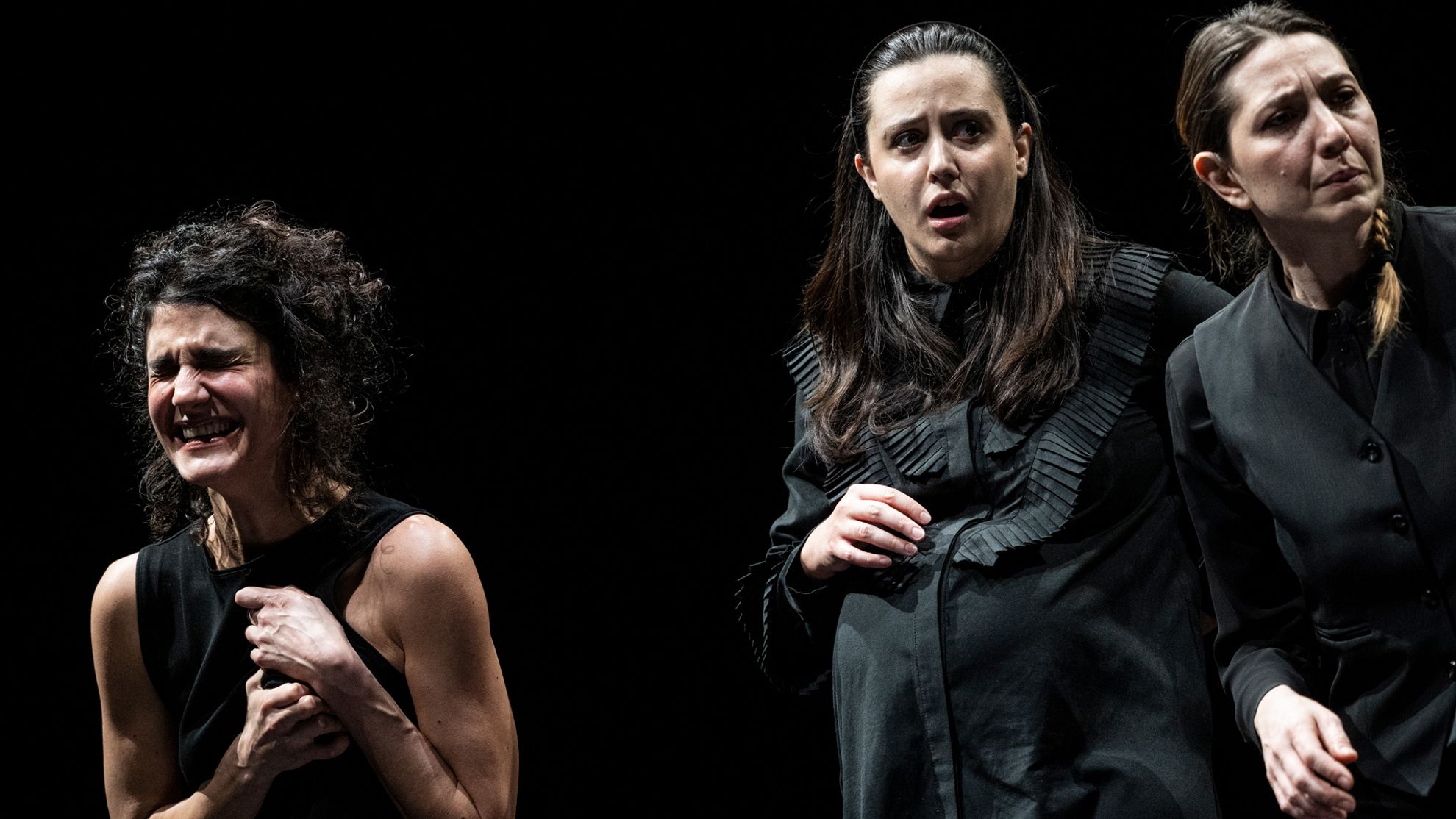
An ensemble piece—militant, compelling, and entertaining—with an exceptional cast, that delves into Kirkwood’s writing, into the bodies and moods of the twelve matrons, the defendant, and the judgment of a sky as luminous as it is powerless, in the vain hope that a comet will pass by and change history.
““It’s really strange that we know more about the movement of a comet thousands of kilometers away than we do about how a woman’s body works…”
*The Empyrean*
, Lucy Kirkwood
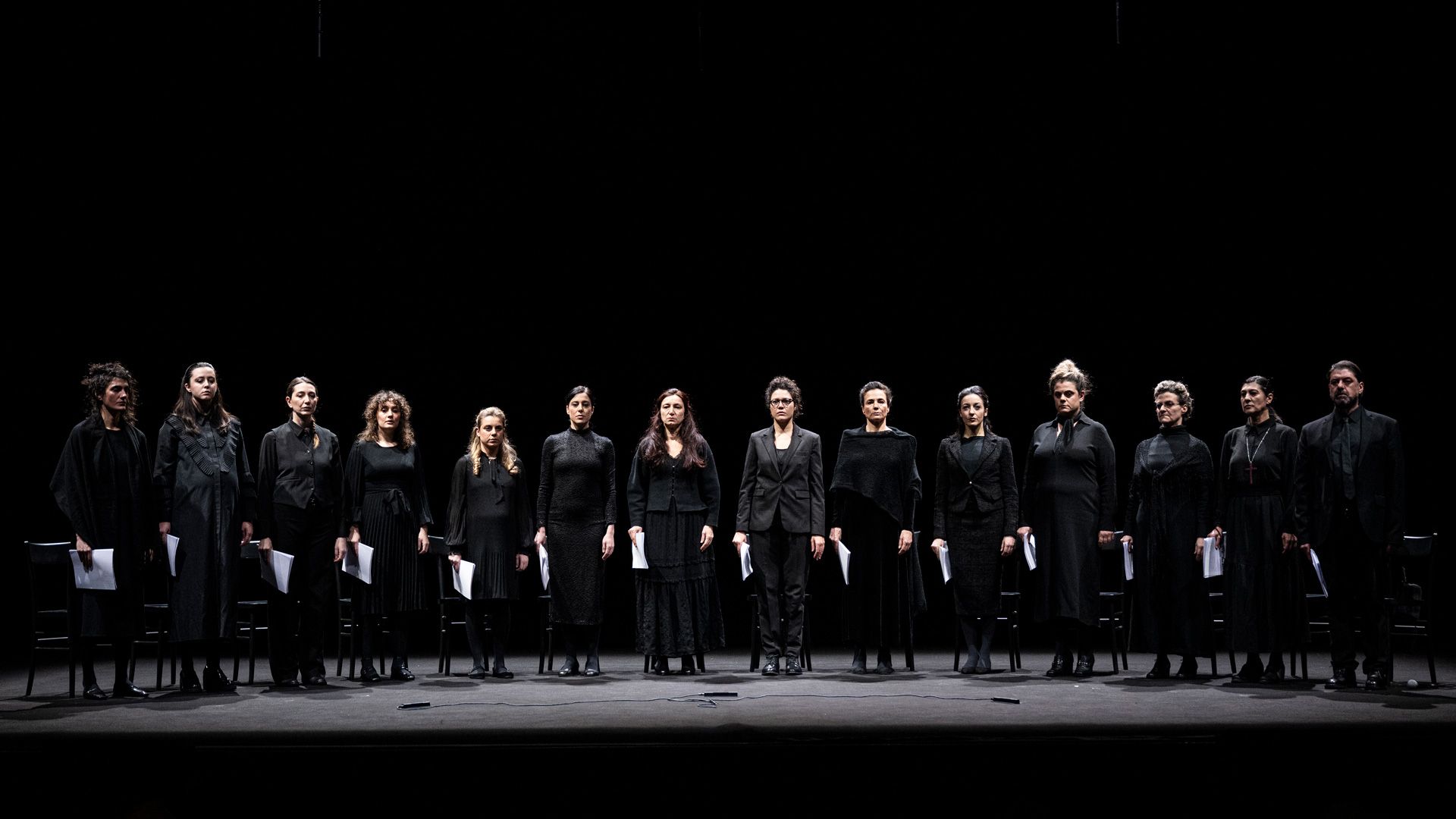
L’Empireo
Foto di scena
Partner di produzione

Sponsor stagione prosa
The Welkin
by Lucy Kirkwood
translation
Monica Capuani, Francesco Bianchi
playwright
Monica Capuani
directed by
Serena Sinigaglia
featuring (in alphabetical order)
Giulia Agosta, Alvise Camozzi, Matilde Facheris, Viola Marietti, Francesca Muscatello, Marika Pensa, Valeria Perdonò, Maria Pilar Pérez Aspa, Arianna Scommegna, Chiara Stoppa, Anahì Traversi, Arianna Verzelletti, Virginia Zini, Sandra Zoccolan
stage design consulting
Maria Spazzi
costumes
Martina Ciccarelli
lighting design
Christian LaFace
sound design
Sandra Zoccolan
assistant director
Michele Iuculano
vocal coaching
Francesca Della Monica
movement consultation
Riccardo Micheletti
production
Carcano Theater Center for Contemporary Art, Genoa National Theater, Bolzano Municipal Theater, LAC Lugano Arte Cultura, Bellini Theater in Naples
I love epic storytelling, I love ensemble drama, I love the tragicomic undertones: *L'Empireo* is all of these things combined. And that’s not all: it tells a gripping story. It’s a contemporary play that dares to be set in the 18th century, specifically in March 1759. A contemporary play set in period costume? I don’t believe it! Well, yes. But that’s not all—in fact, perhaps its most important feature is this: it’s the first play I’ve come across that tackles gender issues without succumbing to rhetoric or banality. It’s blunt, raw, and true—just like reality. And it gives prominence to female actors—19 characters, 17 of whom are female. A welcome reversal of the trend compared to the average number of roles conceived and written for women.
Monica Capuani—who translated the play and introduced it to me—and I are committed to showcasing works like this in Italy to highlight their uniqueness and absolute importance. *L’Empireo* is a militant, compelling, and entertaining play, featuring an exceptional cast, that delves into Kirkwood’s writing, into the bodies and moods of the 12 matrons, the defendant, and the judgment of a sky as luminous as it is powerless—all in the vain hope that a comet might pass by and change history.
*L'Empireo* is the most recent work (the first production, which premiered at the National Theatre in London in early 2020, was cut short by the pandemic) by the great English playwright Lucy Kirkwood, author of highly compelling and highly successful plays such as *Chimerica*, *The Children* (also staged in Italy, directed by Andrea Chiodi, starring Elisabetta Pozzi, Giovanni Crippa, and Francesca Ciocchetti), and *Mosquitoes*.
*L’Empireo* is an extremely monumental and ambitious play: set in mid-18th-century rural England, it tells the story of a jury of twelve women summoned by a judge who cannot execute a young woman for murder because she claims to be pregnant. The all-female jury must determine whether this claim is true or false, and in doing so will hold the power of life or death over her. From this female microcosm emerge the fundamental and timeless issues of women’s lives in any era. First and foremost among these is the unfair treatment that laws written by men still inflict on women and their bodies today.