Francesco Cilluffo
Music Director
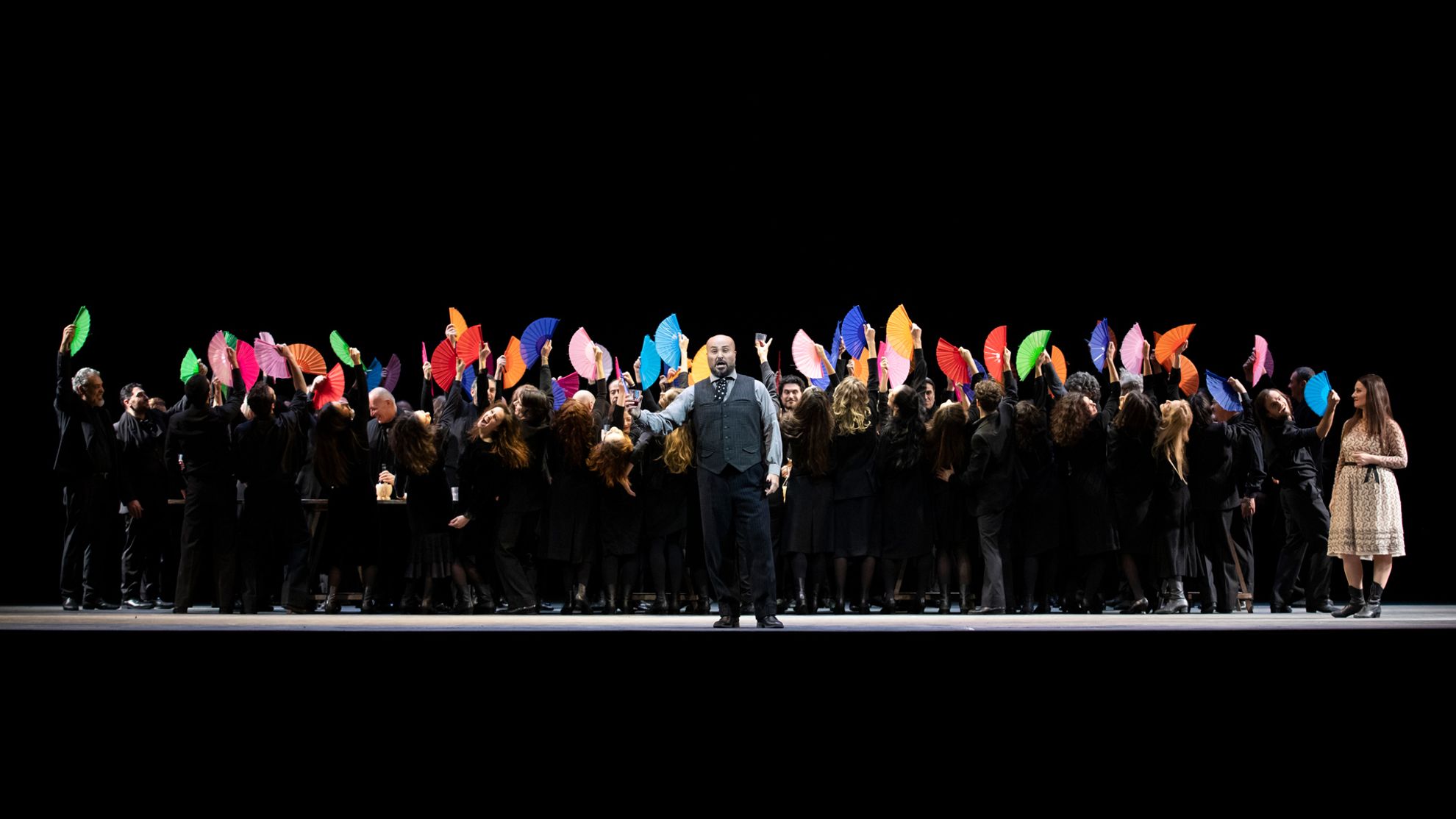
Principal Conductor of the Wexford Festival Opera (Ireland), he was born in Turin, where he earned diplomas in orchestral conducting and composition from the “G. Verdi” Conservatory, as well as a degree in music history from DAMS. In London, he earned a master’s degree from the Guildhall School of Music and Drama and a PhD from King’s College. He furthered his studies at the Accademia Chigiana in Siena, later serving as an assistant to Michael Tilson Thomas, John Eliot Gardiner, Asher Fisch, John Mauceri, and Lothar Zagrosek. Among his most notable appearances are: Cilea’s *L’Arlesiana* at the Teatro Pergolesi in Jesi; Wolf-Ferrari’s *Il campiello* for the season opener of the Teatro del Maggio Musicale Fiorentino and at the Teatro Verdi in Trieste; the world premieres of *Le braci* and *Miseria e nobiltà* by Marco Tutino, respectively at the Teatro del Maggio in Florence, the Festival della Valle d’Itria, and the Teatro Carlo Felice in Genoa, where he also conducted *Il barbiere di Siviglia*; *L’elisir d’amore* at the Teatro Comunale in Modena and the Teatro Regio in Parma; Rossini’s *La cambiale di matrimonio* and a Verdi Gala at the Teatro Regio in Parma; new productions of *Nabucco* and *Falstaff* at the Opernhaus Kiel; *La traviata* at the Opéra Royal de Wallonie in Liège; Zemlinsky’s *Der König Kandaules* at the Teatro Massimo in Palermo; Gounod’s *Roméo et Juliette*, *Rigoletto*, *L’elisir d’amore*, and *Madama Butterfly* at the New Israeli Opera in Tel Aviv; *Tancredi*, *Il Trovatore*, Britten’s *A Midsummer Night’s Dream*, *La voix humaine*, *Cavalleria rusticana*, and *Aida* for OperaLombardia; *Tosca* at the Tulsa Opera (USA); *Isabeau* by Mascagni, *Le Villi* by Puccini, and *Margot la Rouge* by Delius for Opera Holland Park (London); Verdi’s *Requiem*, *Macbeth*, *Falstaff*, and Puccini’s *Manon Lescaut* at the Grange Festival with the Bournemouth Symphony Orchestra; The Marriage of Figaro and Brahms’s Ein deutsches Requiem at the Volksoper in Vienna; *Madama Butterfly* at the Puccini Festival in Torre del Lago; Cilea’s *Gloria* for the 2023 season opener and Boito’s *Nerone* for the 2024 season opener at the Teatro Lirico in Cagliari; *Tosca* at the Grange Festival with the Bournemouth Symphony Orchestra; *Pagliacci* at Opera Holland Park in London; *Tosca* at the Teatro Petruzzelli in Bari. Active in the symphonic field as well, he has conducted: Verdi’s *Requiem* with the Bournemouth Symphony Orchestra; Brahms’s *Ein deutsches Requiem* with the Vienna Volksoper Orchestra; Mozart’s *Requiem*, Duruflé’s *Requiem*, and Shostakovich’s Symphony No. 14 with the Turin Philharmonic Orchestra; Mahler’s *Das Lied von der Erde* at the Festival della Valle d’Itria in Martina Franca; Cherubini’s *Requiem in C minor* with the Accademia Stefano Tempia of Turin. He has conducted concerts with orchestras such as: the Bremer Philharmoniker, the RTÉ Concert Orchestra of Dublin; the Orquesta Filarmónica de Santiago in Chile; the Jerusalem Symphony Orchestra; LaToscanini of Parma (featuring the Italian premiere of John Adams’s *Absolute Jest*), the Orchestra dell’Arena di Verona, the Orchestra del Teatro Lirico di Cagliari, the Orchestra Sinfonica Siciliana, the ORT-Orchestra della Toscana, the Orchestra di Padova e del Veneto, and the Orchestra dei Pomeriggi Musicali di Milano. At the Wexford Festival Opera, he has conducted: *Guglielmo Ratcliff* by Mascagni, *Risurrezione* by Alfano, *L’Oracolo* by Leoni, *Mala vita* by Giordano, *Edmea* by Catalani, *La tempesta* by Halévy, *La Ciociara* by Tutino, and *Le maschere* by Mascagni, as well as several opera-symphonic galas. Upcoming engagements include *Manon Lescaut* in Bari and *Turandot* in Mainz.
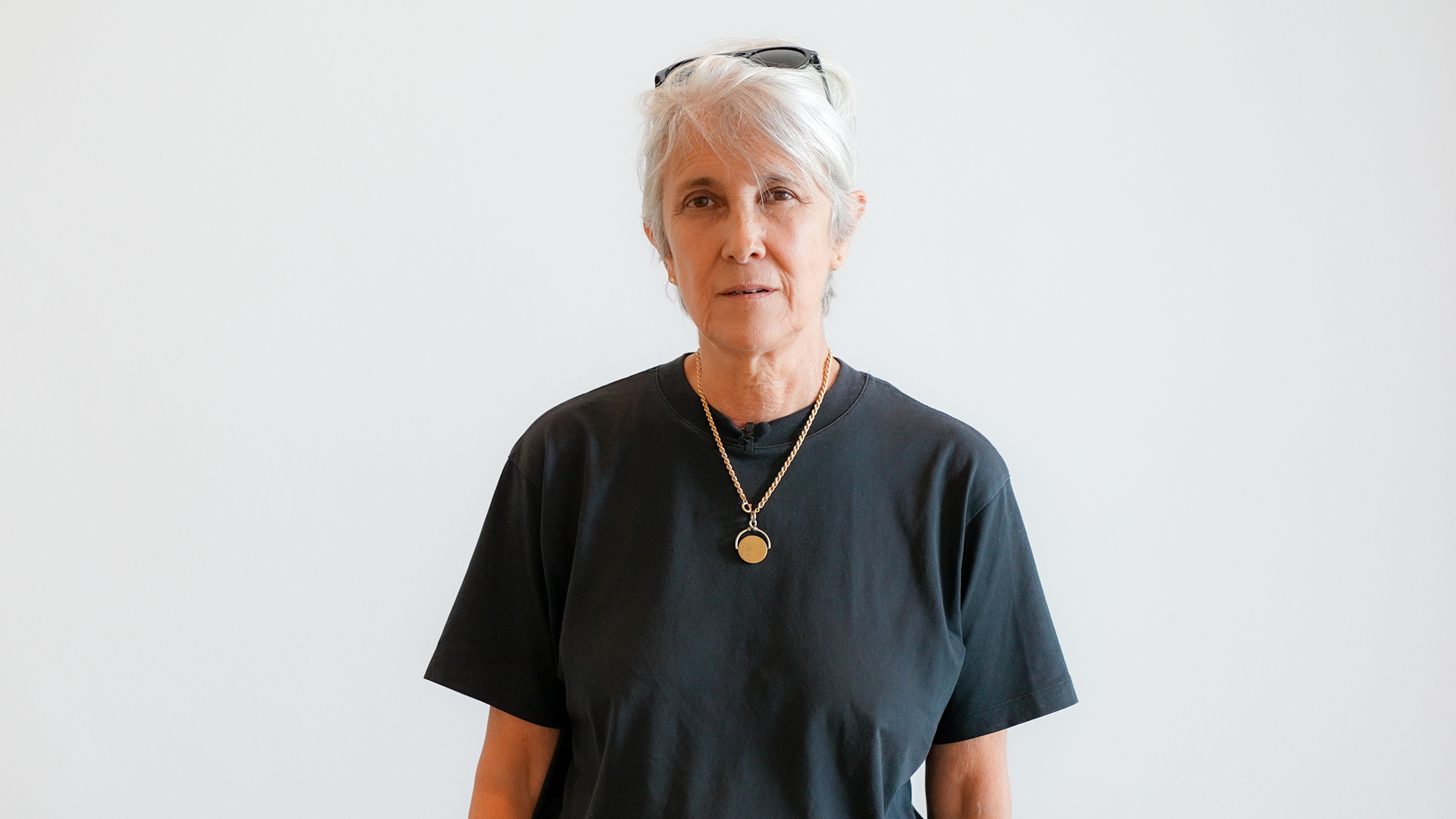
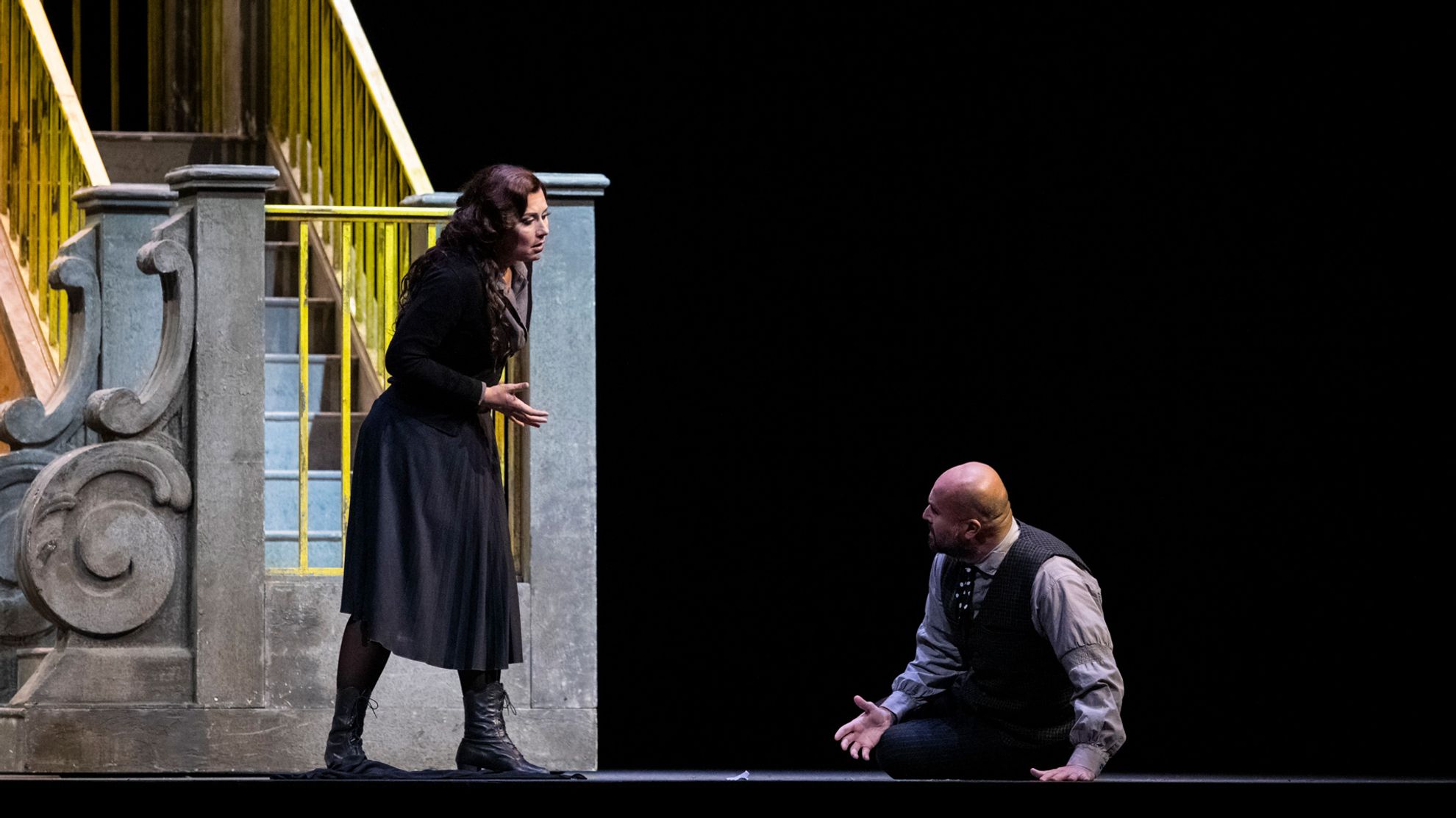
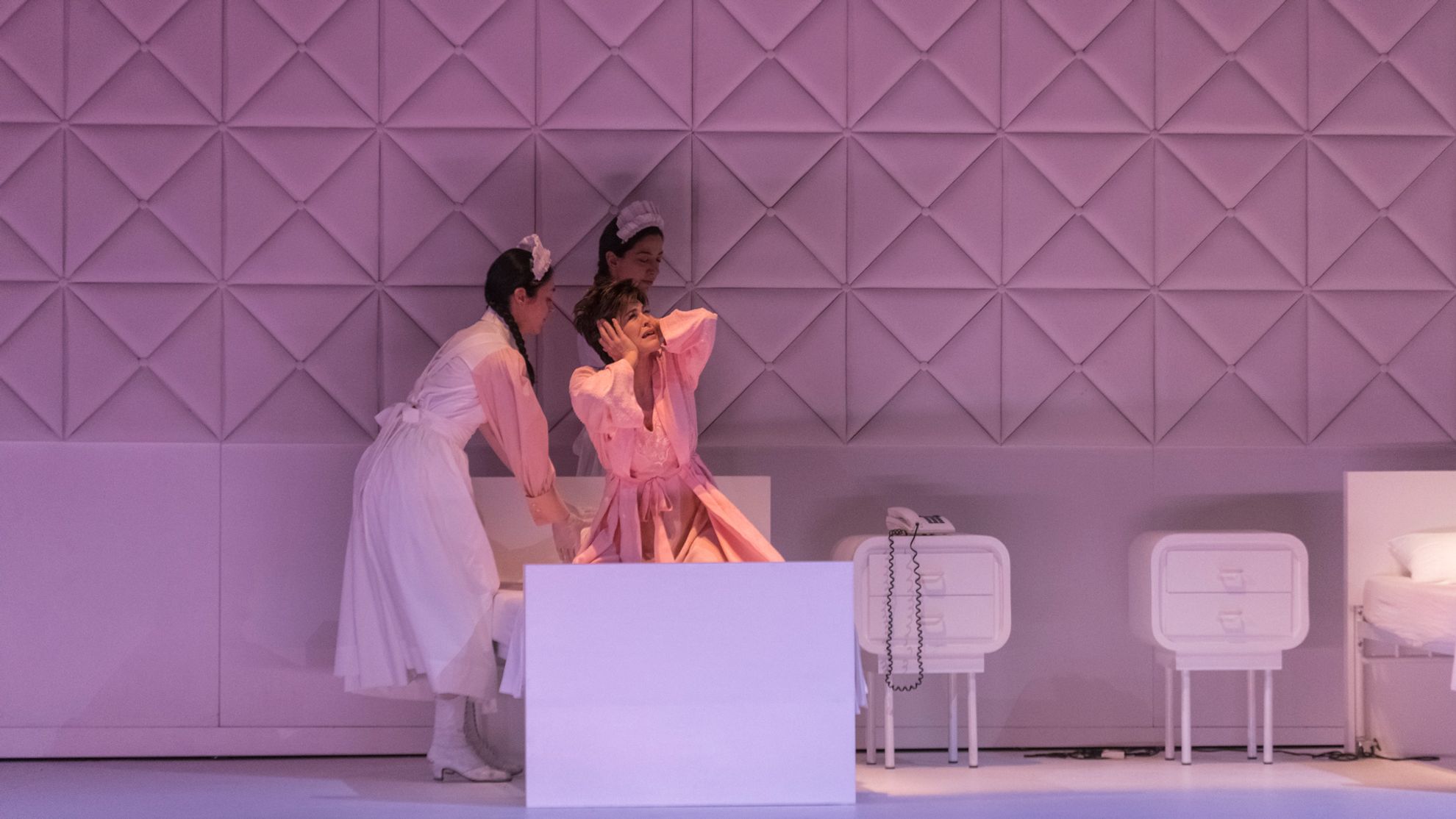
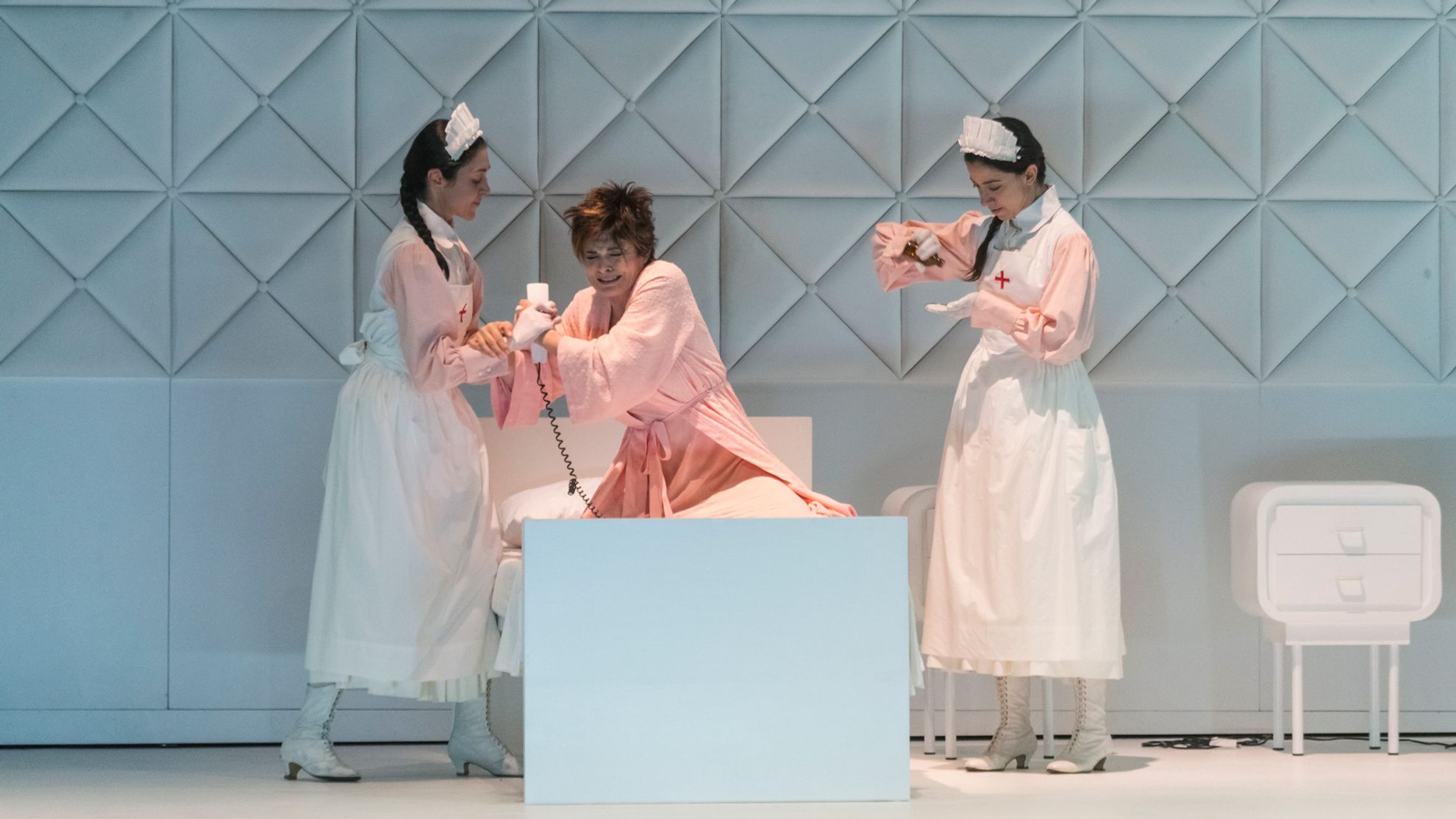
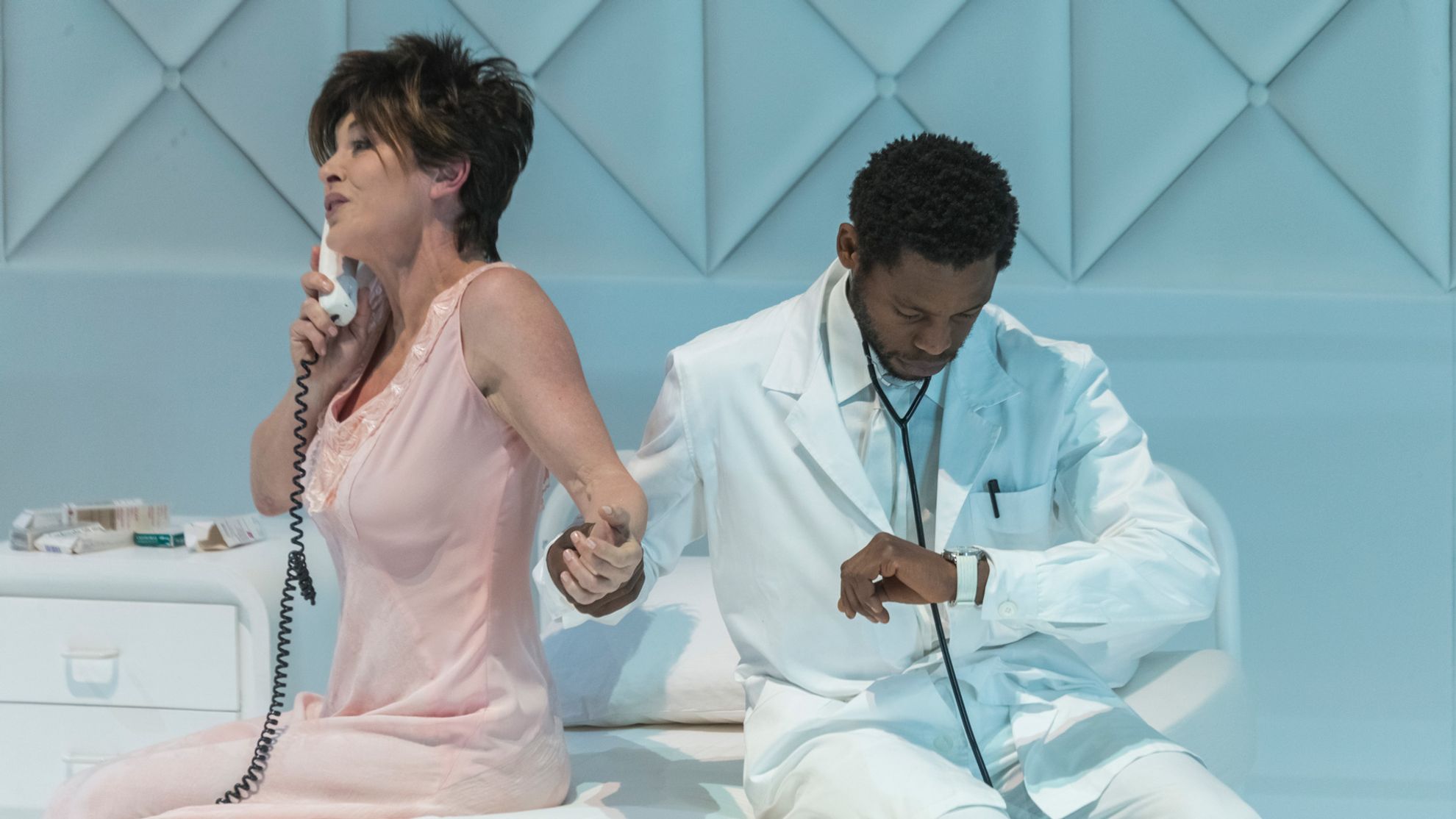
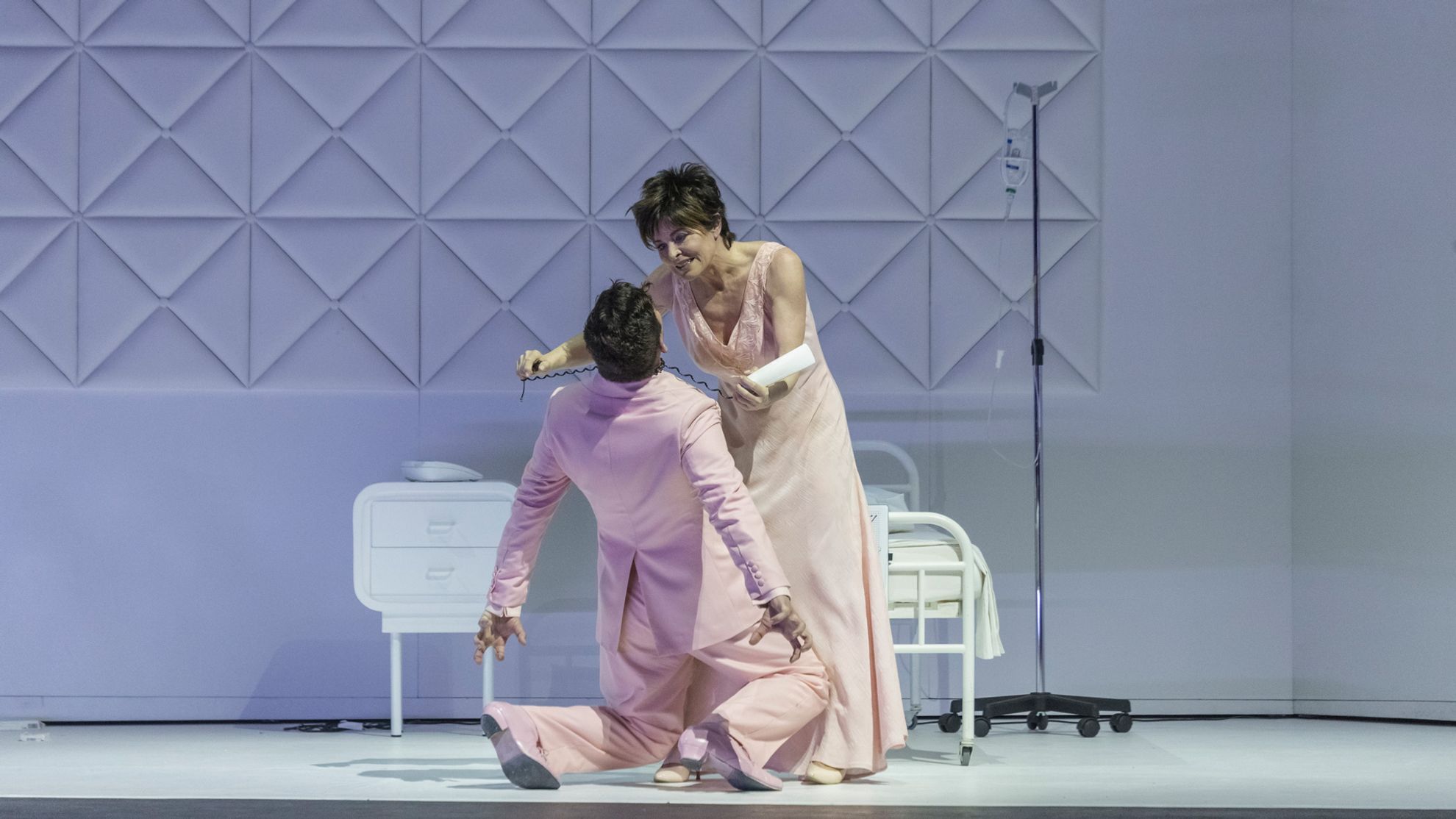
Emma Dante
,
Director
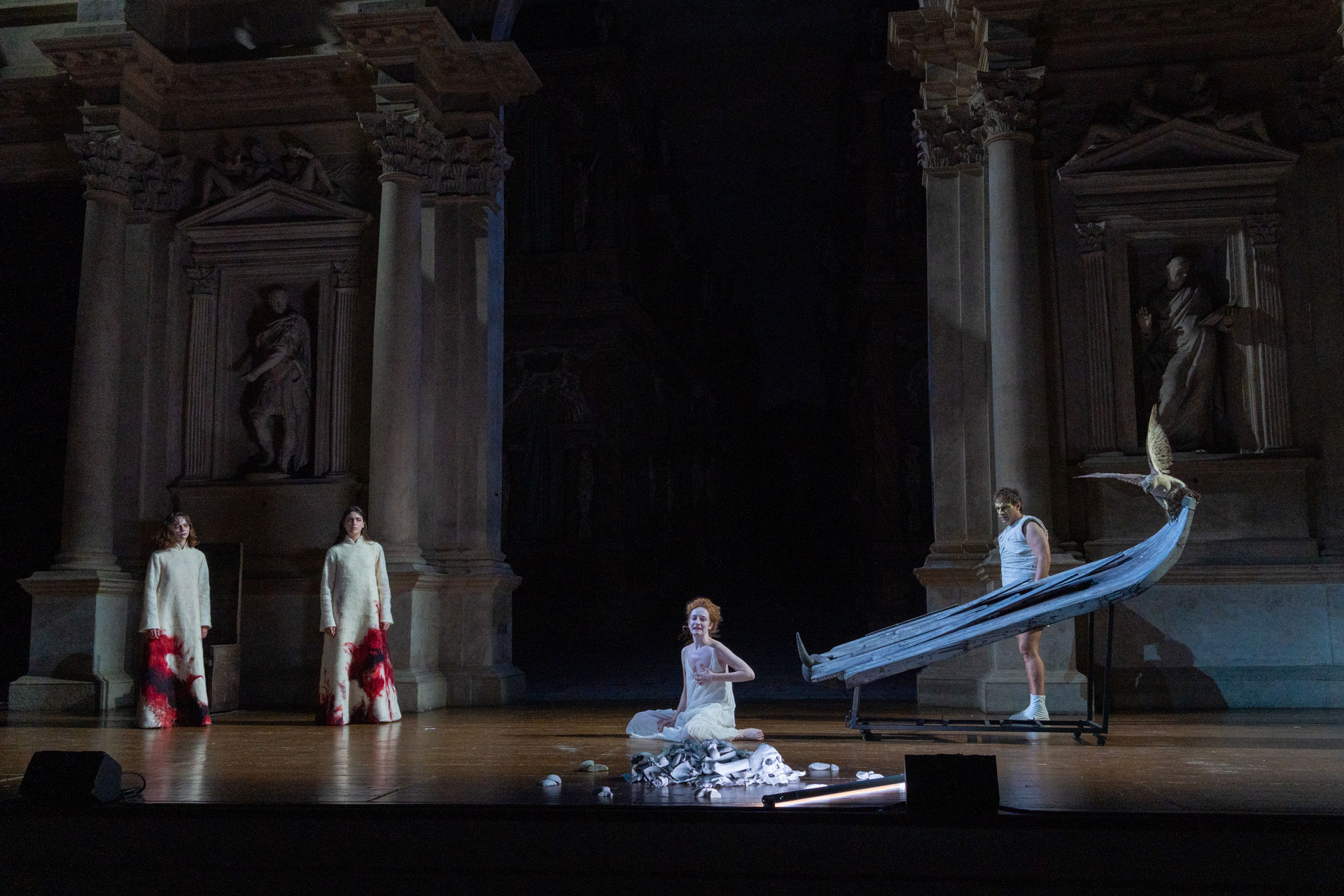
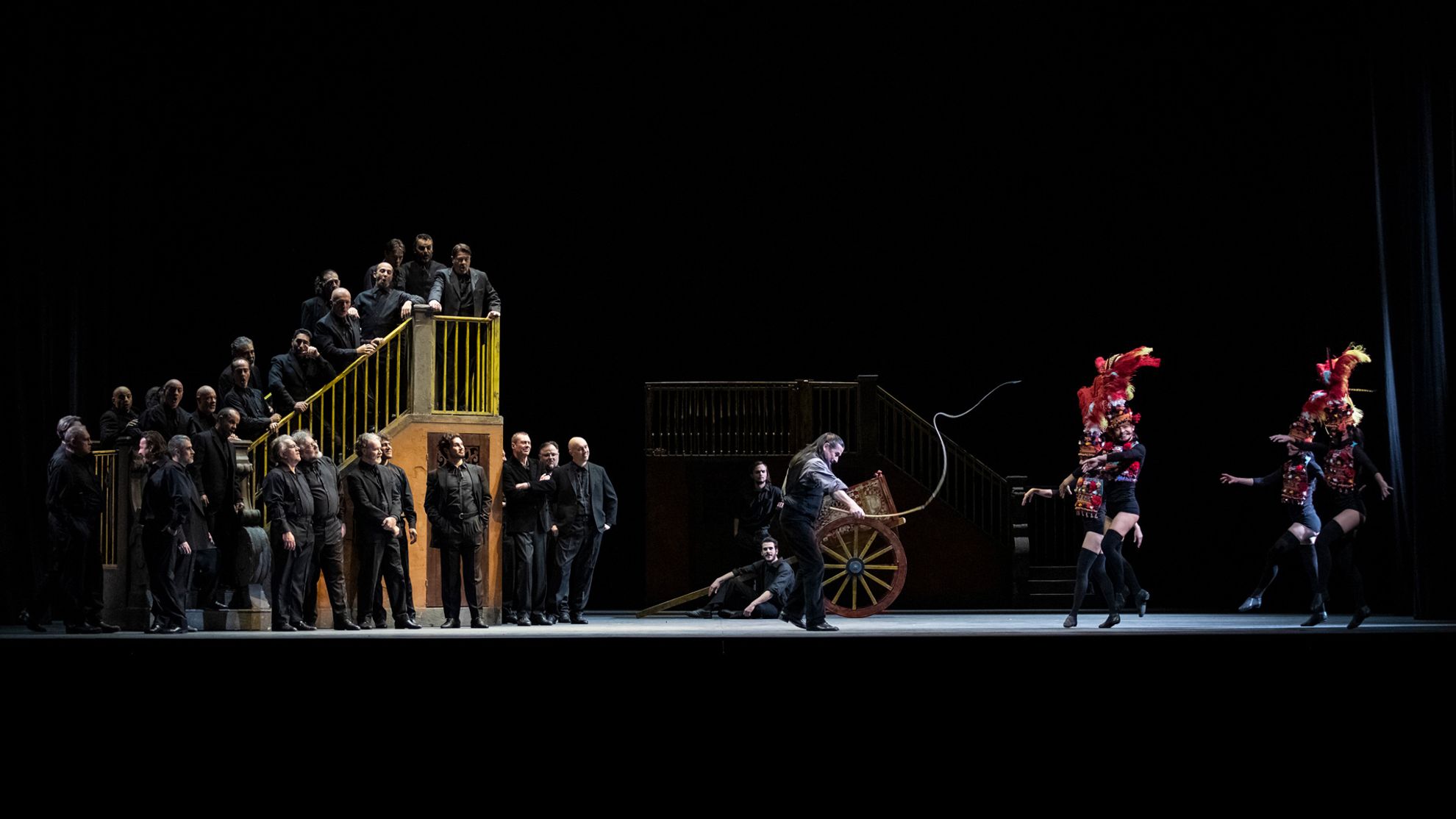
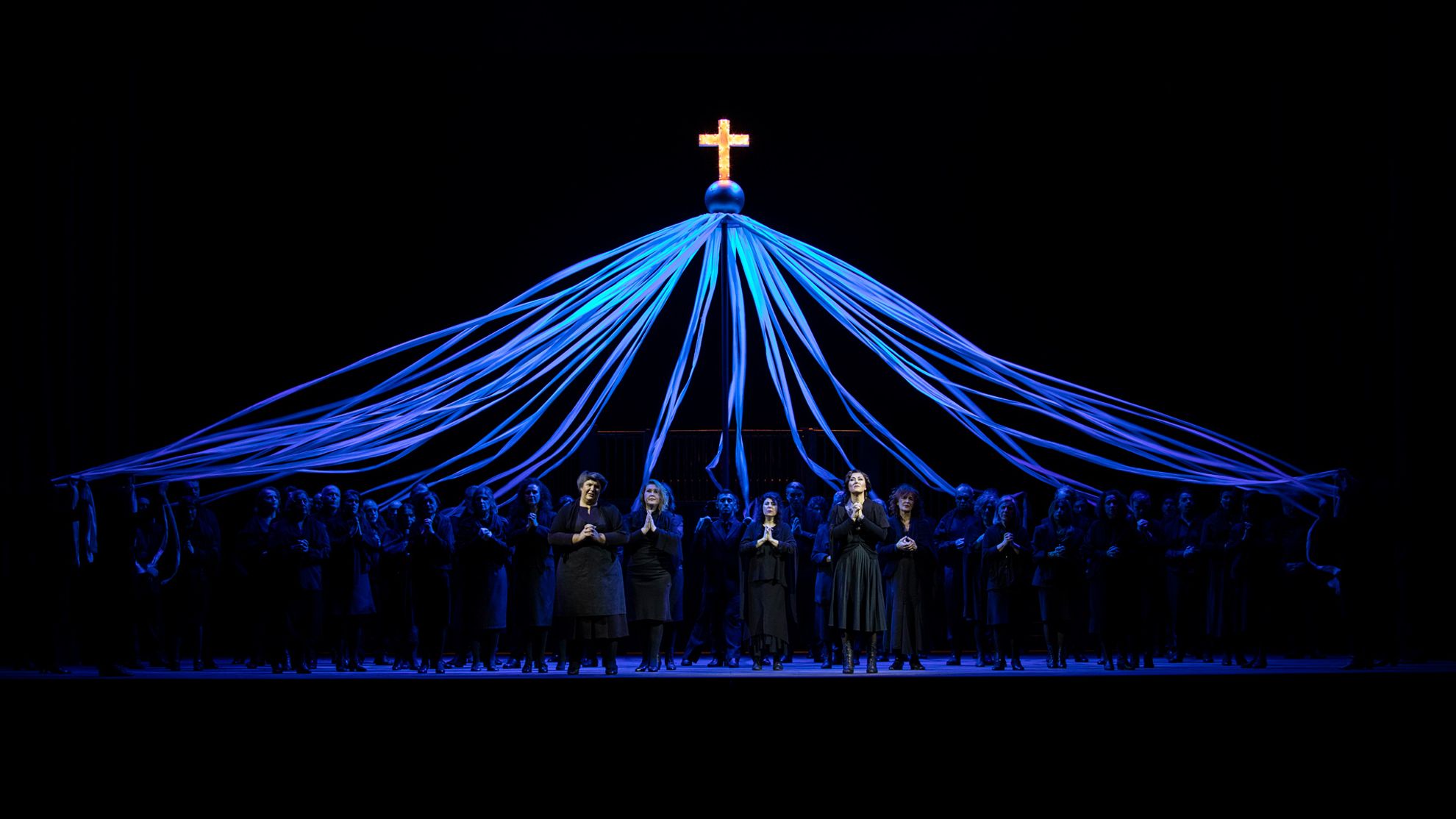
A figure of extraordinary significance on the international theater scene, she founded the Sud Costa Occidentale theater company in Palermo in 1999, with which she won the 2001 Scenario Award for the mPalermu project and the 2002 Ubu Prize for Italian innovation. Populated by sublime creatures or tender nightmares, her signature productions have won the most prestigious international awards at various European theater festivals. In 2001, she won the Lo Straniero Award, presented by Goffredo Fofi, as an emerging young director; in 2003, she won the Ubu Award for the production *Carnezzeria* as the best new Italian production; in 2004, the Gassman Award for best Italian director and the Critics’ Award (National Association of Theater Critics) for playwriting and direction; in 2005, she won the Golden Graal Award for best director for the production *Medea*.
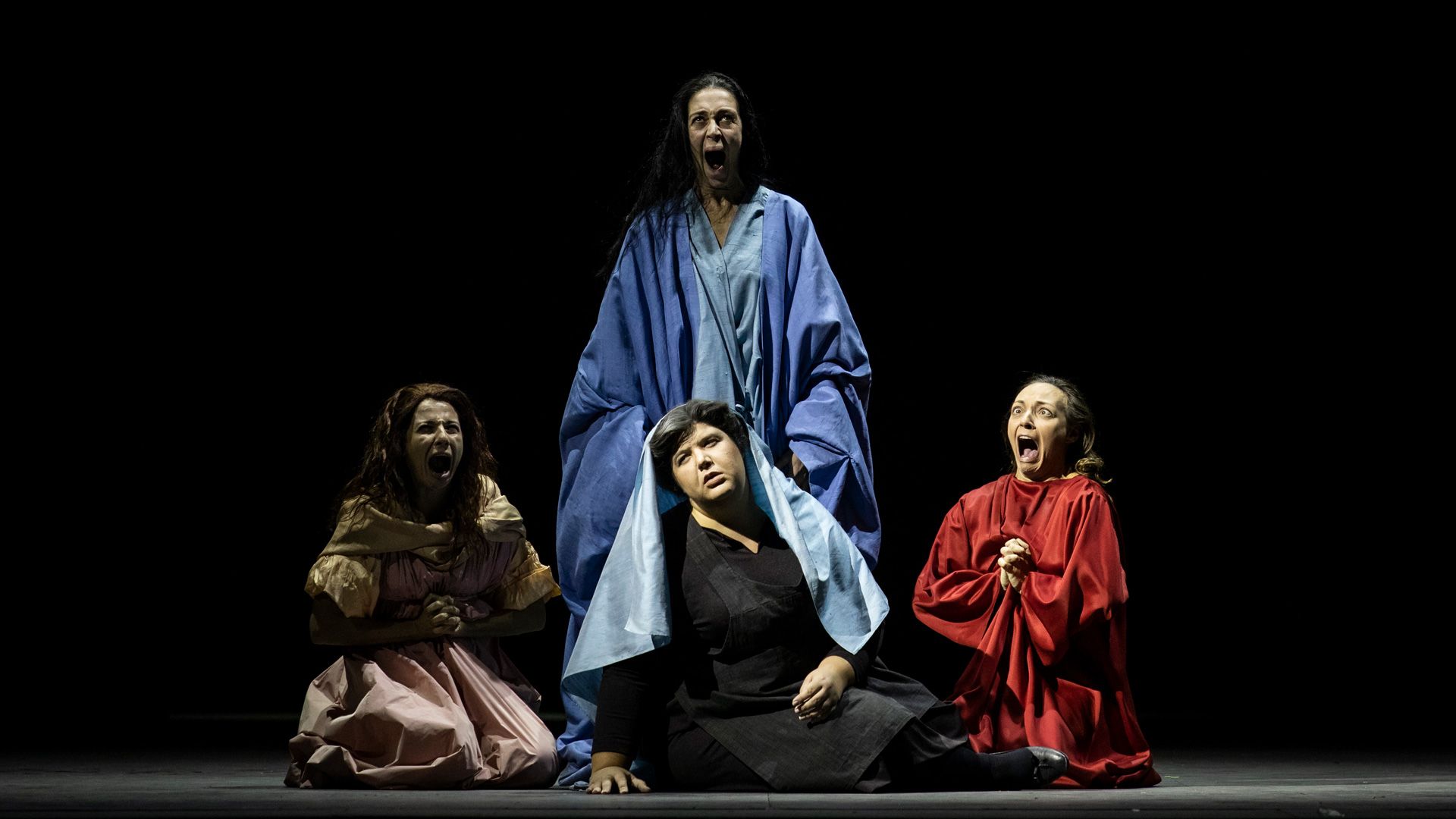
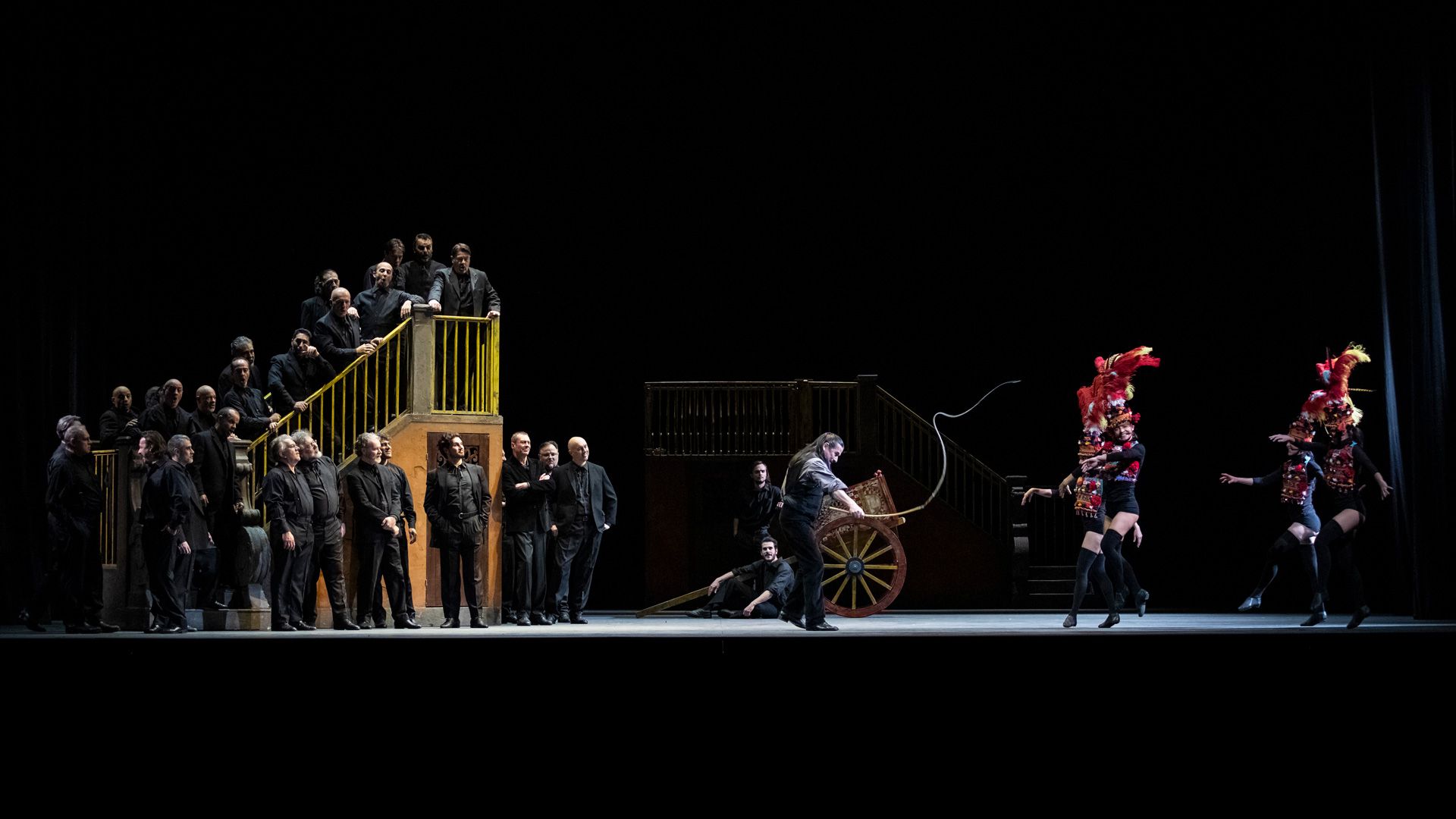
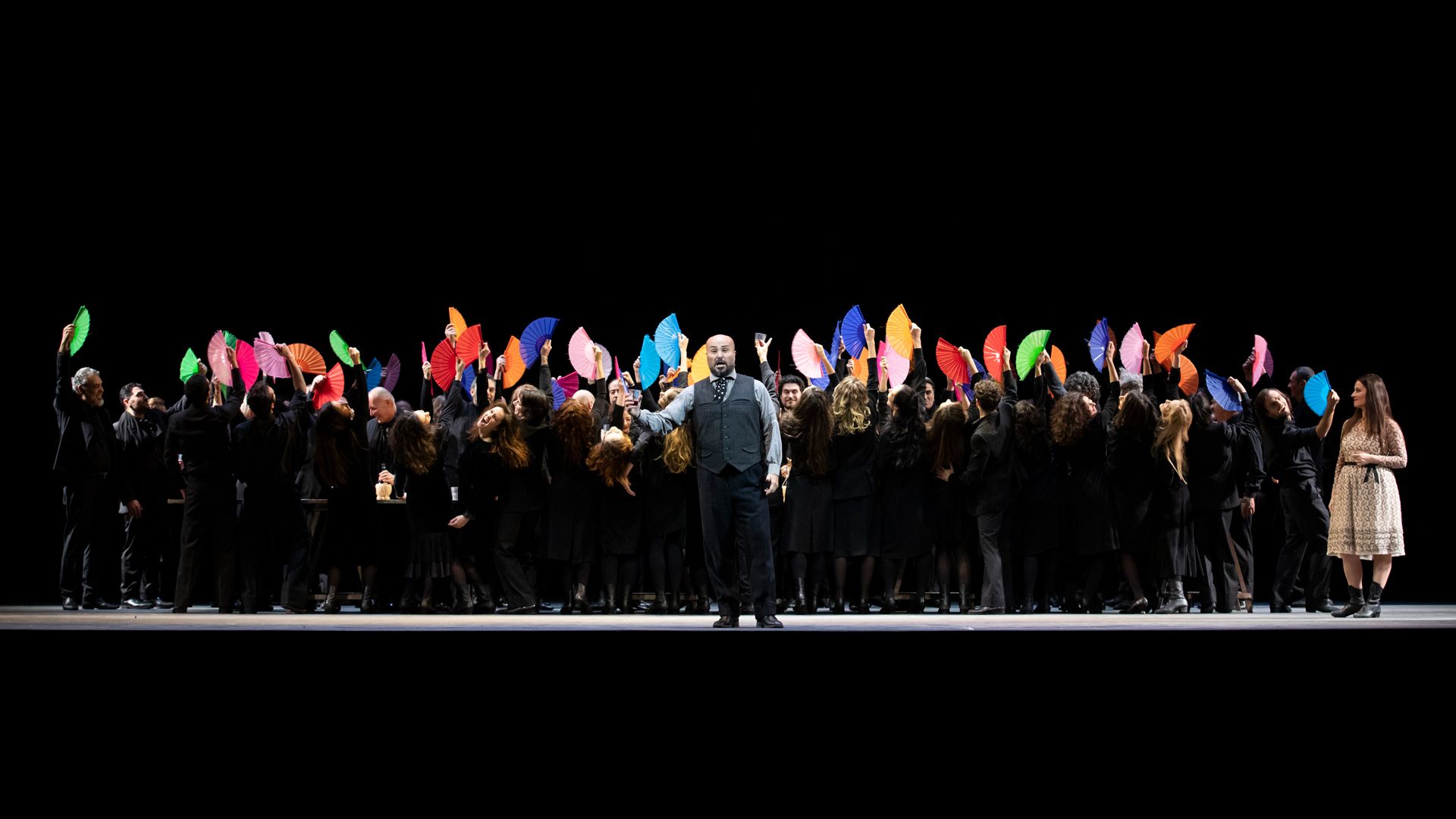
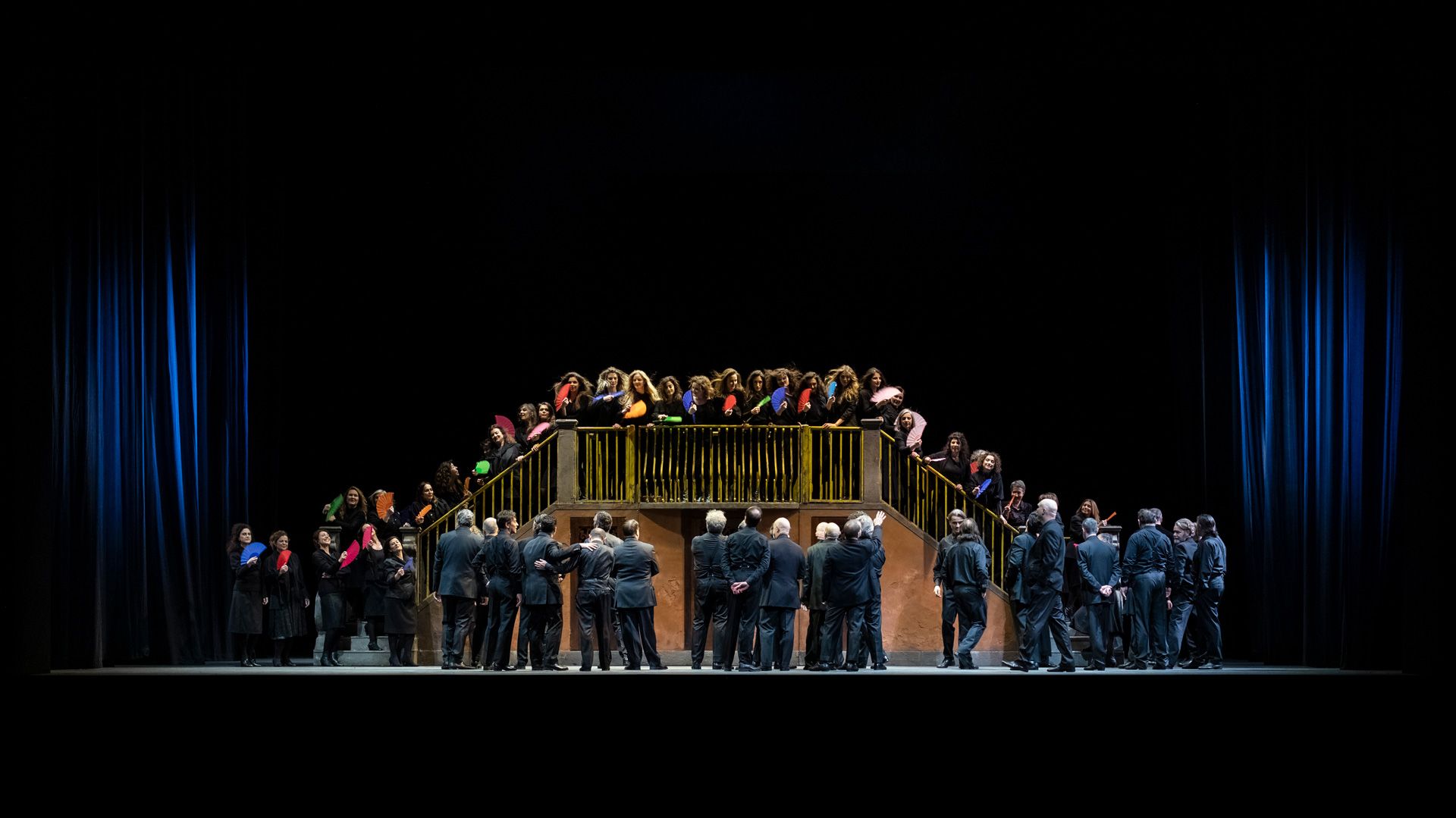
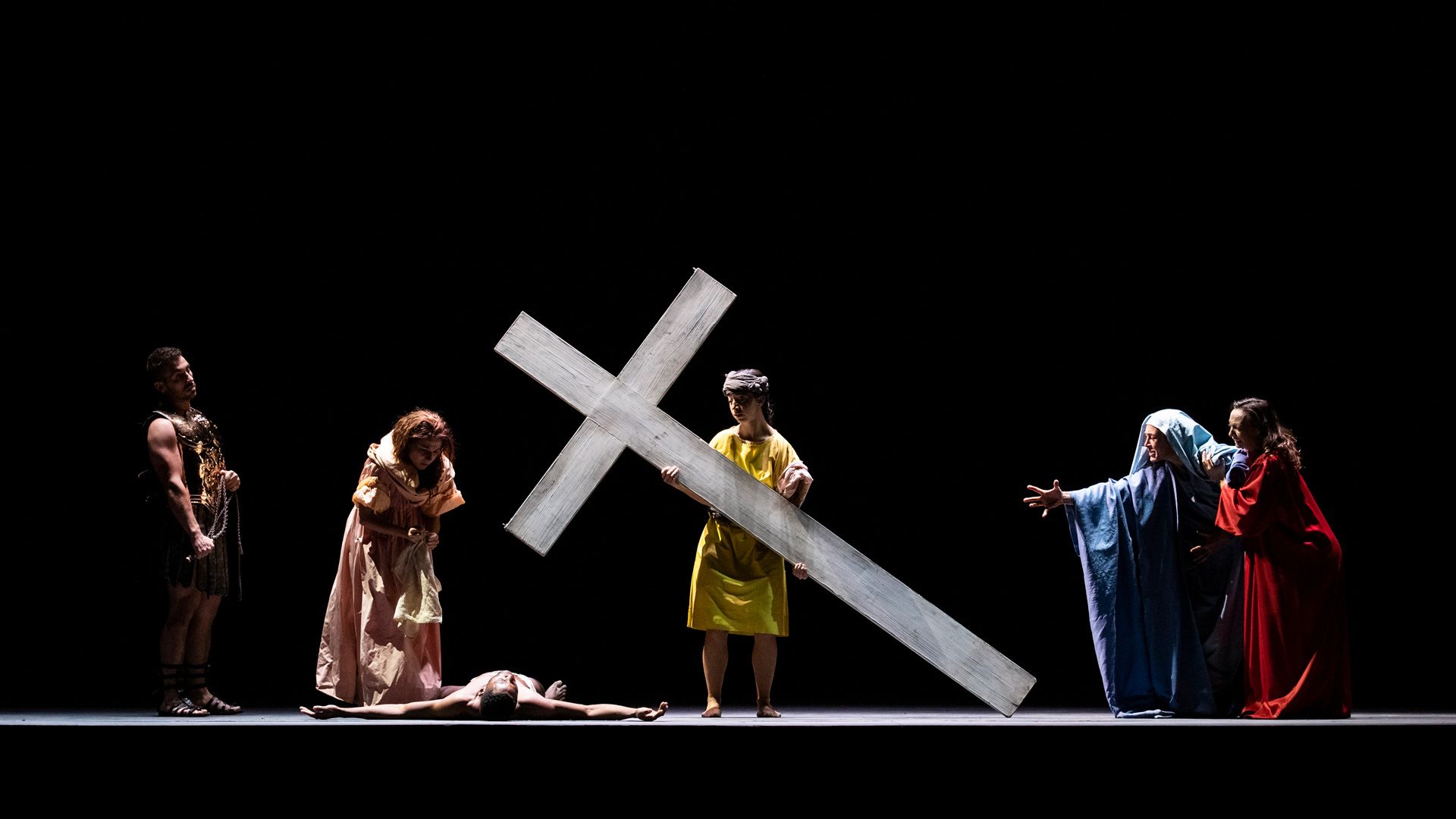
An actress, director, and playwright, she has created a series of extraordinary productions, including *mPalermu*, *Carnezzeria*, and *Vita mia*. Her work features a poignant and spectacular style of theater, populated by ghosts, moments of grace, and vivid imagery. Among her most notable productions are: *Verso Medea* (2012), *Le sorelle Macaluso* (2014, Ubu Award for Best Production of the Year), *Operetta Burlesca* (2015), and *Bestie di scena* (2017). La Scortecata debuted in 2017 at the 60th edition of the Festival dei Due Mondi in Spoleto. In 2020, one of his most successful productions—which continues to tour—was *Misericordia*, co-produced with the Piccolo Teatro in Milan and the Teatro Biondo in Palermo. Also worth noting are several opera productions she has directed, including: *Carmen* by Georges Bizet, conducted by Daniel Barenboim; *Macbeth* by Giuseppe Verdi, conducted by Gabriele Ferro; *La voix humaine* by Francis Poulenc; and *Cavalleria rusticana* by Pietro Mascagni, conducted by Michele Mariotti. She is the writer and director of three feature films: *Via Castellana Bandiera*, presented in 2013 at the Venice International Film Festival, where it won several awards; *Le sorelle Macaluso*, which won Best Film and Best Director at the 2021 Nastri d’Argento Awards; *Misericordia*, presented at the Rome Film Festival in 2023.
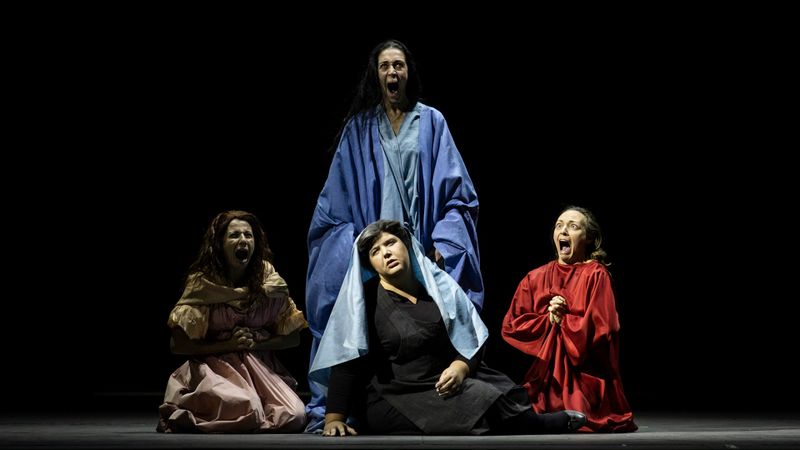
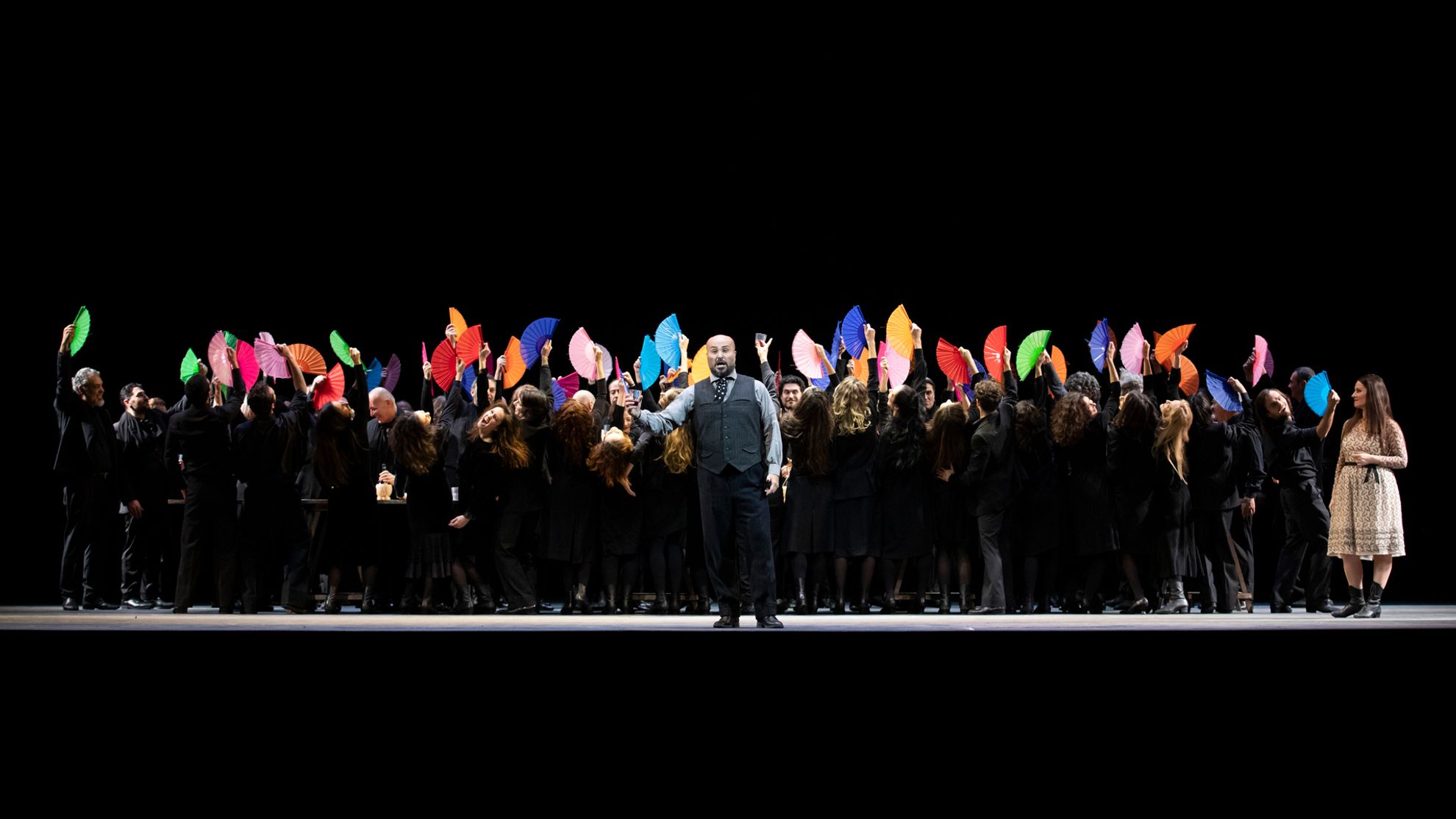
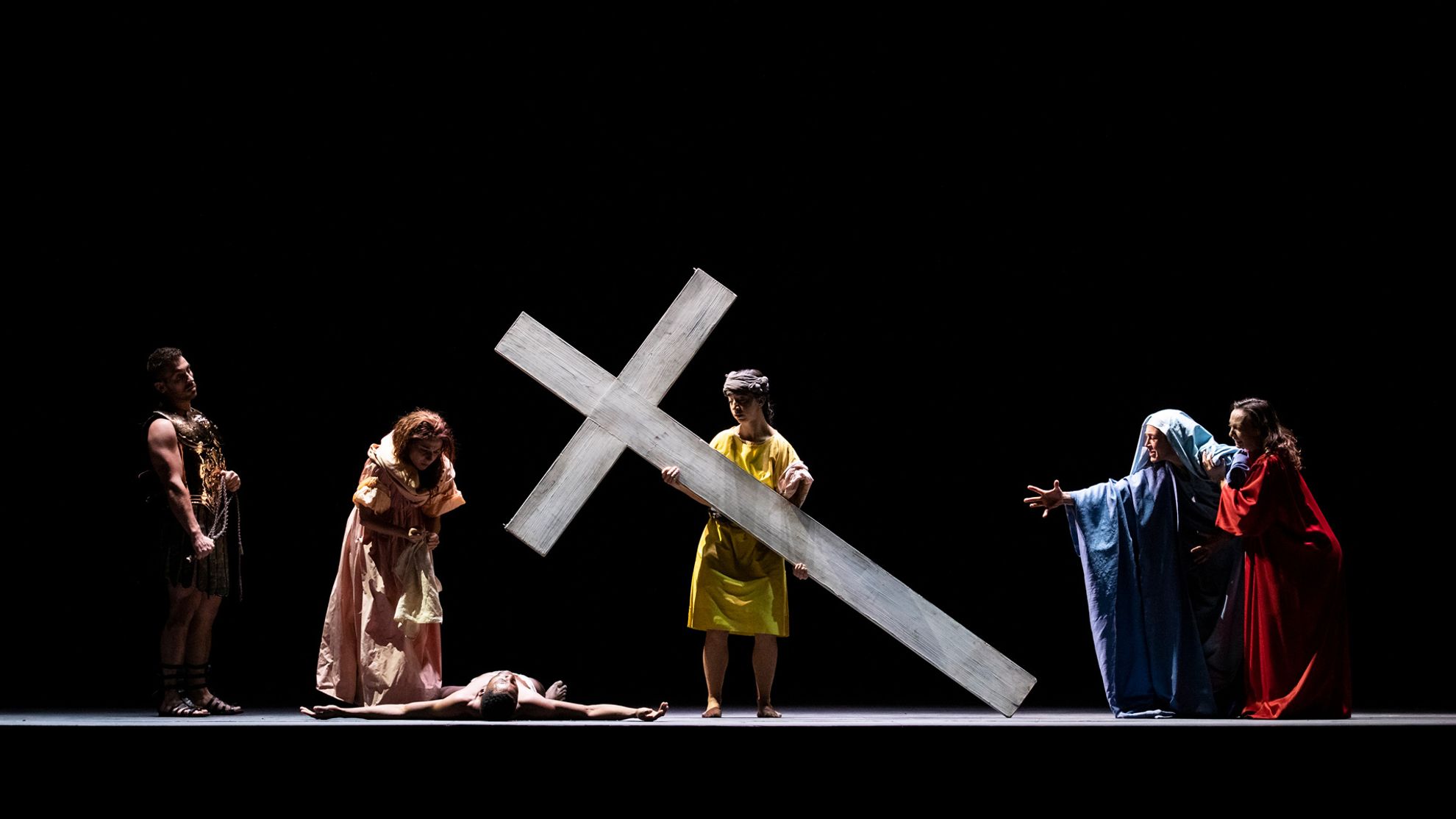
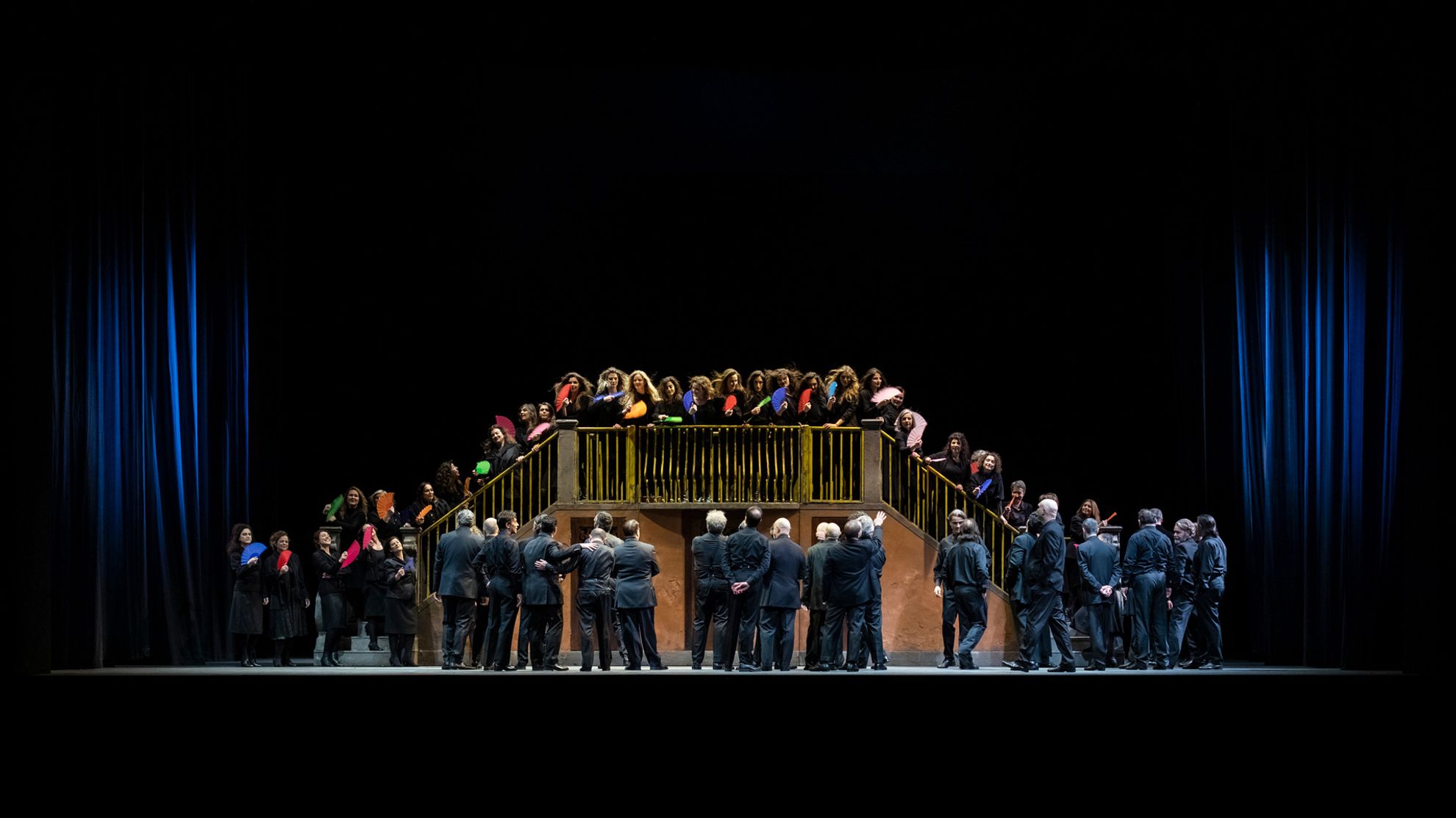
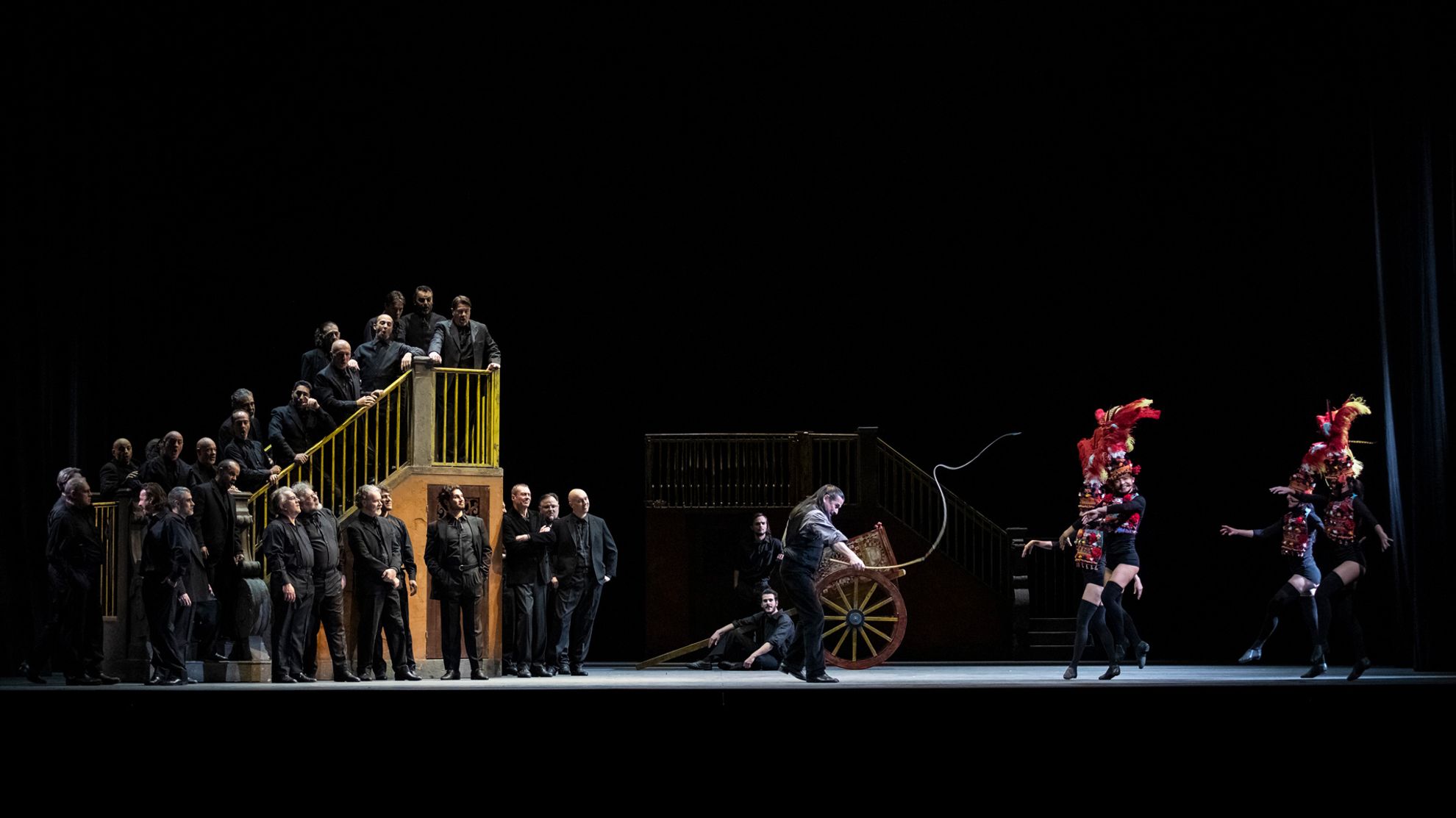
Emma Dante sees theater as a means to “reveal the unease and problems that people tend to repress”; the body is a central dimension of her aesthetic of transformation.
Anna Caterina Antonacci
Elle (Soprano)
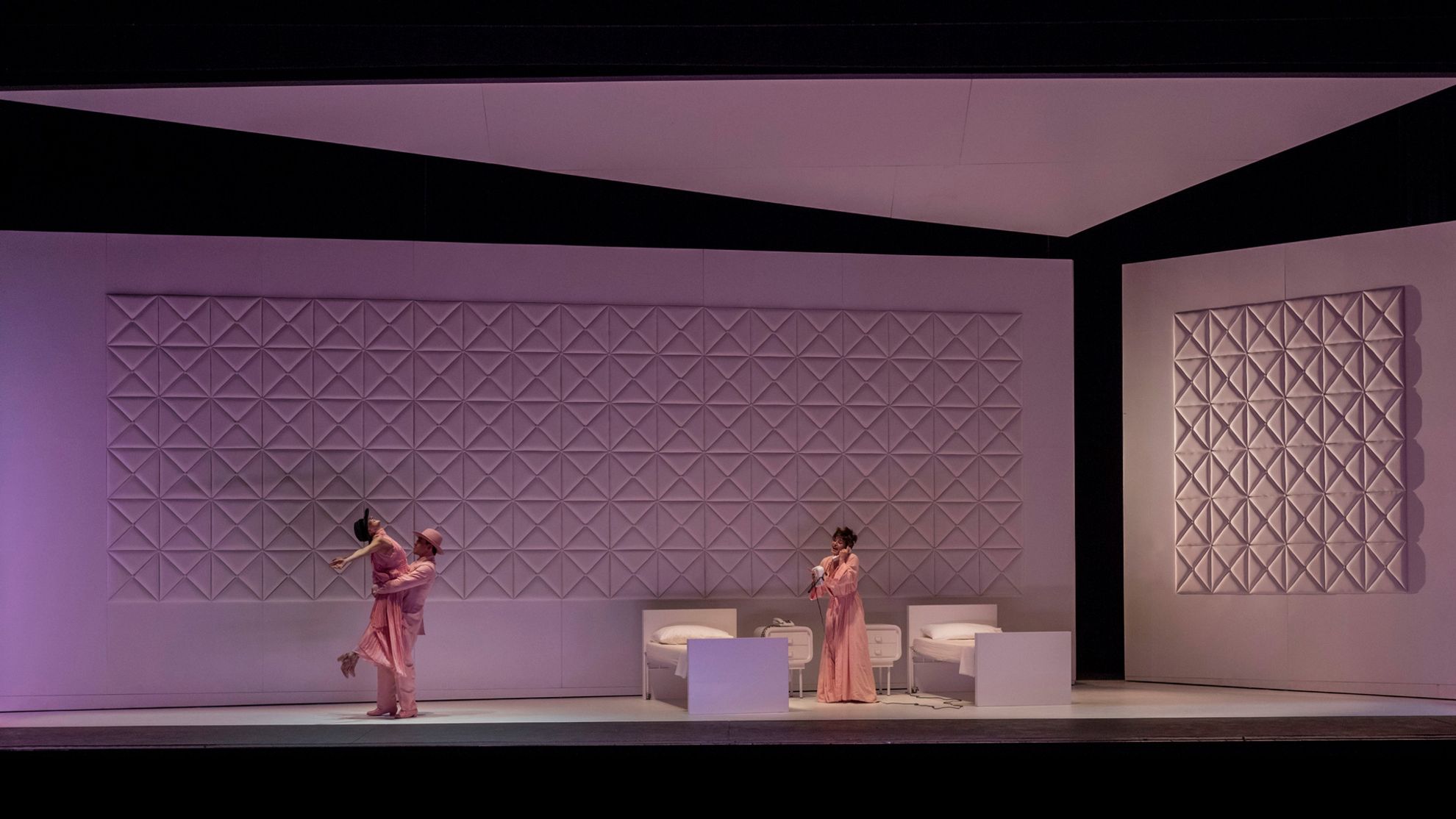
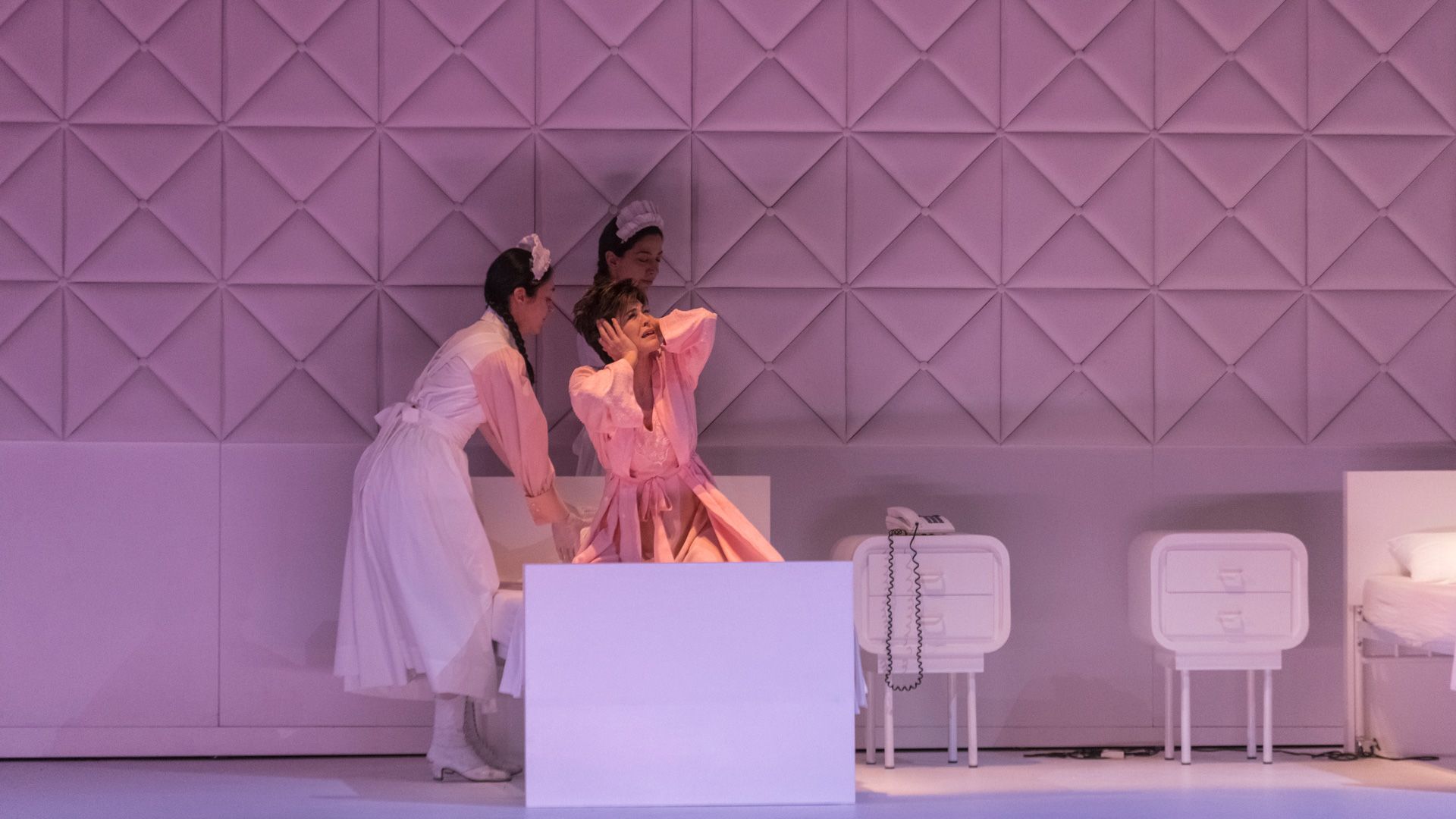
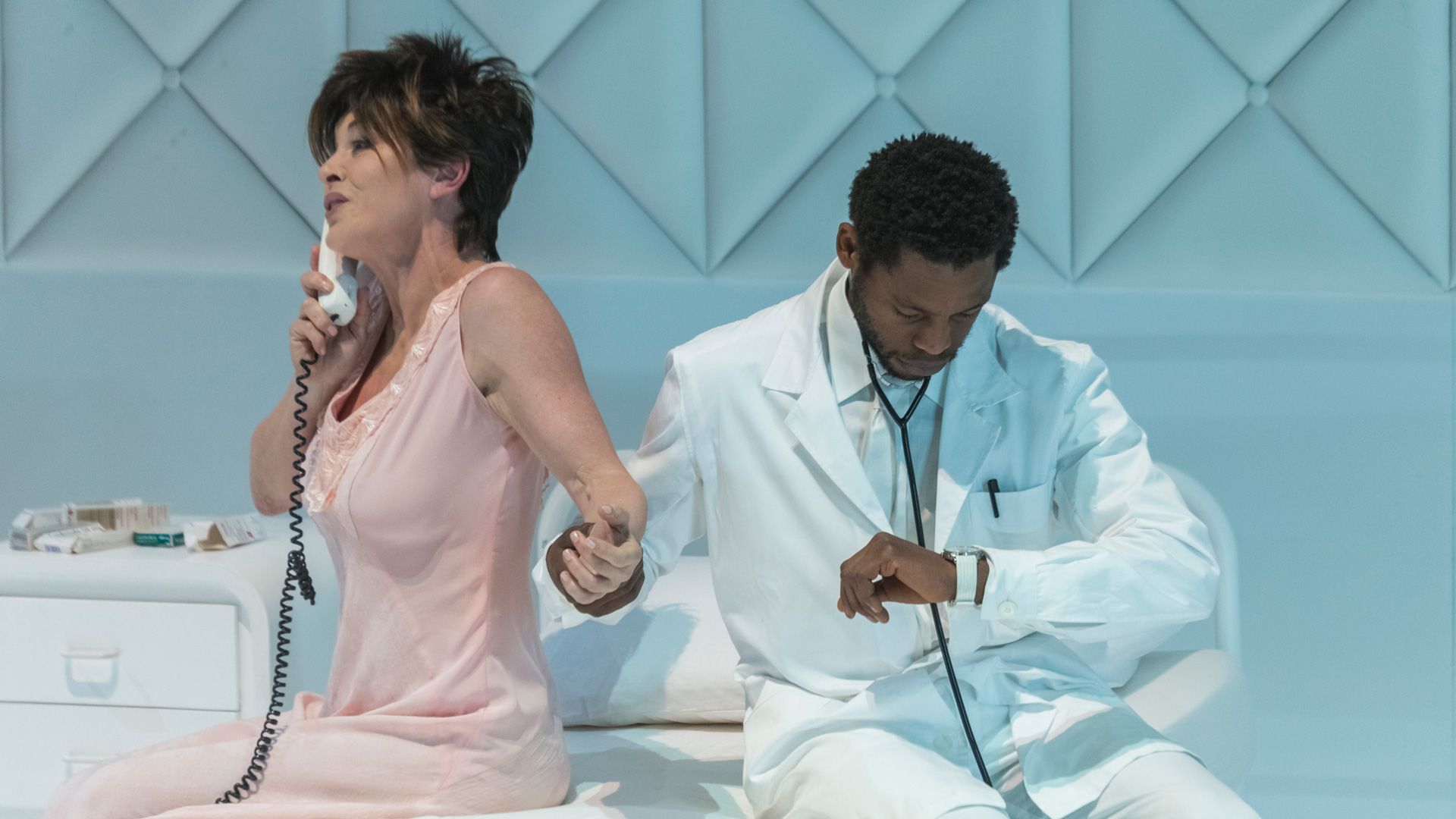
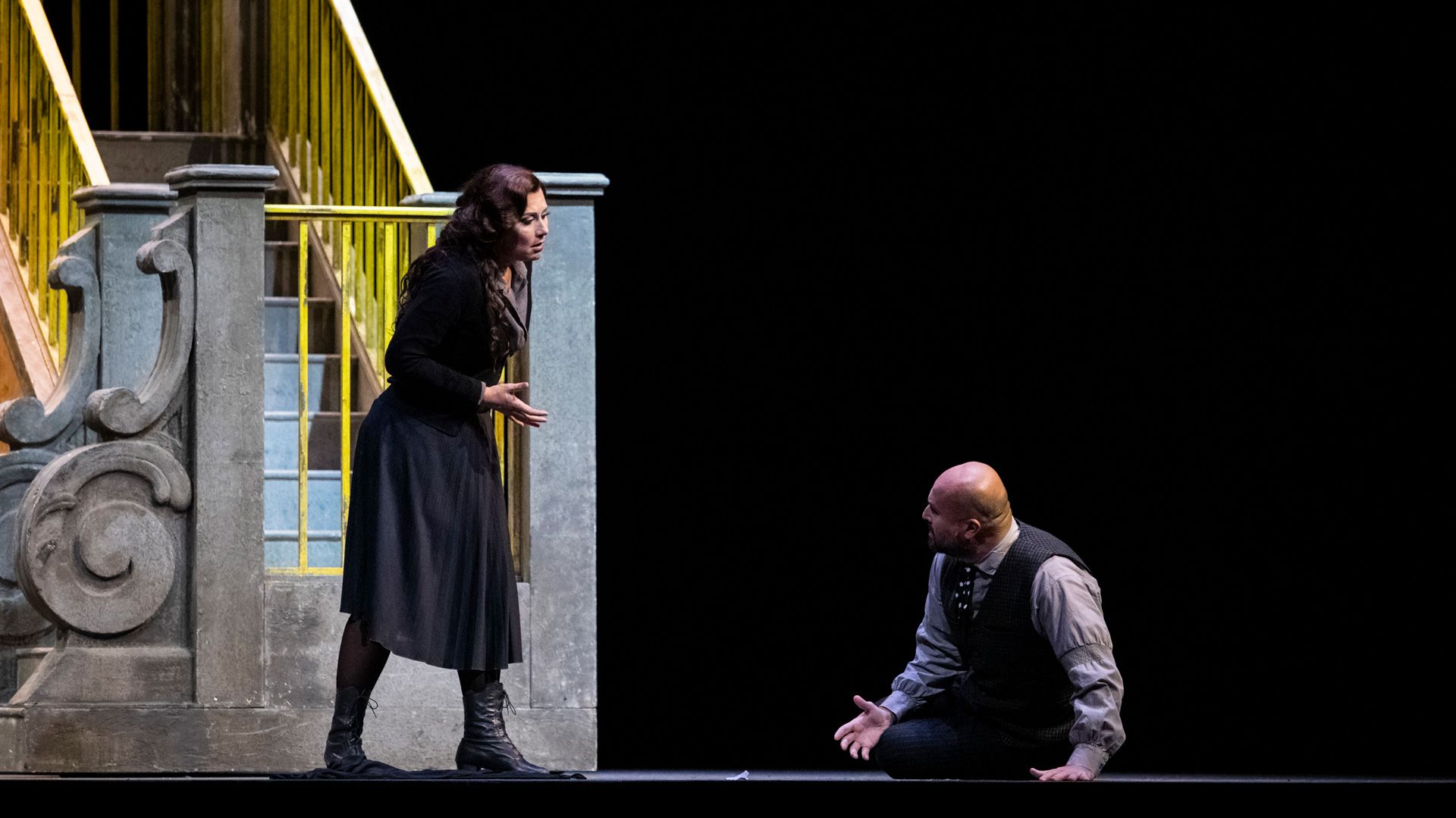
The awards that marked her arrival on the opera scene are as prestigious as they are significant. The International Verdi Vocal Competition in Parma (1988), the Maria Callas Competition, the Pavarotti Competition: her cantilena, her expressive ability, but above all, her voice. From the brilliant Rossini of her debut, she soon moved on to the serious Rossini with *Mosè in Egitto*, *Semiramide*, *Elisabetta, regina d’Inghilterra*, and *Ermione*. She then went on to perform noble and classical roles such as Donizetti’s queens and Mozart’s Elvira, Elettra, and Vitellia; with Christoph Gluck’s *Armide*, directed by Pier Luigi Pizzi and conducted by Riccardo Muti, she opened the 1996–97 season at La Scala in Milan; followed by *Alceste* in both Parma and Salzburg, and Luigi Cherubini’s *Medea* in Toulouse and at the Théâtre du Châtelet in Paris. In 2003, her triumph as Cassandra in *Les Troyens* at the Théâtre du Châtelet in Paris with Sir John Eliot Gardiner marked her transition to the great heroines of the French repertoire, following in the footsteps of Régine Crespin, as well as the emergence of a *tragédienne* and a great actress. In *La Juive* and *Carmen* (at Covent Garden with Pappano and at the Opéra Comique with Gardiner, respectively), she revived the French operatic tradition in the spirit of Viardot, another great Rossini interpreter. After Handel’s *Agrippina* and *Rodelinda*, she played Poppea in Munich and Nero in Paris in the same production of *The Coronation of Poppea*—these diverse roles provided the inspiration for *Era la notte*, her one-woman show centered on *Il Combattimento*. Her collaboration with Donald Sulzen led her to focus increasingly on melody, whether Italian (Tosti, Respighi) or French, such as Fauré (*L’horizon chimérique*), Debussy, and Reynaldo Hahn. In the seasons that followed, particularly notable performances included: *Carmen* at the Royal Opera House in London and Cassandra in *Les Troyens* at La Scala, conducted by Pappano; *Iphigenie en Tauride* at the Grand Théâtre de Genève and the world premiere of Marco Tutino’s *La Ciociara* at the San Francisco Opera and the Teatro Lirico in Cagliari; and *Sancta Susana* at the Opéra Bastille. She sang *La voix humaine* at the Theater an der Wien, at the Verbier Festival, in a production directed by Emma Dante at the Teatro Comunale in Bologna, followed by *Gloriana* in a new production by David McVicar at the Teatro Real in Madrid, and made her debut as Jocasta in *Oedipus Rex* at the Concertgebouw in Amsterdam. He has performed in two productions directed by Emma Dante: *Iphigenie en Tauride* at the Circuito Lirico Lombardo and *Dialogues des Carmelites* at the Rome Opera and the Bayerische Staatsoper.
Stefano La Colla
as
Turiddu (Tenor)
One of the most acclaimed tenors on the international opera scene, he was born in Turin to a Sicilian family and graduated from the “Pietro Mascagni” Conservatory in Livorno. He later studied with Luciana Serra and Carlo Meliciani and participated in masterclasses led by Magda Olivero and Katia Ricciarelli. He won first prize at the Voci Pucciniane competition in Torre del Lago. In 2011, he began his international career, but his breakthrough came in 2015 with his prestigious debut on the stage of La Scala as Calaf in *Turandot* (La Scala’s opening event for Expo), conducted by Riccardo Chailly. Following this great success, he was immediately invited to appear in the next production, *Cavalleria rusticana*, in the role of Turiddu. In 2017, he made his debut at the Lyric Opera of Chicago, portraying Calaf in *Turandot*. Among the many roles in his repertoire are Radamès in *Aida* (Verona, Naples, Macerata), Cavaradossi in *Tosca* (Deutsche Oper Berlin, Bayerische Staatsoper, Rome Opera, San Carlo in Naples, Maggio Musicale Fiorentino, and also with the Berlin Philharmonic and Simon Rattle), Pinkerton in Madama Butterfly (Berlin Staatsoper, La Fenice in Venice, Vienna State Opera), Calaf in *Turandot* (Teatro alla Scala, Deutsche Oper Berlin, San Carlo in Naples), Des Grieux in *Manon Lescaut* (Bavarian State Opera, Leipzig, St. Petersburg, Deutsche Oper Berlin, Amsterdam), Riccardo in *Un ballo in maschera* (Hamburg State Opera), Turiddu in *Cavalleria rusticana* (Dresden Semperoper), Canio in *Pagliacci* (Comunale in Bologna), Ismaele in *Nabucco* (Teatro alla Scala), Pollione in *Norma* (Frankfurt), Don Alvaro in *La forza del destino* (Cologne), Enzo Grimaldo in *La Gioconda* (La Monnaie in Brussels, Liceu in Barcelona, Teatro alla Scala), Manrico in *Il trovatore* (Berlin Staatsoper). Recently, he has appeared in: *Carmen* (Don José) in Wiesbaden; *Aida* in Frankfurt; Edgar (debut in the title role) at the Opéra de Nice; *Turandot* at La Monnaie in Brussels; Madama Butterfly at the Royal Opera in Copenhagen; *Il tabarro* and *Madama Butterfly* in Hamburg; *Turandot* at the Deutsche Oper in Berlin; *Il trovatore* at the Royal Opera House, Covent Garden, in London; *Tosca* at the Canadian Opera Company; *Aida* at the San Carlo in Naples, the Deutsche Oper in Berlin, and the Semperoper in Dresden; *Tosca* and *Andrea Chenier* at the Vienna State Opera; *Il trovatore* at the Zurich Opera House; *La Gioconda* at the Chorégies d’Orange and at La Scala; *Tosca* in Dresden; *La forza del destino* at the Bayerische Staatsoper in Munich; *Norma* in Frankfurt; *Il piccolo Marat* at the Concertgebouw in Amsterdam.
Veronica Simeoni
as
Santuzza (Mezzo-soprano)
Thanks to her musical talent and charisma as a performer, she tackles a vast repertoire—ranging from Rossini to Verdi, from Verismo to contemporary and rarely performed works, with a particular fondness for the French repertoire, including titles such as Berlioz’s *La damnation de Faust* (at the Rome Opera in a production by Damiano Michieletto, conducted by Daniele Gatti), Meyerbeer’s *Africaine* (as Sélika at the Teatro La Fenice in Venice, conducted by Emmanuel Villaume), *Les Troyens* (as Didon at the Palau de Les Arts in Valencia, conducted by Valery Gergiev and directed by La Fura dels Baus), *Les Contes d’Hoffmann* (Giulietta at La Scala in Milan). A native of Rome, she completed her musical and artistic training under Raina Kabaivanska, with whom she studied at the Accademia Chigiana in Siena, the Vecchi-Tonelli Institute in Modena, and Sofia State University. Throughout her career, she has appeared in prestigious productions at the world’s leading opera houses, including *Werther* (Charlotte) at the Metropolitan Opera in New York, *Don Carlo* (Eboli) and *Aida* (Amneris) at the Zurich Opera House, *La forza del destino* (Preziosilla), directed by Christof Loy at the Amsterdam National Opera under the baton of Michele Mariotti and at the Royal Opera House Covent Garden in London under the baton of Antonio Pappano; *Norma* (Adalgisa) at the Teatro Real in Madrid; *Nabucco* (Fenena) at La Scala, *Il trovatore* (Azucena) at the Teatro La Fenice in Venice and at the Opéra de Bordeaux, *Guillaume Tell* at the Rossini Opera Festival in Pesaro, directed by Graham Vick, *Roberto Devereux* (Sara) at the Deutsche Oper in Berlin and the Bayerische Staatsoper in Munich, *Anna Bolena* (Seymour) at the Opernhaus in Zurich, *Maria Stuarda* (Elisabetta) at the ABAO in Bilbao, *Carmen* at the Sydney Opera House, Henze’s *The Bassarids* directed by Mario Martone (Abbiati Prize) at the Teatro dell’Opera in Rome, *Carmen* and *Cavalleria rusticana* (Santuzza) at the San Carlo in Naples. In the concert realm, she performs a very wide-ranging repertoire, from Rossini’s *Petite messe solennelle* (Rossini Opera Festival conducted by Alberto Zedda) and Rossini’s *Stabat Mater* (La Scala, conducted by Riccardo Chailly) to Beethoven’s Ninth Symphony (Accademia di S. Cecilia with Lorin Maazel, San Carlo in Naples with Zubin Mehta, and in St. Mark’s Square in Venice, conducted by Juraj Valchua), to Verdi’s Requiem Mass (St. Petersburg conducted by Yuri Temirkanov, Maggio Musicale Fiorentino with Daniele Gatti, Washington conducted by Gianandrea Noseda, the Concertgebouw in Amsterdam with Michele Mariotti), and even cornerstones of the chamber music repertoire such as Wagner’s Wesendonck Lieder, Mahler’s Wunderhorn Lieder, and Shostakovich’s Six Lyrics to poems by Marina Tsvetaeva. In 2019, she released *Voix d’espoir* with pianist Michele D’Elia for the Maggio Live series. Recent highlights include: *La fille du régiment* at the Royal Opera House in Muscat, Malipiero’s *La vita è sogno*, Beethoven’s Ninth Symphony with Daniele Rustioni at the Teatro La Fenice in Venice, *Don Carlo* at La Scala in Milan under the baton of Riccardo Chailly, *Il trovatore* in Tel Aviv, *Norma* at the Teatro Comunale in Bologna, Berlioz’s *Les Troyens* in Cologne, *Carmen* at Caracalla with the Rome Opera, and *Aida* at the Macerata Opera Festival.
Dalibor Jenis
as
Alfio (Baritone)
A captivating performer, acclaimed for his “deep, rich voice” (Los Angeles Times), of Slovak origin, he has performed leading roles in operas by Bellini, Rossini, Mozart, Verdi, and Puccini at the world’s most prestigious theaters, including La Scala in Milan, ROH Covent Garden in London, the Opéra National de Paris, the Vienna State Opera, the Theater an der Wien, the Deutsche Oper Berlin, the Hamburg State Opera, the Bavarian State Opera in Munich, the Edinburgh International Festival, the Los Angeles Opera, the New National Theatre Tokyo, Opera Australia in Sydney, the Arena di Verona, the Rome Opera, the Maggio Musicale Fiorentino, and many others. He has worked with conductors such as James Conlon, Myung-whun Chung, Asher Fisch, Daniele Gatti, Gianandrea Noseda, Renato Palumbo, and Alberto Zedda. Among his recent and upcoming engagements: *Simon Boccanegra* at La Scala under the baton of Maestro Chung; *Otello* (Jago) at the Vienna State Opera and at the Teatro La Fenice in Venice under the baton of Maestro Chung; *Cavalleria rusticana* and *Pagliacci* at the Deutsche Oper in Berlin and the Teatro Comunale in Bologna; *Carmen* (Escamillo) at the Opera de Las Palmas and the Bolshoi Theater; *Rigoletto* at Opera Australia, the Leipzig Opera, the Stuttgart Opera, the Savonlinna Opera Festival, and the Teatro La Fenice in Venice; a new production at the Opéra de Lyon, conducted by Maestro Rustioni, and at the Bremen Festival, conducted by Maestro Rohrer; *Macbeth* at the Opéra de Nice and the Opéra de Marseille; *La traviata* at the Teatro de la Maestranza in Seville; *I puritani* at the Opera de Oviedo; *Tosca* (debut in the role of Scarpia) at the Teatro Comunale in Bologna, conducted by Maestro Oren; *Manon Lescaut* (Lescaut) at the Bolshoi in Moscow; Un ballo in maschera and Tosca at the Teatro Petruzzelli in Bari; Nabucco at the Bayerische Staatsoper in Munich and the Deutsche Oper in Berlin; La Gioconda (Barnaba) at the Deutsche Oper in Berlin.
Lucrezia Drei
Lola (Soprano)
A native of Milan, she graduated from her city’s conservatory. She won the AsLiCo competition in Como twice (2014 and 2015), the Pavarotti Prize at the 65th Viotti International Music Competition, and First Prize at the “Paola Montaldi” competition in Mantua for sacred music. She began her training in the Children’s Choir of Milan’s Teatro alla Scala, participating in numerous productions under conductors such as Riccardo Muti, Lorin Maazel, Zubin Mehta, and Daniel Barenboim. At just 13 years old, she sang her first solo role in Janáček’s *The Cunning Little Vixen* at La Scala under the baton of Sir Andrew Davis, followed by several other solo roles, including Yniold in *Pelléas et Mélisande* conducted by Georges Prêtre. As one of the top talents at the Accademia Rossiniana in Pesaro, she made her debut at the Rossini Opera Festival in 2016 in the role of Corinna in *Il viaggio a Reims* and in 2018 in Rossini’s *Petite Messe Solennelle*. Over the past few seasons, she has appeared as Adina in *L’elisir d’amore* at the New National Theatre in Tokyo, the Opéra de Toulon, the Teatro Regio in Turin, and the Teatro Massimo in Palermo; Gilda in *Rigoletto*, Susanna in *Le nozze di Figaro*, Mademoiselle Jouvenot in *Adriana Lecouvreur*, Flora in *The Turn of the Screw*, Blonde in *Die Entführung aus dem Serail* at the Savonlinna Festival, and the First Lady in *Die Zauberflöte* at the Royal Opera House in Muscat, the Teatro Regio in Turin, and the Macerata Opera Festival in a new Italian-language production directed by Graham Vick. She also appeared in Fauré’s *Requiem* at the Théâtre du Capitole in Toulouse, Respighi’s *Sleeping Beauty in the Woods* in St. Petersburg, *The Journey to Reims* (Corinna) and *The Merry Widow* (Valencienne) at the Verona Philharmonic, *Die Zauberflöte* (Pamina) and Mendelssohn’s *A Midsummer Night’s Dream*, conducted by Gianluigi Gelmetti at the Verdi in Trieste, *Un ballo in maschera* (Oscar) at the Rome Opera, *Petite Messe Solennelle* at the Rossini Theater in Pesaro, *Rigoletto* at the Carlo Felice Theater in Genoa, *La cenerentola* (Clorinda) at the Bavarian State Opera in Munich, *L’elisir d’amore* (Giannetta) at the Opéra National de Paris, *La bohème* in Marseille. Among her most recent highlights are *Die Fledermaus* (Roselinde) at the Teatro Lirico in Cagliari, *Gianni Schicchi* (Lauretta), *Il tabarro* and *Suor Angelica* at the Teatro Regio in Turin, *Don Giovanni* (Zerlina) and *Il matrimonio segreto* (Carolina) at the Teatro La Fenice in Venice, *Anna Bolena* in Hong Kong, *La Tragédie de Carmen* (Micaela) at the Teatro delle Muse in Ancona, The Marriage of Figaro (Susanna) and Così fan tutte (Fiordiligi) at the Teatro Verdi in Salerno, The Capulets and the Montagues (Juliet) at the Vilnius Opera.
Agostina Smimmero
as
Mamma Lucia (Mezzo-soprano)
She graduated with top honors in opera singing from the “S. Pietro a Majella” Conservatory in Naples, establishing herself as a prize winner in prestigious competitions including the “Montserrat Caballé,” “Rosa Ponselle,” and “Simone Alaimo” competitions. At a very young age, she made her debut in the role of Tancredi at the Teatro La Maestranza in Seville alongside soprano Mariella Devia and tenor Gregory Kunde; Subsequently, she made her debuts in the leading roles of her repertoire: Santuzza in *Cavalleria rusticana*, directed by Andrea Cigni and conducted by Sergio Alapont; Azucena in *Il trovatore* at the Teatro Mozart in Zaragoza and at the Teatro Nacional de São Carlos in Lisbon, where she also made her debut in the role of Maddalena in *Rigoletto*; The Baroness of Champigny in *Il cappello di paglia di Firenze* at the Teatro Comunale in Florence, conducted by Andrea Battistoni and directed by Andrea Cigni; Mercedes in *Carmen* at the Auditorium in Milan, conducted by Jader Bignamini; Fenena in *Nabucco* as part of the Circuito Marchigiano. She has also performed in Respighi’s *La Campana Sommersa* in Cagliari, *Nabucco* in Las Palmas, and appeared in *Suor Angelica* at the Teatro San Carlo in Naples. She frequently ventures into the contemporary repertoire, appearing in numerous galas with Andrea Bocelli, Paata Burchulatze, Montserrat Caballé, Fiorella Cedolins, Sergi Giménez, Nicola Martinucci, Montserrat Martì, Joan Pons, and Roberto Servile; she sang for Pope Francis in a globally televised event. Recently, she has portrayed Ulrica in *Un ballo in maschera* in Piacenza, Ravenna, Ferrara, Cagliari, Parma, Naples, Rennes, Nantes, and Cologne; Falstaff in Cagliari, Nice, and Antibes; *Il trovatore* in Oviedo; Beethoven’s Ninth Symphony in Milan for the *Pomeriggi Musicali* series; *La Gioconda* in Barcelona, Piacenza, Modena, Reggio Emilia, Toulouse, Catania, at the Verona Philharmonic, and for the Lombardy Circuit; *Cavalleria rusticana* in Palermo, Matera, Bologna, Salerno, the Arena di Verona, and Turin; *Rigoletto* in Taormina, Parma, Verona, and Muscat; *Il trovatore* and *Nabucco* at the Regio in Turin; *Gianni Schicchi* in Brescia, Pavia, Cremona, and Como; *Madama Butterfly* in Cagliari; *Petite Messe Solennelle* in Verona.
Donato Sivo
,
Chorus Master
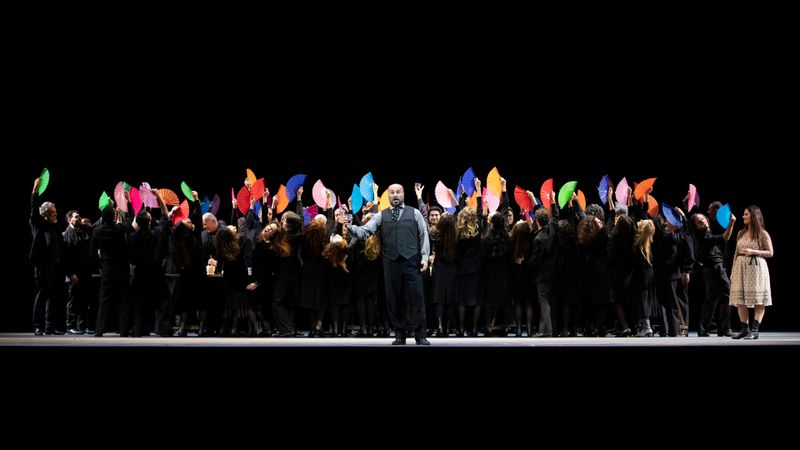
He earned his degree in Orchestral Conducting with highest honors from the Matera Conservatory, in Choral Music and Choral Conducting from the Avellino Conservatory, in Piano from the Bari Conservatory, and in Intermediate Composition, in Orchestral Conducting with Donato Renzetti at the Accademia Musicale Pescarese, and at the Wiener Meisterkurse für Musik with J. Kalmar. He currently heads the Orchestral Practice class at the “Nino Rota” Conservatory in Monopoli. In June 2023, he served as chorus master at the Lausanne Opera House for *Norma*, directed by Stefano Poda and conducted by Diego Fasolis. From 2017 to 2020, he was chorus master at the Teatro Lirico in Cagliari. In 2013, he served as Chorus Master for Swiss Radio and Television in Bellini’s *Norma*, performed at both the Pentecost Festival and the Salzburg Festival with Cecilia Bartoli, Michele Pertusi, John Osborn, and under the baton of Giovanni Antonini. The same opera was revived in October and November 2016 in Paris at the Théâtre des Champs-Élysées and at the Festspielhaus in Baden-Baden.
Carmine Maringola
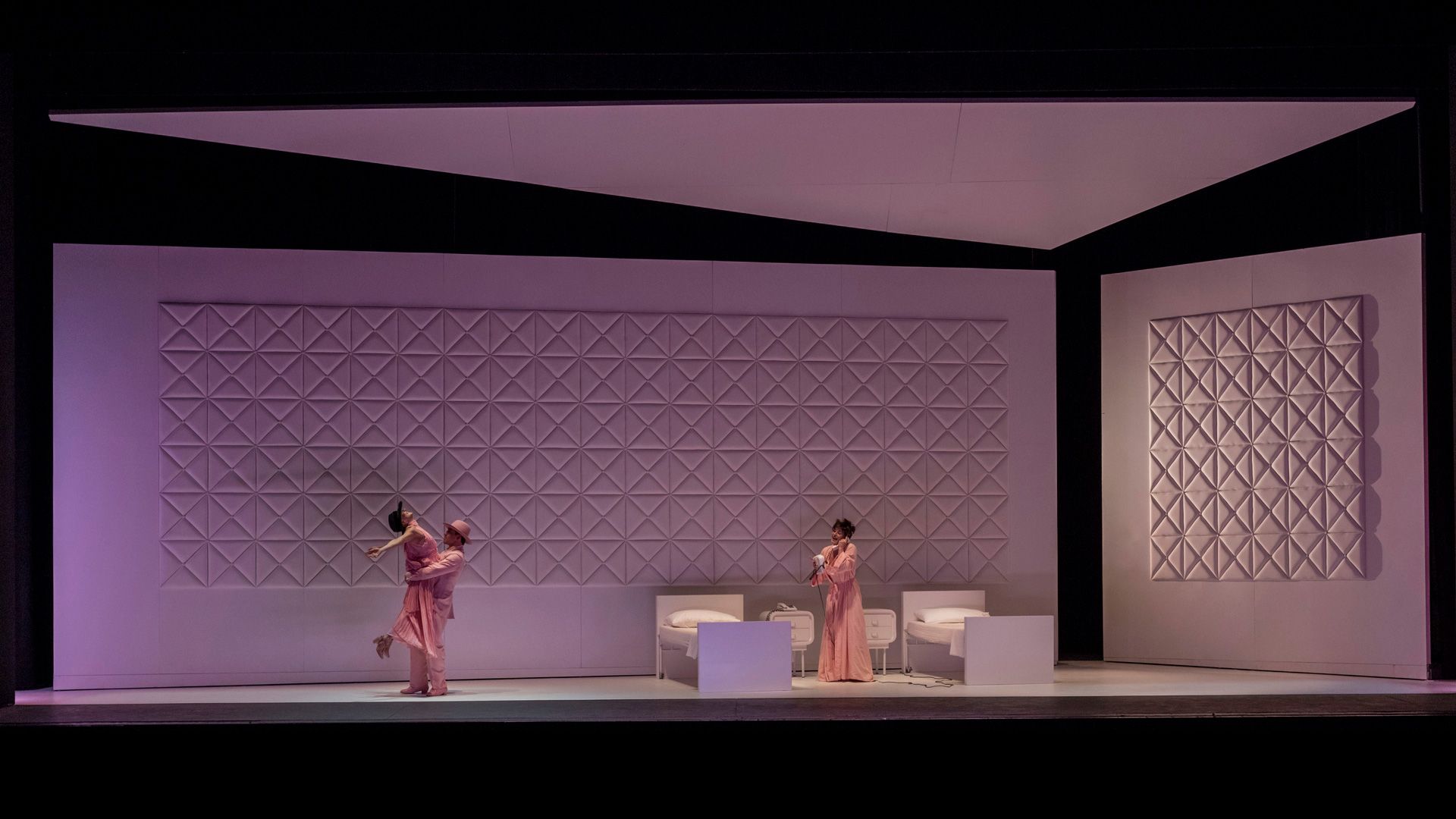
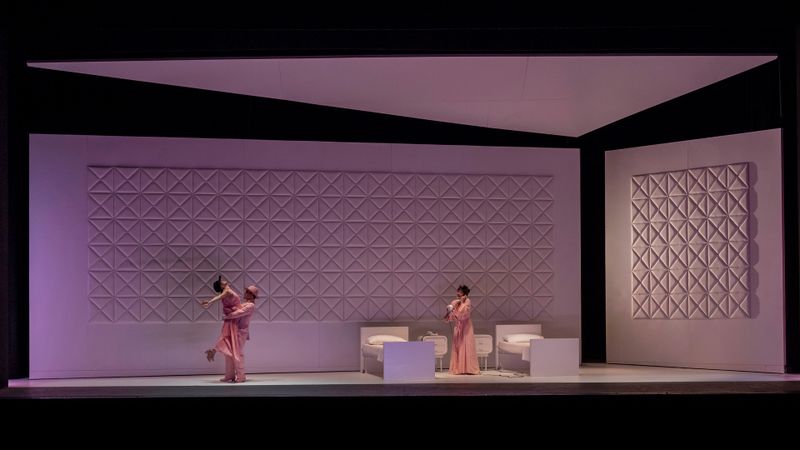
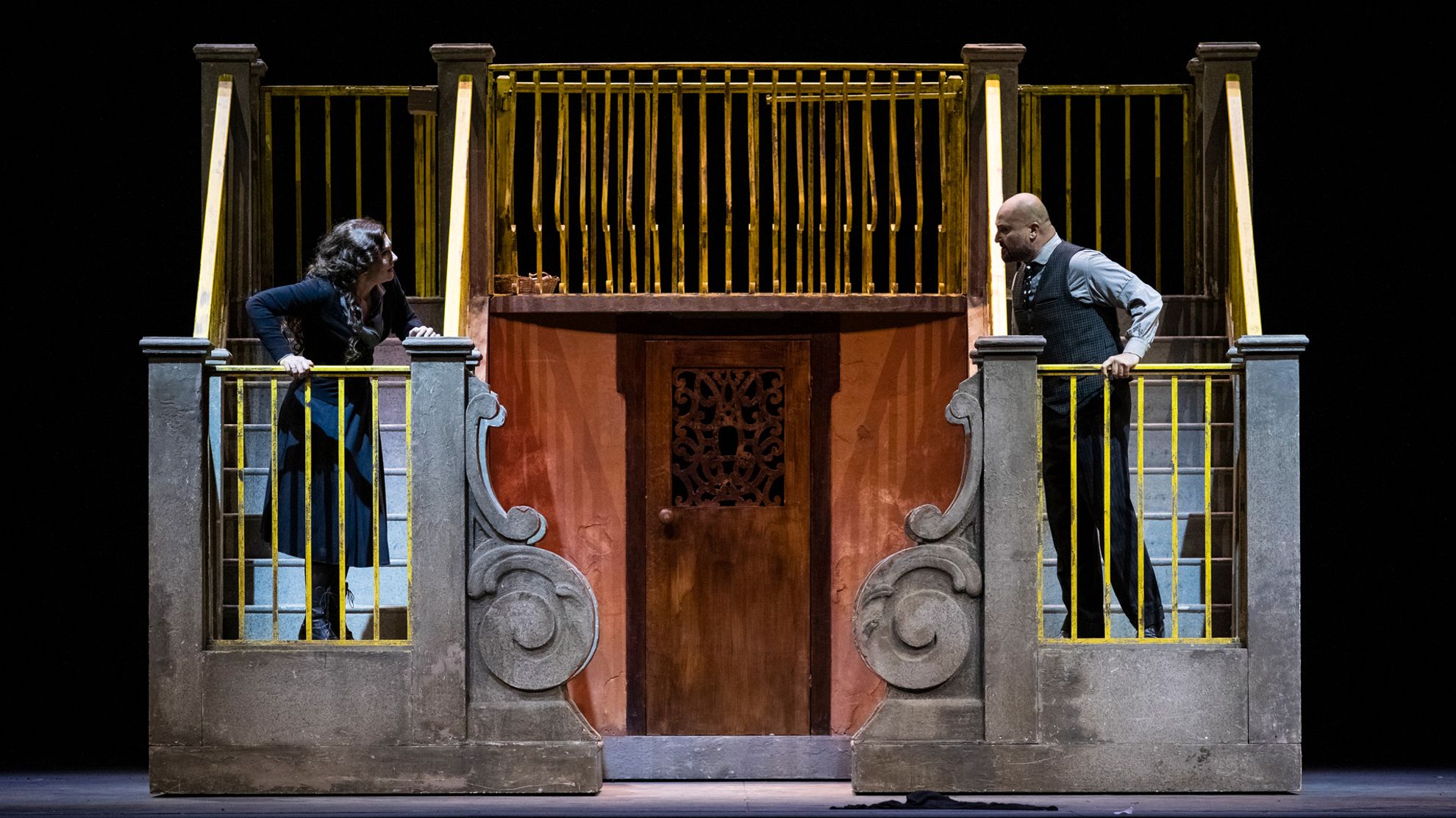
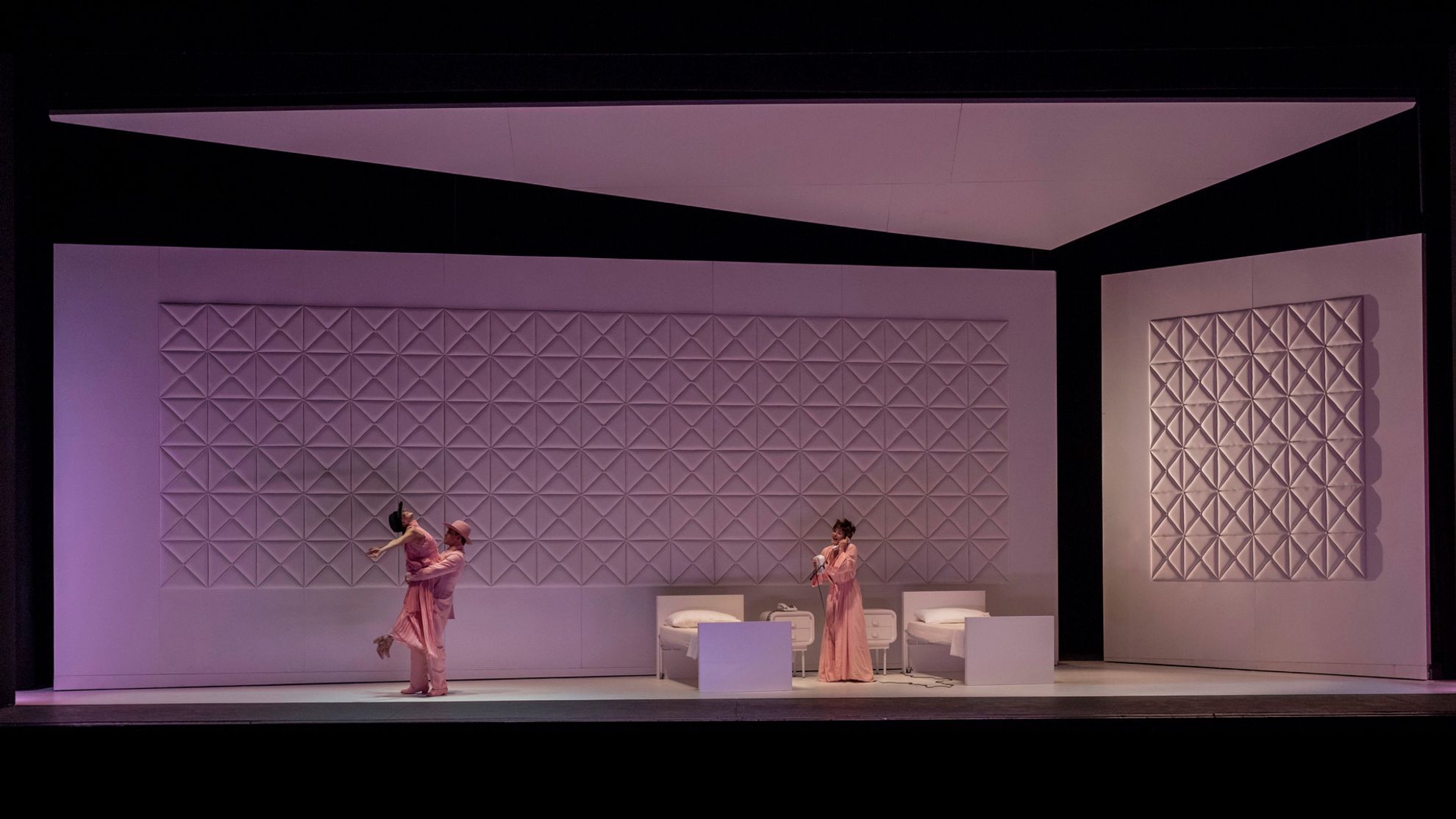
Set Design
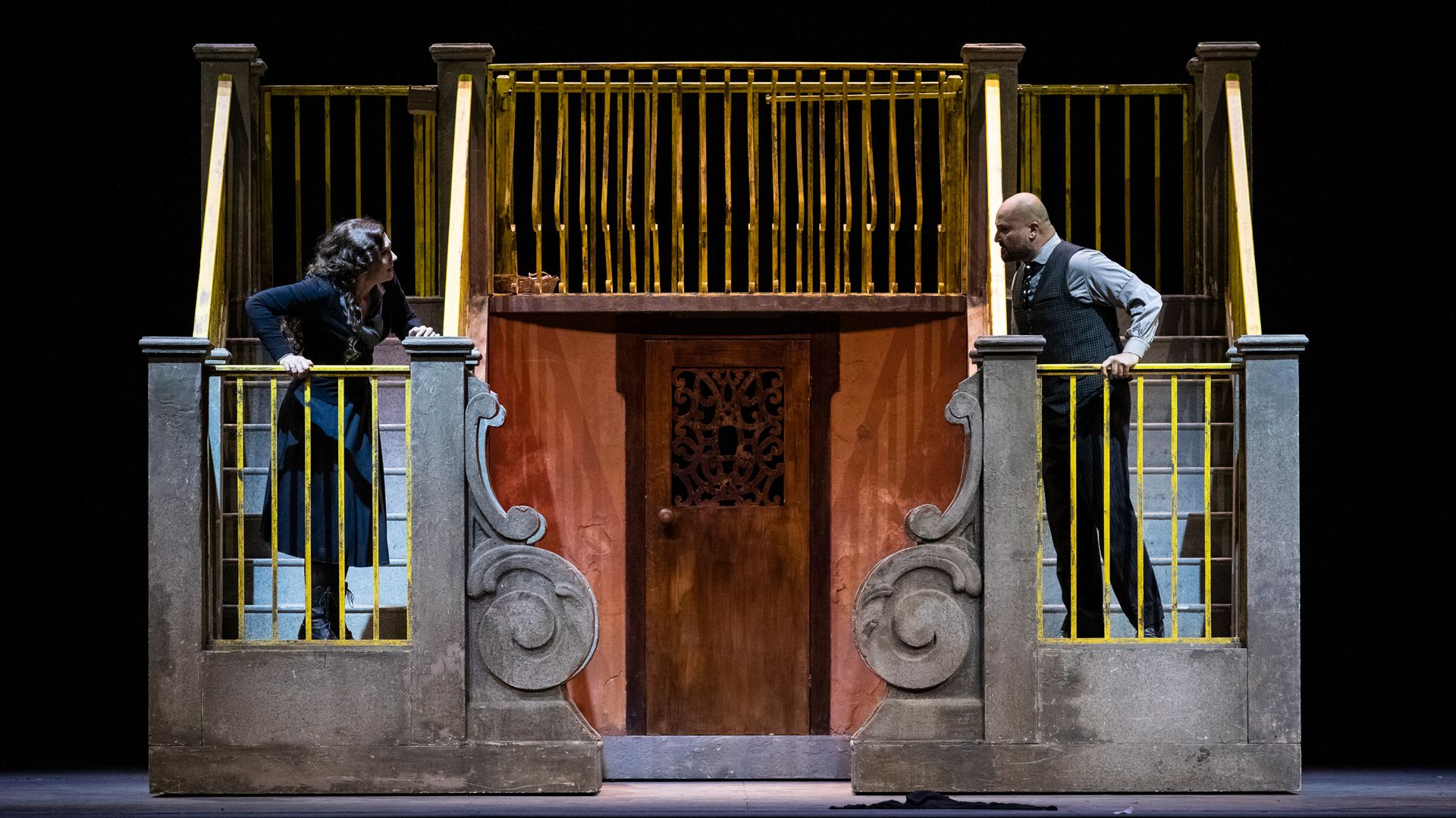
Born in Portici in 1974, he graduated with honors in Architecture from the University of Naples Federico II in 1999. He alternates his work as a set designer with that of an actor, experiencing theater in its entirety. In 2005, he met Emma Dante, moved to Palermo, and joined the Sud Costa Occidentale theater company as an actor, set designer, and photographer.
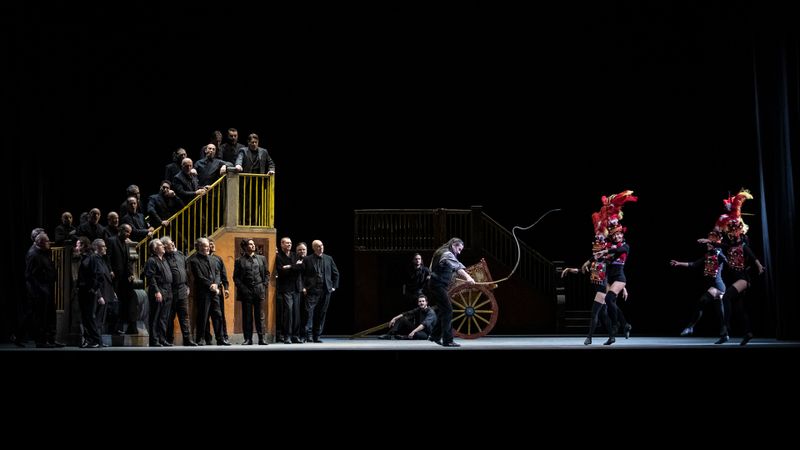
He has worked for prestigious opera houses, including La Scala in Milan, the Teatro San Carlo in Naples, the Teatro Massimo in Palermo, the Teatro Regio in Turin, the Teatro dell’Opera in Rome, the Staatsoper Berlin, and the Opéra Comique in Paris, creating sets for various operas directed by Emma Dante, including *Macbeth*, *I Vespri Siciliani*, *La Cenerentola*, *Cavalleria Rusticana*, *La Bohème*, and *Rusalka*. In 2018, he designed the sets for the tragedy *Heracles* at the Greek Theater in Syracuse. As an actor, he has appeared in productions directed by Emma Dante, including *Cani di bancata*, *Le pulle*, *Acquasanta*, *Verso Medea*, *Operetta Burlesca*, *La Scortecata*, *Pupo di zucchero*, and *Bestie di scena*; he is currently on tour with the productions *Re Chicchinella* and *La Scortecata*. In 2024, he received the Hystrio Award for Best Actor.
Vanessa Sannino
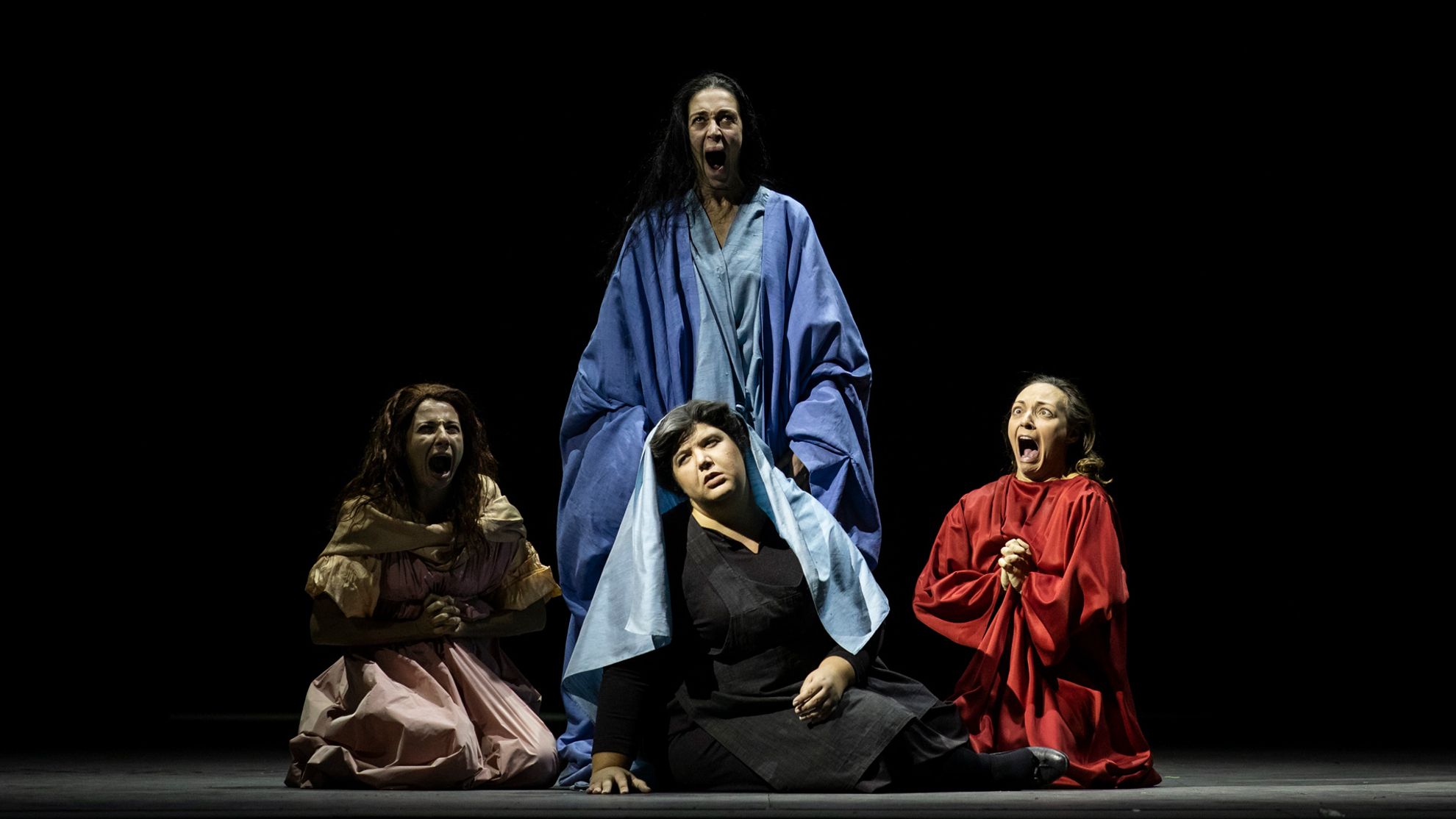
Costumes
An artist and costume designer based in Italy and France, she trained as a set and costume designer at Brera and the Accademia della Scala. There she met, among others, Richard Peduzzi and Emma Dante; she collaborated with the latter as a costume designer at theaters such as La Scala, the Rome Opera, the San Carlo in Naples, the Massimo in Palermo, and the Opéra Comique (*Carmen*, *La Cenerentola*, *Macbeth*, *Feuersnot*, *Gisela!*, La muta di Portici, Cavalleria rusticana, La Voix humaine, I vespri siciliani, La bohème, L’angelo di fuoco, I dialoghi delle carmelitane, Rusalka, and Nabucco), and the Greek Theater in Syracuse (Heracles). She worked for many years in opera and theater with Jérôme Deschamps. For Juliette Deschamps, he designed the costumes for *Il Novello Giasone* by Cavalli and Stradella, *La Salustia* by Pergolesi, *Armida* by Traetta, *Bluebeard’s Castle* by Bartók, and *Chérubin* by Massenet. He then created sets and costumes for *Heureux les heureux*, starring Carole Bouquet. She also collaborated with the duo Valérie Lesort and Christian Hecq, designing the costumes for Auber’s *Le Domino Noir*, Cavalli’s *Ercole Amante* (Opéra Comique), Molière’s *Le Bourgeois Gentilhomme* (Comédie-Française), Swift’s *Les Voyages de Gulliver* (Athénée Théâtre Louis-Jouvet), *La Petite Boutique des Horreurs*, and—directed by Valérie Lesort—*La Perichole* and *Les Soeurs Hilton*. Among her most recent works are *Joan of Arc* at the Regio in Parma, *Salomé* at the Maggio Musicale, and *Les Contes de Perrault*, on tour from the Opéra de Reims. She was nominated for the Molière Award for *Un fil à la Patte* (2011), *Le Bourgeois Gentilhomme* (2024), and *Les Soeurs Hilton* (2025), and for the David di Donatello Award for *Le Sorelle Macaluso* (2021), she won the Molière Award for Gulliver’s Travels (2023) and the Trophée de la Comédie Musicale for La Petite Boutique des Horreurs (2023), where she has also just received a new nomination for Les Soeurs Hilton.
Cristian Zucaro
Lighting Design
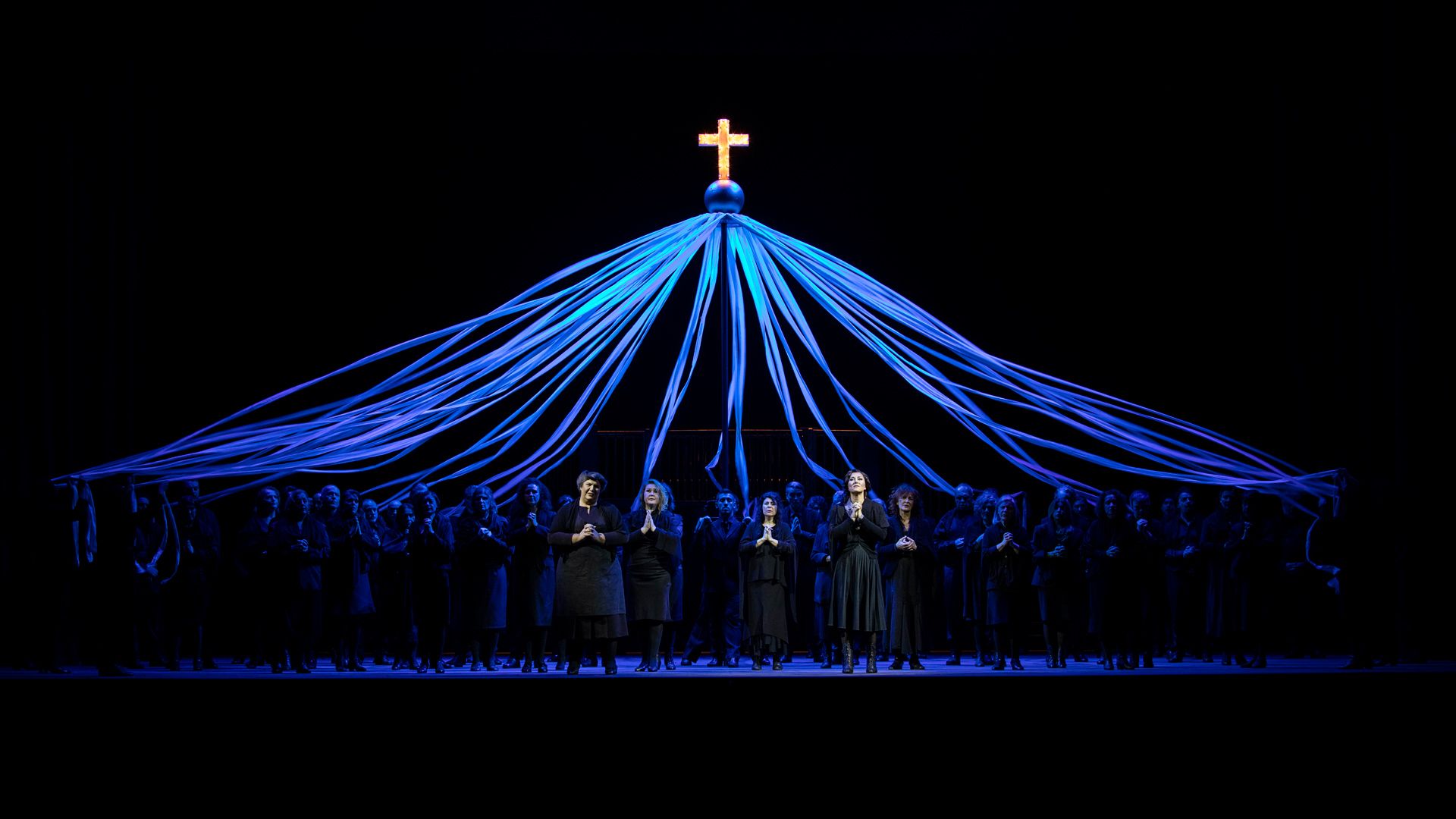
Born in 1969 in Turin, he began taking an interest in theater while still a student. In the early 1990s, he trained with the Laboratorio Teatro Settimo company, directed by Gabriele Vacis, focusing primarily on the use of lighting. Since 2000, he has maintained a close collaboration with Emma Dante, creating lighting designs for her theater and opera productions and overseeing their technical direction. He also creates lighting designs for several nationally renowned companies in the fields of spoken-word theater, opera, and dance. He continues his artistic exploration by collaborating with young theater companies and branching out into other fields such as exhibitions, installations, and events of various kinds.Among his most recent works are *Iphigenie en Tauride* at the Teatro Fraschini in Pavia (2021), *La Bohème* at the San Carlo in Naples (2021, revived in 2023), *Cenerentola* at the Teatro Comunale in Bologna (2021), *Les Vêpres Siciliennes* at the Teatro Massimo in Palermo (2022), *Cenerentola* at the Teatro Petruzzelli in Bari (2022), *Tosca* at the Teatro Regio in Turin (2022), *Dialogues des Carmélites* at the Opera di Roma (2022), *Les Vêpres Siciliennes* at the Comunale in Bologna (2023), *Rusalka* at La Scala in Milan (2023), *I vespri siciliani* at the Teatro San Carlo in Naples (2024), *L’angelo di fuoco* at the Petruzzelli in Bari (2024), *Cenerentola* at the Liceu in Barcelona (2024), *Nabucco* at the Berlin Staatsoper (2024), *Dialogues des Carmélites* at La Fenice in Venice (2025), and *Macbeth* at the Macerata Opera Festival 2025.
Manuela Lo Sicco
Choreography
Born in Palermo in 1977, she studied artistic disciplines and forms of expression related to movement, including artistic gymnastics, classical and contemporary dance, and graduated with a degree in acting from the Scuola del Teatro Biondo Stabile in Palermo. In 1997, together with Emma Dante, she founded the Compagnia Sud Costa Occidentale, which produced shows such as *mPalermu*, *Carnezzeria*, *La scimia*, *Cani di bancata*, *Le pulle*, and *Ballarini* – Trilogia degli occhiali, original stage plays that have won numerous awards, including the Scenario Prize and the Ubu Prize. In 2011, she embarked on an independent project with Sabino Civilleri, which saw them engaged in the search for their own theatrical identity and creative approach. That same year, A.C. Civilleri Lo Sicco, an international artists’ residency, was founded. In 2010, together with young actors from various regions of Italy, they launched a series of study residencies on the theme of “Theater and Sport,” which led to their first production as directors, *Physical Education* (2011) by Elena Stancanelli (in co-production with CRT—Milan’s Center for Theater Research), followed by *Tandem* (2013) and *Boxing Around the Ring* (2014). She created the choreography for operas directed by Emma Dante, such as Bizet’s *Carmen* at La Scala in Milan (2009 and 2015), Henze’s *Gisela!* at the Teatro Massimo in Palermo (2015), Rossini’s *La Cenerentola* at the Teatro dell’Opera in Rome (2016). In film, she has appeared in Matteo Garrone’s *Gomorra*, Daniele Ciprì’s *È stato il figlio*, Sabina Guzzanti’s *La trattativa*, and Sebastiano Riso’s *Più buio di mezzanotte* and *Una famiglia*.
Federico Gagliardi
Associate Director
A young opera director and cultural practitioner, he is known for his strong visual style and a constant interplay between image, space, and the body. After training at the “Silvio d’Amico” National Academy of Dramatic Arts in Rome, he embarked on a career that led him to collaborate with major European theaters. He has developed his own artistic language in close collaboration with Emma Dante, for whom he served as assistant and associate director; together they share a vision rooted in physical and visionary theater, where the dramaturgy of the body intertwines with that of music. He has worked at venues such as La Scala in Milan, the San Carlo Theater in Naples, the Maggio Musicale Fiorentino, La Fenice Theater in Venice, the Macerata Opera Festival, the Staatsoper Unter den Linden in Berlin, and the Gran Teatre del Liceu in Barcelona. At the same time, he has directed plays that reveal the same attention to imagery and stage composition. For his production of Rainer Werner Fassbinder’s *The Bitter Tears of Petra von Kant*, he won the A.N.P.O.E. La Furrina 19 Award and was invited to the Your Chance XV Festival in Moscow. Since 2021, he has served as artistic director of Scintille – Festival of the Performing Arts in Verbania, which combines innovation, quality, and accessibility.