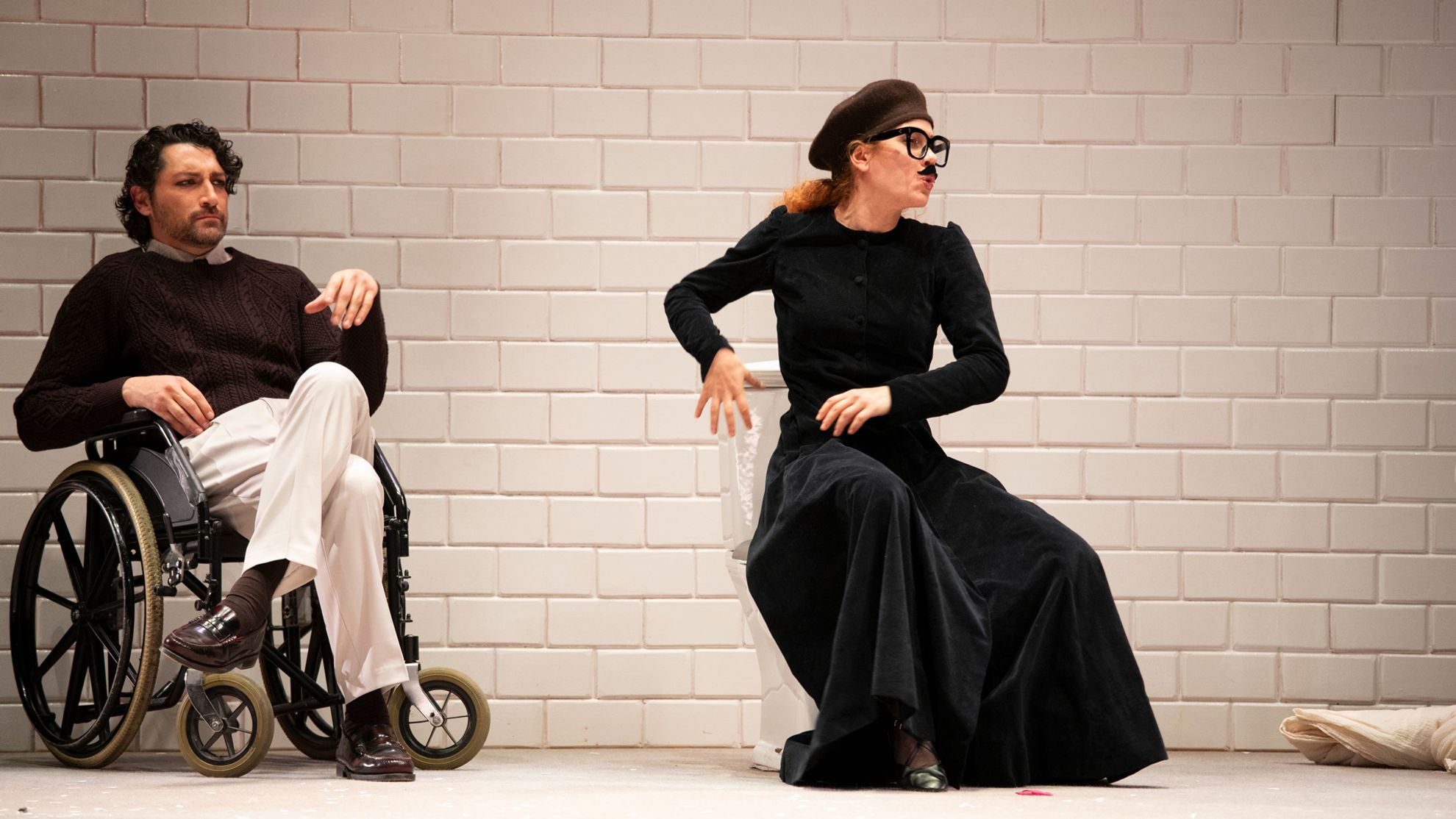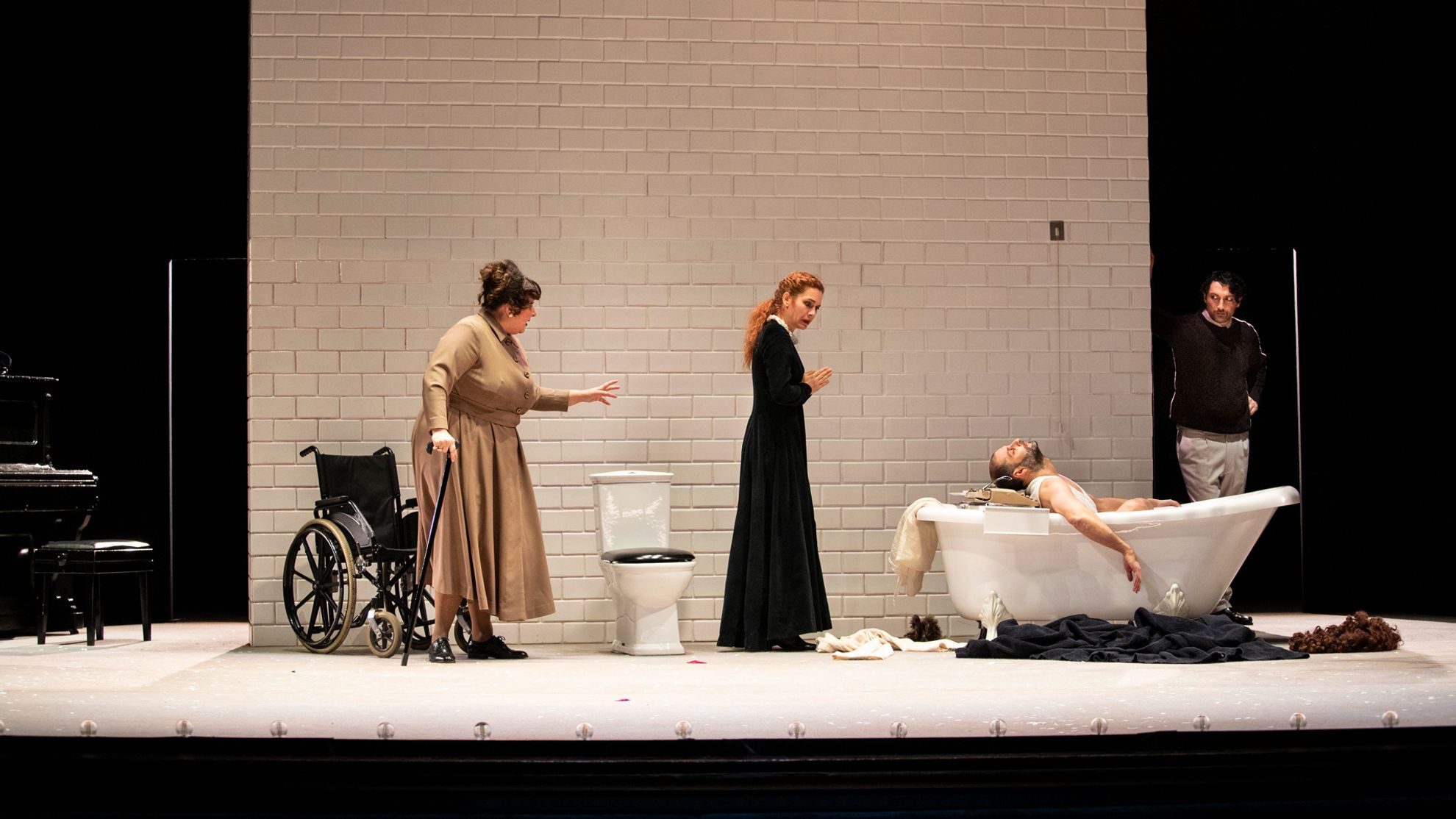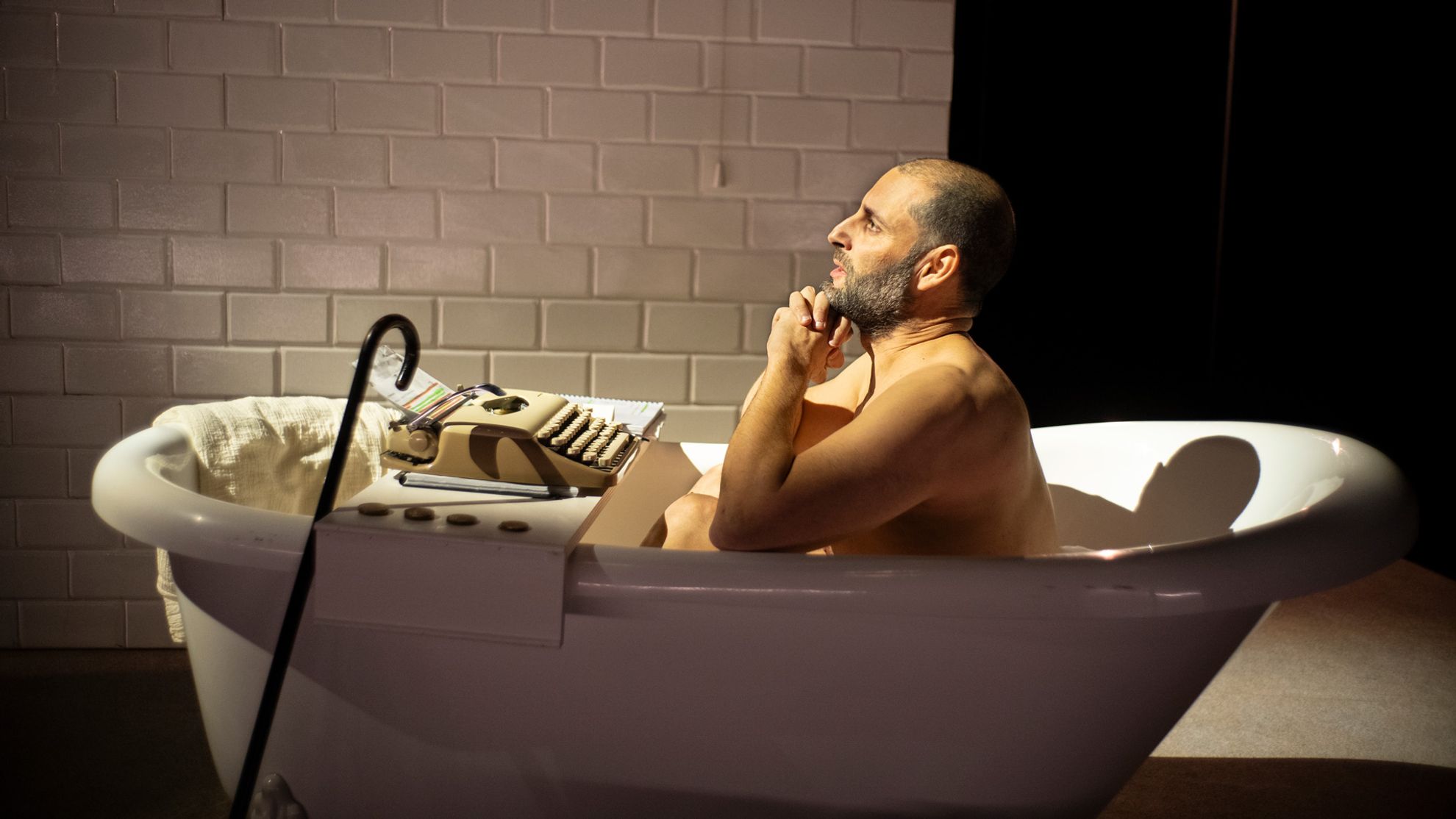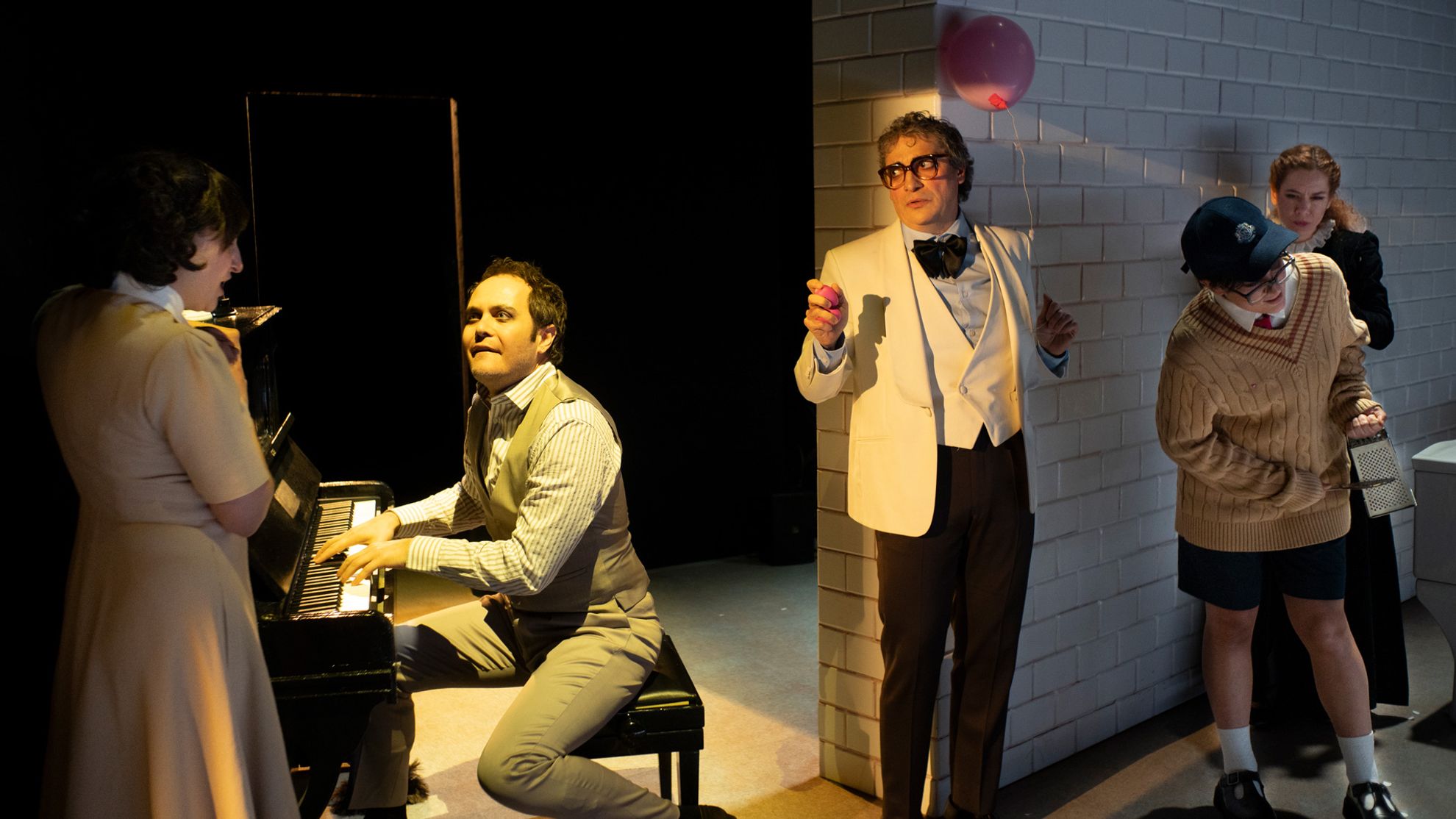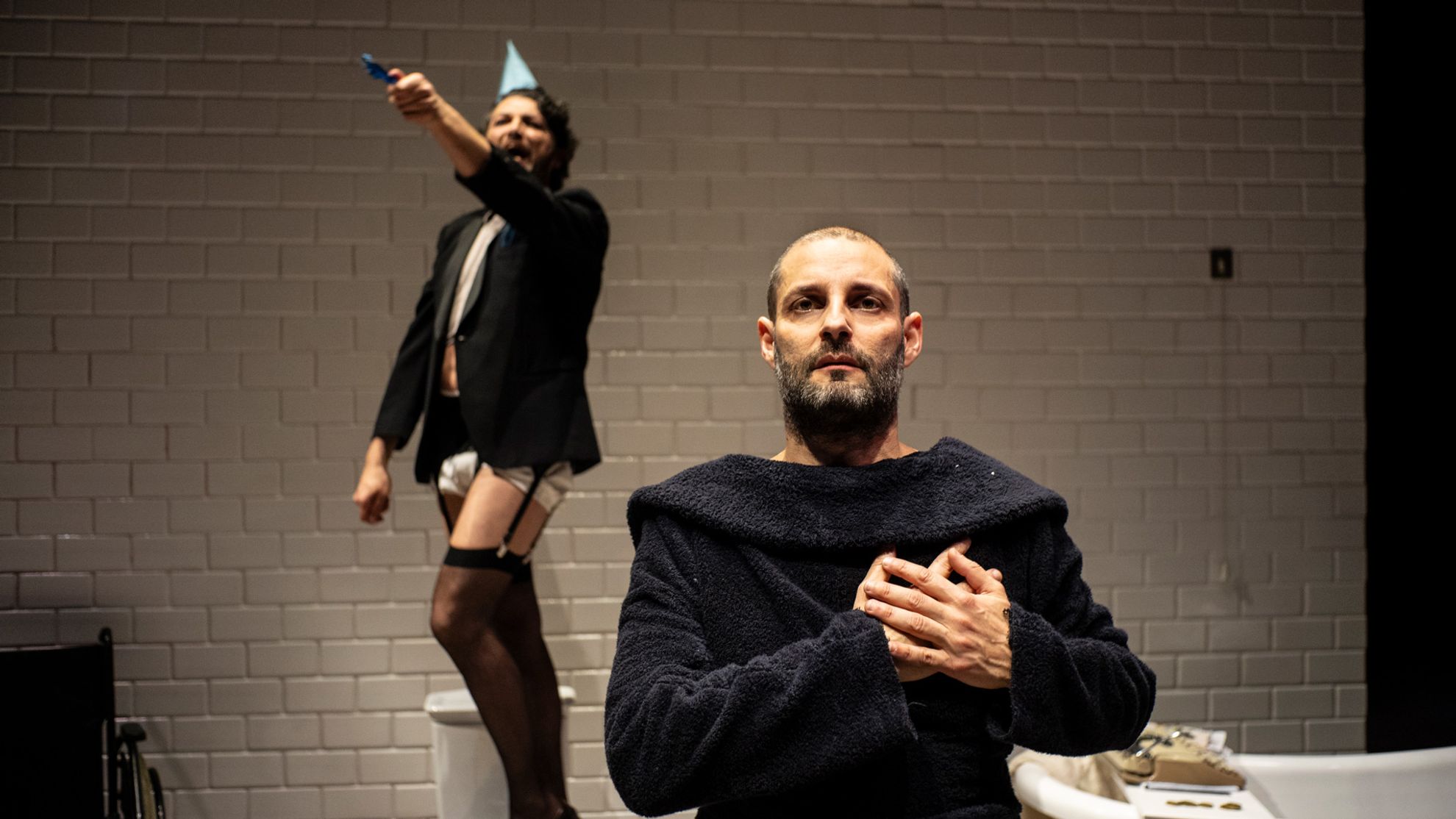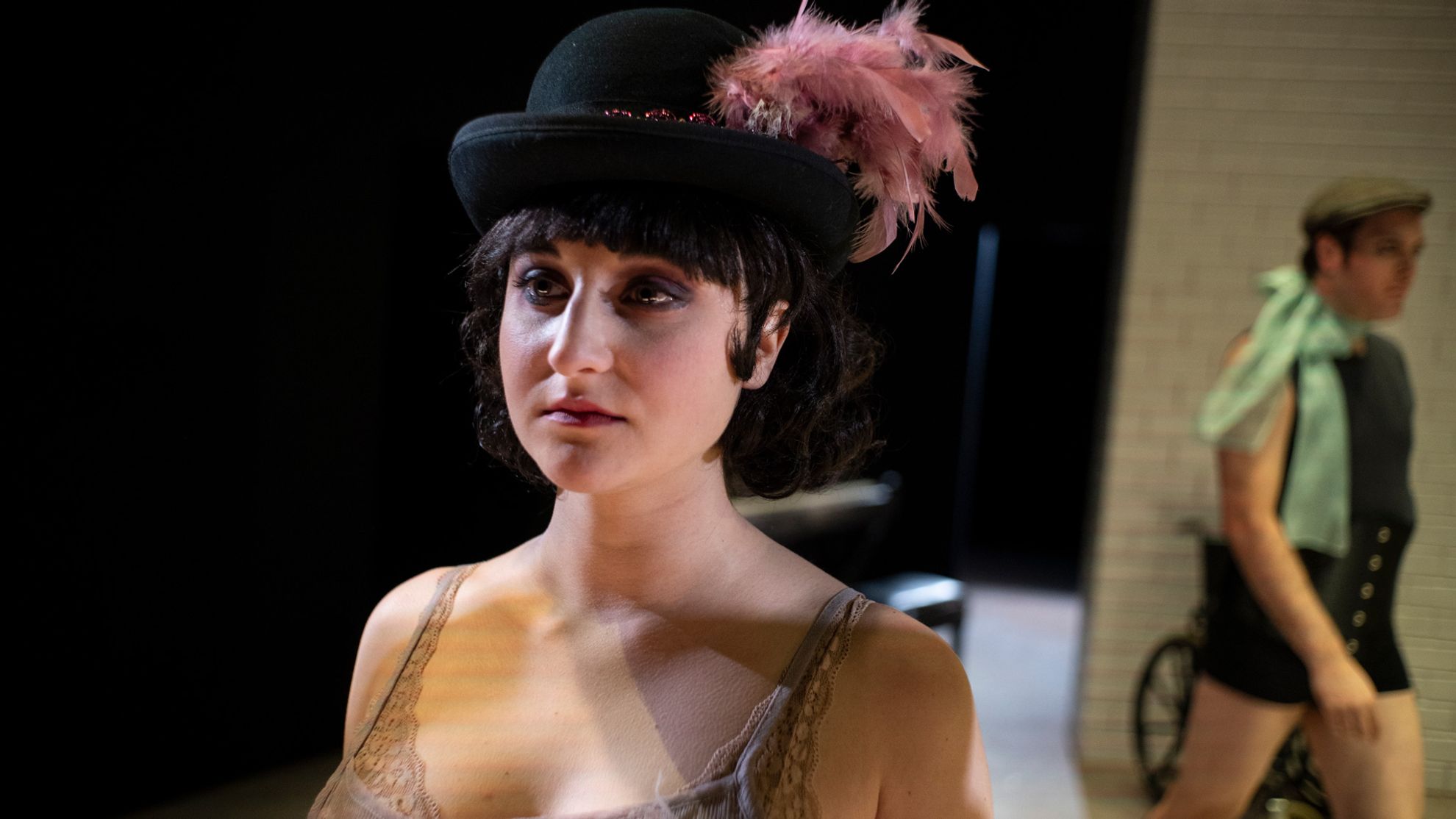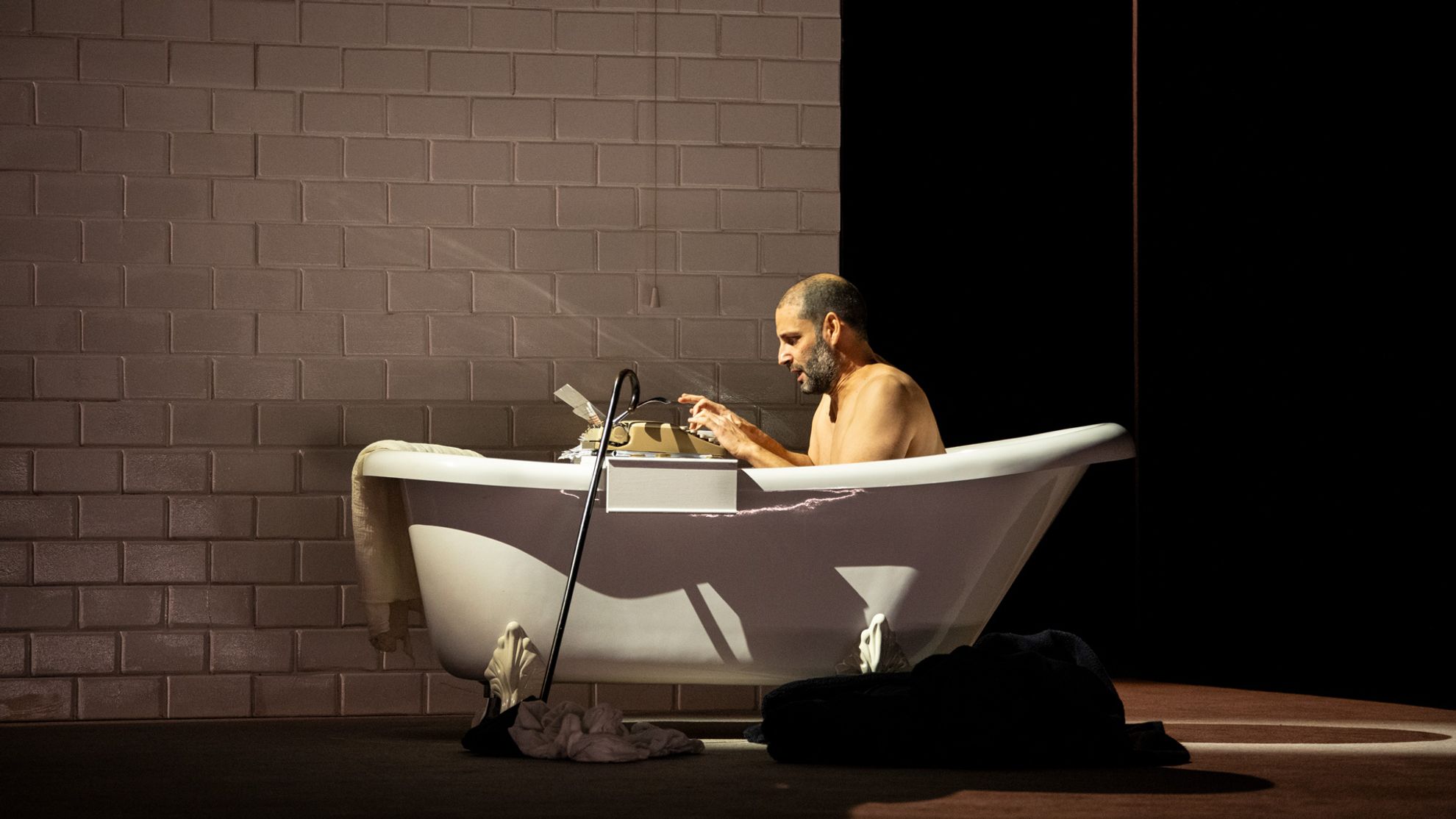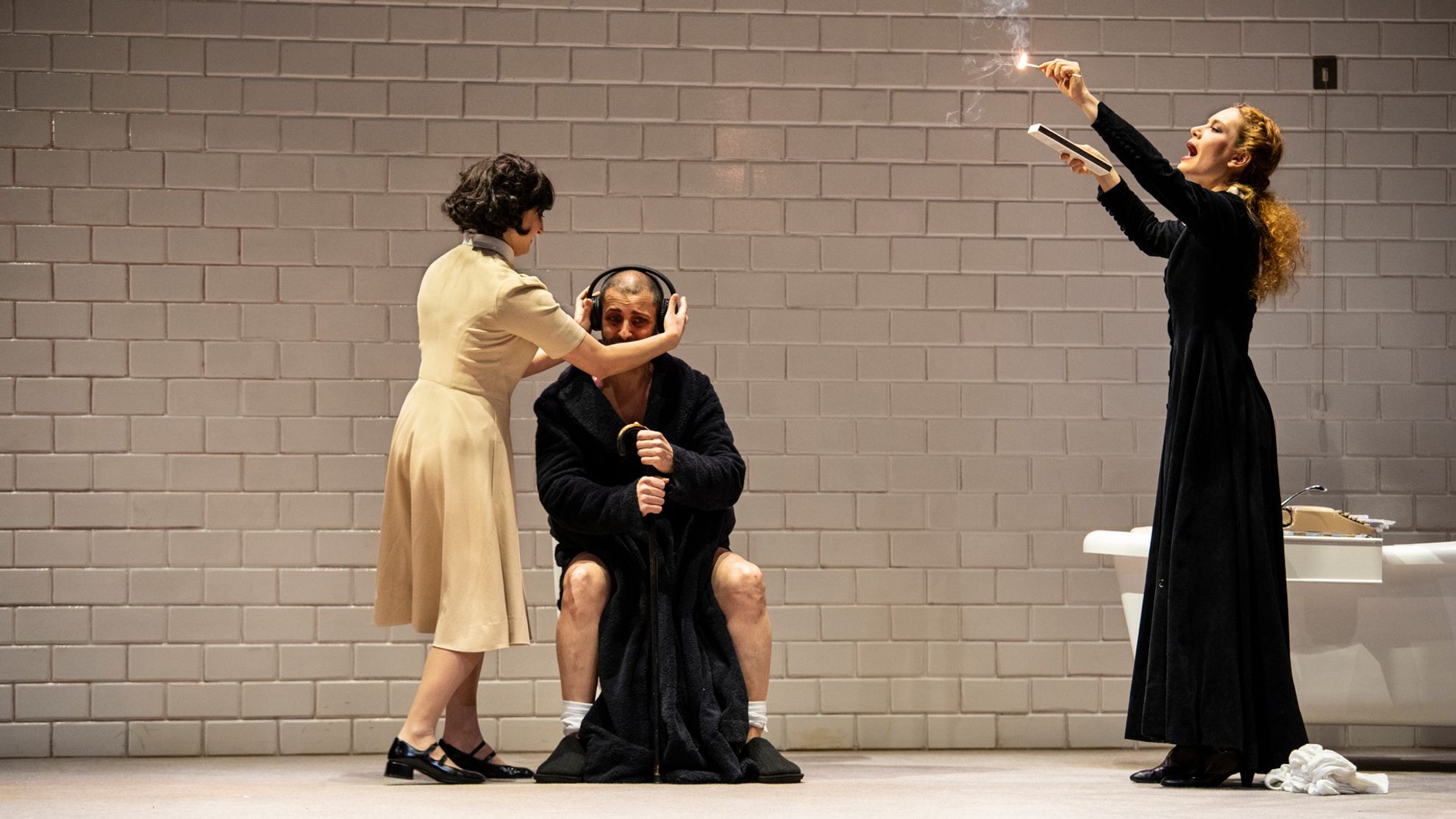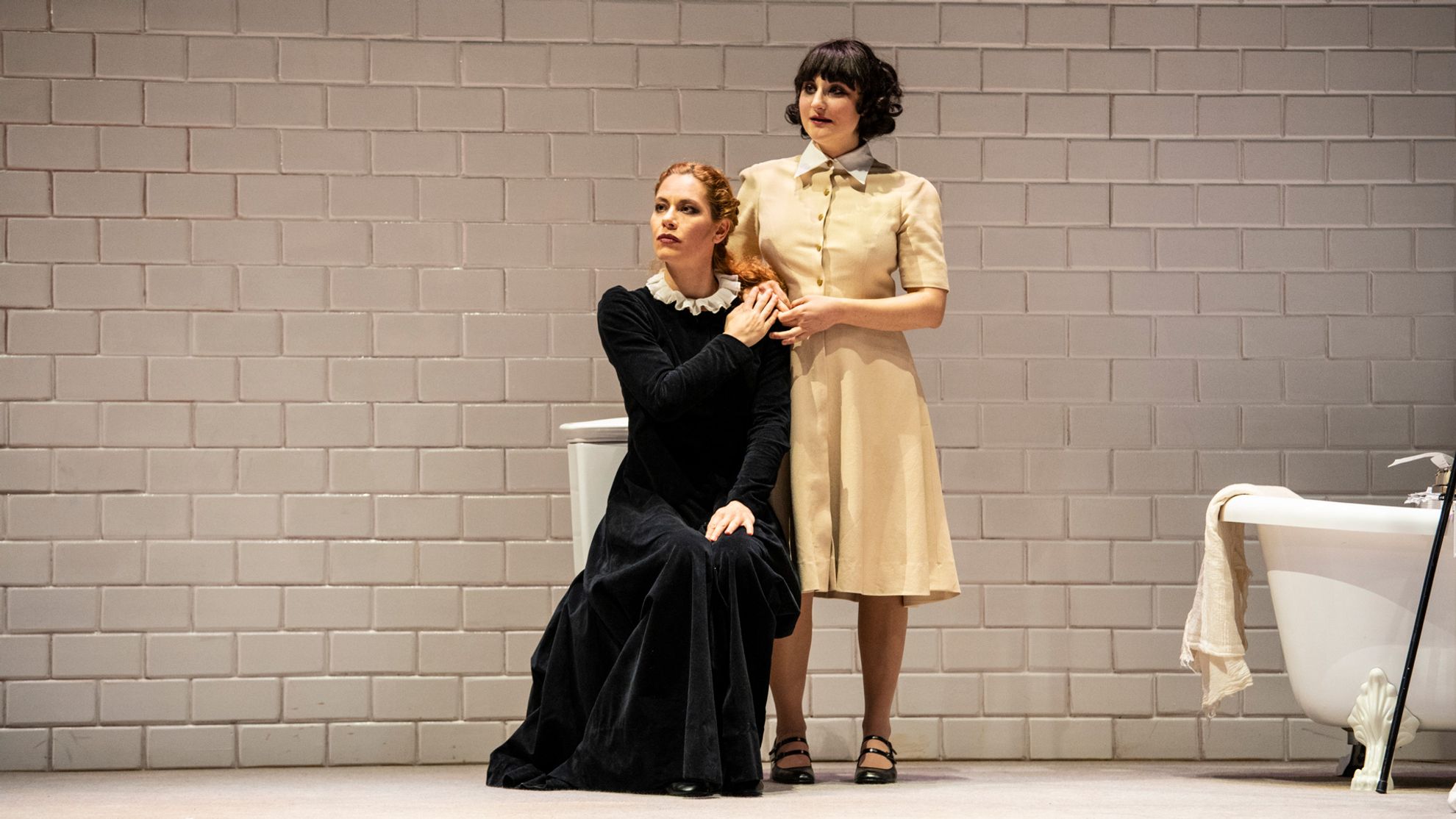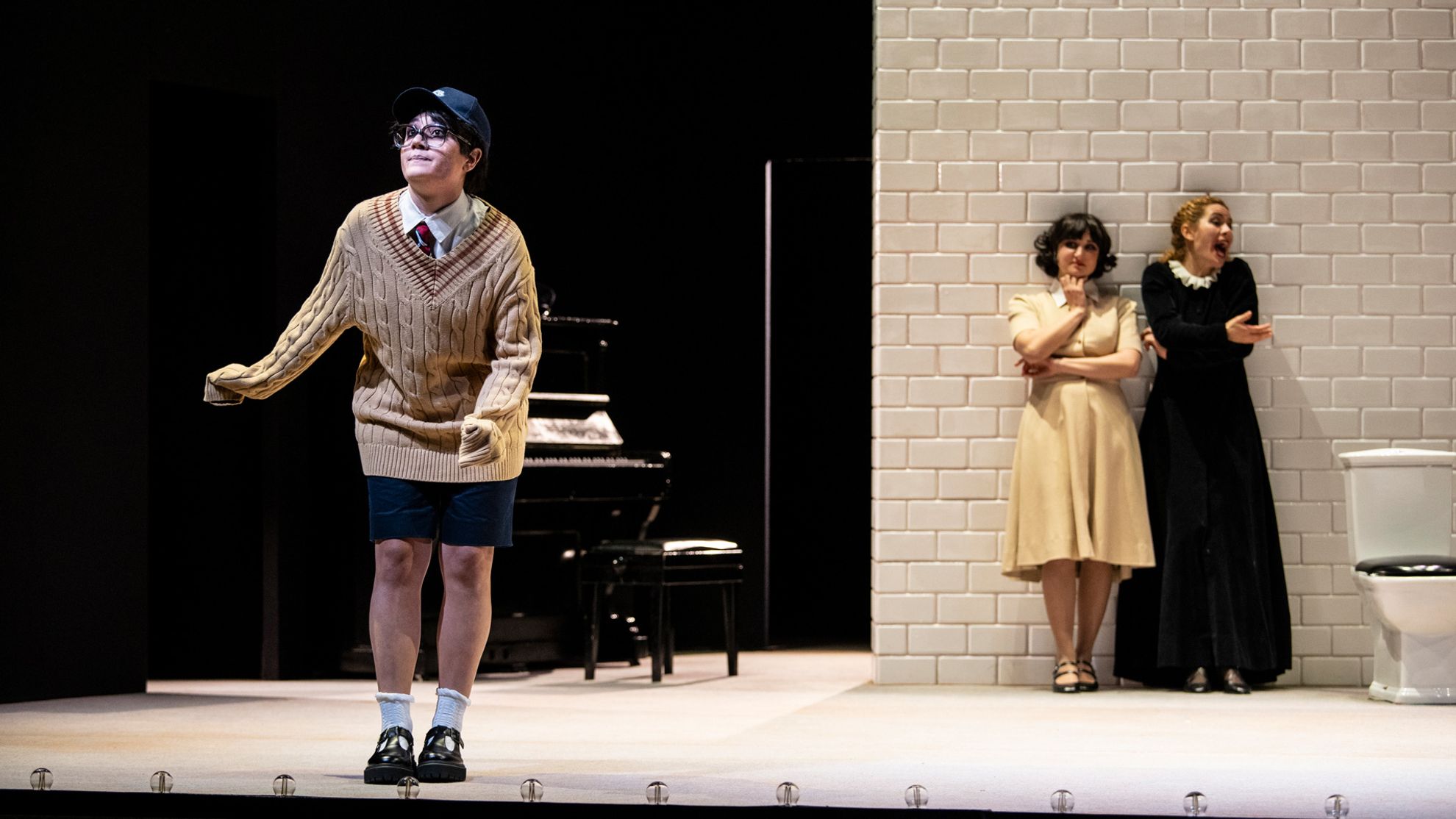
Andrea Chiodi brings Molière’s final play, *The Imaginary Invalid*—one of the most successful and autobiographical works by the renowned French playwright—to the stage, starring Lucia Lavia and Tindaro Granata alongside a cast of outstanding performers. Written in 1673, the year of the author’s death, the comedy—or rather, the comédie-ballet—is an attack on doctors, a fact that attests to Molière’s visceral hatred for the profession.
The Imaginary Invalid
Molière / Andrea Chiodi / Tindaro Granata / Lucia Lavia
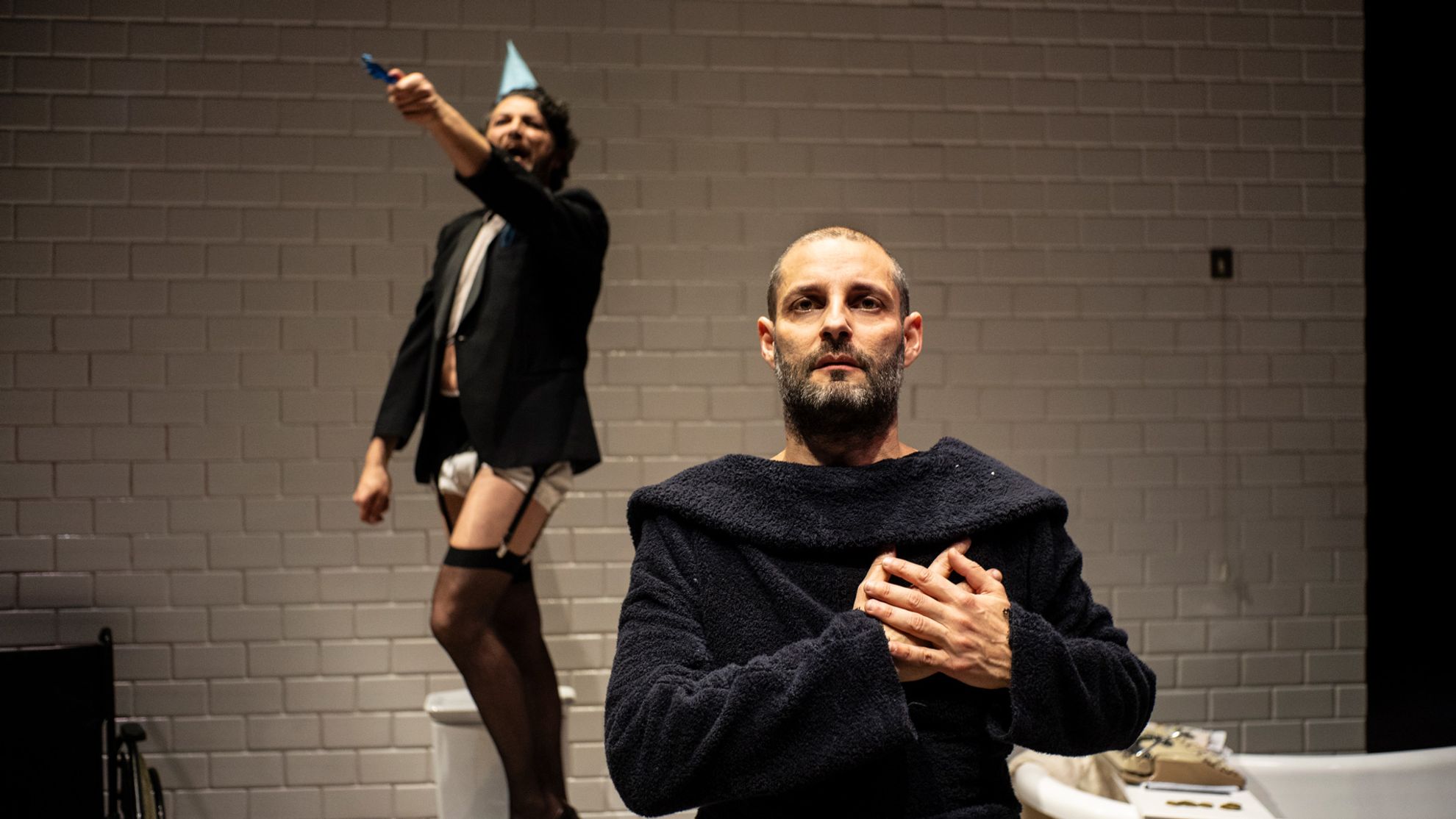
© Luca Del Pia
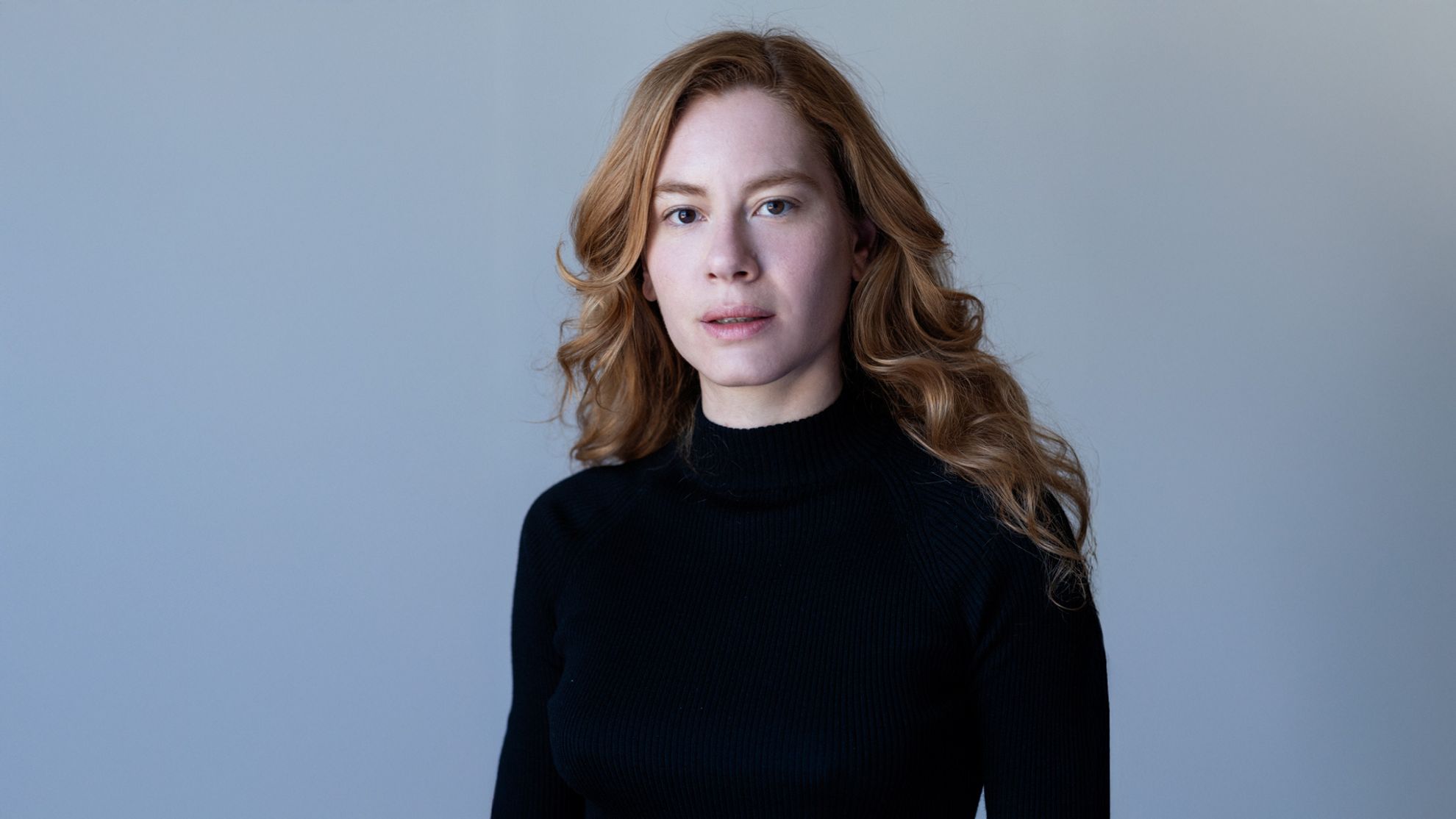
The Imaginary Invalid
Molière / Andrea Chiodi / Tindaro Granata / Lucia Lavia
© Luca Del Pia
“Molière,” writes Giovanni Macchia, one of the most authoritative French scholars of the twentieth century, “is a scientist of neuroses.” He is a sick man who fears death, but who also knows that laughing and making others laugh is a defense against what were once his own afflictions: jealousy, pain, anxiety, and melancholy. Behind comedies that seem to be made of even farcical humor, therefore, lies the shadow of a self-portrait, a play—as Macchia puts it—“between absence and presence.”
A dreamlike and irreverent work, entertaining and contemporary, in which Andrea Chiodi relies on the adaptation and translation by Angela Demattè, his partner in work and life, to bring to the stage the family affairs of the hypochondriac Argante, surrounded by inept doctors and cunning pharmacists, all too happy to fuel his anxieties for personal gain. Like the miser Harpagon, Argante is a victim of his own making and a puppet of those around him, a prisoner of his own fear—an obsession—hypochondria—that takes center stage in this new version of Molière’s masterpiece.
“My exploration and curiosity about this text,” says Chiodi, “begins with this line from Molière: ‘When we let nature take its course, it gradually extricates itself from the disorder into which it has fallen. It is our restlessness, our impatience that ruins everything, and men all die because of medicines and not because of diseases.’ It’s a vision that’s a bit frightening, but at the same time, it intrigues me greatly.”
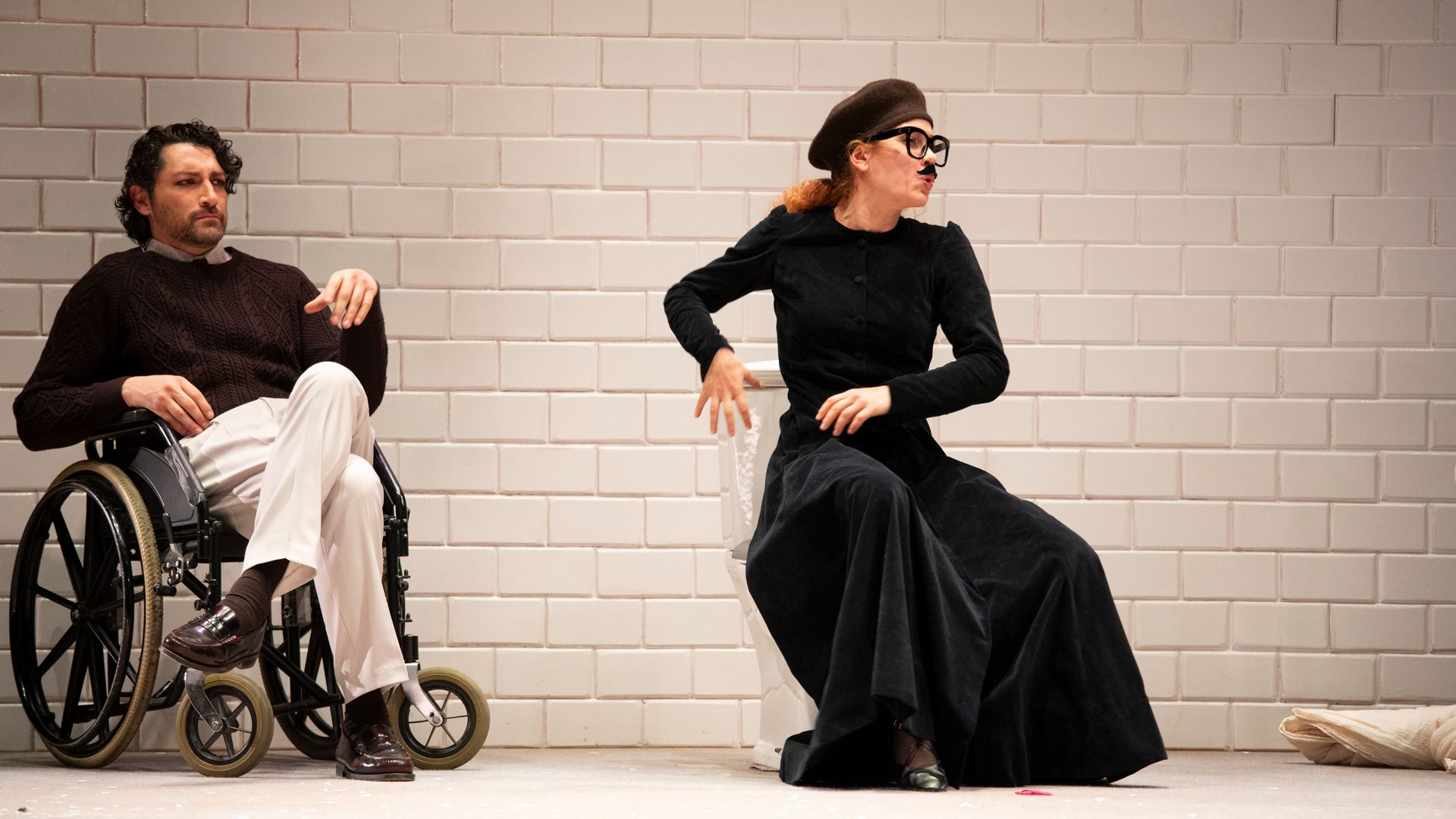
Il malato immaginario
Foto di scena
Partner di produzione

Sponsor stagione prosa
“I am the sick one!” Argante shouts to his brother Beraldo and the maid Tonina. I wondered if this might not be the desperate cry of a playwright who, while writing, feels cast aside, ridiculed by society, no longer in vogue, and—in Molière’s case—no longer accepted at court.
With this production, I have sought to bring this desperate cry to the stage—the cry of an artist, the plea of someone trying to make his audience understand his art, his theater, to the point of dying inside, to the point of deciding to pretend to be sick to protect himself from the harshness of reality. We’ve done this using the complete and faithful text, with the sole addition of Molière’s plea to the King, in which he asks: “Then tell me honestly, my sovereign Lord, if you want me to write any more plays. I do not wish to bother anyone. I would rather die than think that Molière’s theater is so repulsive that people detest even hearing its name mentioned.”
*The Imaginary Invalid* comes at the end of a turbulent period for Molière: as if in a race toward social ruin, he marries a woman who could be his daughter (and many believe she actually is), writes increasingly controversial plays (constantly enduring the barbs of the very groups he targets: hypocrites, misanthropes, misers…) and comes into conflict with the king’s favorite composer, Gianbattista Lulli. In this state, he creates for himself the character of Argante, the Imaginary Invalid. As Cesare Garboli writes: “Argan’s illness comes to the aid of the sick man like a sedative. It aids him in his deep need not to exist, to fall asleep, to be absent, until his entire life is sucked into nothingness. If life is evil, Argan asserts, one can live it only if one is ‘sick,’ or if one is irresponsible and blind. Argan defends an innocent refuge—his right to childhood.”
It seems to me that the autofiction into which all of us human beings have fallen for some time now—this constant self-representation of ourselves even in our most intimate ailments—is very similar to Argante’s/Molière’s illness.
We want to show ourselves as sick, to sacrifice ourselves, to die on stage in a desperate search for someone to care for us, to pity us, or even to mock or hate us: we seek any kind of parental gaze that allows us to exist. King Louis/the father is already replacing Molière with a new musician/son—one who is more cunning, lighthearted, and fashionable—and, paradoxically, bears the same name: Gianbattista. Molière will no longer be the king’s comedian.
Argante/Molière’s is a final, desperate effort. As he died, Molière must have told us something essential, something very close to us. One exists only if one is looked upon. Sometimes, one dies in order to exist.
by
Molière
Adaptation and Translation
Angela Dematté
directed by
Andrea Chiodi
with
Tindaro Granata, Lucia Lavia
and with
Angelo Di Genio, Emanuele Arrigazzi, Alessia Spinelli, Nicola Ciaffoni, Emilia Tiburzi, Ottavia Sanfilippo
scenes
Guido Buganza
costumes
Ilaria Ariemme
lights
Cesare Agoni
music
Daniele D’Angelo
consulting for social movements
Marta Ciappina
production
Brescia Theater Center
in co-production with
LAC Lugano Art and Culture, Viola Productions Rome