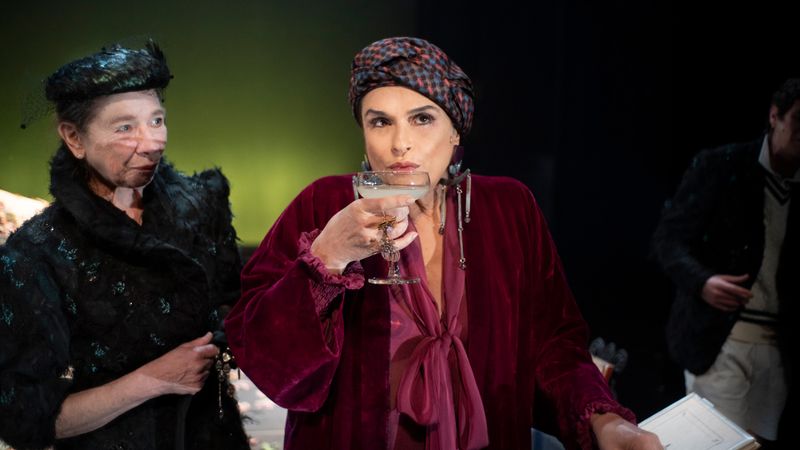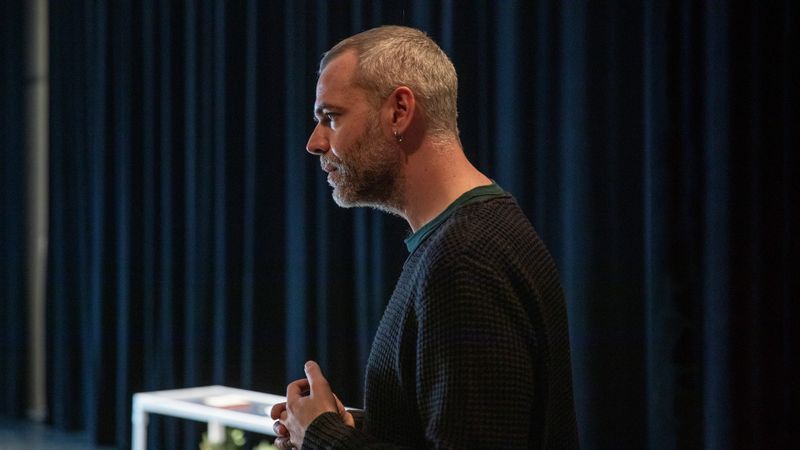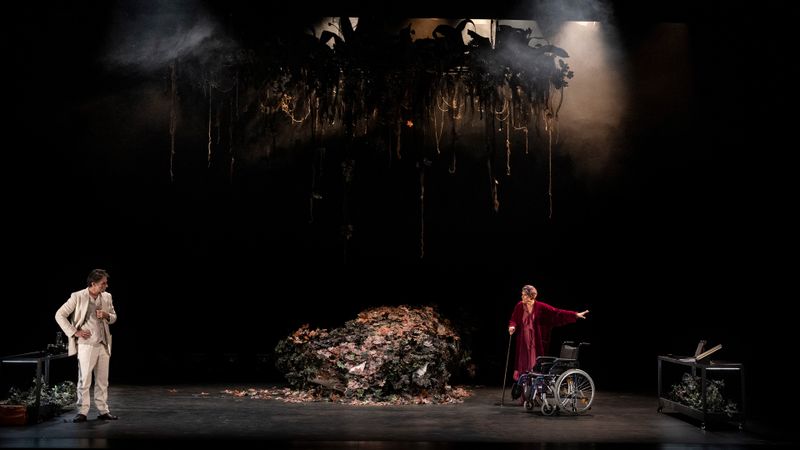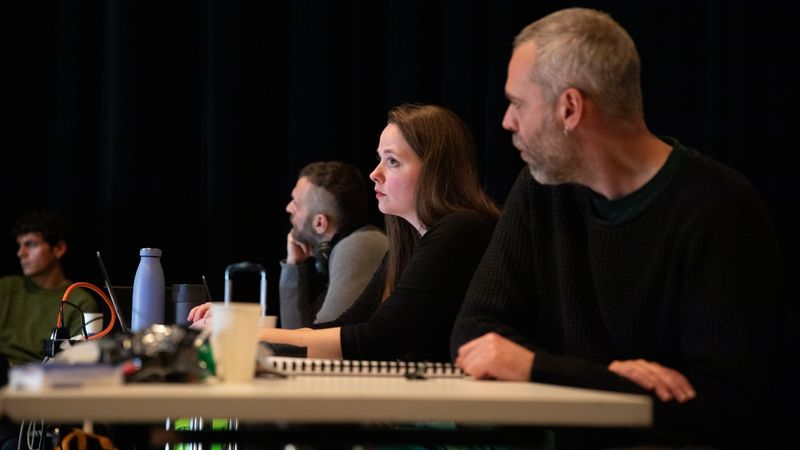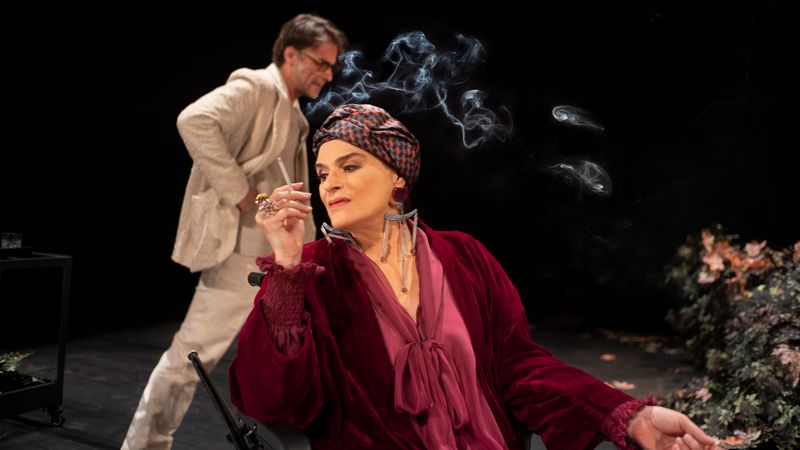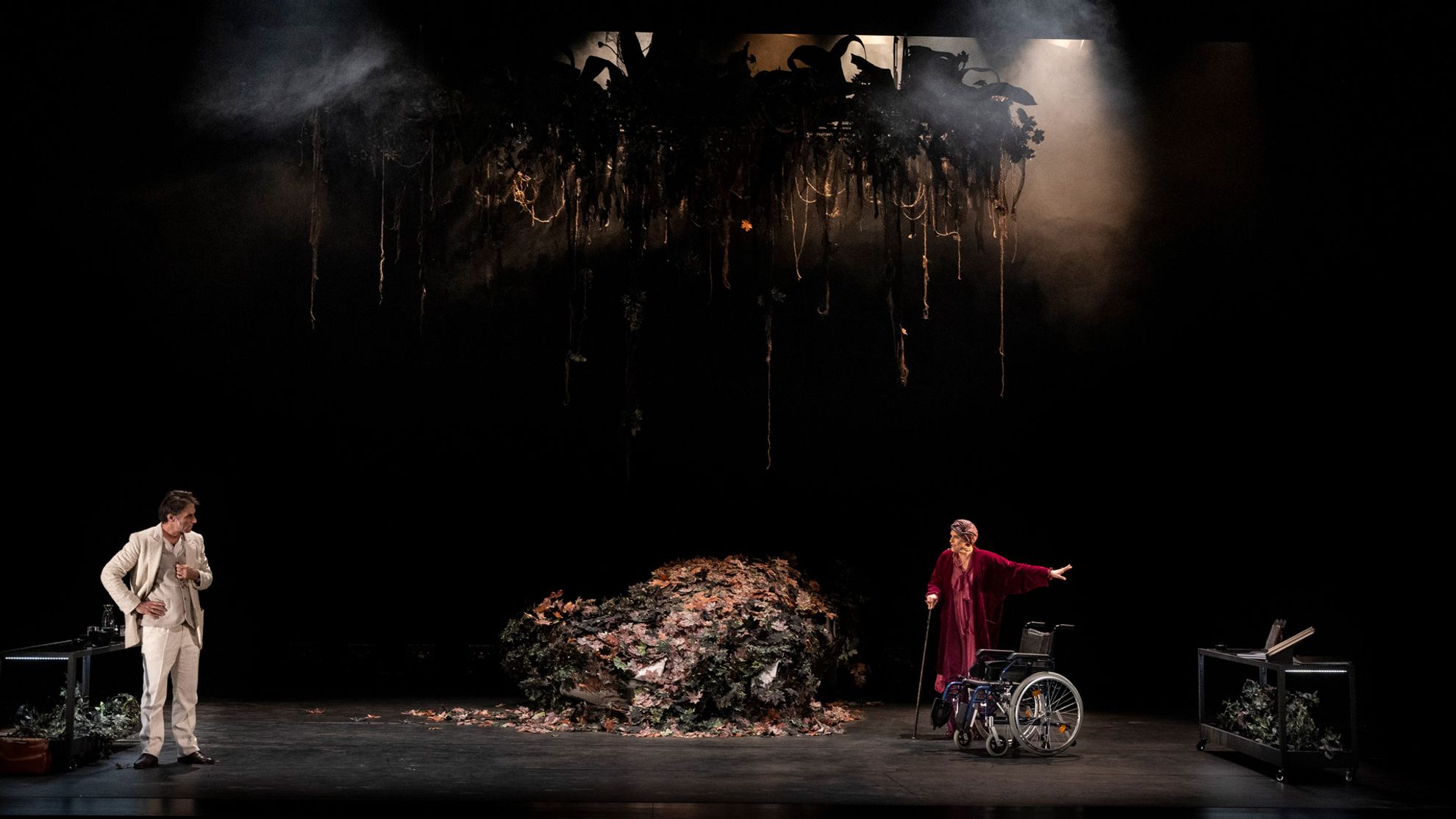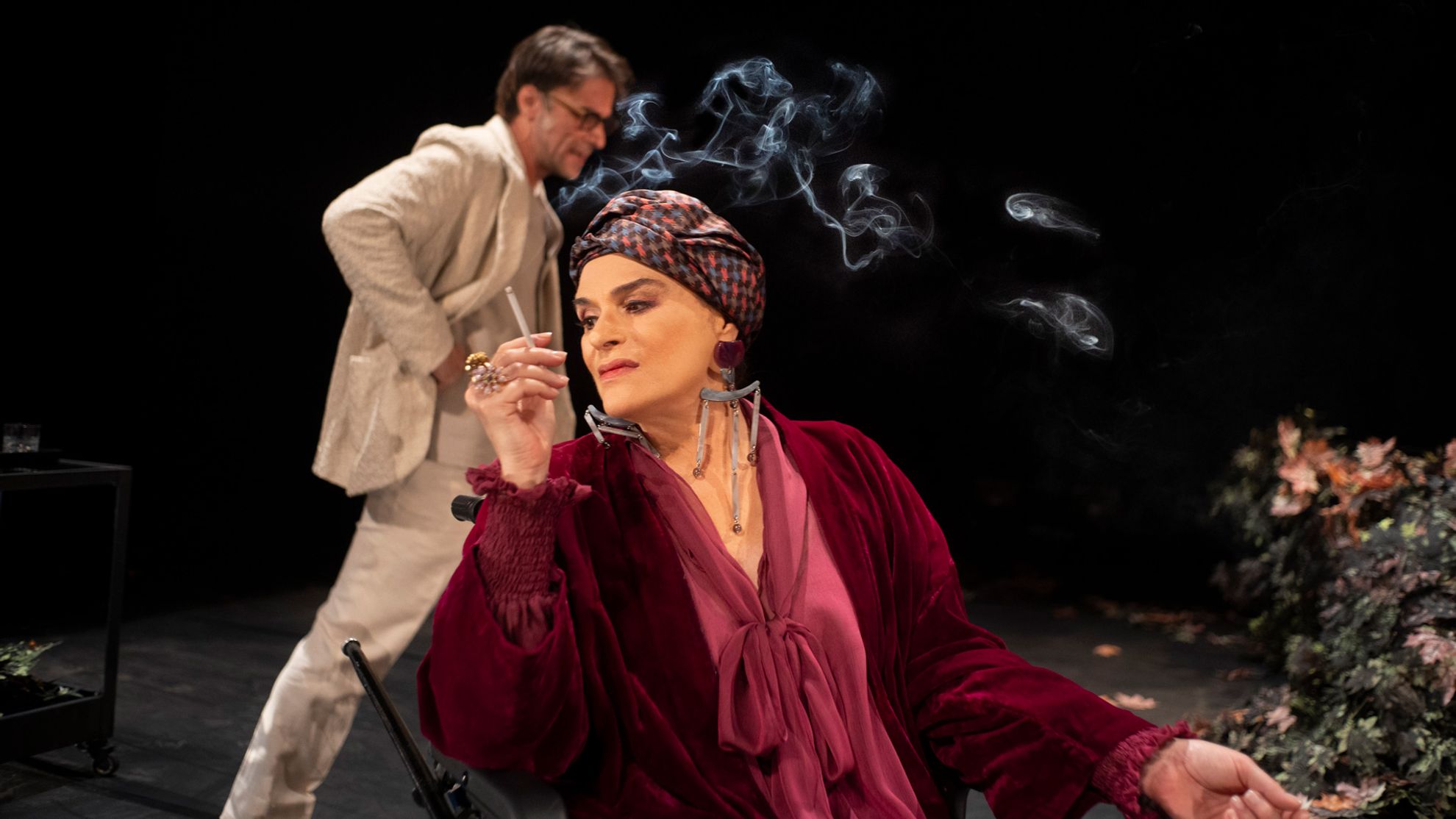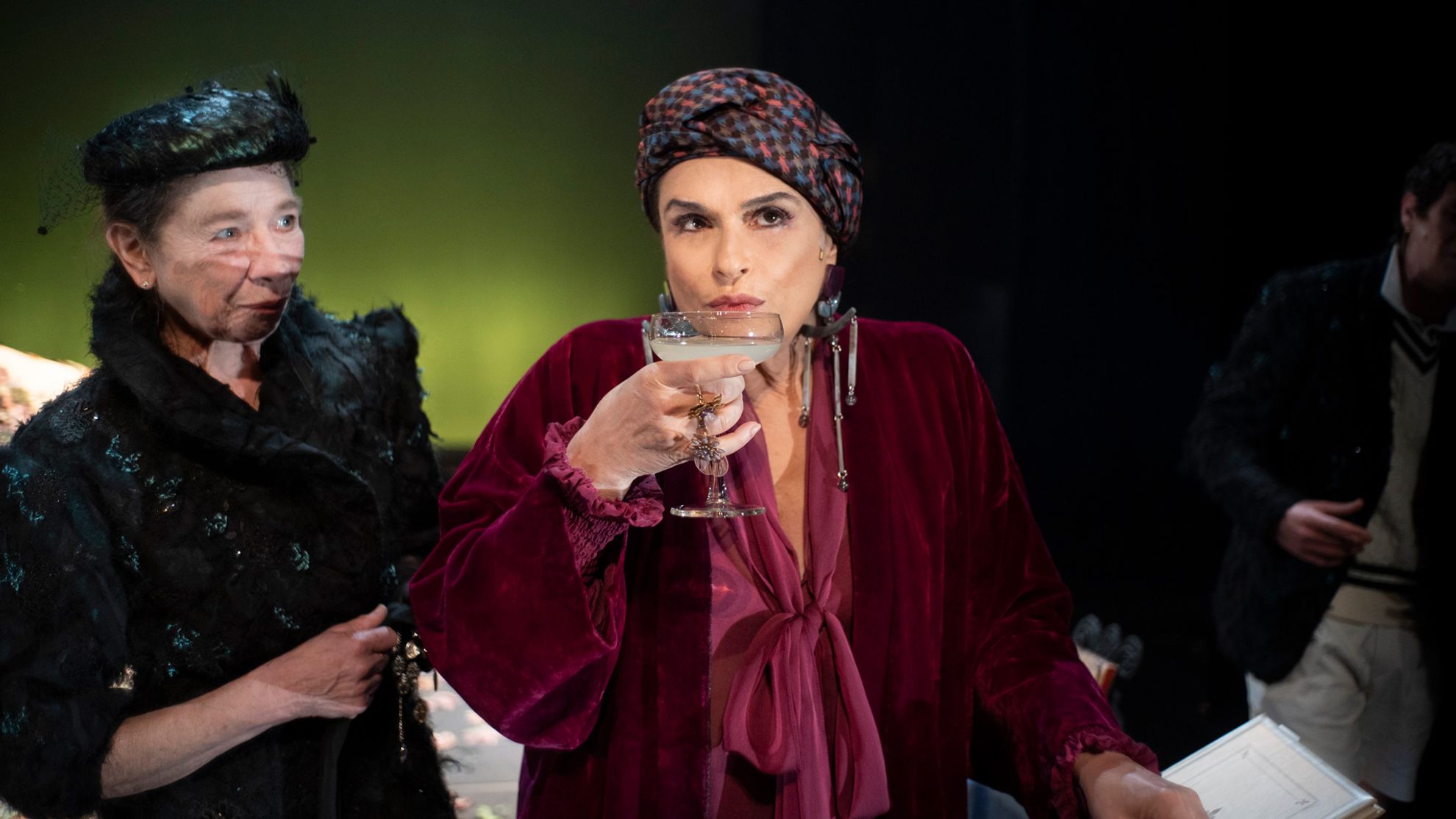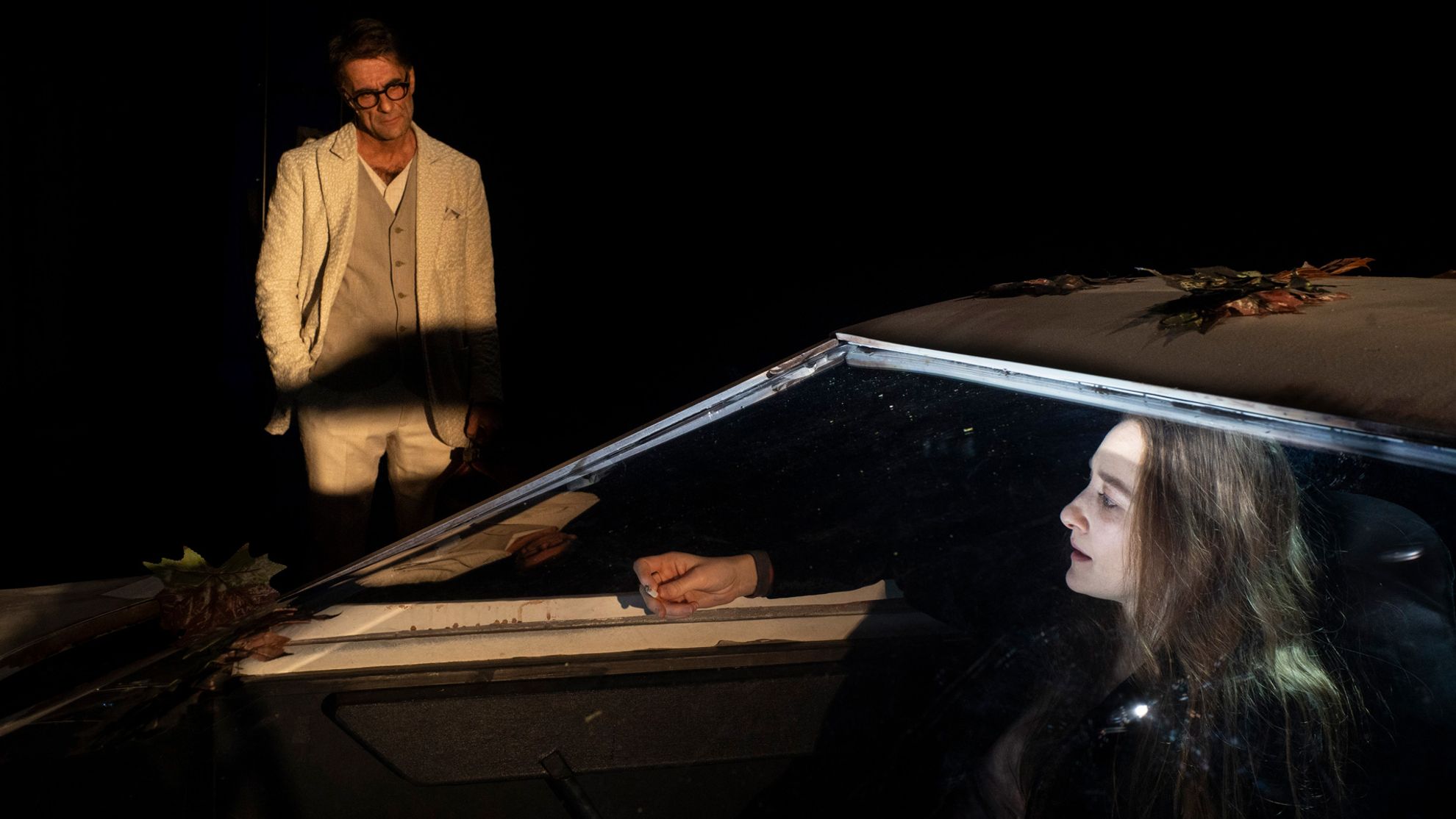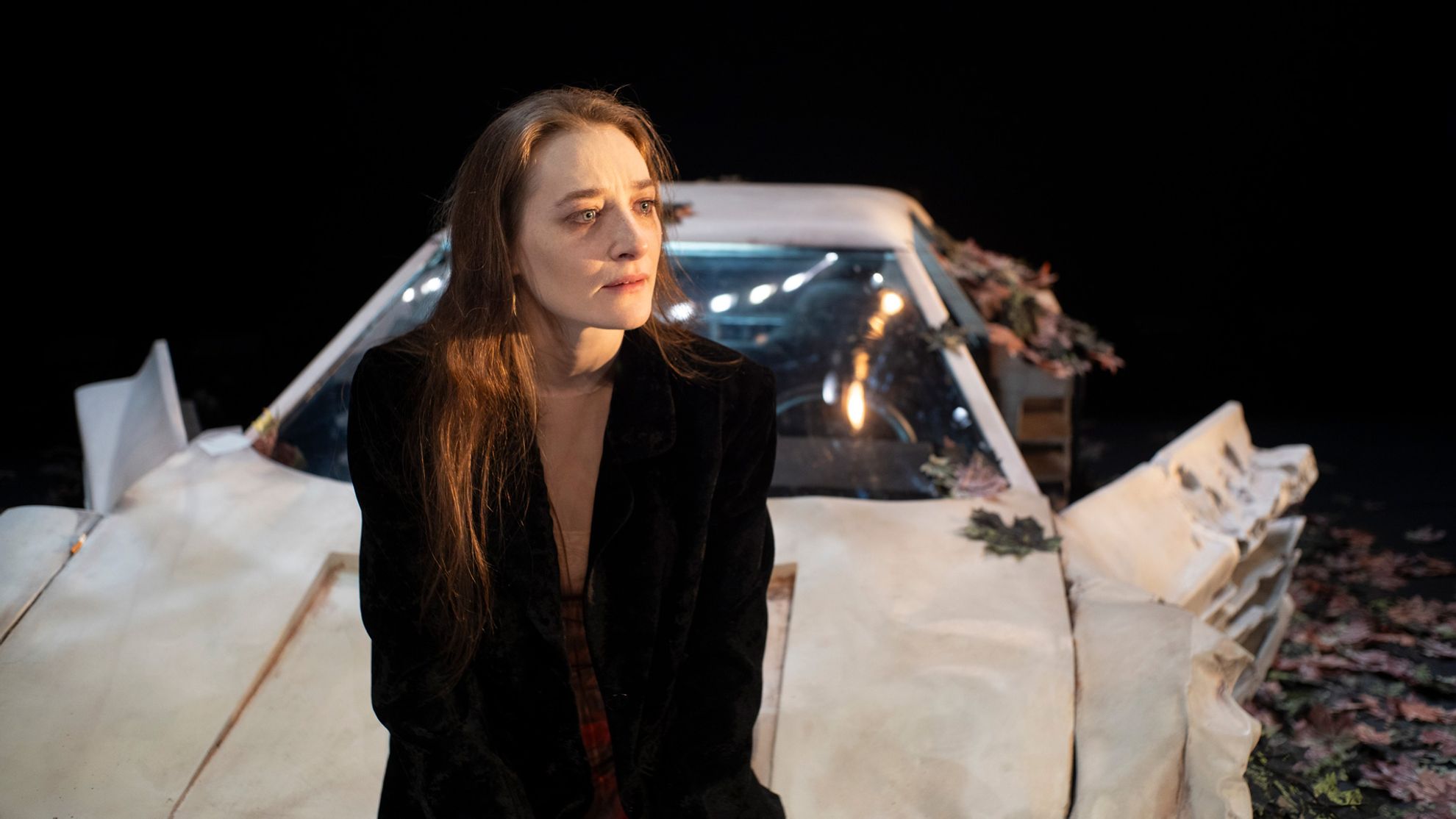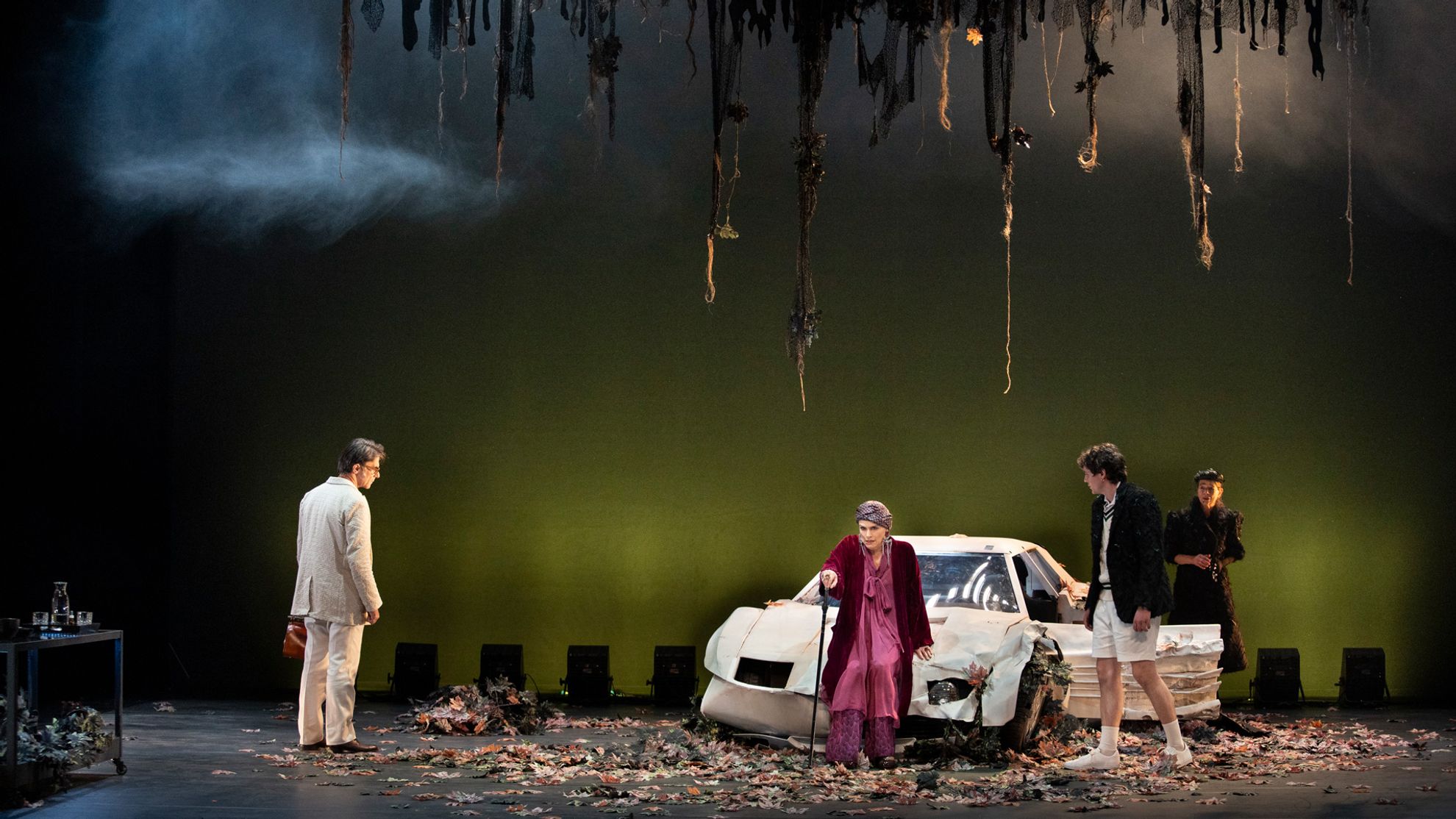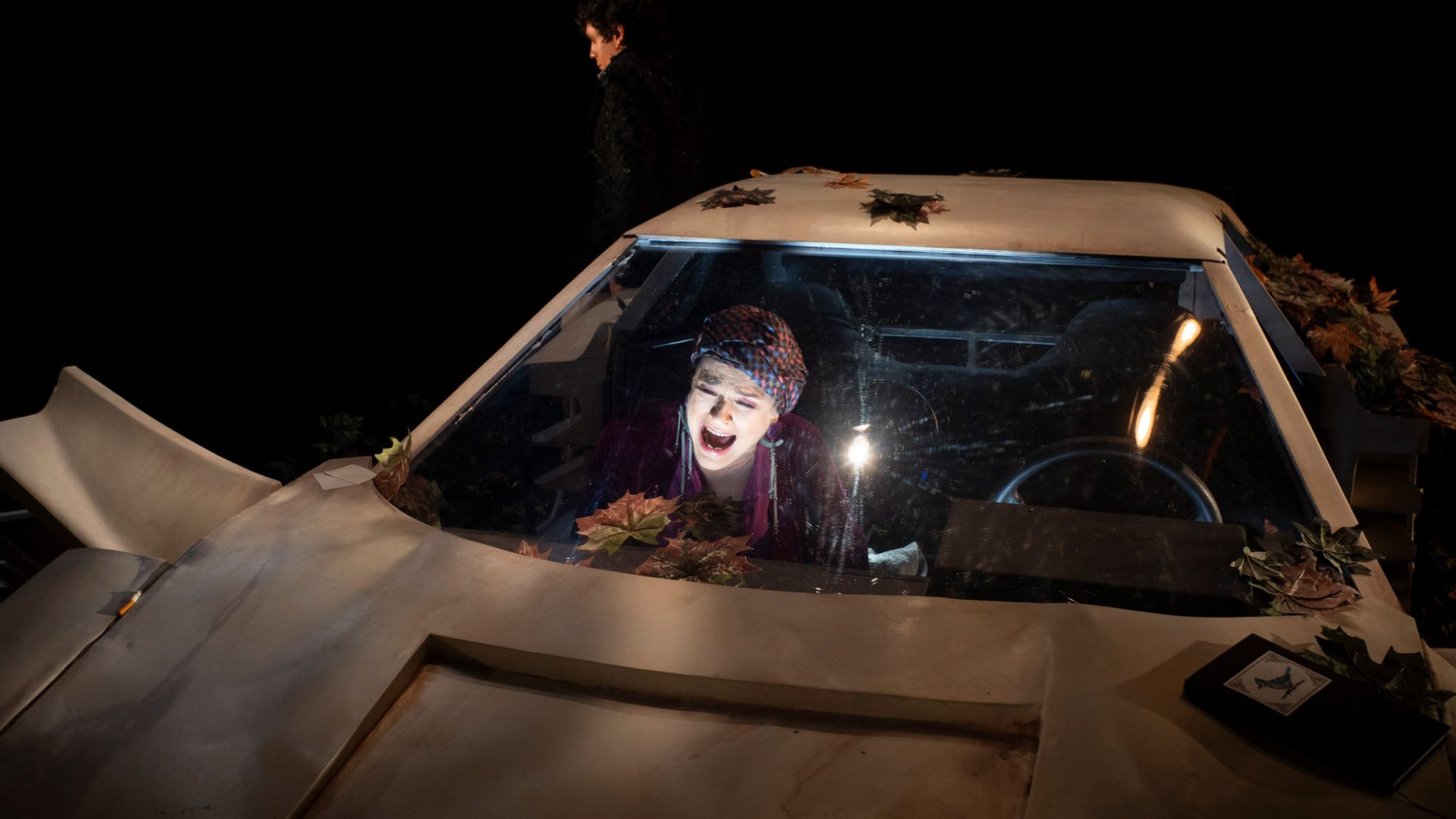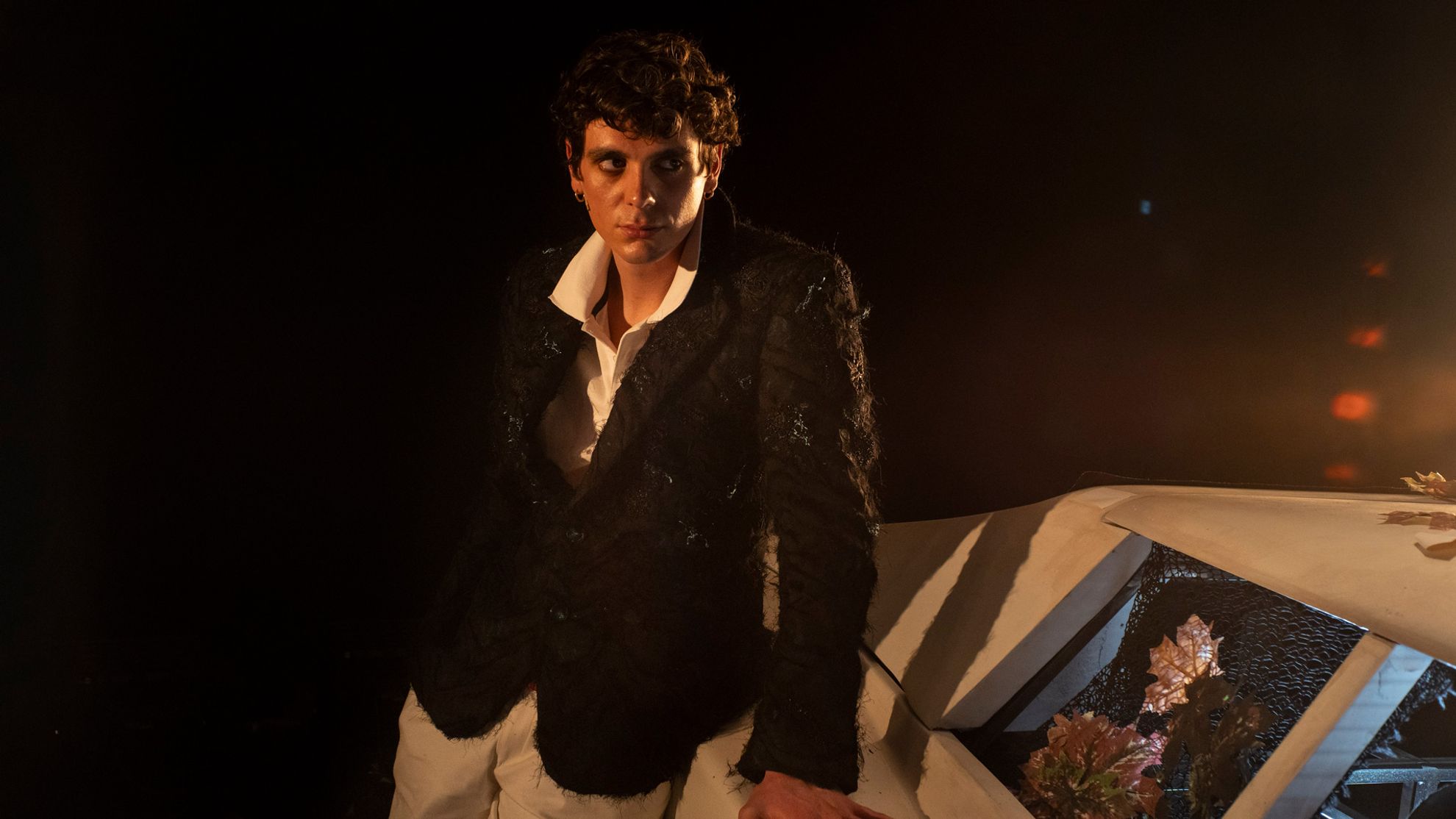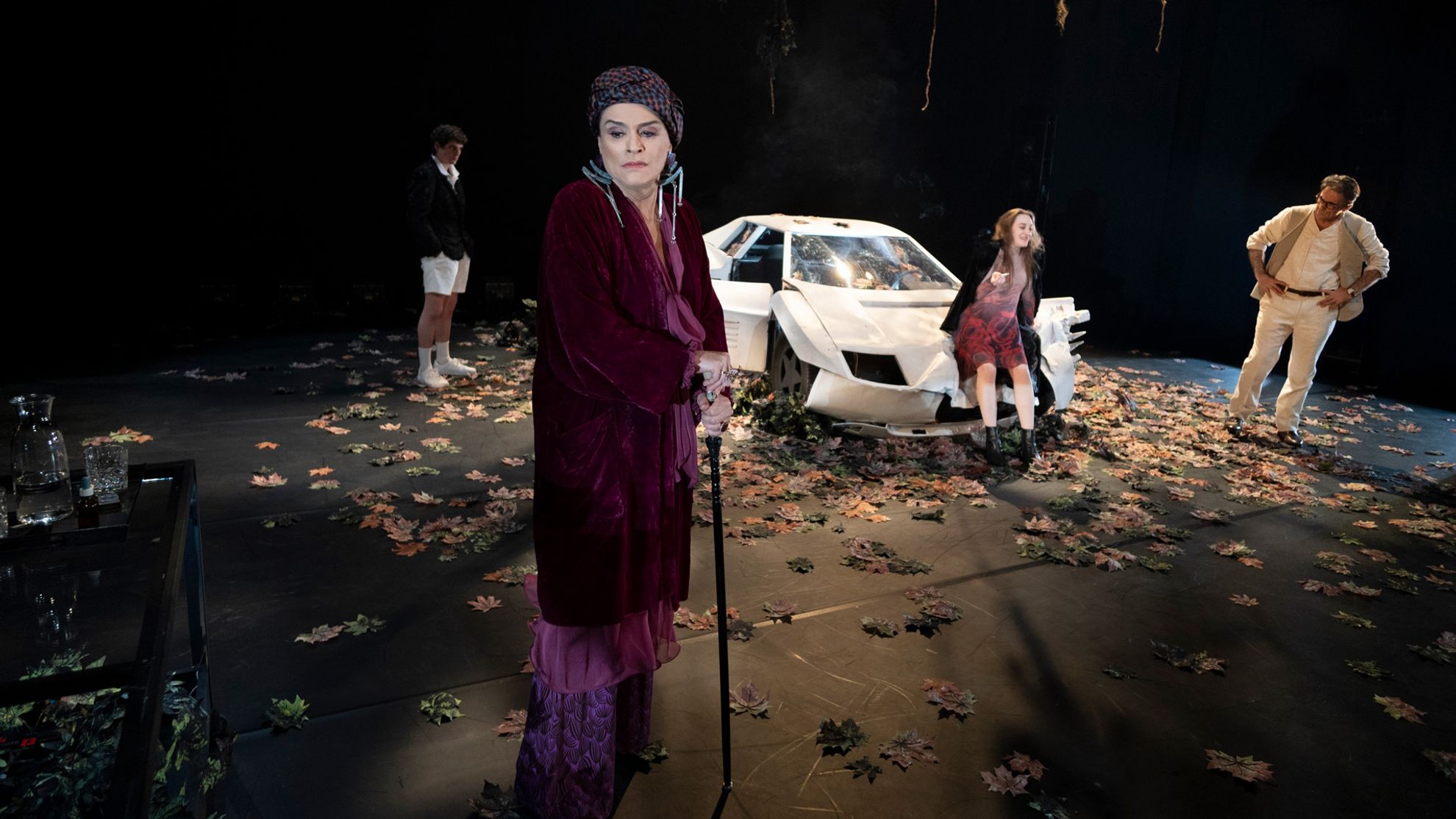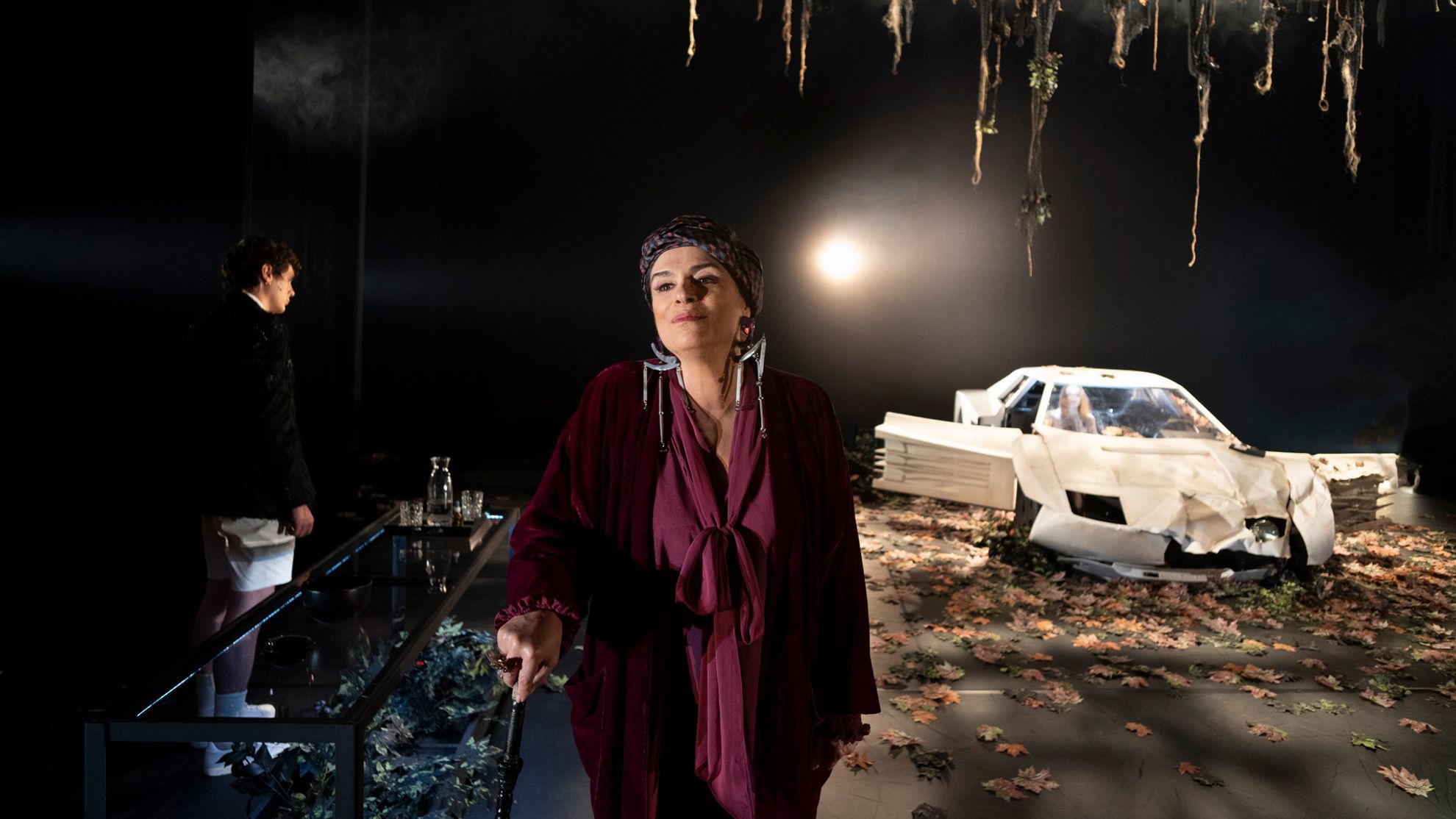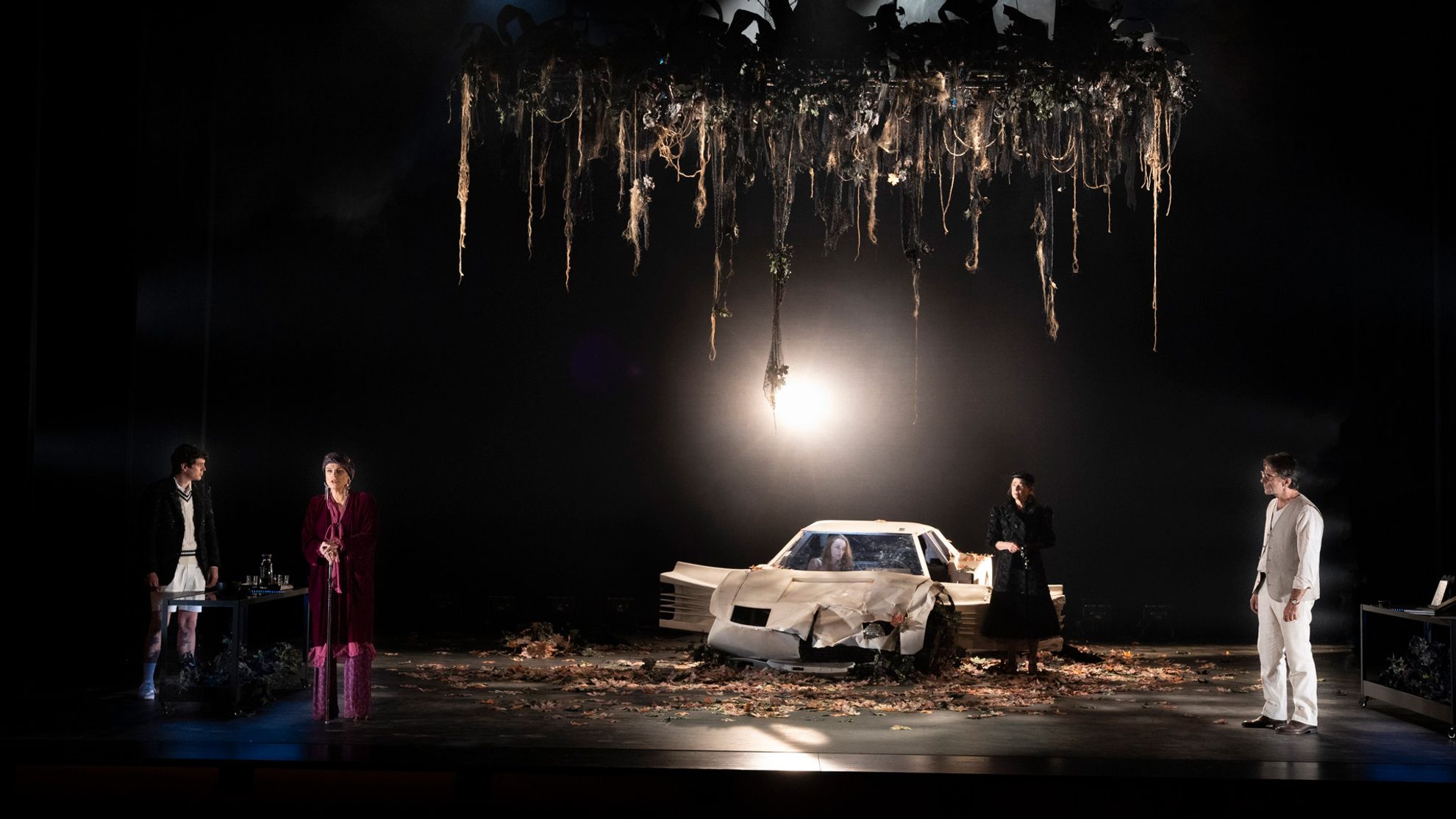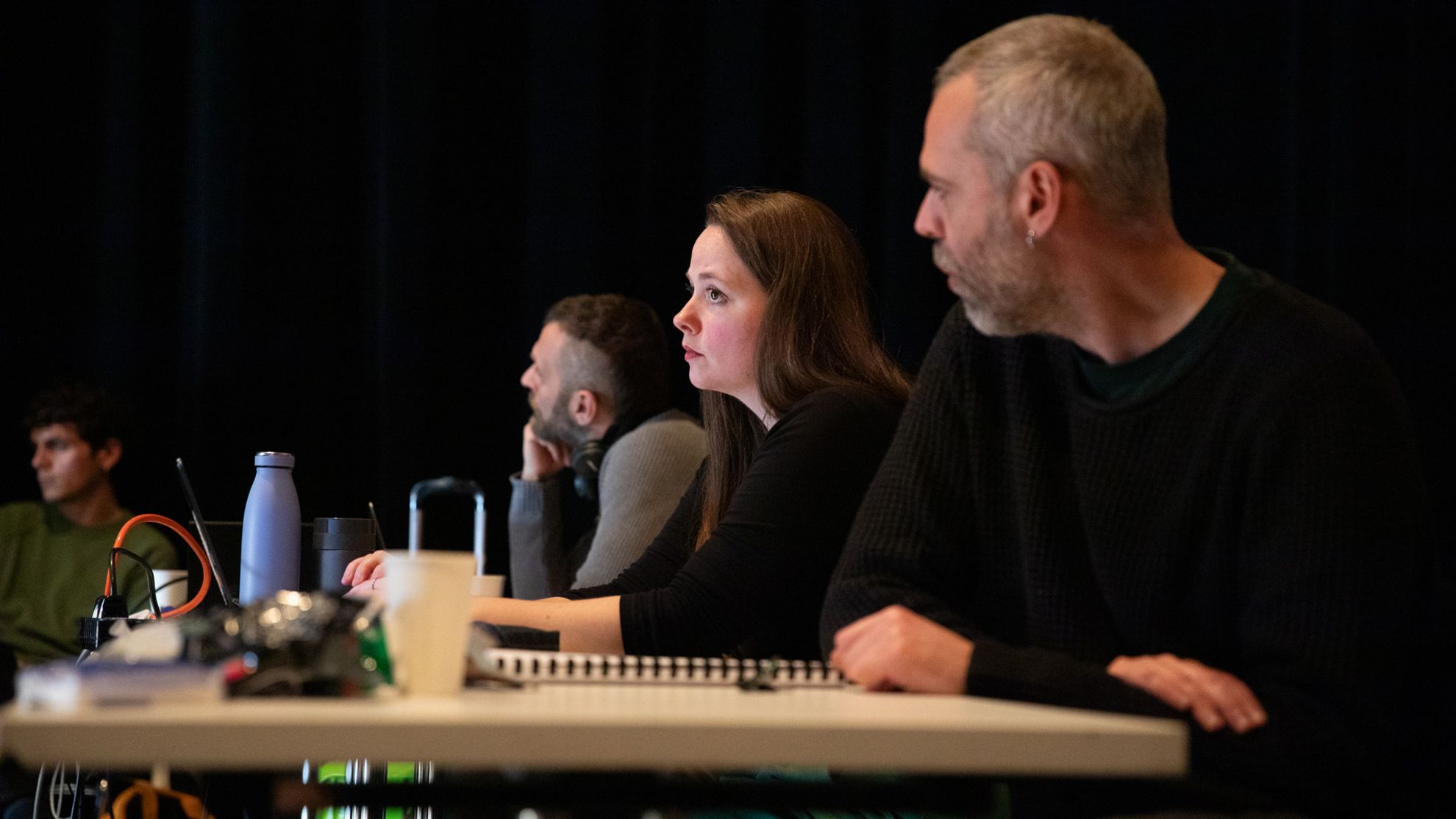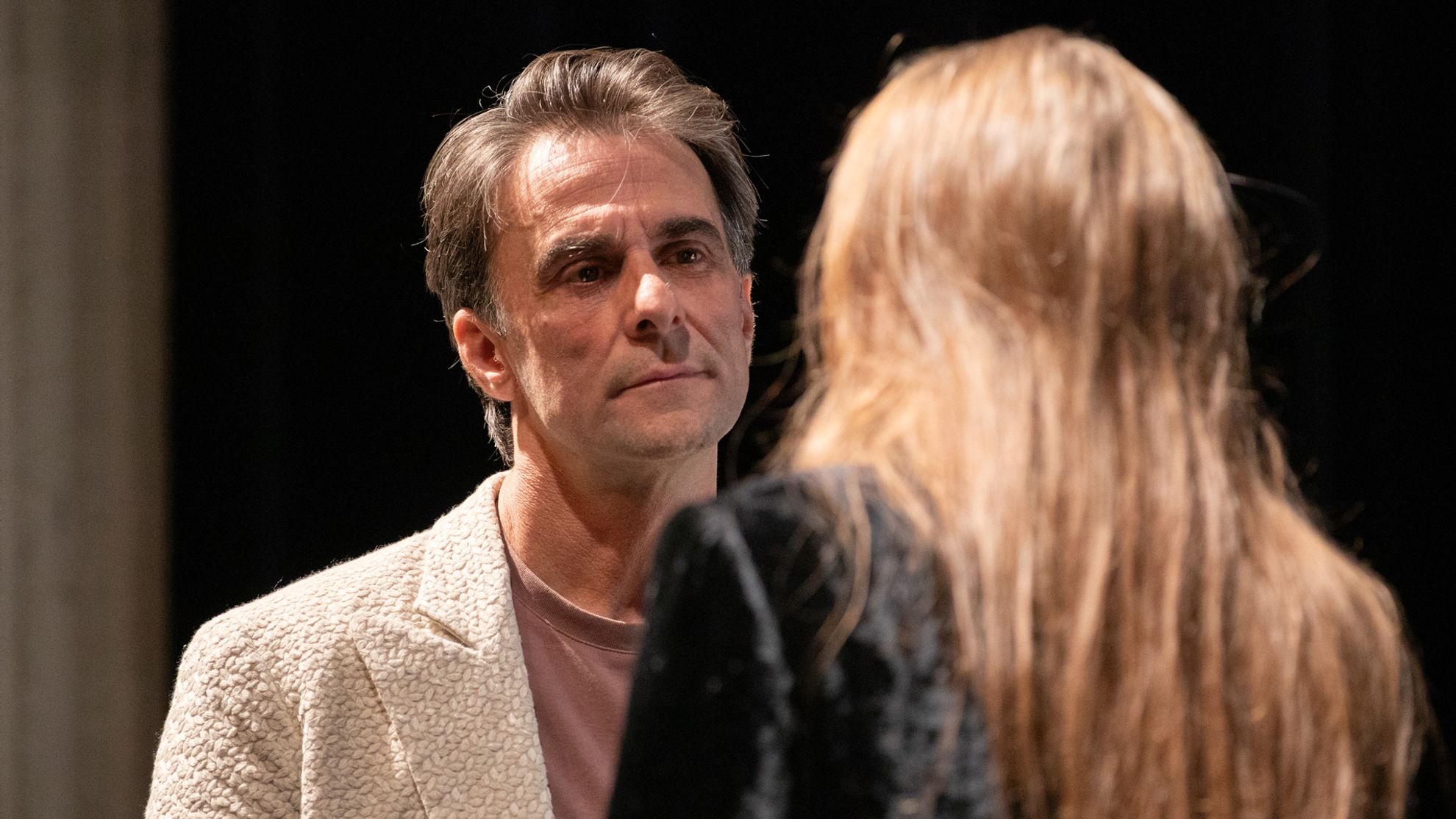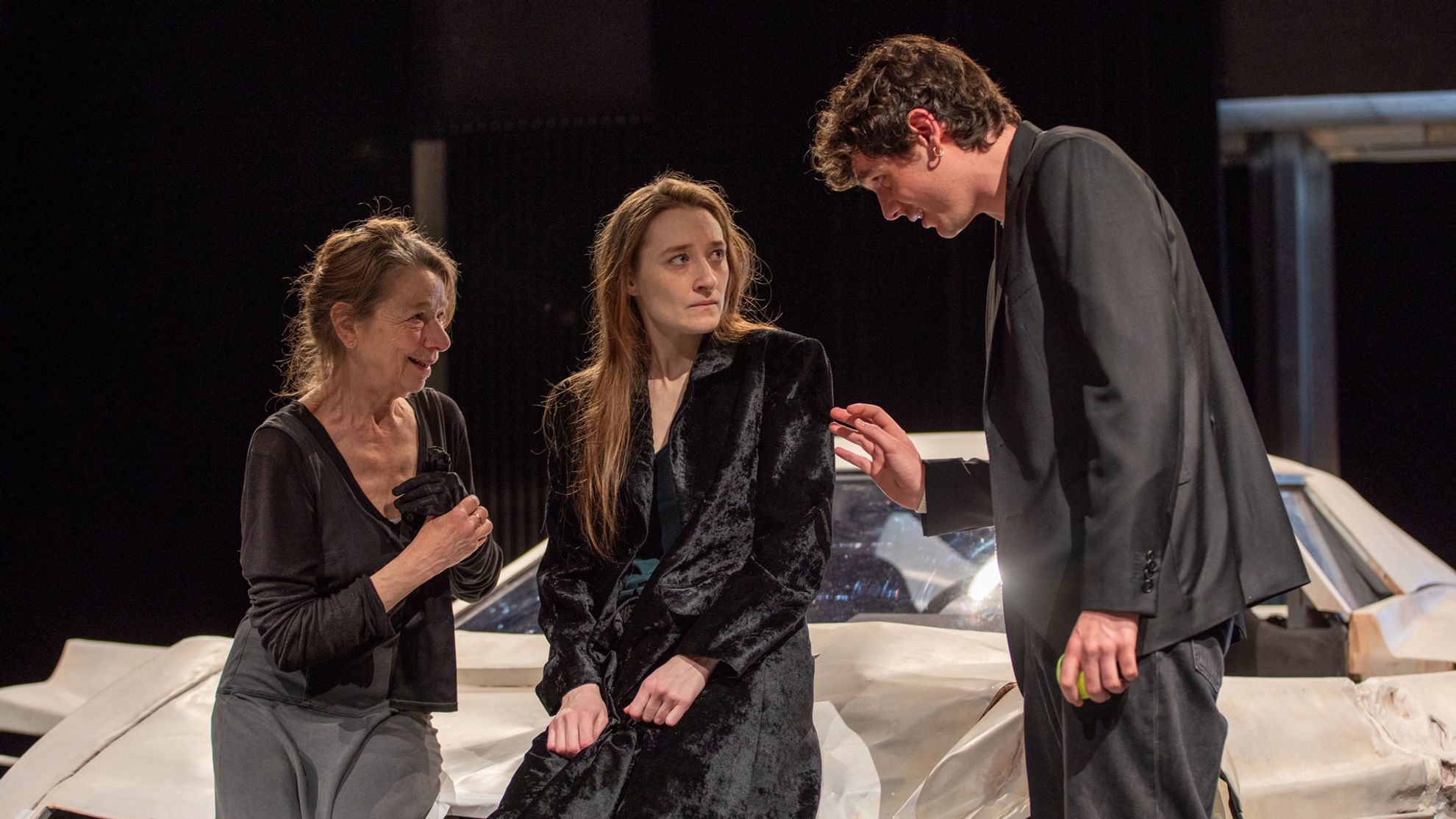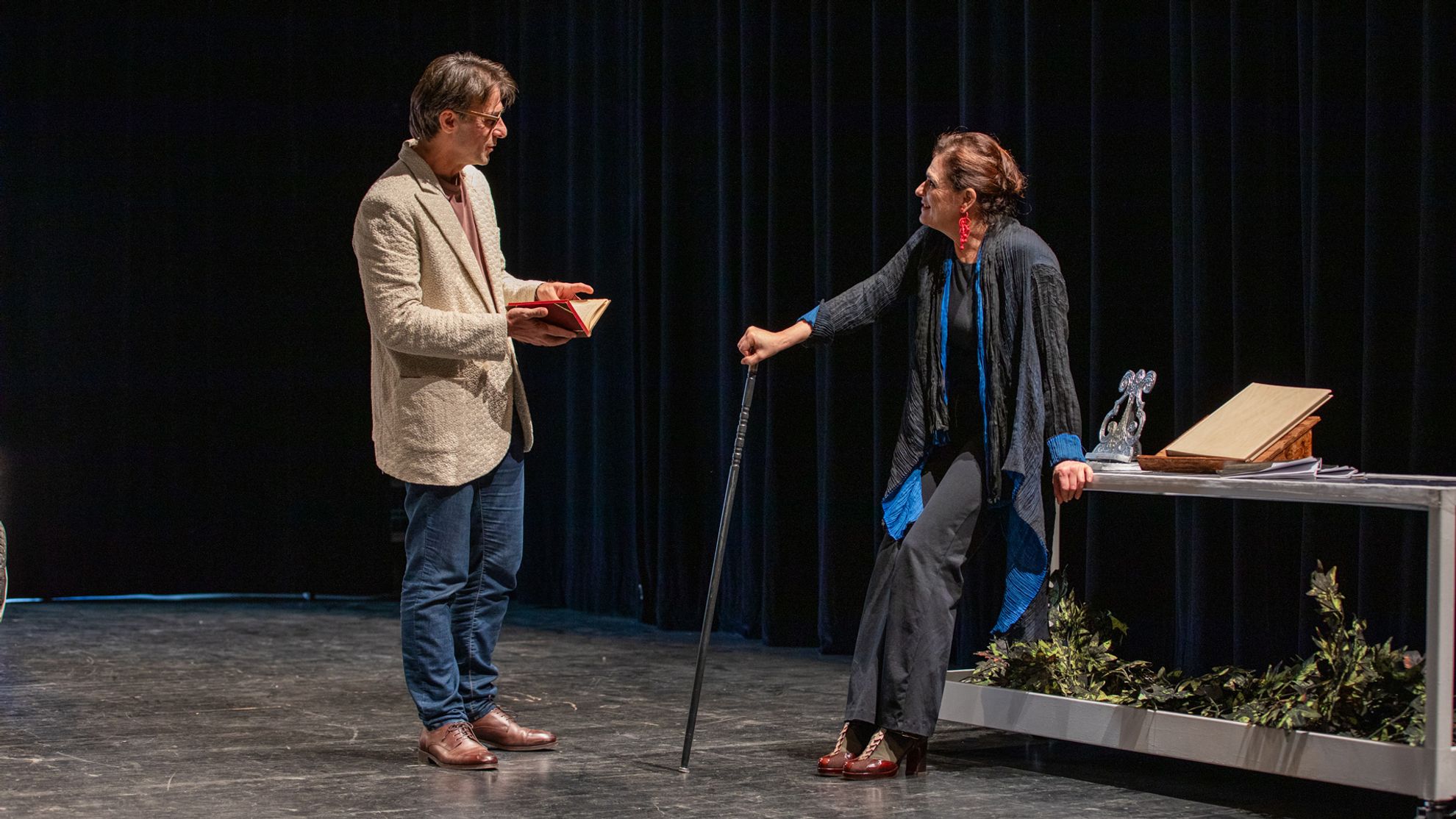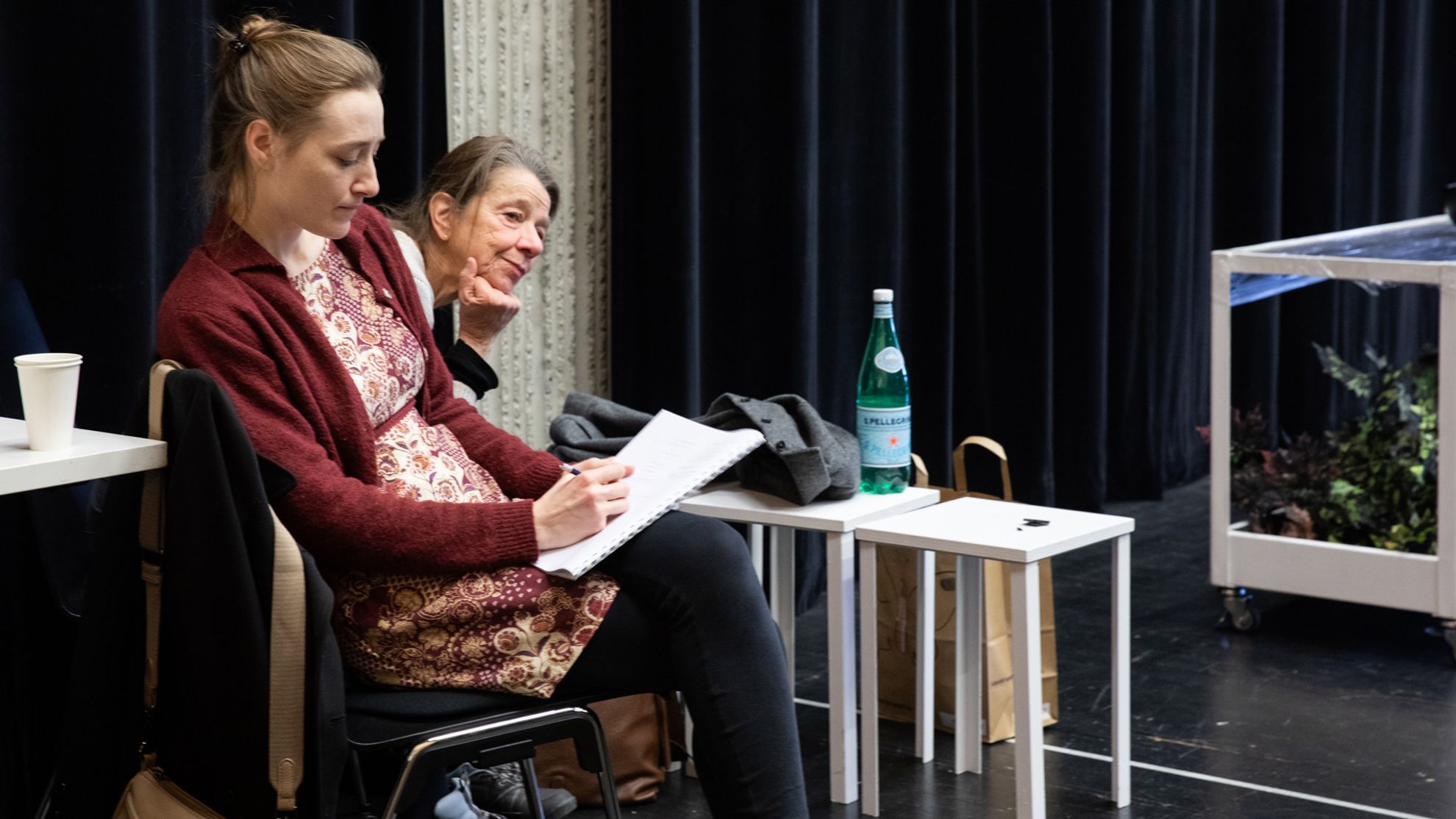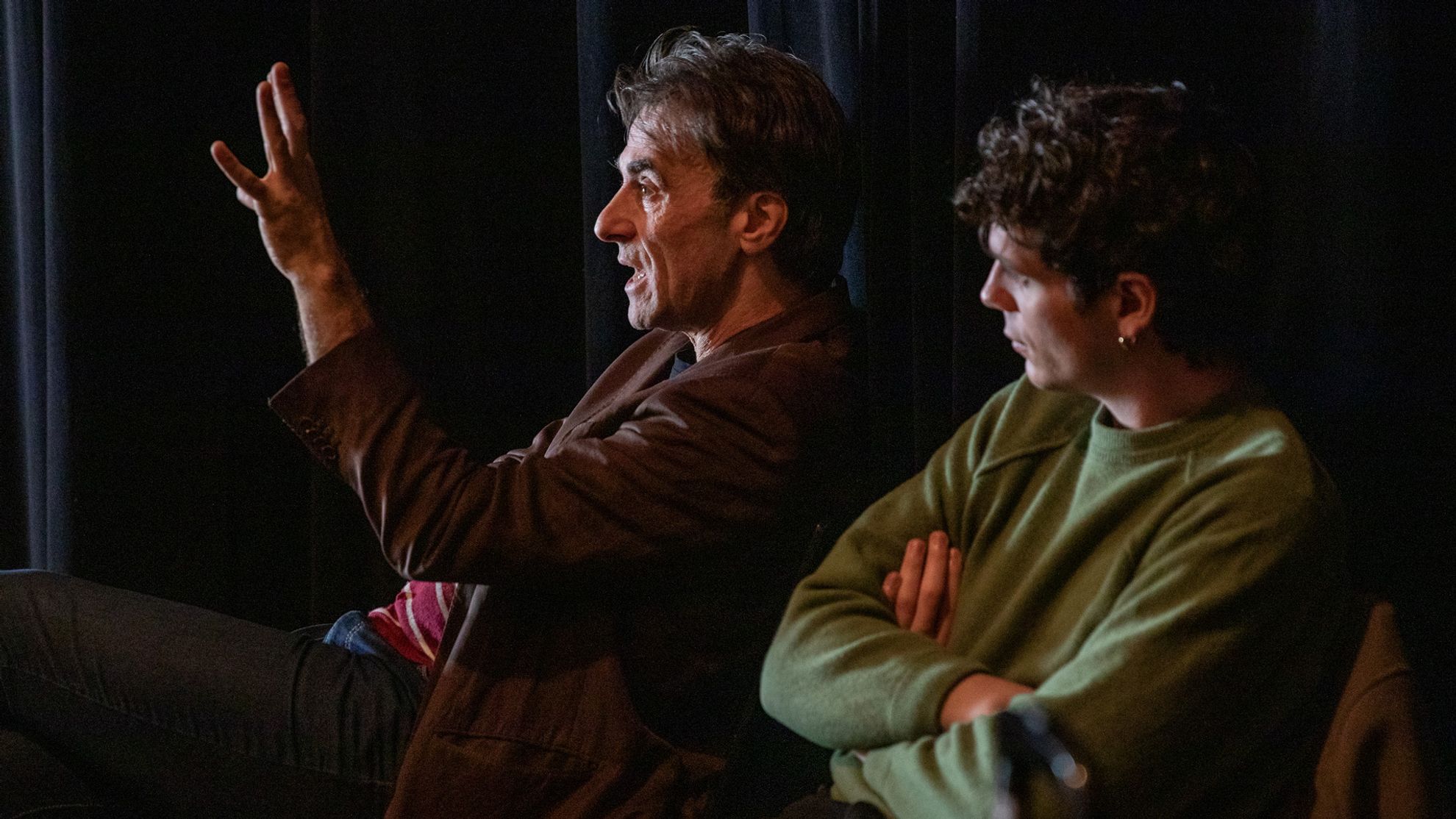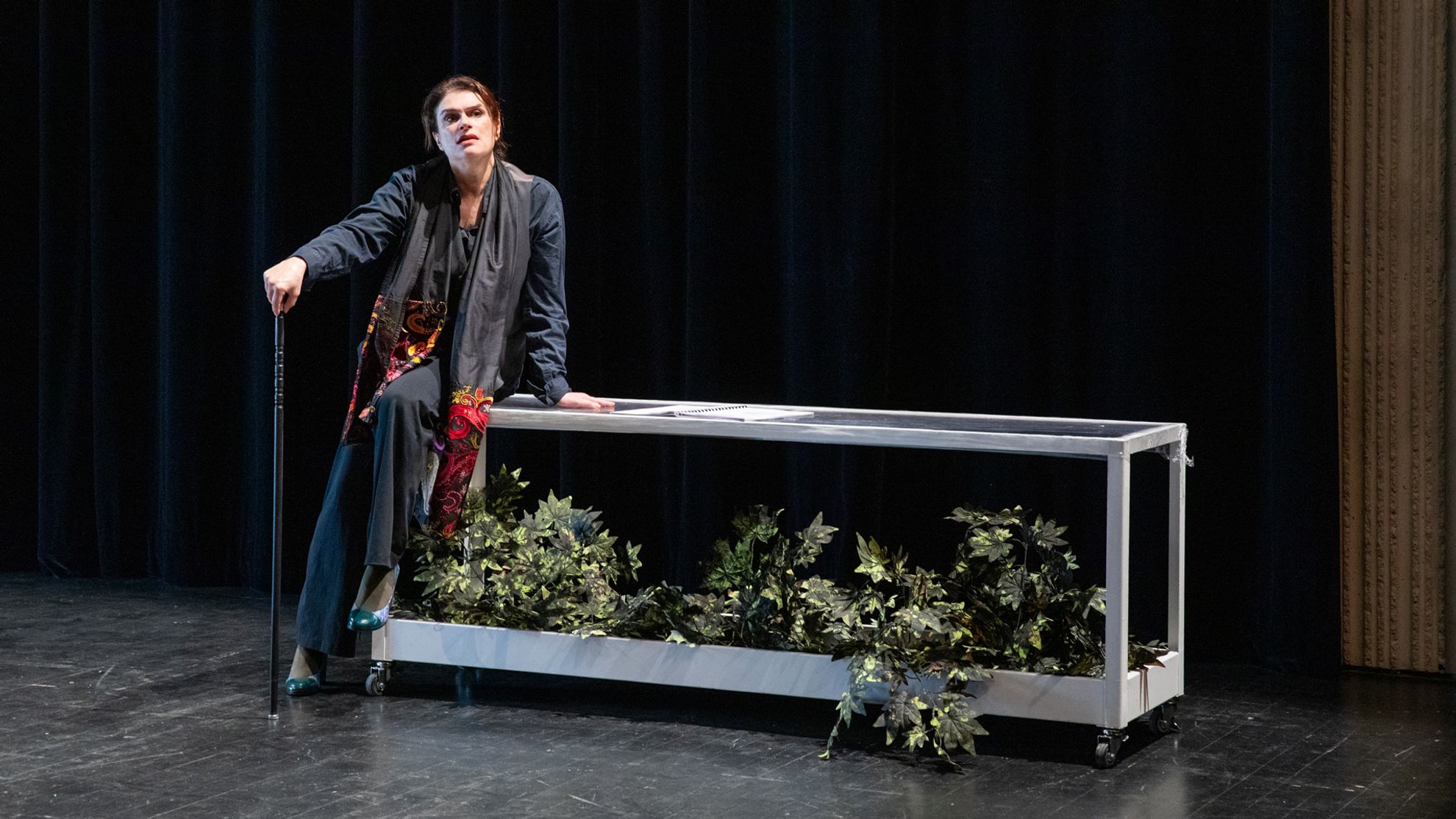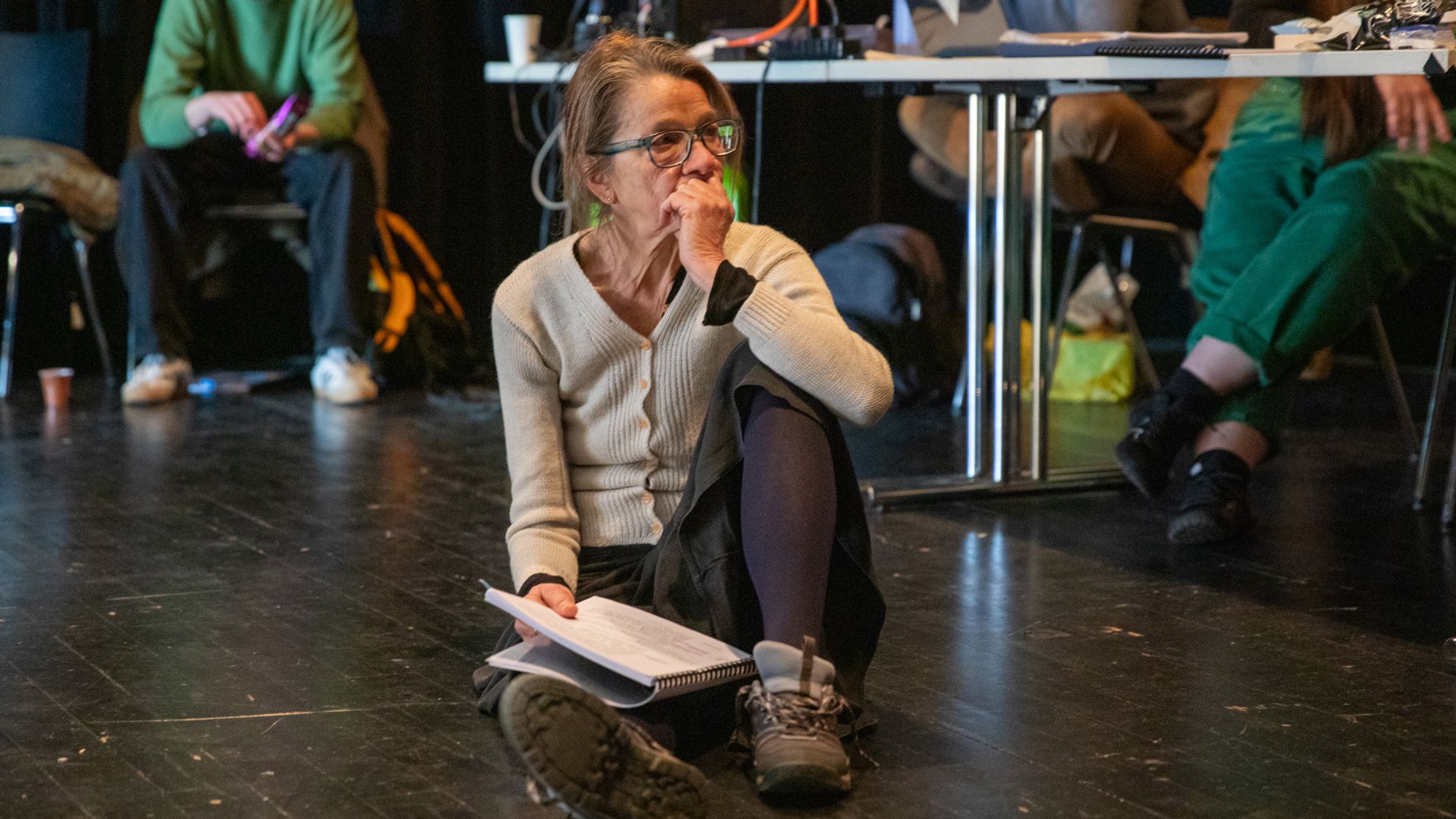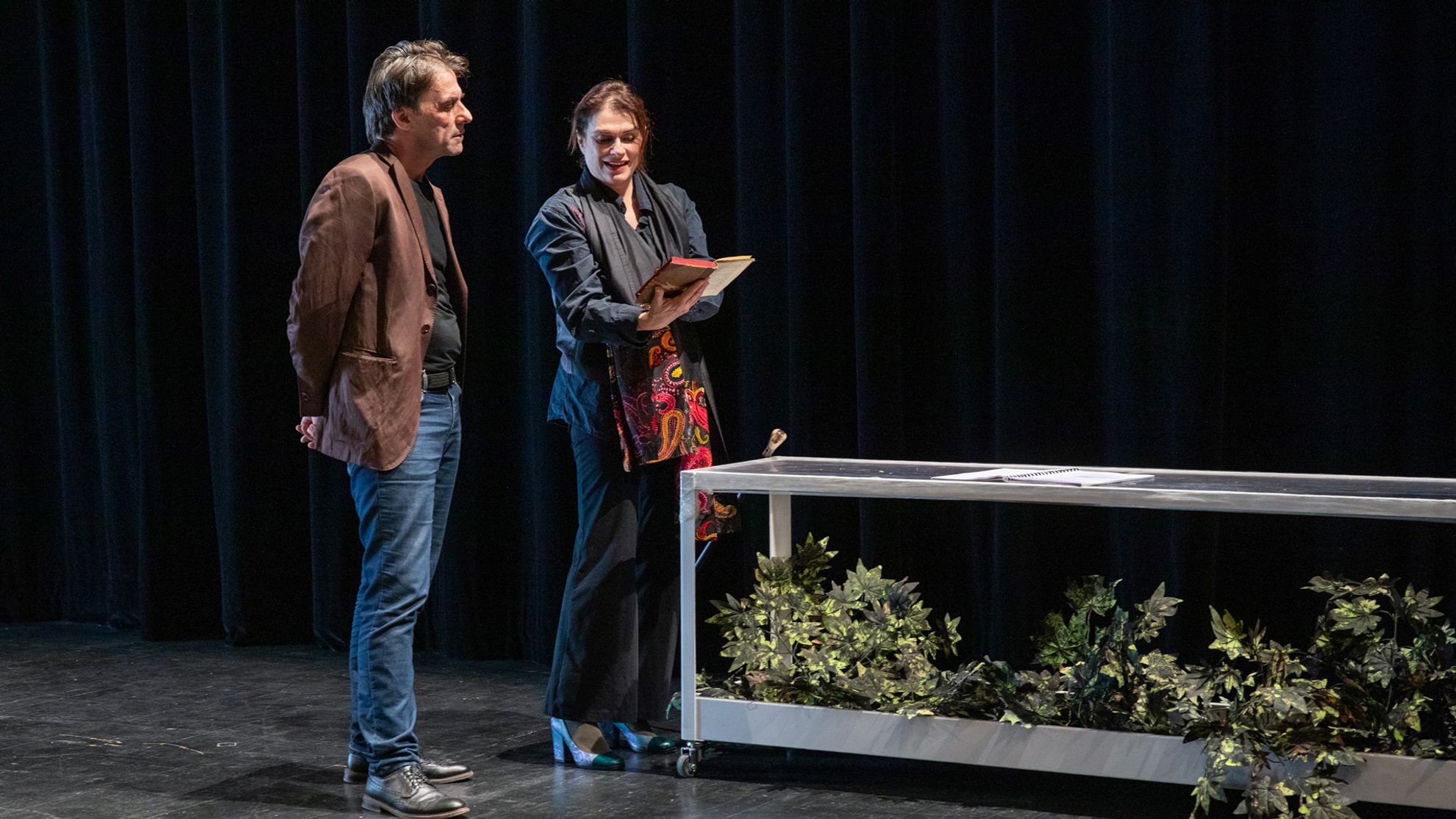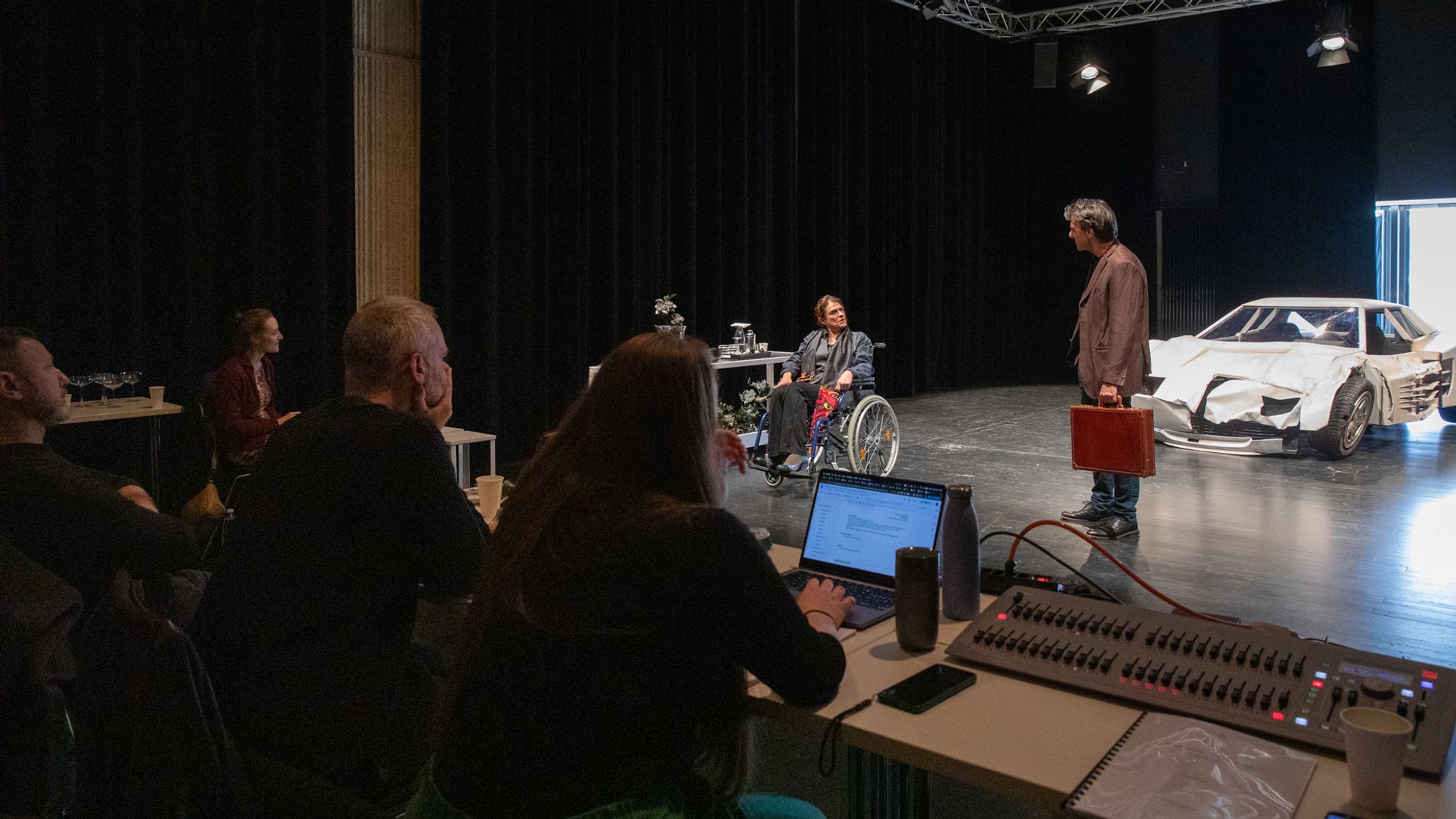
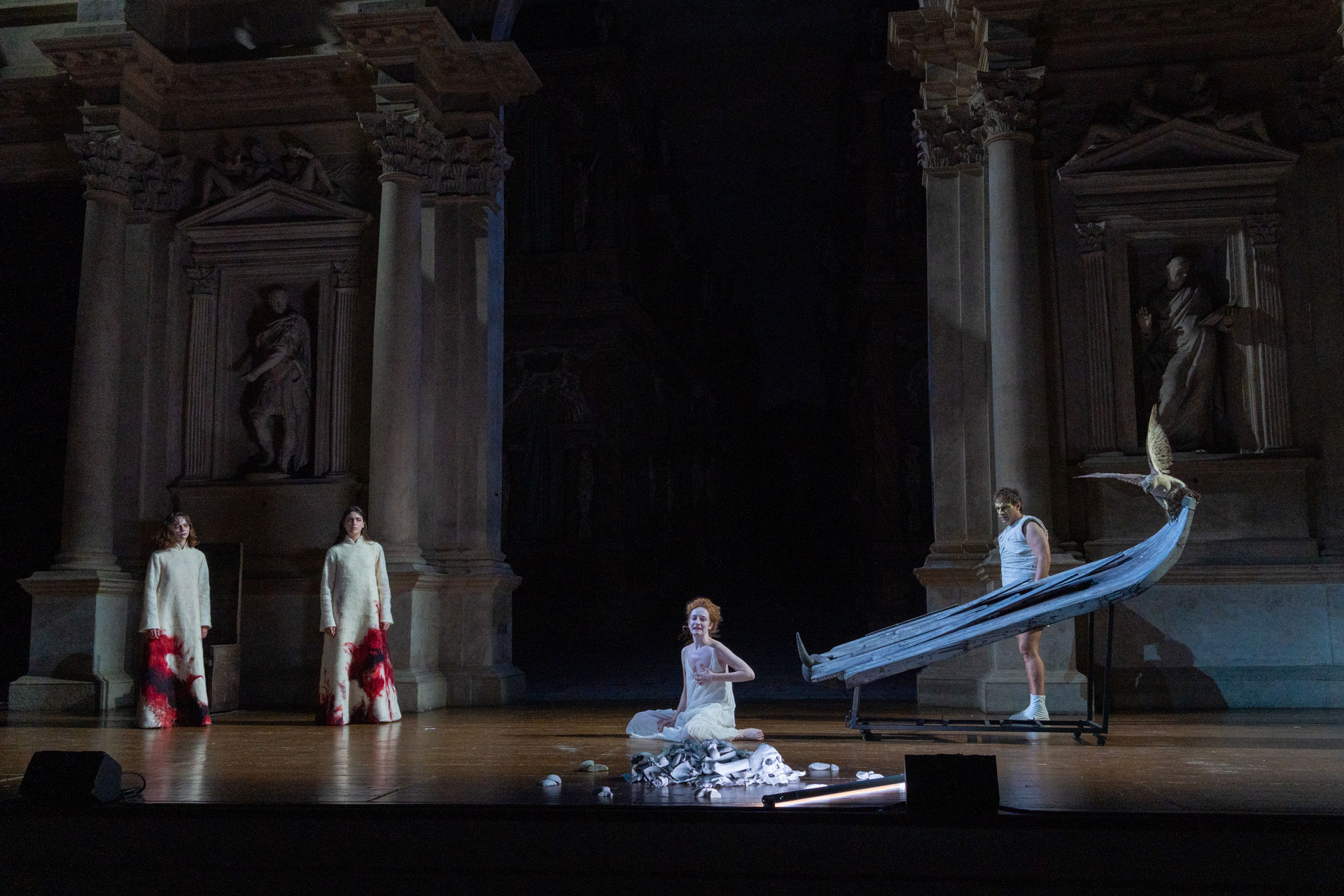


For his directorial debut at the LAC, Stefano Cordella has chosen to tackle Tennessee Williams’ *Suddenly, Last Summer*, one of the American playwright’s most surprising and personal works. A drama rich in symbols and imagery, it unfolds like a psychological thriller within a claustrophobic vortex of tension and violence.
Improvvisamente l’estate scorsa
Tennessee Williams / Stefano Cordella / Laura Marinoni
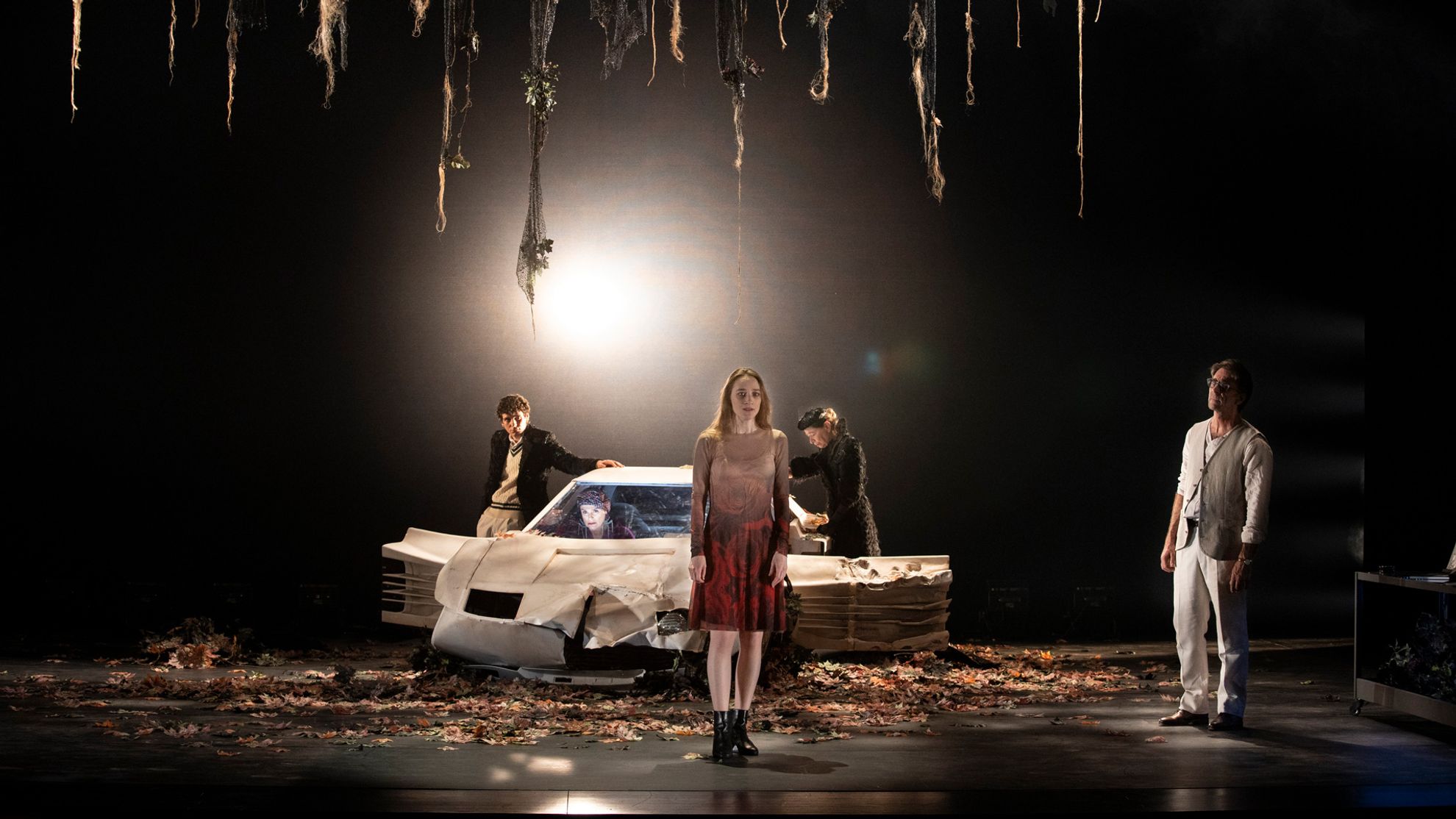
© LAC Lugano Arte e Cultura – Foto Luca Del Pia
1 hour 45 minutes
Sala Teatro
Past event
28 April 2025
20:30
World premiere
28.04.2025
LAC Lugano Arte e Cultura
Tournée
02–04.04.2027
Teatro Fraschini – Pavia, Italia
31.03.2027
Piemonte dal Vivo / Teatro Sociale – Pinerolo (TO), Italia
30.03.2027
Piemonte dal Vivo / Teatro Alfieri – Asti
23–24.03.2027
Teatro Civico – La Spezia, Italia
16–21.03.2027
Teatro Elfo Puccini – Milano, Italia
06–14.03.2027
Teatro Donizetti - Bergamo, Italia
03–04.03.2027
FTS/Teatro degli Animosi - Carrara (MS), Italia
26.03.2026
Teatro Giuditta Pasta, Saronno, Italia
25.03.2026
Teatro Comunale, Lonigo (VI), Italia
24.03.2026
Teatro Asioli, Correggio (RE), Italia
17–22.03.2026
Sala Umberto, Roma, Italia
12–15.03.2026
Teatro Storchi, Modena, Italia
10.03.2026
Teatro Nuovo G. Menotti, Spoleto, Italia
04–07.03.2026
Teatro Astra, Torino, Italia
27.02–01.03.2026
Teatro Ivo Chiesa, Genova, Italia
26.02.2026
Teatro Magnani, Fidenza (PR), Italia
07–11.05.2025
Teatro Carcano, Milano
28–29.04.2025
LAC Lugano Arte e Cultura
Improvvisamente l’estate scorsa
Tennessee Williams / Stefano Cordella / Laura Marinoni
© LAC Lugano Arte e Cultura – Foto Luca Del Pia
1 hour 45 minutes
Sala Teatro
Past event
28 April 2025
20:30
World premiere
28.04.2025
LAC Lugano Arte e Cultura
Tournée
02–04.04.2027
Teatro Fraschini – Pavia, Italia
31.03.2027
Piemonte dal Vivo / Teatro Sociale – Pinerolo (TO), Italia
30.03.2027
Piemonte dal Vivo / Teatro Alfieri – Asti
23–24.03.2027
Teatro Civico – La Spezia, Italia
16–21.03.2027
Teatro Elfo Puccini – Milano, Italia
06–14.03.2027
Teatro Donizetti - Bergamo, Italia
03–04.03.2027
FTS/Teatro degli Animosi - Carrara (MS), Italia
26.03.2026
Teatro Giuditta Pasta, Saronno, Italia
25.03.2026
Teatro Comunale, Lonigo (VI), Italia
24.03.2026
Teatro Asioli, Correggio (RE), Italia
17–22.03.2026
Sala Umberto, Roma, Italia
12–15.03.2026
Teatro Storchi, Modena, Italia
10.03.2026
Teatro Nuovo G. Menotti, Spoleto, Italia
04–07.03.2026
Teatro Astra, Torino, Italia
27.02–01.03.2026
Teatro Ivo Chiesa, Genova, Italia
26.02.2026
Teatro Magnani, Fidenza (PR), Italia
07–11.05.2025
Teatro Carcano, Milano
28–29.04.2025
LAC Lugano Arte e Cultura
In 1943, Rose, Tennessee Williams’s sister, underwent a lobotomy with their mother’s consent. This event left an indelible mark on the American playwright’s life, to the point of inspiring him to write *Suddenly
, Last Summer*
, one of Williams’s most autobiographical works.
The narrative drive of the play is the mystery surrounding Sebastian’s sudden death, which unfolds through the conflicting accounts of the two female protagonists: Violet, Sebastian’s mother, and Catherine, his cousin who spent her last summer with him in Cabeza de Lobo. Dr. Sugar, the psychiatrist tasked with performing a lobotomy on the young Catherine, is charged with uncovering the truth. Miss Violet is willing to do anything to silence her niece—who witnessed her son’s death—and to defend the reputation of Sebastian and the family.
As is often the case in Williams’s works, the conflict between appearance and truth becomes central to the story’s development, but here it takes on even more unsettling and ancestral dimensions, starting with the setting: a tropical garden/jungle in front of the family villa where Sebastian, an aspiring poet, spent most of his time composing his works, surrounded by carnivorous plants and predatory birds.
*Suddenly Last Summer*
is a disturbing descent into hell, populated by characters who are both victims and perpetrators at the same time. Gestures of affection become tools of manipulation to obtain money, sex, or to hide the truth. The world Williams describes is bleak, raw, and on the brink of madness; even the concepts of art and faith seem to slowly lose their meaning.
Many elements of the text allude to “creation” (artistic, biblical, biological), but it is as if the author sees destruction as the only possible path to catharsis. The stage thus becomes a space of memory, where memories and traumas blend together in an interplay of symbols that echoes the mechanics of dreams.
Multimedia Content
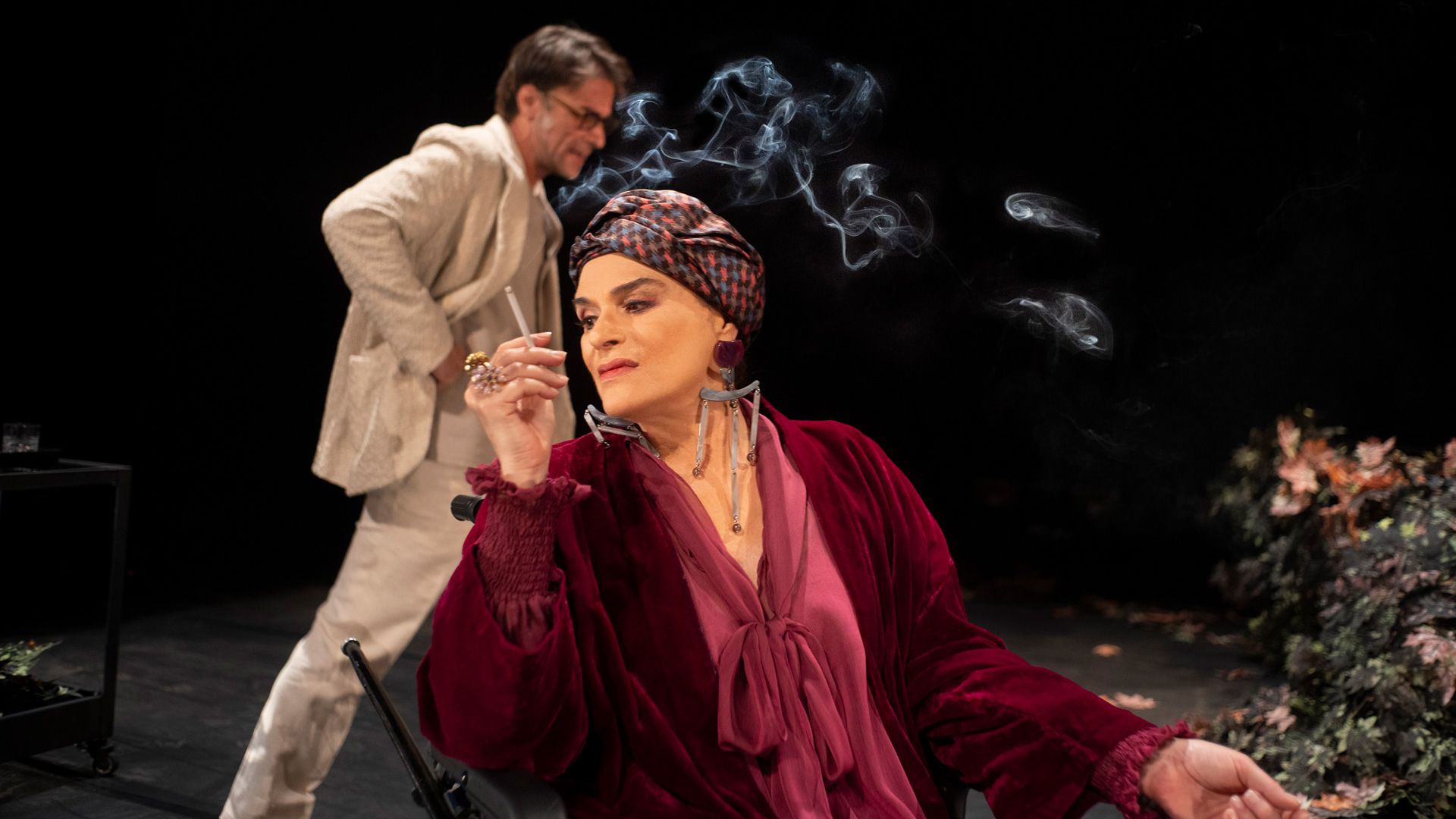
Improvvisamente l'estate scorsa
Trailer
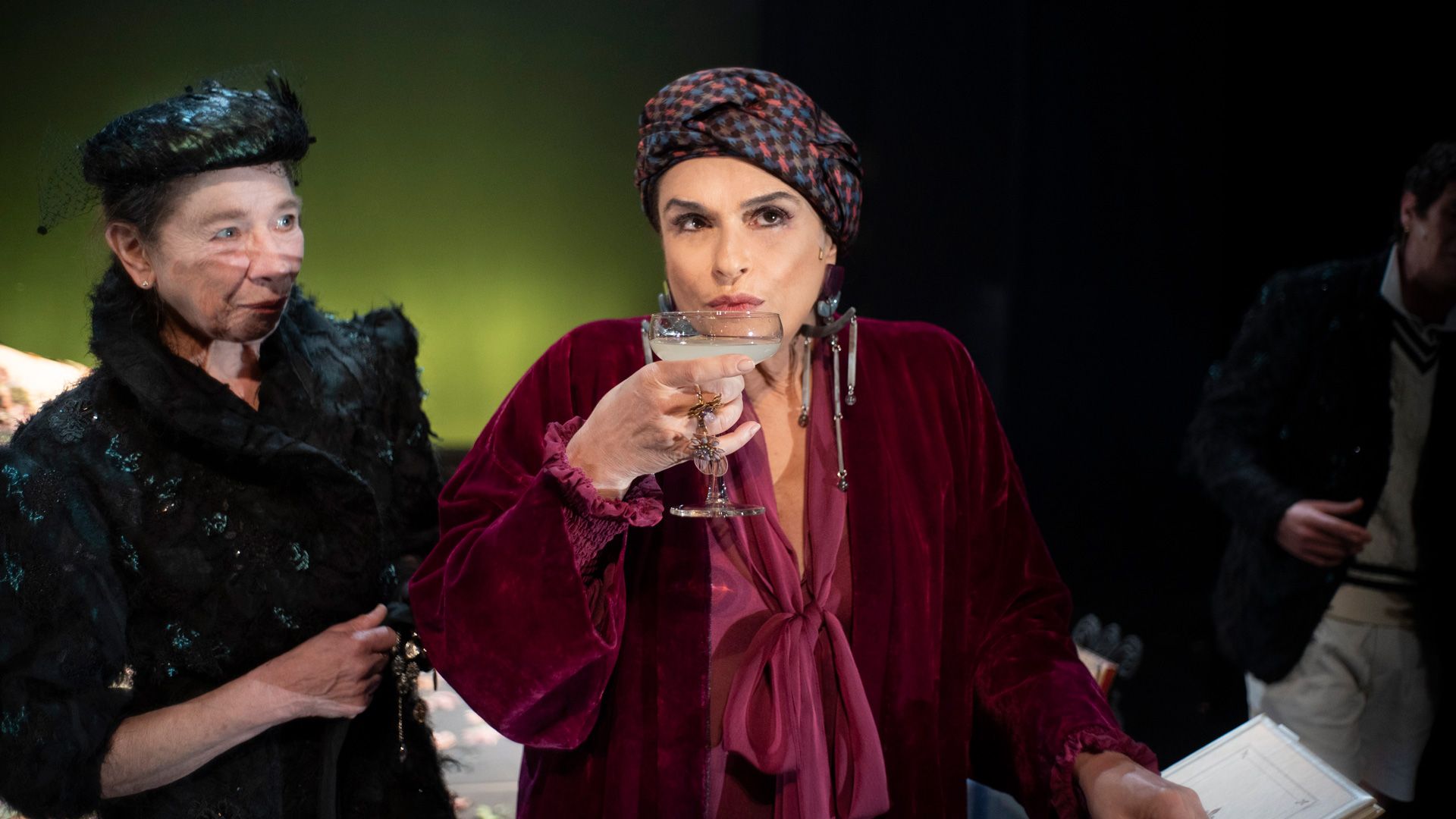
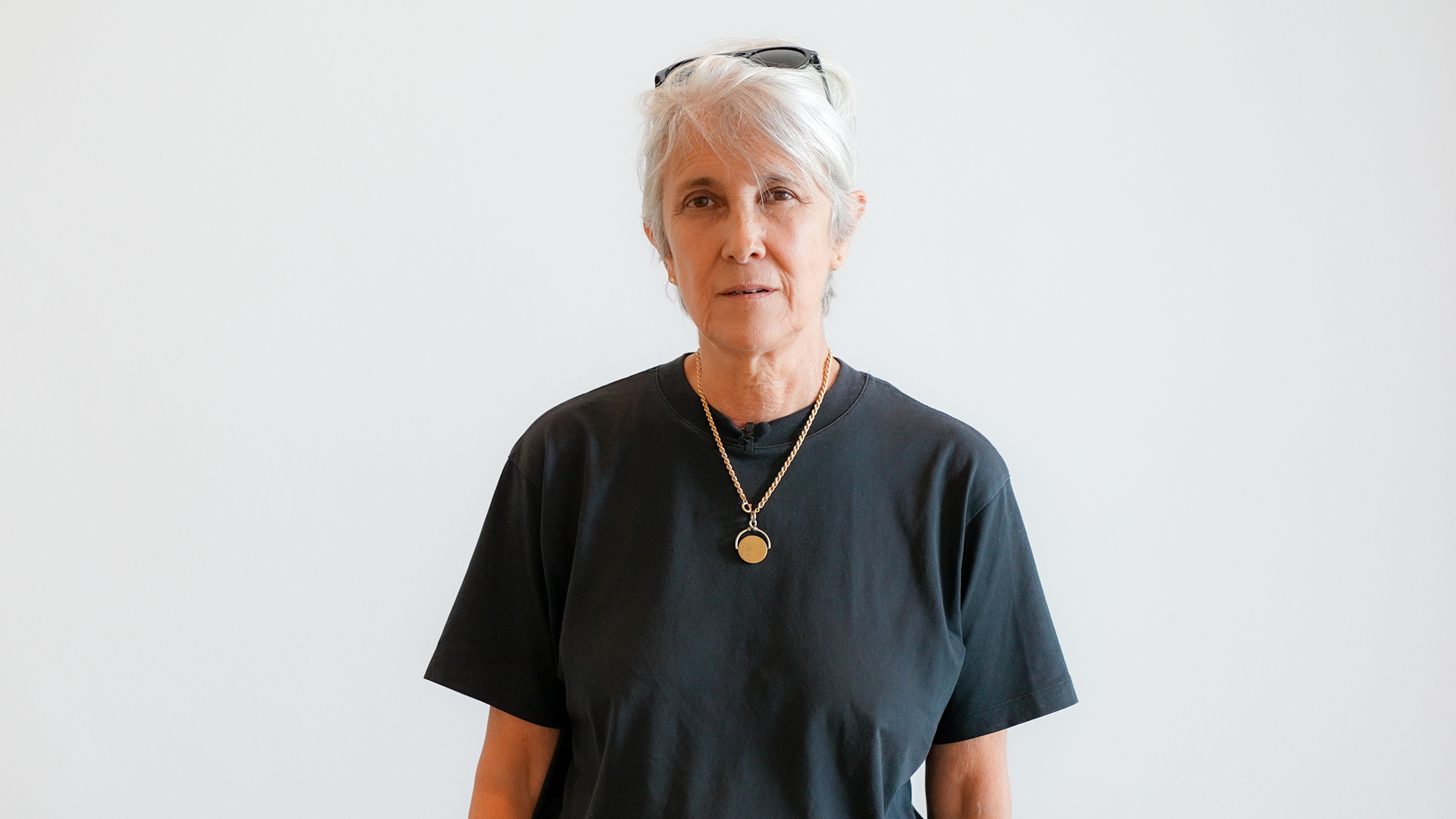
Intervista a Laura Marinoni
Improvvisamente l'estate scorsa
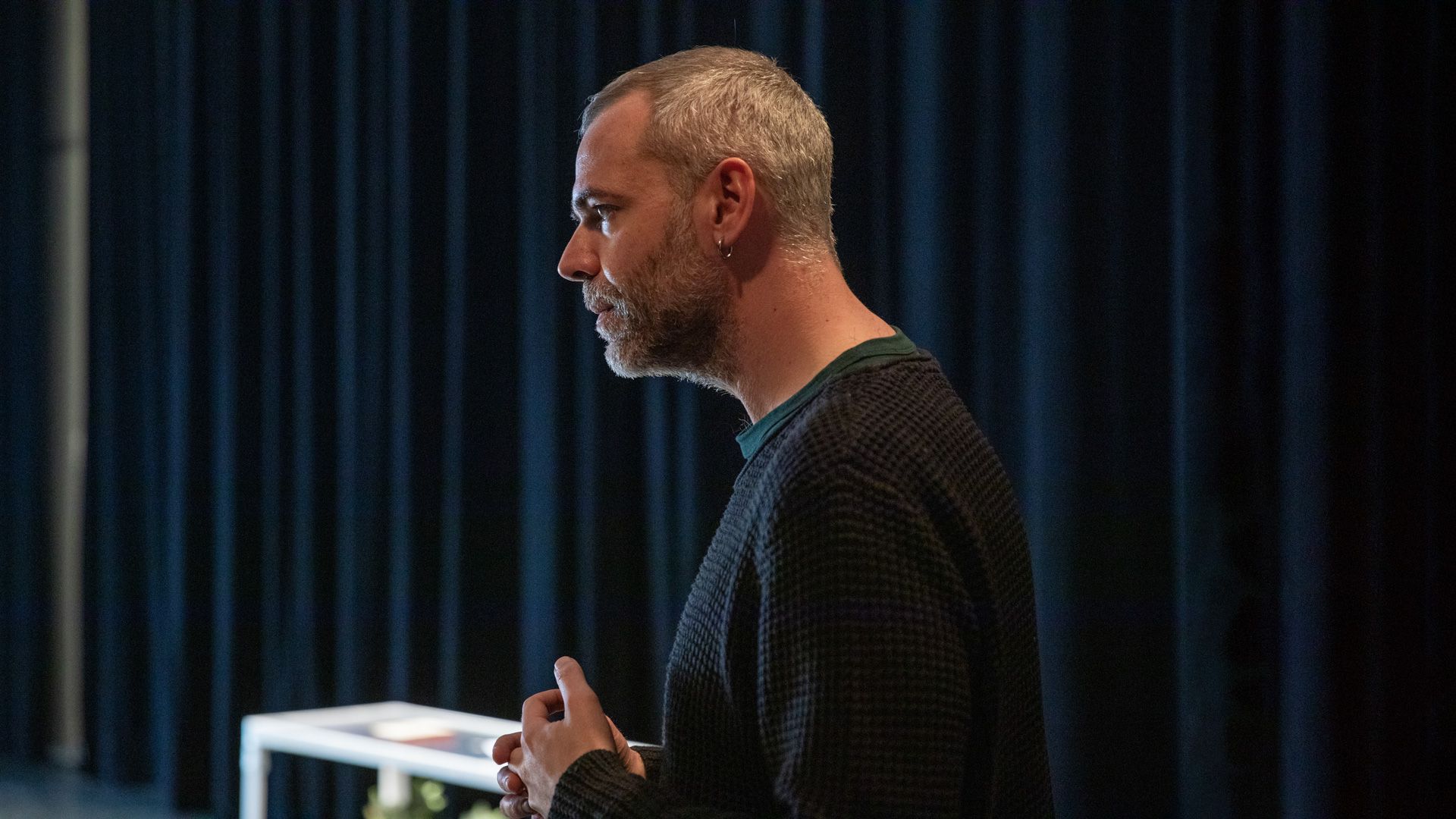
Stefano Cordella racconta lo spettacolo
Improvvisamente l'estate scorsa
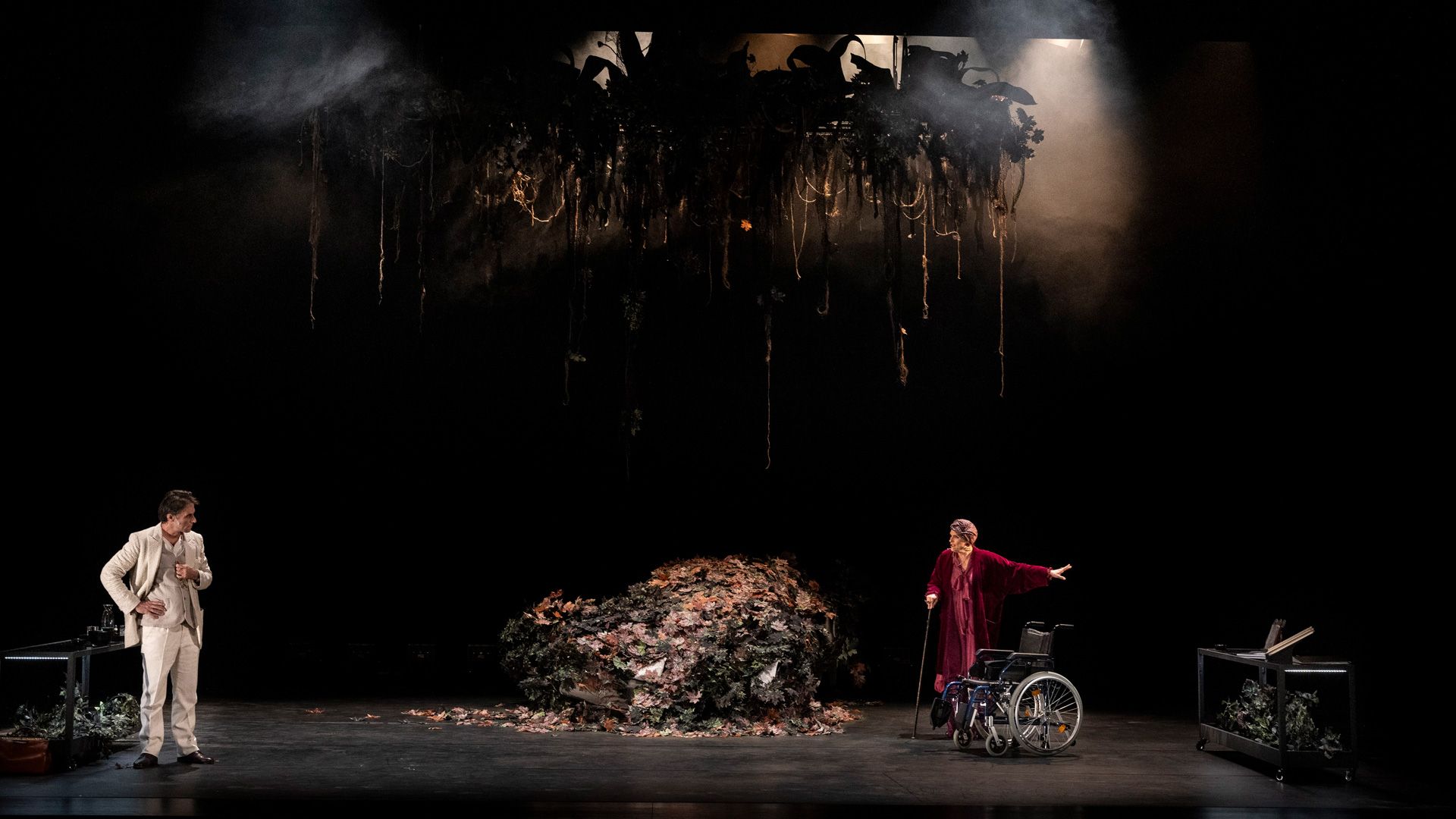
Improvvisamente l’estate scorsa
Foto di scena
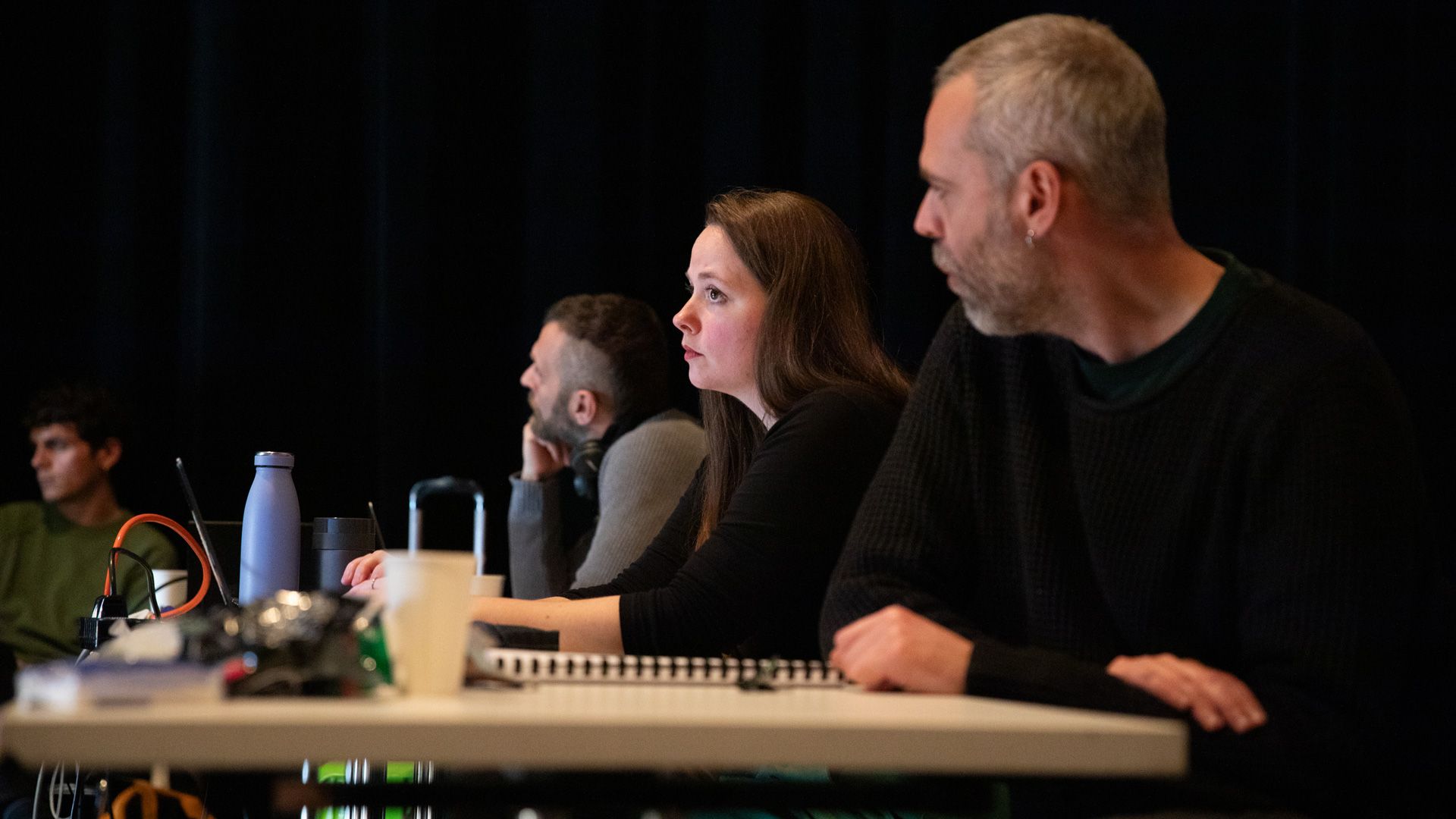
Improvvisamente l’estate scorsa
Prove di regia
Partner di produzione