Physicists

Friedrich Dürrenmatt / Igor Horvat
Sala Teatro

Past event

05 November 2024

20:30

06 November 2024

20:30

World premiere

05.11.2024

LAC, Lugano

Tournée

14–15.11.2024

Teatro Sociale Bellinzona

Physicists

Friedrich Dürrenmatt / Igor Horvat

Sala Teatro

Past event

05 November 2024

20:30

06 November 2024

20:30

World premiere

05.11.2024

LAC, Lugano

Tournée

14–15.11.2024

Teatro Sociale Bellinzona

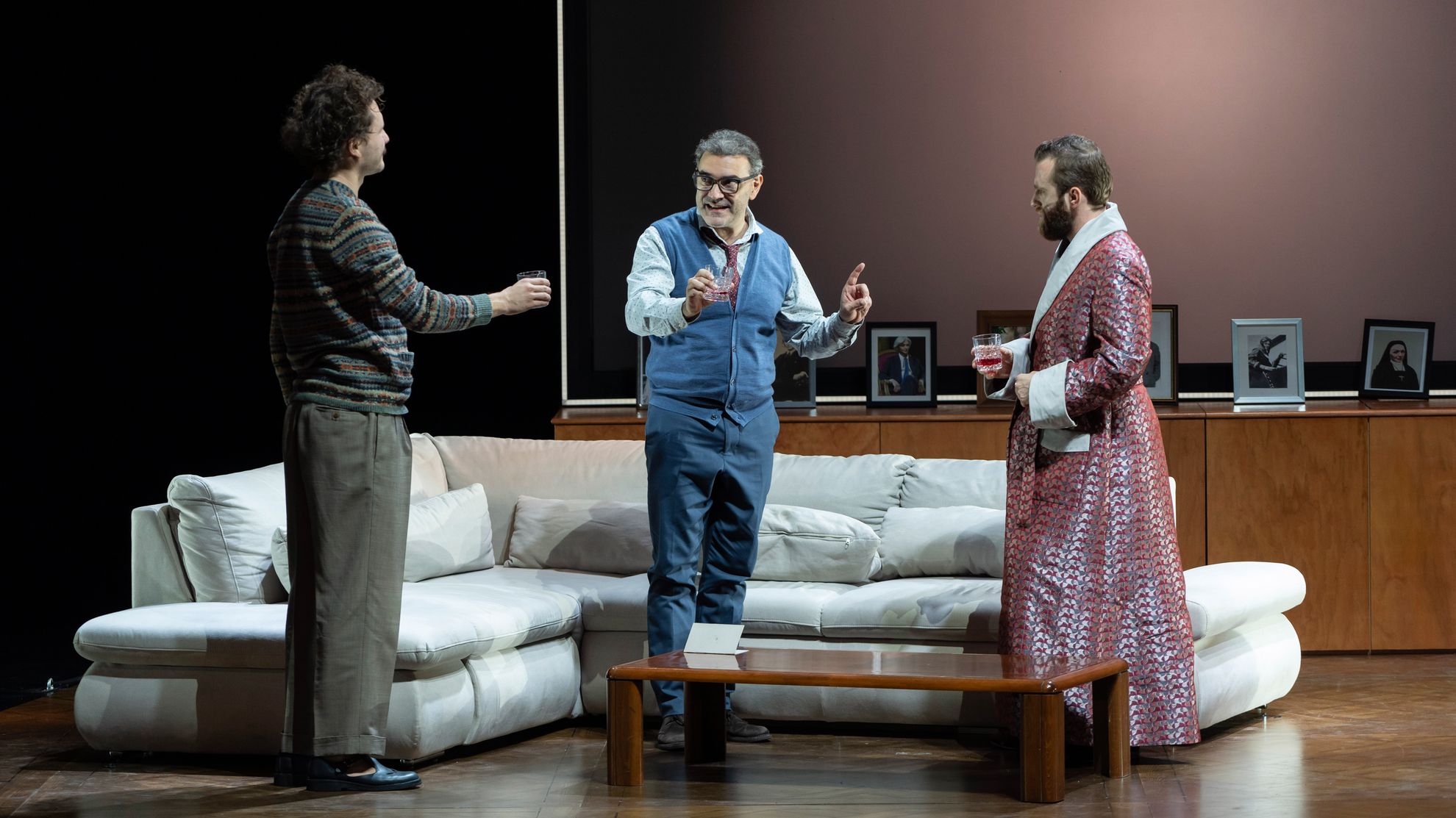
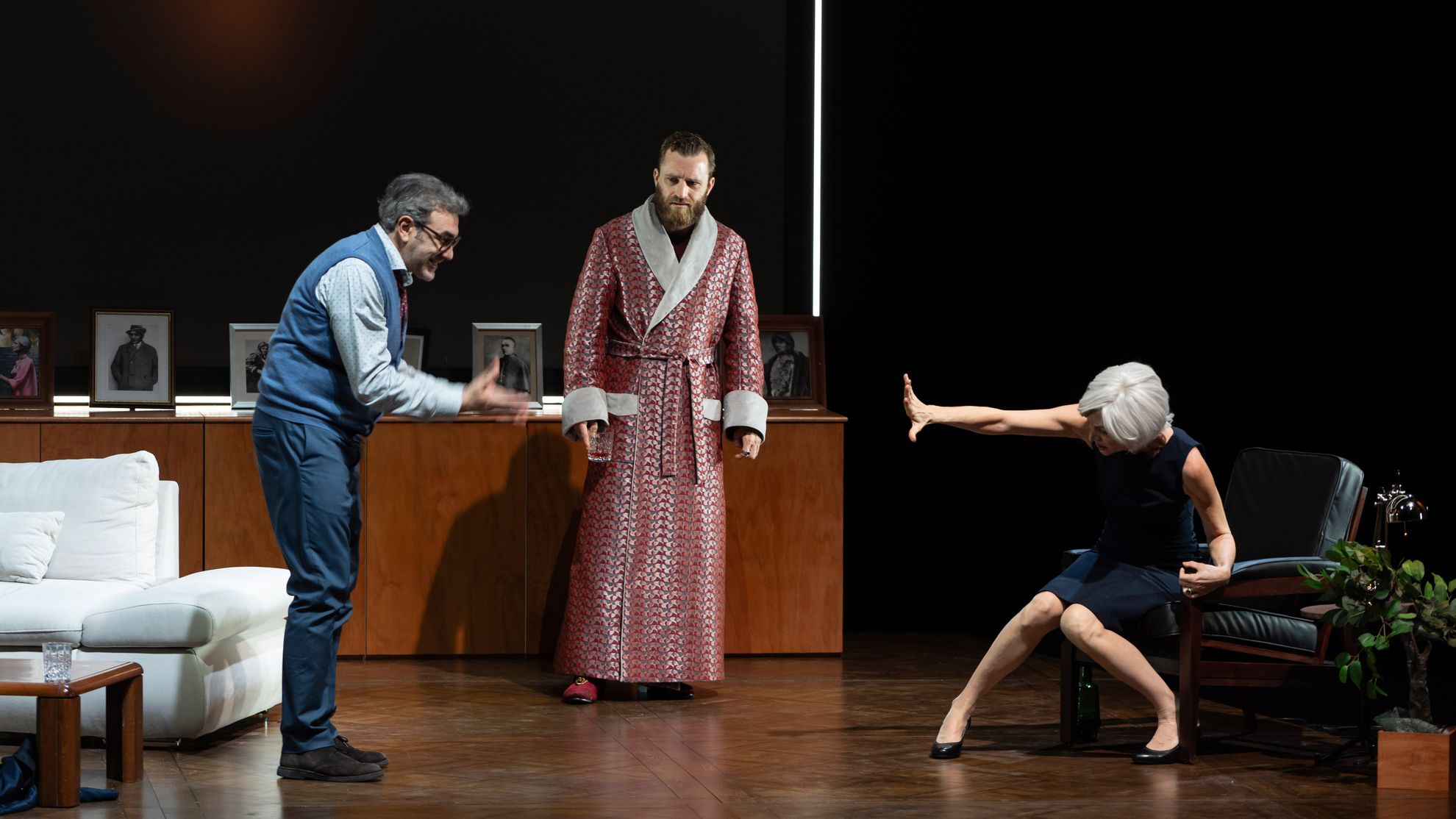
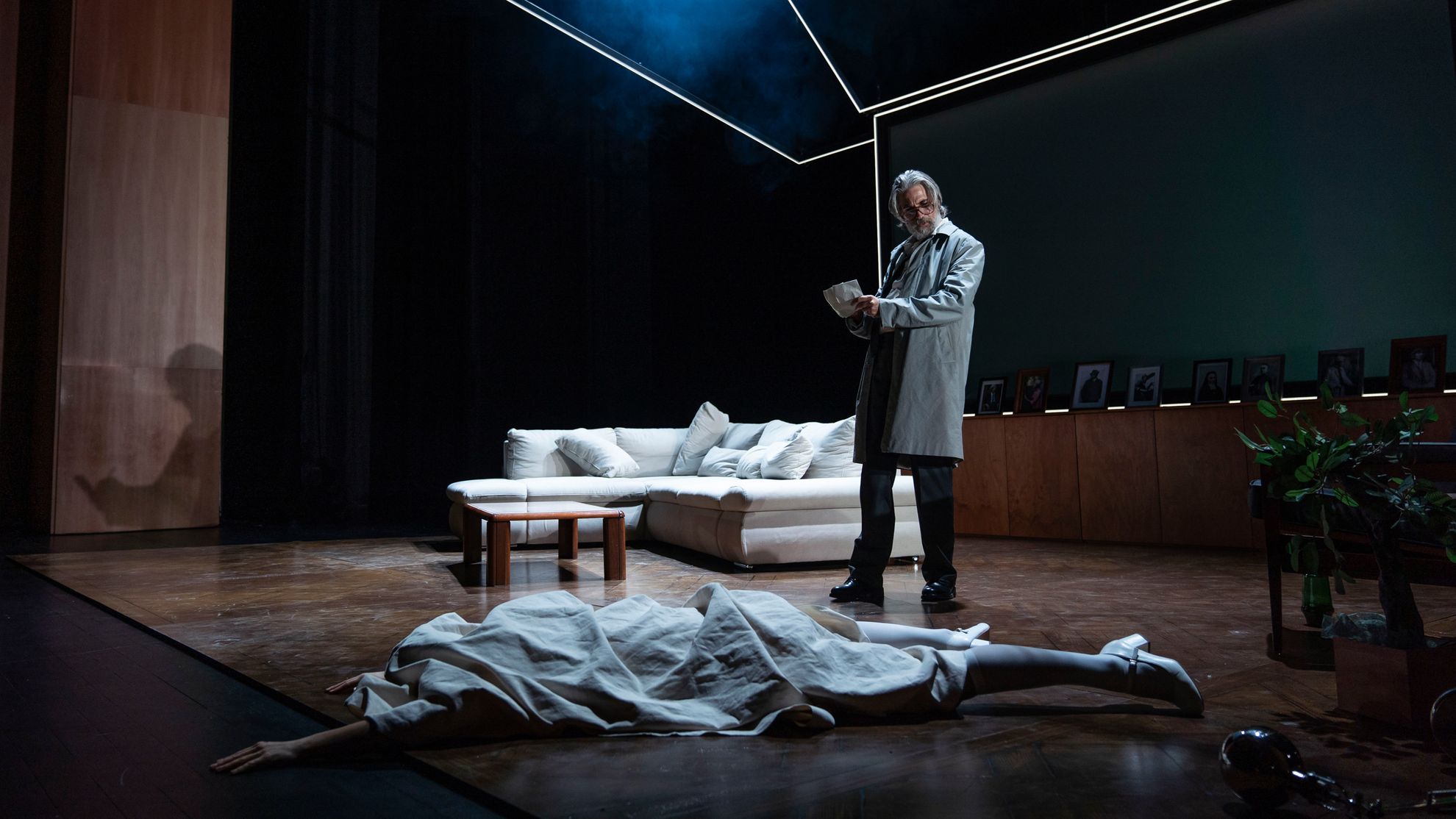
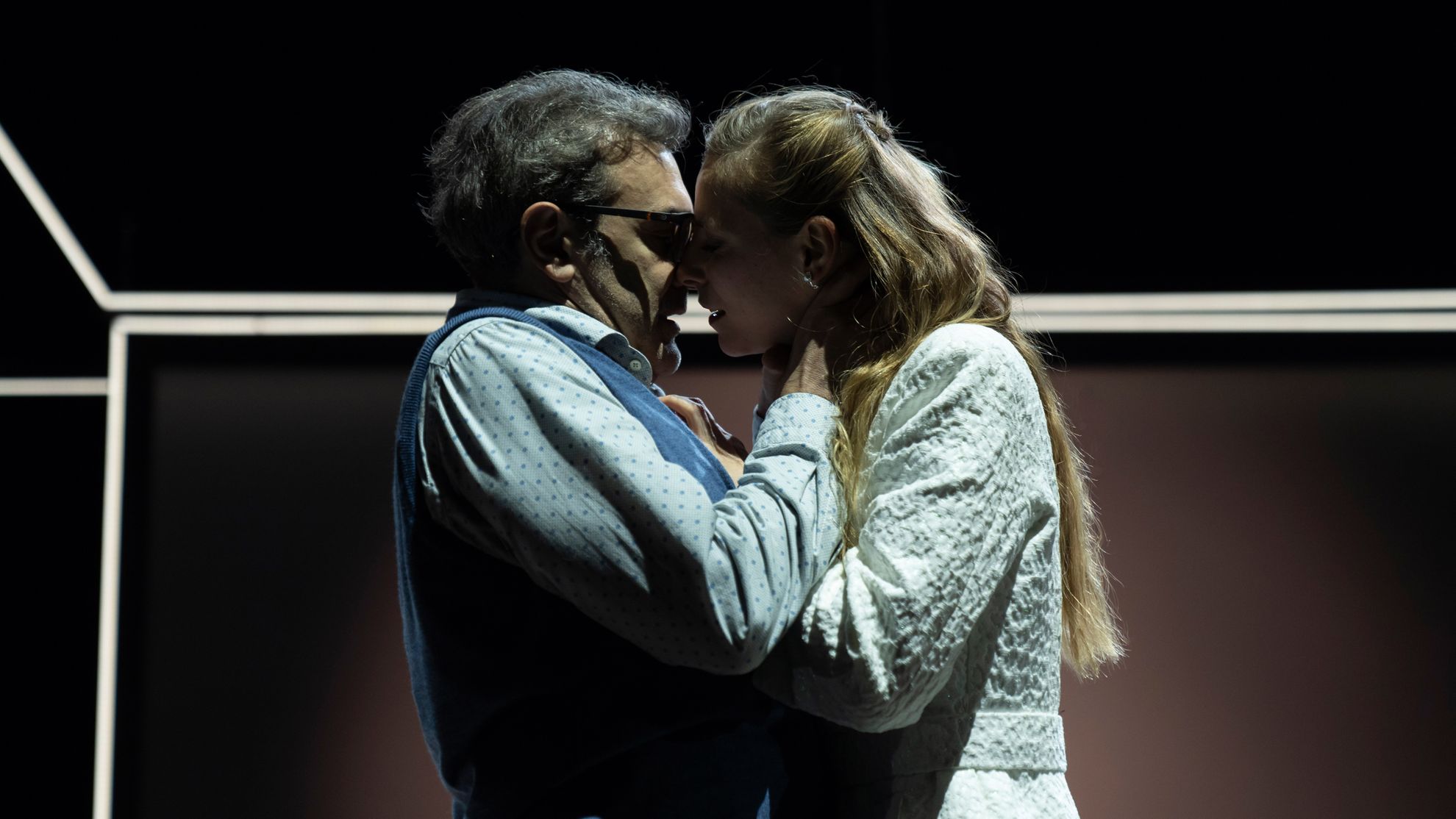
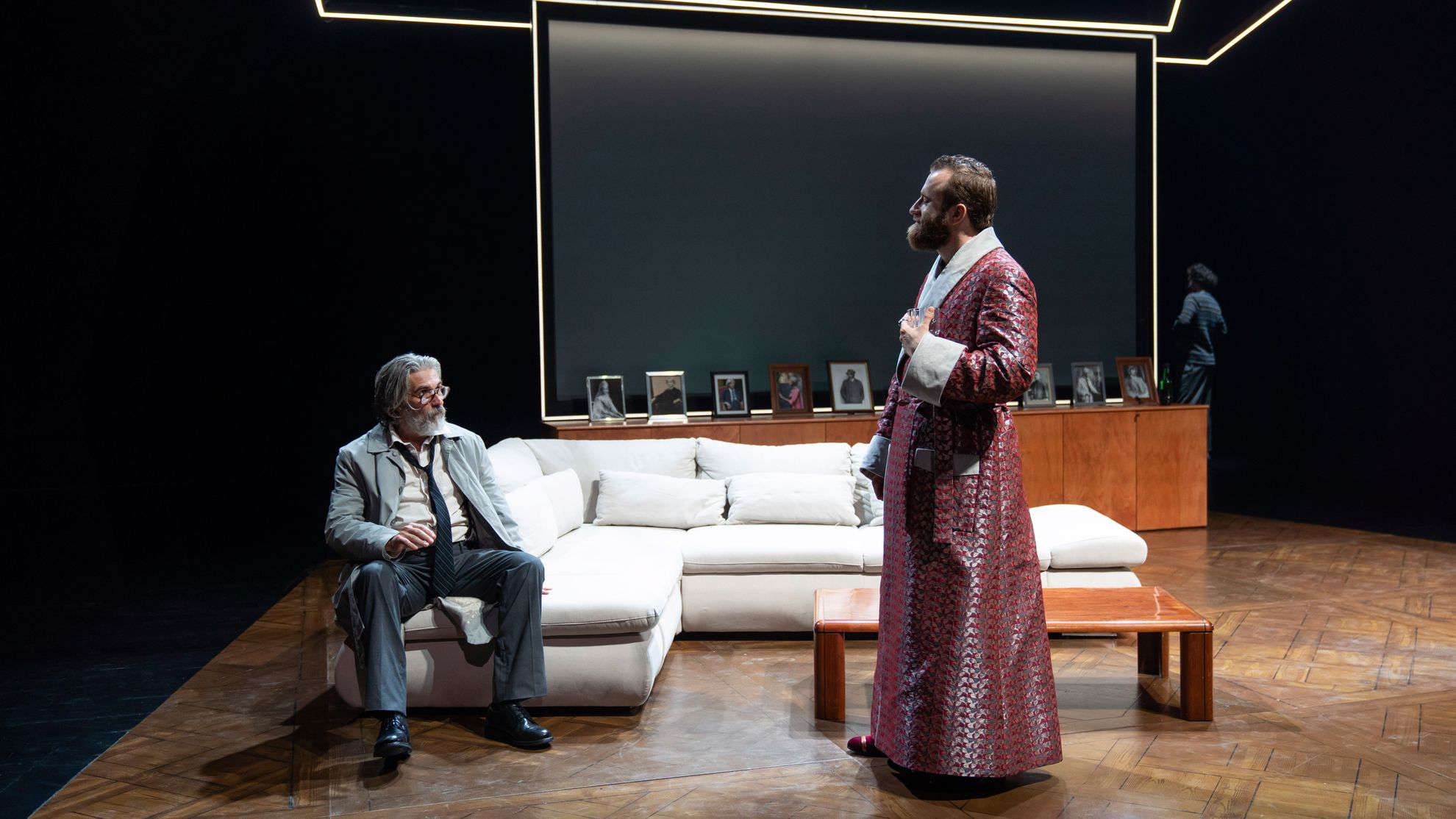
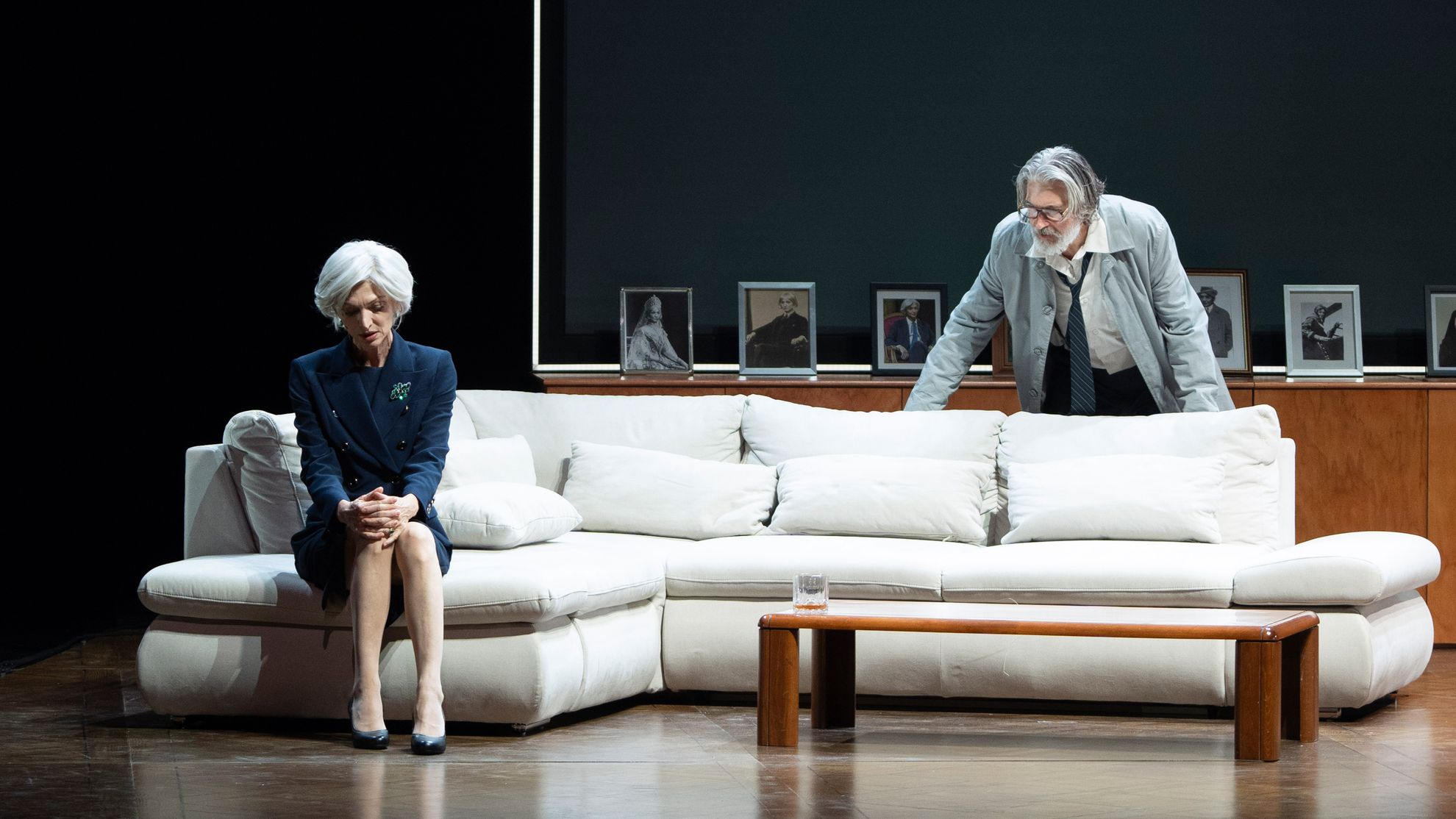
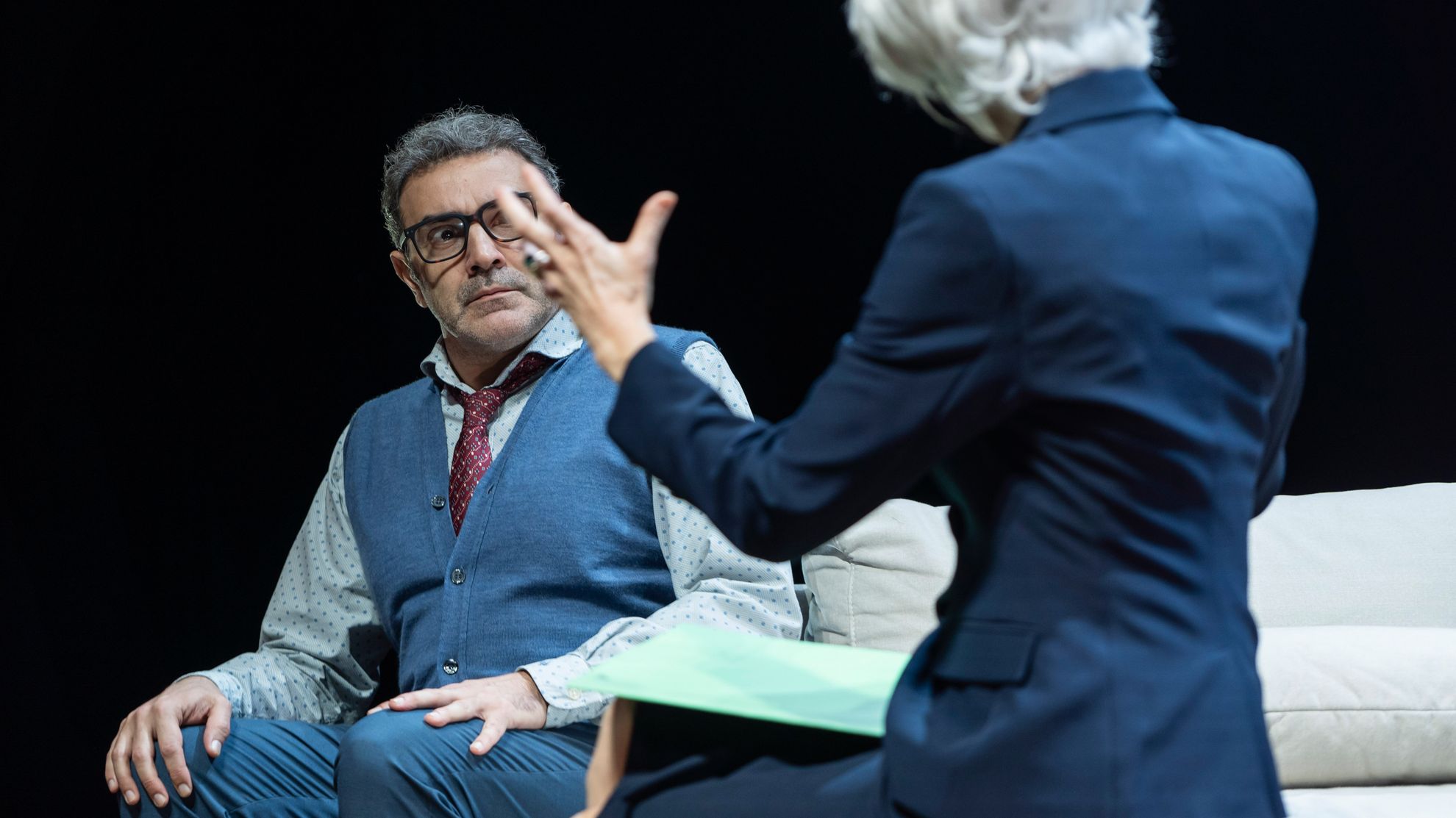
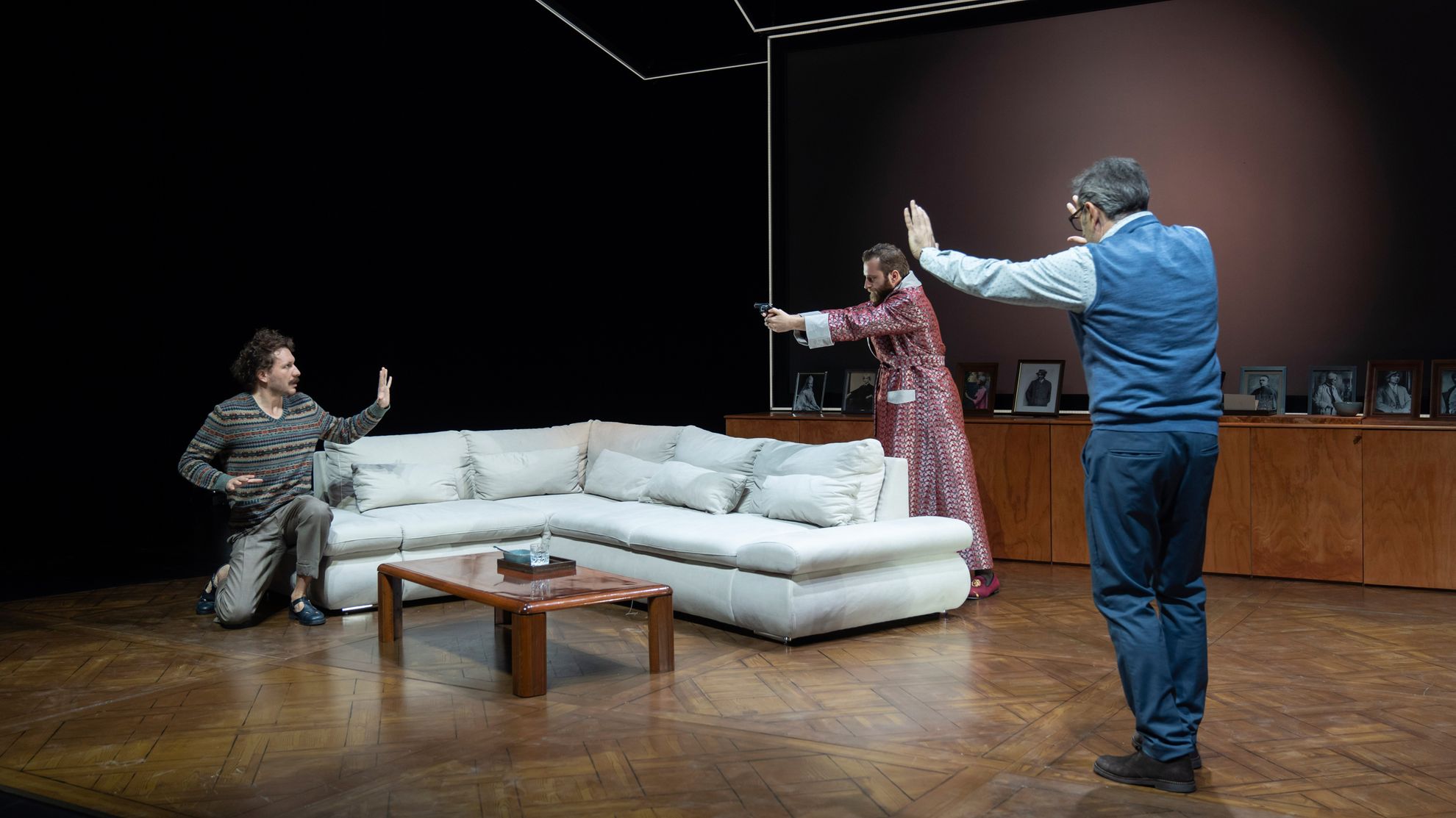
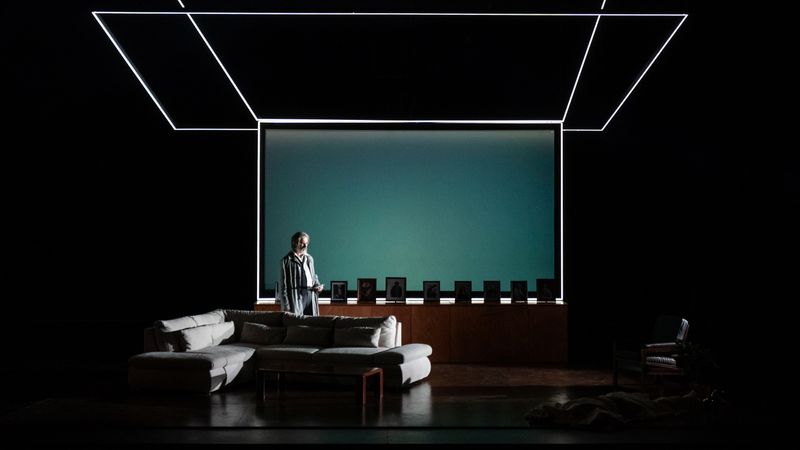
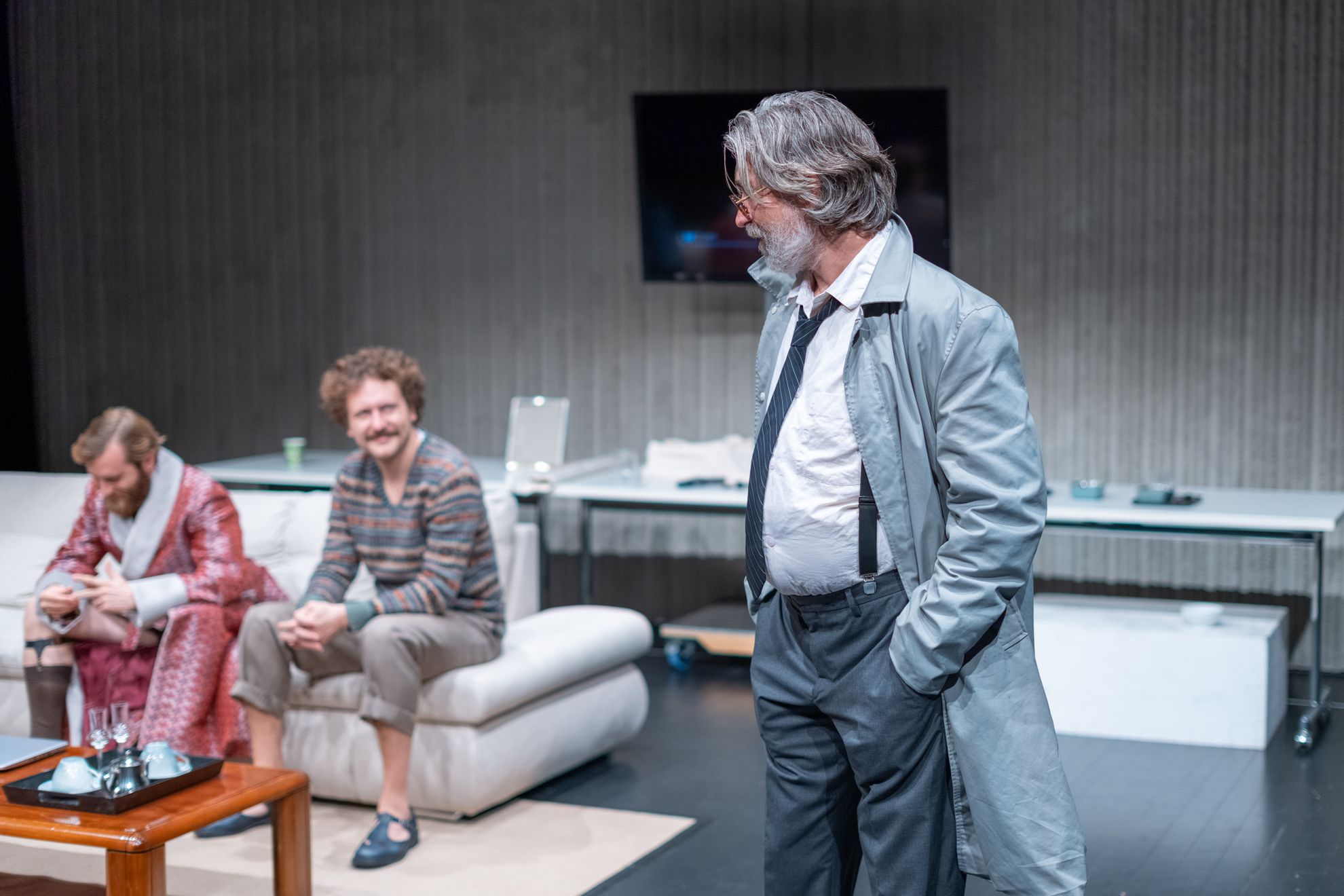
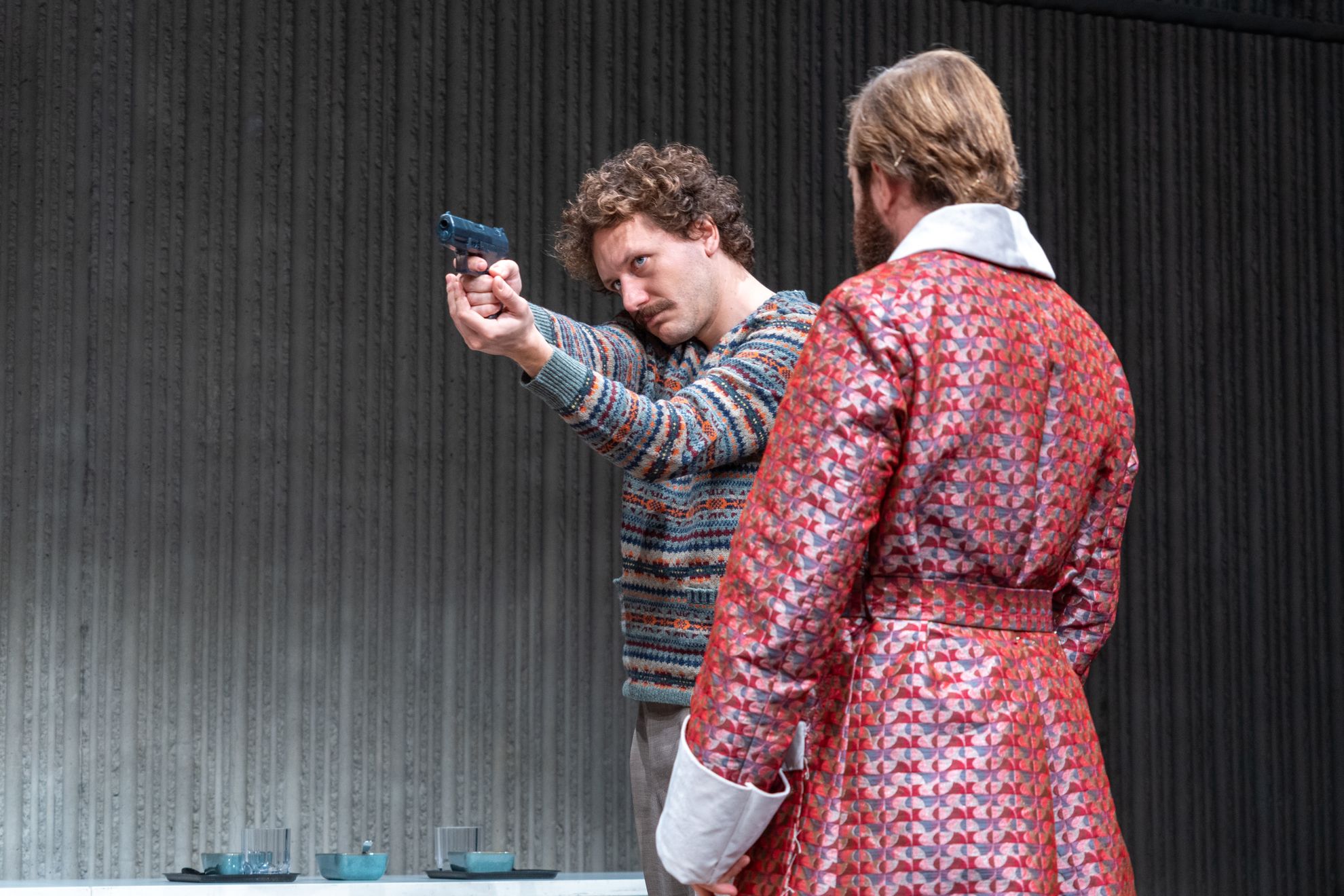
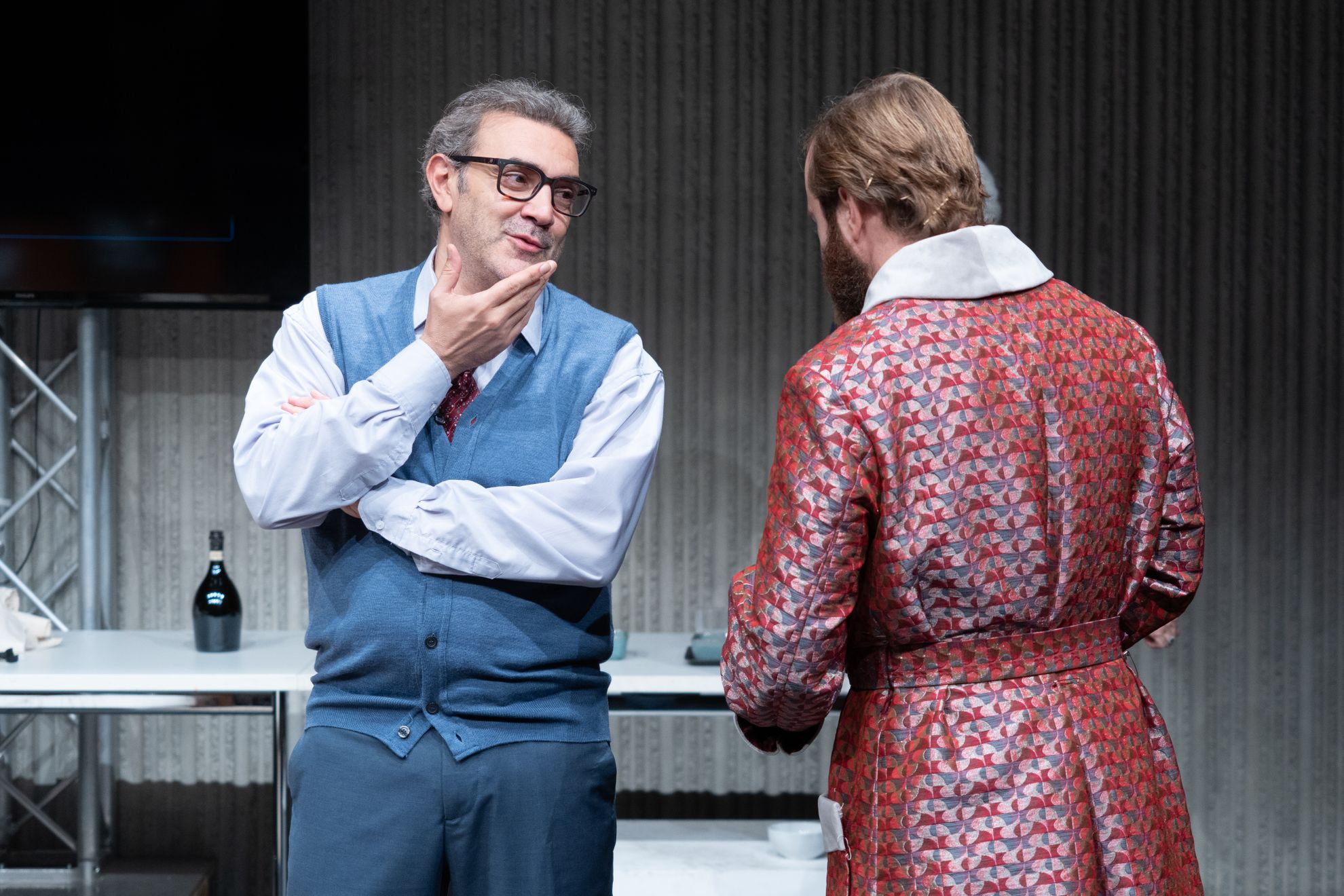
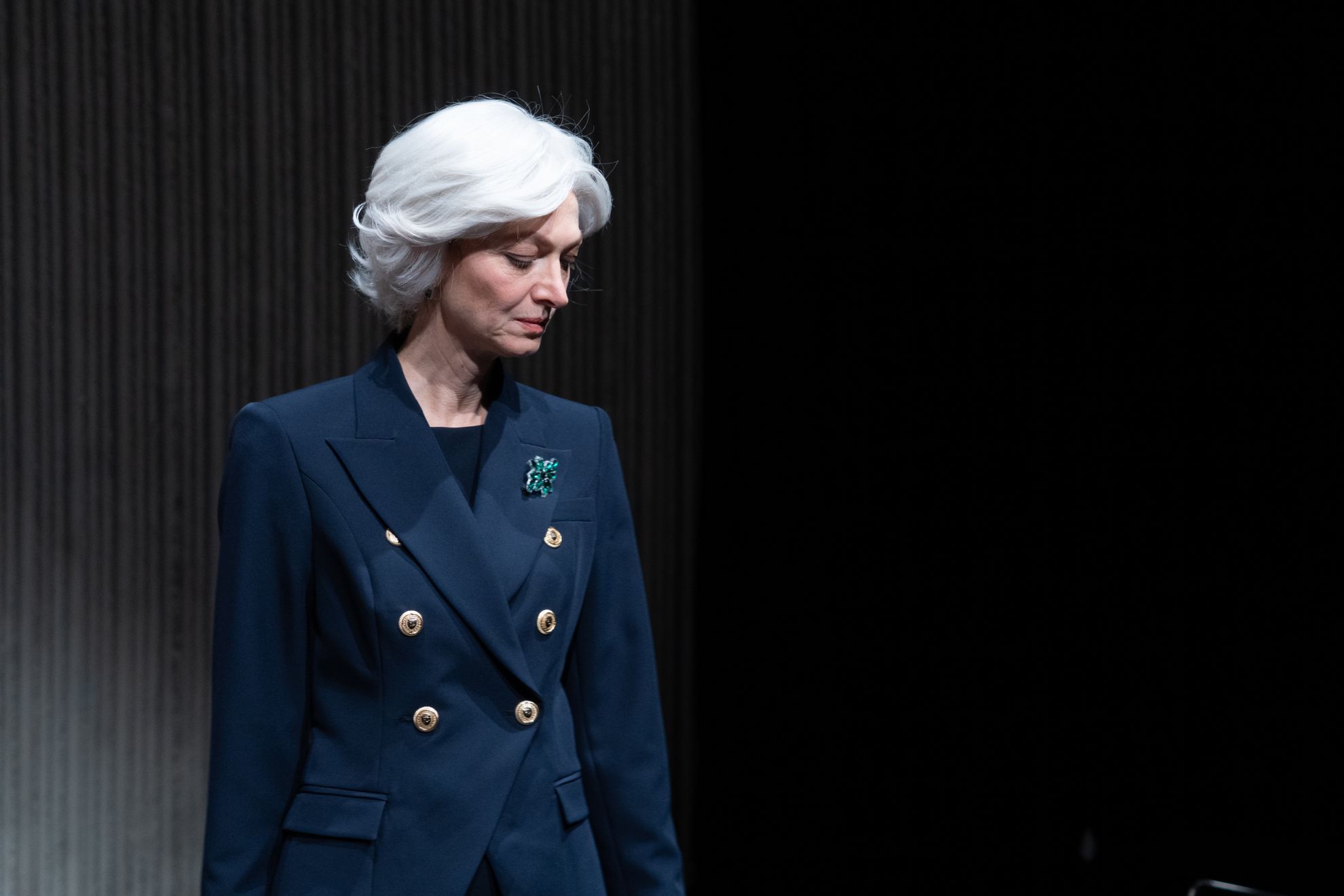
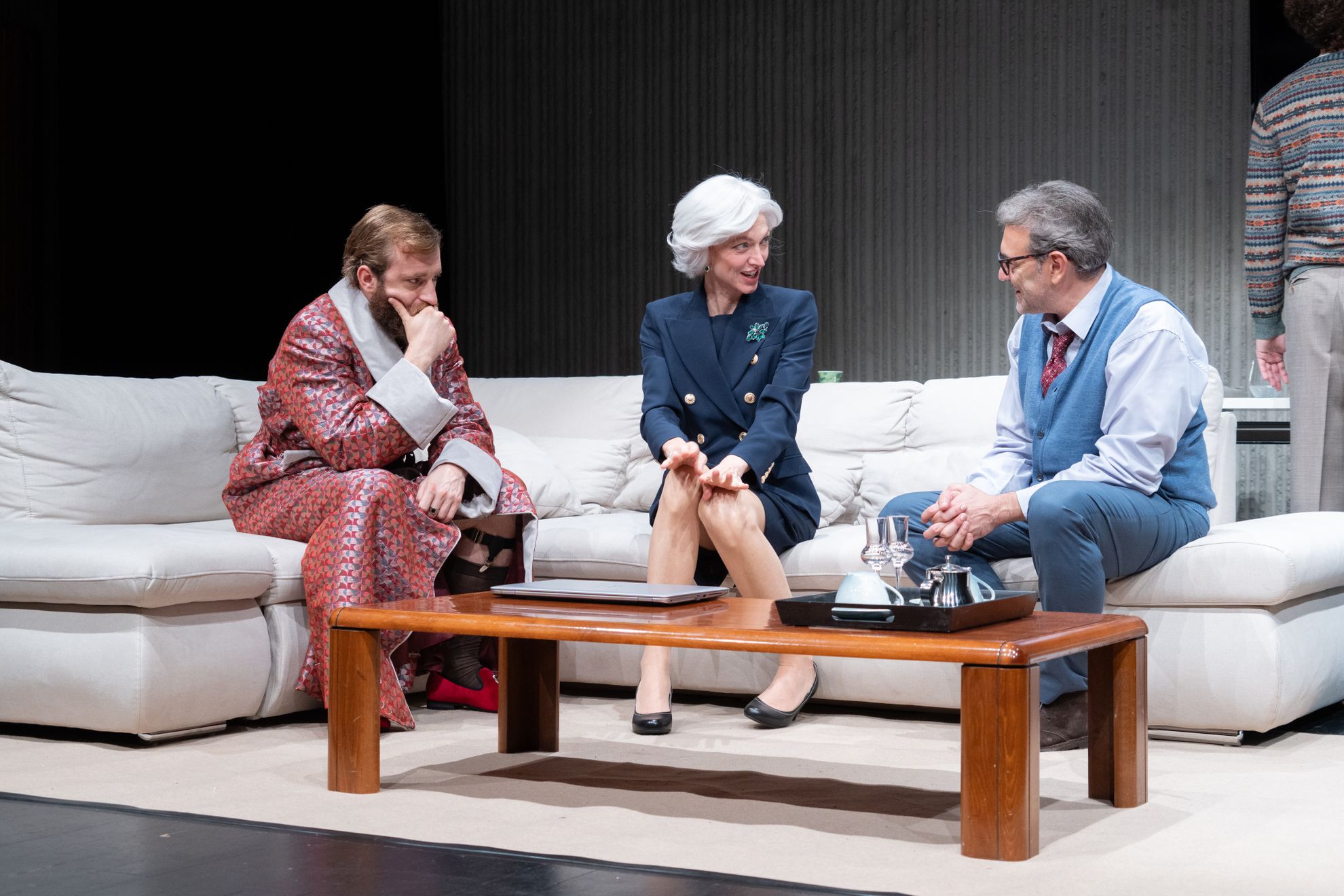
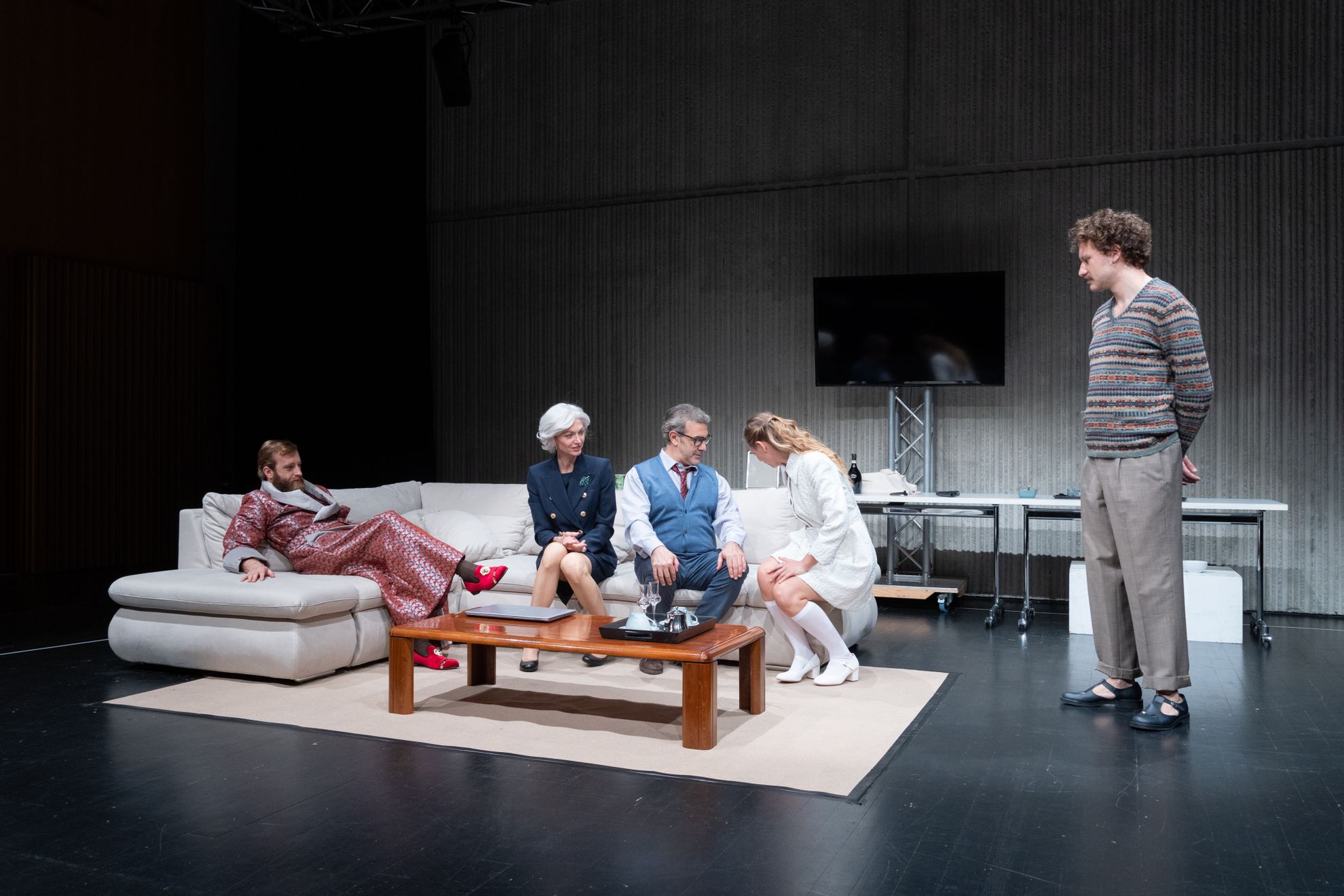
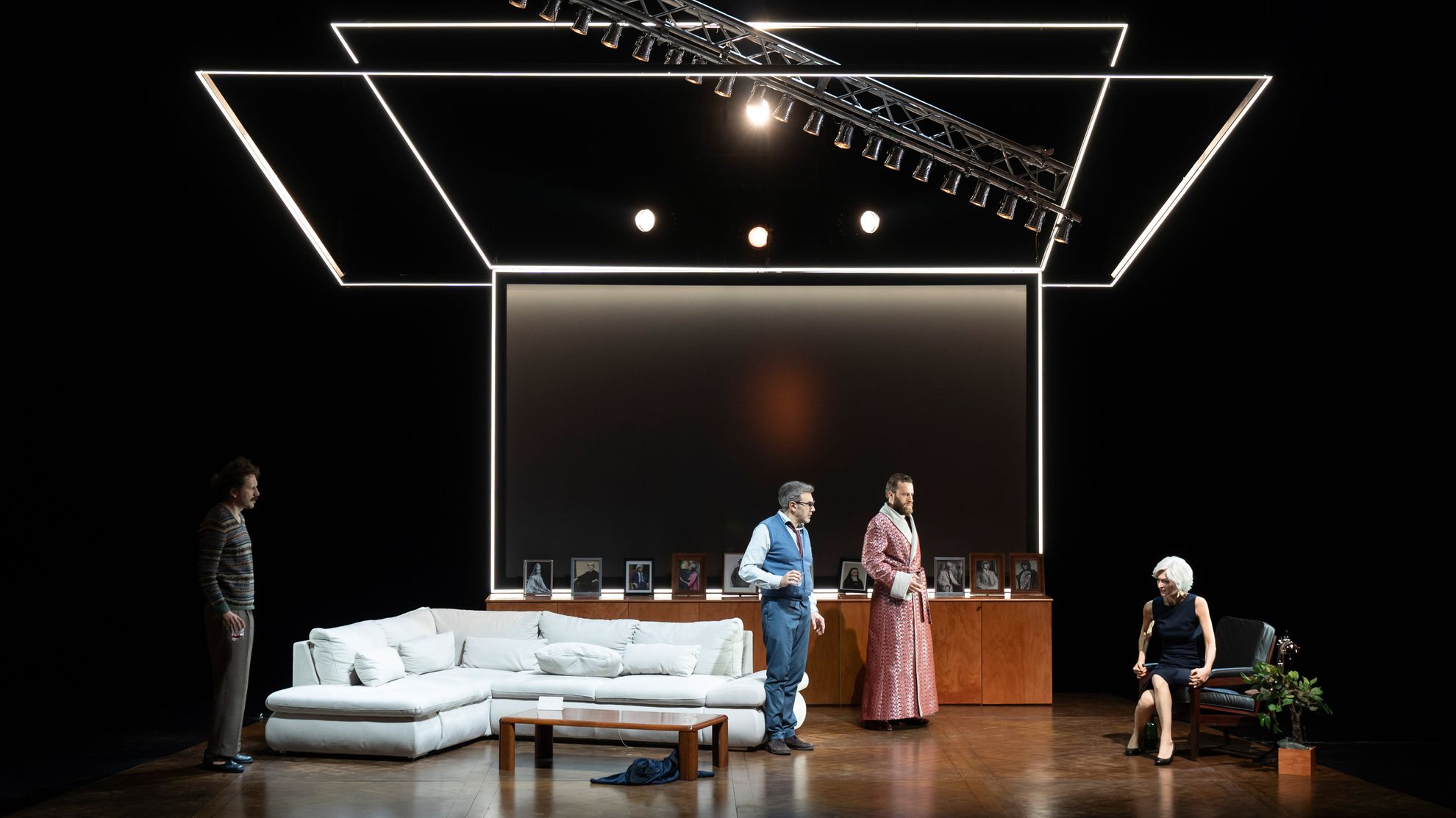
Igor Horvat has translated and directed *The Physicists*, a grotesque tragicomedy in two acts that Swiss playwright Friedrich Dürrenmatt wrote between 1959 and 1961 in response to the development and use of the atomic bomb during World War II. The play, characterized by a style that blends detective fiction and spy thriller, offers a reflection on the future of humanity.

In a world where reality is never what it seems, the story unfolds within a private psychiatric institution, the “Les Cerisiers” clinic. One of the patients is the physicist Möbius, believed to be the discoverer of the System of All Possible Discoveries, a boundless instrument of knowledge said to unleash infinite possibilities, terrible responsibilities, and, above all, unchallengeable power. Curiously, two other patients are also physicists, one claiming to be Isaac Newton and the other Albert Einstein. A disturbing series of murders disrupts the balance within the clinic, and the inevitable police intervention sets off a succession of plot twists and unexpected revelations. Dangerous secrets come to light and raise thorny ethical questions, driving the story to the height of paradox—which, for Dürrenmatt, was an indispensable key to understanding reality.

Thanks to its constant ability to challenge us, *The Physicists* is counted among the Classics, as it dramatically reveals that humanity has not yet achieved true change and is still grappling with the same fundamental questions. With his unmistakable caustic and socially conscious sarcasm, Dürrenmatt offers us a warning: human beings are called upon to take responsibility for their own future and for the way in which they wish to continue to exist on the planet that sustains us.

During World War II, humanity created a tool capable of bringing about its own extinction: the weapon of mass destruction. About a decade after writing *The Physicists* , Dürrenmatt’s visit to CERN in Geneva—where he was struck by its size and power—demonstrates just how deeply the author continued to feel the need to question the implications of scientific and technological progress. Since then, developments in these fields have proceeded at an unstoppable and ever-accelerating pace. Scenarios that, until just a few decades ago, belonged to the realm of science fiction are now a reality.
But the major issues that arise from them—in terms of possible consequences, the assumption of responsibility, and the balance of power—remain dramatically unresolved and pressing. The geopolitical landscape is once again taking shape under the threat of nuclear weapons, making it clear that the Cold War never truly ended. Technological progress opens the door to hypothetical transhuman or posthuman scenarios that fuel the debate over the approaching technological singularity . We are confronted daily with an increasingly sophisticated manipulation of reality.
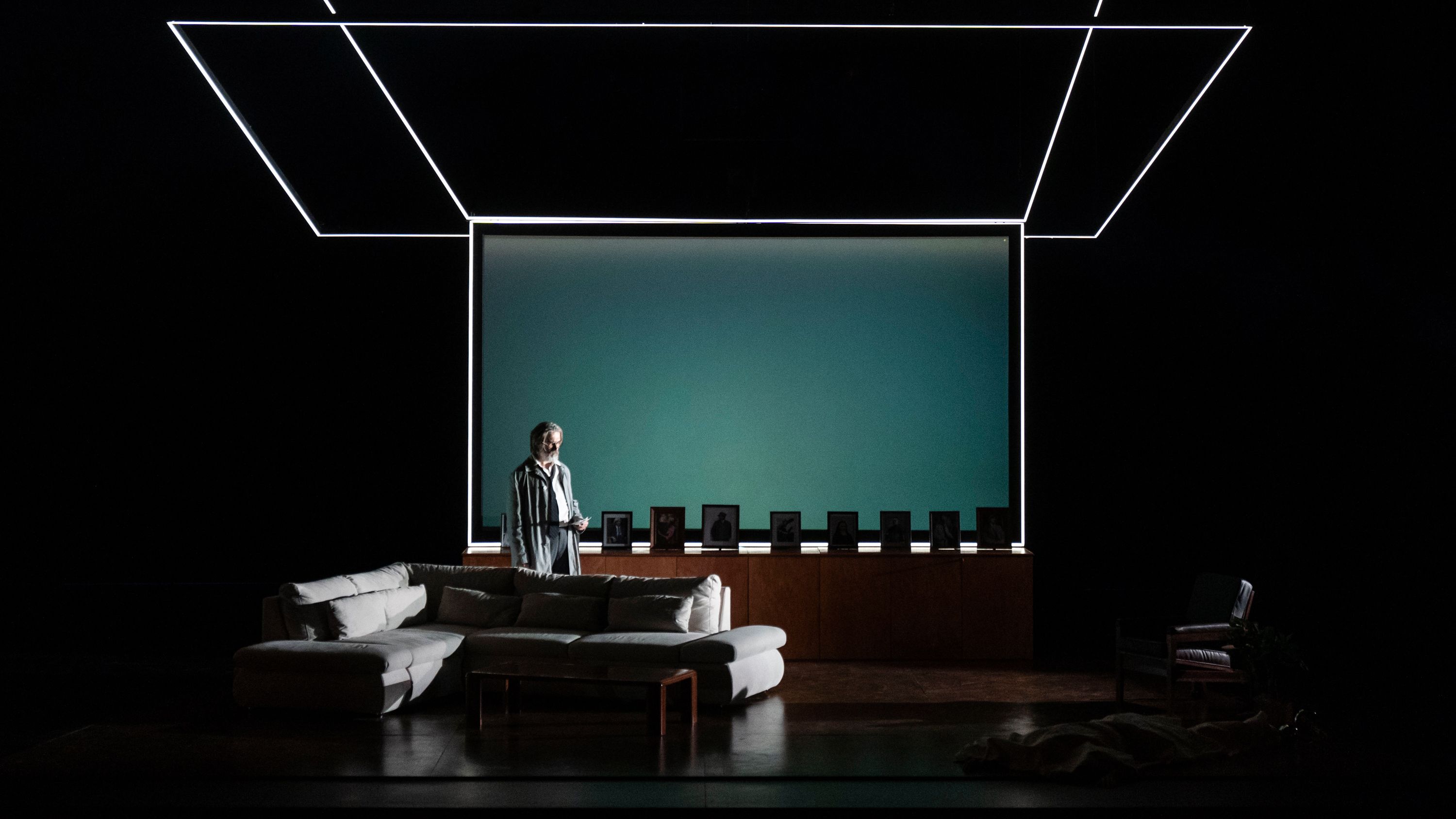
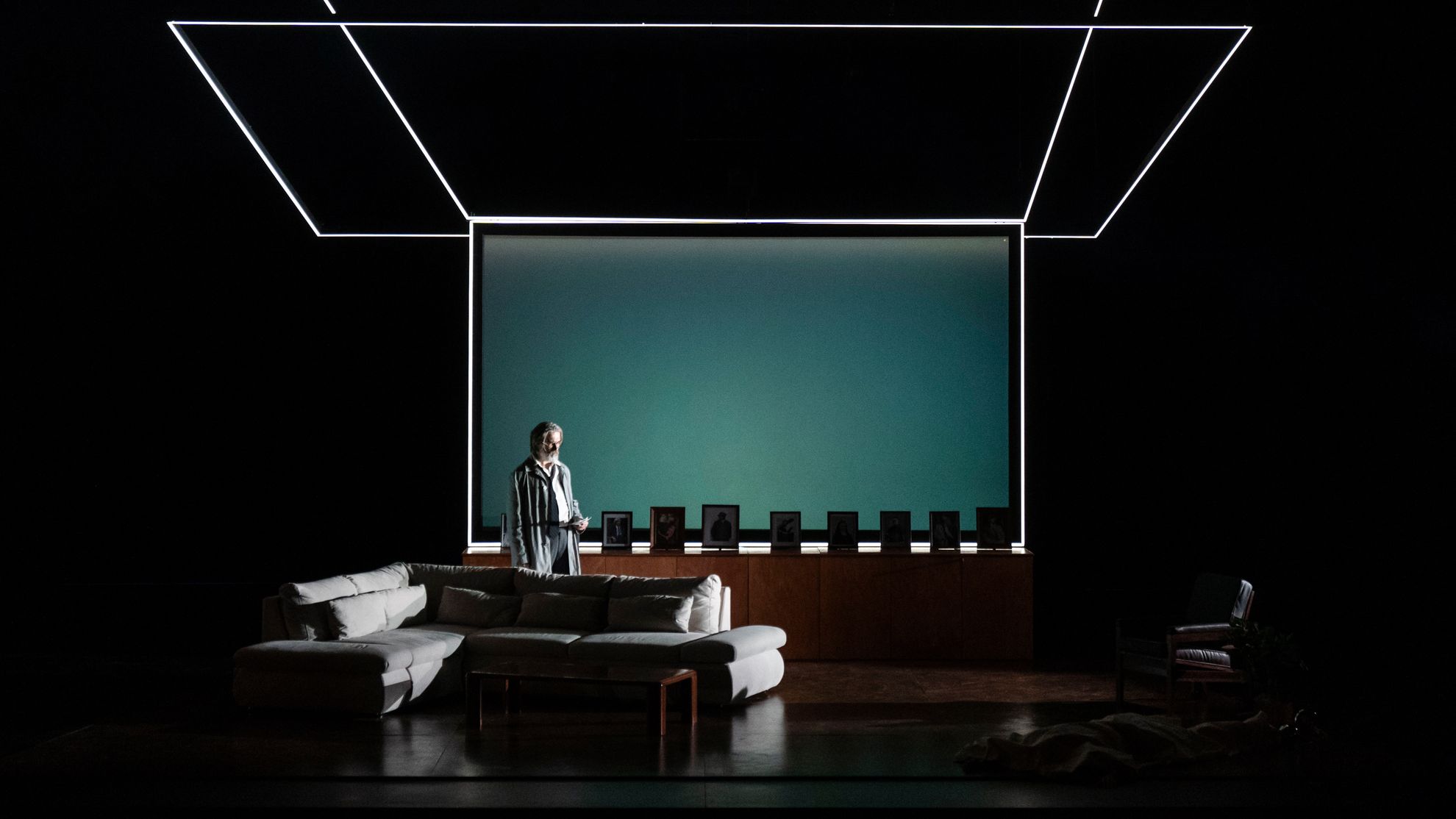
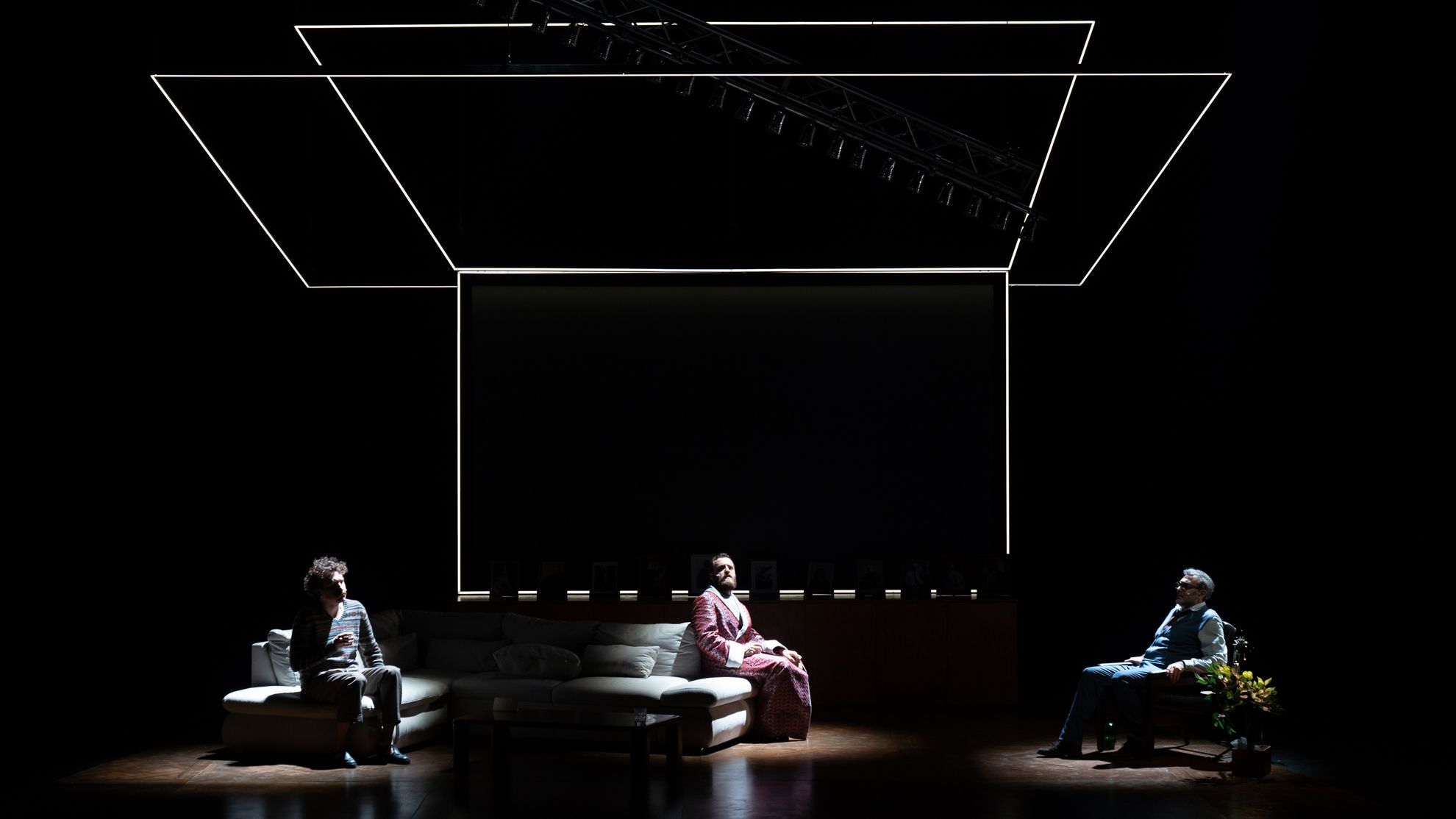
The dramatic structure of *The Physicists* revolves around these themes and their profound ethical implications, leading us along a necessarily nonlinear path toward a confrontation with the unresolved —or rather, with the unresolvable (by human beings). Dürrenmatt reminds us that it is inevitable (and necessary) to grapple with the complexity of our experience of this world (what we, for linguistic convenience, call life or existence ). A reality that initially appears concrete and seemingly comprehensible turns out instead to be multifaceted and brazenly multiform. But above all, it is hidden, elusive, and still full of mystery and the unknown. Through a shrewd analogy between a police investigation and a scientific inquiry, the text moves from the conventions of the detective fiction genre to philosophical reflection, traversing revelation and deception (and to lie is to invent with the mind ), revealing the razor-thin line that separates (or unites) comedy and tragedy, the plausible and the grotesque. Therefore, the process of creating the production sought to treat the various scenic elements—the actors’ performances, set design, costumes, lighting, and sound design—as distinct layers of meaning. It is their interplay that shapes the reality we perceive.
But, however refined they may be, our five senses connect us only to the tangible aspect of reality, in a deterministic approach that has long guided the progress of our knowledge. It is no coincidence that one of the characters bears the name Newton. The form in which reality appears to us, however, is merely a thin veil, beneath which new infinities (both micro and macro) open up, into which we delve ever deeper to satisfy our mind’s innate need for knowledge. In this way, humankind has certainly been able to push the boundaries of what is known ever further, through discoveries that have revolutionized the very concept of reality . It is no coincidence that another figure bears the name of Einstein, who paved the way for the quantum understanding that has given us new interpretive and technological tools today.
We understand our surroundings more and more deeply and thoroughly, yet we continue to run the risk of losing sight of our own limitations—a awareness necessary to relate to all that will always remain beyond those limits. Beyond us.
In the face of what lies beyond, we remain undeniably small.

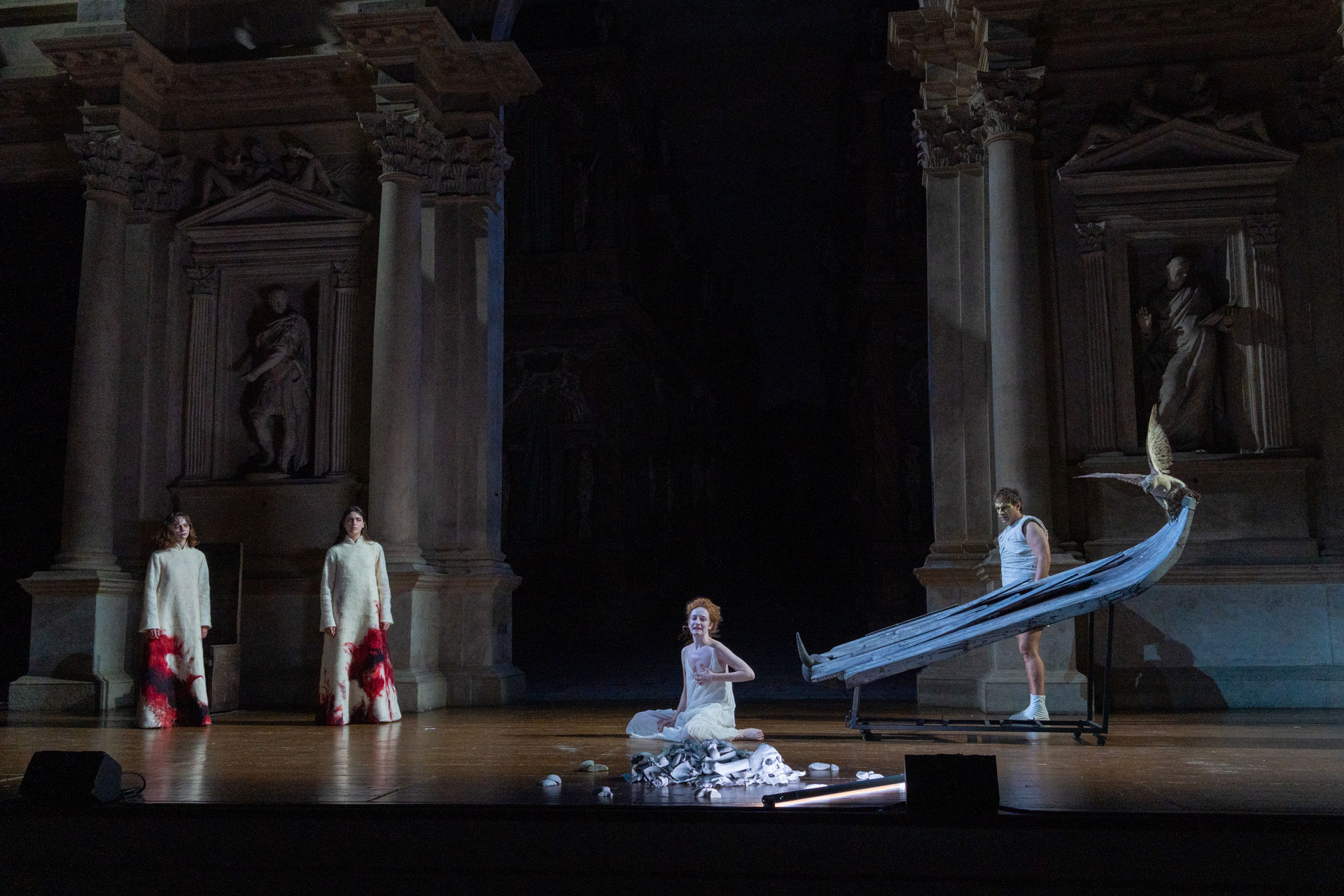
In his 21 points on “The Physicists , Dürrenmatt refers to chance as one of the variable forces that play a role in determining events. It is also through chance that we arrive at a definition of what has been (History), set against the vast sea of possibilities of what might have been . In the short story *The Death of the Pythia* , Dürrenmatt rewrites the myth of Oedipus in a sarcastic vein, emphasizing chance and deception. This gave rise to the temptation to place Dürrenmatt in dialogue with himself through a dramatic insertion of an excerpt from this story within *The Physicists* , in audiovisual form. We have taken this Dürrenmattian “short circuit” beyond a mere thematic reference, extending it to the realm of formal aspects as well. Guido Buganza’s original drawings are, in turn, placed in dialogue with images of some of Dürrenmatt’s paintings, since he himself remarked that his extensive and varied body of paintings and drawings (jealously guarded in the strictly private sphere until his death) was in fact the “literary battlefield” where ideas manifested themselves to him before taking shape in words.

1. I don’t start with a thesis, but rather with a story.

2. If you start with a story, you have to think it through to its ultimate conclusion.

3. A story has been thought through to its ultimate conclusion when it has taken the worst possible turn.

4. The worst possible outcome cannot be predicted. It happens by chance.

5. The art of the playwright consists in introducing chance into the action as effectively as possible.

6. Dramatic action is based on human beings.

7. In dramatic action, chance consists of who happens to meet whom, where, and when.

8. The more systematically people act, the more effectively chance can strike them.

9. People who act systematically want to achieve a specific goal. Chance strikes them most severely when, through chance, they achieve the opposite of their goal—that is, what they fear and seek to avoid (for example: Oedipus).

10. Such a story is grotesque, but not absurd (contrary to common sense).

11. It is paradoxical.

12. Playwrights, like logicians, cannot avoid paradox.

13. Physicists, like logicians, cannot avoid paradox.

14. A play about physicists must be paradoxical.

15. It cannot have the content of physics as its subject, but only its effects.

16. The subject matter of physics concerns only physicists; its effects concern everyone.

17. What concerns everyone can be resolved only by everyone.

18. Any attempt by an individual to resolve on their own what concerns everyone is doomed to fail.

19. Reality is revealed in the paradox.

20. Those who face a paradox expose themselves to reality.

21. A play can encourage the audience to open themselves up to reality, but it cannot force them to confront it or even resolve it.

The following paintings by Friedrich Dürrenmatt appear in the video featured in the show:

Labyrinth III, 1974

The Praying Man, 1988

Atlas II: Atlas, Supporting the World, 1975

Letzter Angriff, 1987

Prometheus, 1988

Mazdak, 1978

Ascension, 1983

The Physicists II (Space Psalm), 1973

The World of the Atlases, 1965–1978

Ominous Meteor, 1980

Portrait of a Planet II, 1970

Building a Giant, 1952

All works cited are part of the Centre Dürrenmatt Neuchâtel
Collection © CDN / Swiss Confederation

by

Friedrich Dürrenmatt

translation and direction

Igor Horvat 

featuring (in alphabetical order)

Catherine Bertoni de Laet, Pierluigi Corallo, Igor Horvat, Jonathan Lazzini, Marco Mavaracchio, Giorgia Senesi

scenes and drawings  

Guido Buganza 

costumes

Ilaria Ariemme 

lights

Marzio Picchetti

sound

Zeno Gabaglio

assistant director 

Ugo Fiore

costume design assistant

Beatrice Farina

stage manager and chief stagehand

Ruben Leporoni 

Chief Electrician and Lighting Designer

Marco Grisa 

sound engineer 

Nicola Sannino 

Costume and Set Designer

Lucia Menegazzo 

scenes created by

Studio Cromo 

production

LAC Lugano Art and Culture

in co-production with

Teatro Sociale Bellinzona – Bellinzona Theater 

in collaboration with

Dürrenmatt Center, Neuchâtel

stage rights by

Diogenes Verlag AG Zurich

on video

Simon Sisti-Ajmone, Erika Urban 

animation from 

The Death of the Pythia by Friedrich Dürrenmatt

drawings

Guido Buganza

sound system

Zeno Gabaglio

concept, translation, editing, production, and direction

Igor Horvat

consulting

Madeleine Betschart, Duc-Hanh Luong, Julia Röthinger, Centre Dürrenmatt Neuchâtel 

winning project of the

SRG SSR Call for Submissions: From the Stage to the Screen

Audiovisual Adaptation Credits

production

REC Association

in co-production with

LAC Lugano Art and Culture, RSI Swiss Radio and Television

directed by 

Agnese Làposi

photography 

Antonino Mangiaracina 

sound 

Pietro Pasotti 

manufacturers 

Stefano Mosimann, REC
Nicola Mottis, RSI