LAC

LAC Lugano Arte e Cultura is a cultural center with a strong international focus that is committed to its community, where the performing arts, music, and the visual arts take center stage.

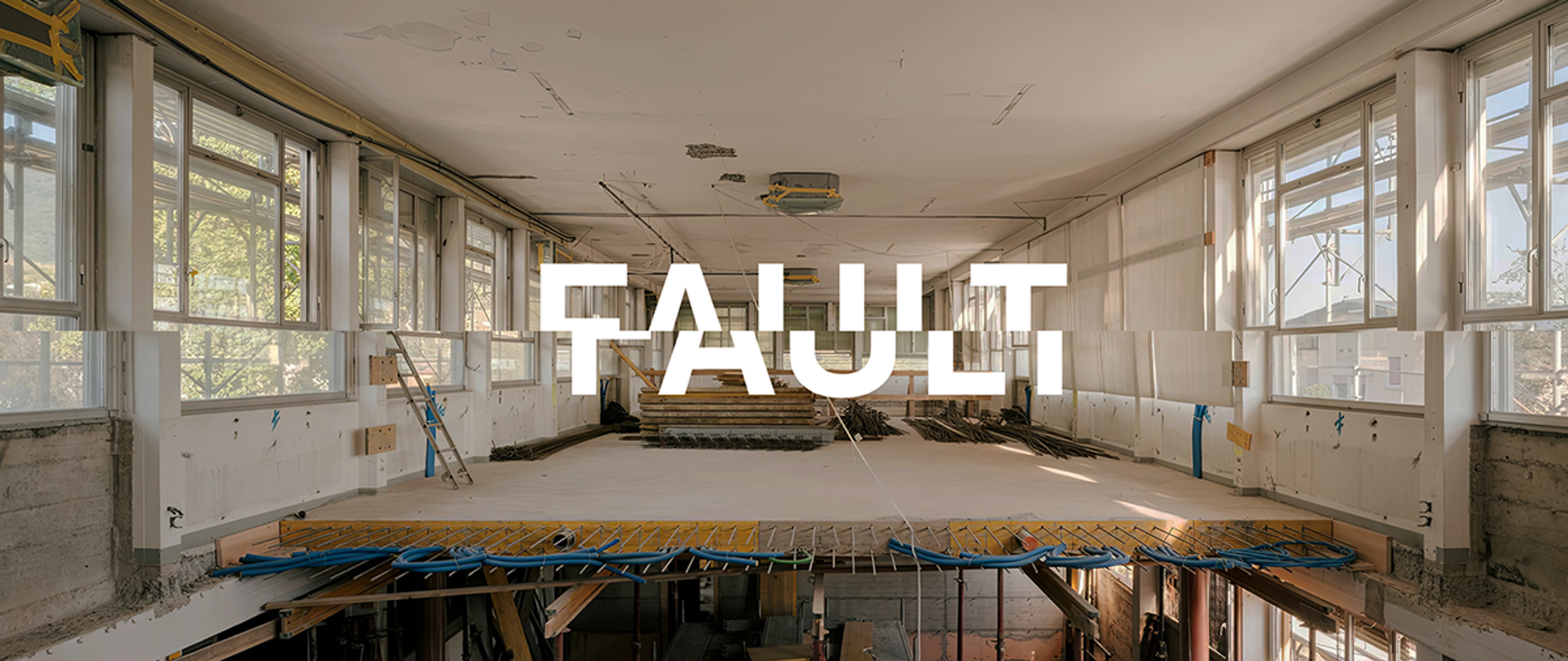
FAULT. Renato Palazzi Research Centre

FAULT. Renato Palazzi Research Centre for Contemporary Stage Composition is the new five-year (2027-2031) international research and artist-in-residence project made possible by the fruitful partnership between the LAC Lugano Arte e Cultura and the c.LAB Foundation in Castel San Pietro (Switzerland).

FAULT – which stands for Field for Artistic Unmastery and Living Transmission – was founded on the initiative of Renato Palazzi, a scholar, pedagogue, and theatre critic who closely and passionately followed the transformations in the theatre world, recognising and supporting the most daring experiments. Thanks to Rossella Tansini’s determination to carry on Palazzi’s work on contemporary performing arts forms, and to the relationship of mutual trust and respect that bound Palazzi and Carmelo Rifici, the latter was entrusted with the task of establishing a robust initiative with a strong international focus: a four-week residency during which artists and collectives can develop their own practices and share their knowledge and creative processes, working alongside other artists and theorists whose research is a benchmark on the international scene. Over the years, Palazzi and Rifici nourished their bond through fruitful, ongoing discussions on contemporary theatre, and further developed this exchange by collaborating on joint projects and artistic endeavours.
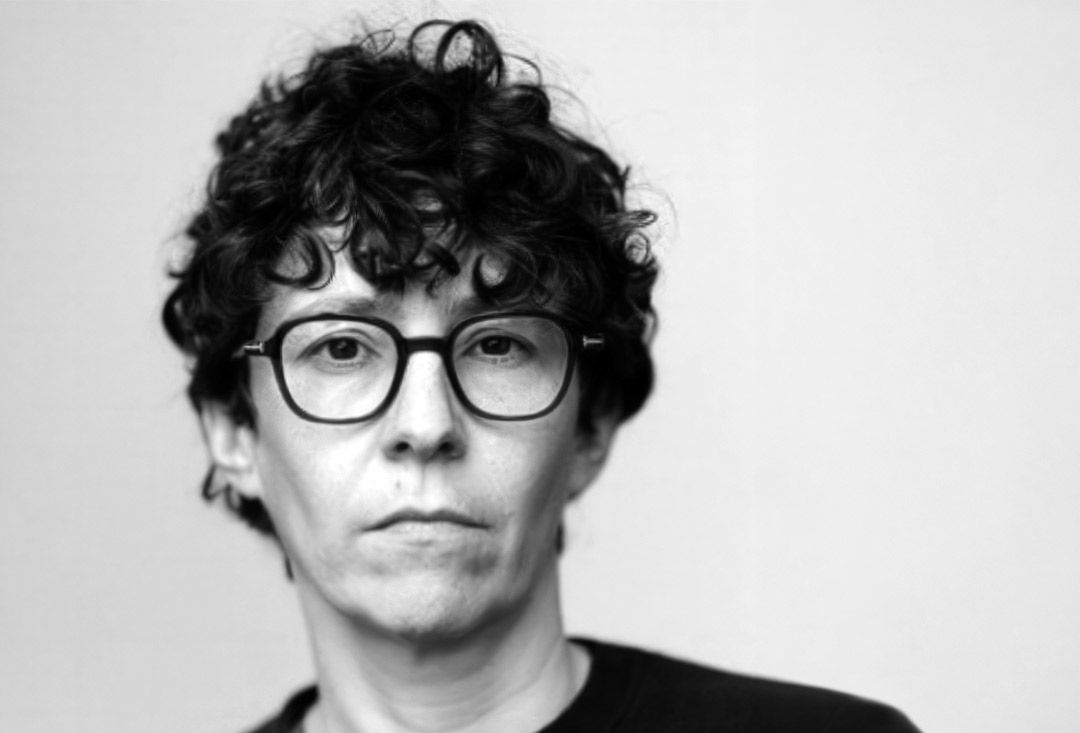
The initiative represents an important moral legacy and a new stage in the professional journey Rifici has embarked on alongside Piersandra Di Matteo, a scholar, dramaturg, and curator active on the international scene who helped develop the project’s framework and lines of research.
Every year, FAULT will select a research topic and bring together Guest Artists to focus on this theme. They will be chosen for their ability to translate critical questions into creative processes and to share their tools and methods. The artists will work alongside the participants, drawing on their own experiences as well.
The FAULT residency

This first year’s residency will take place in July.
The international call for entries, published in January 2027, will select fifteen applications from artists and collectives. 

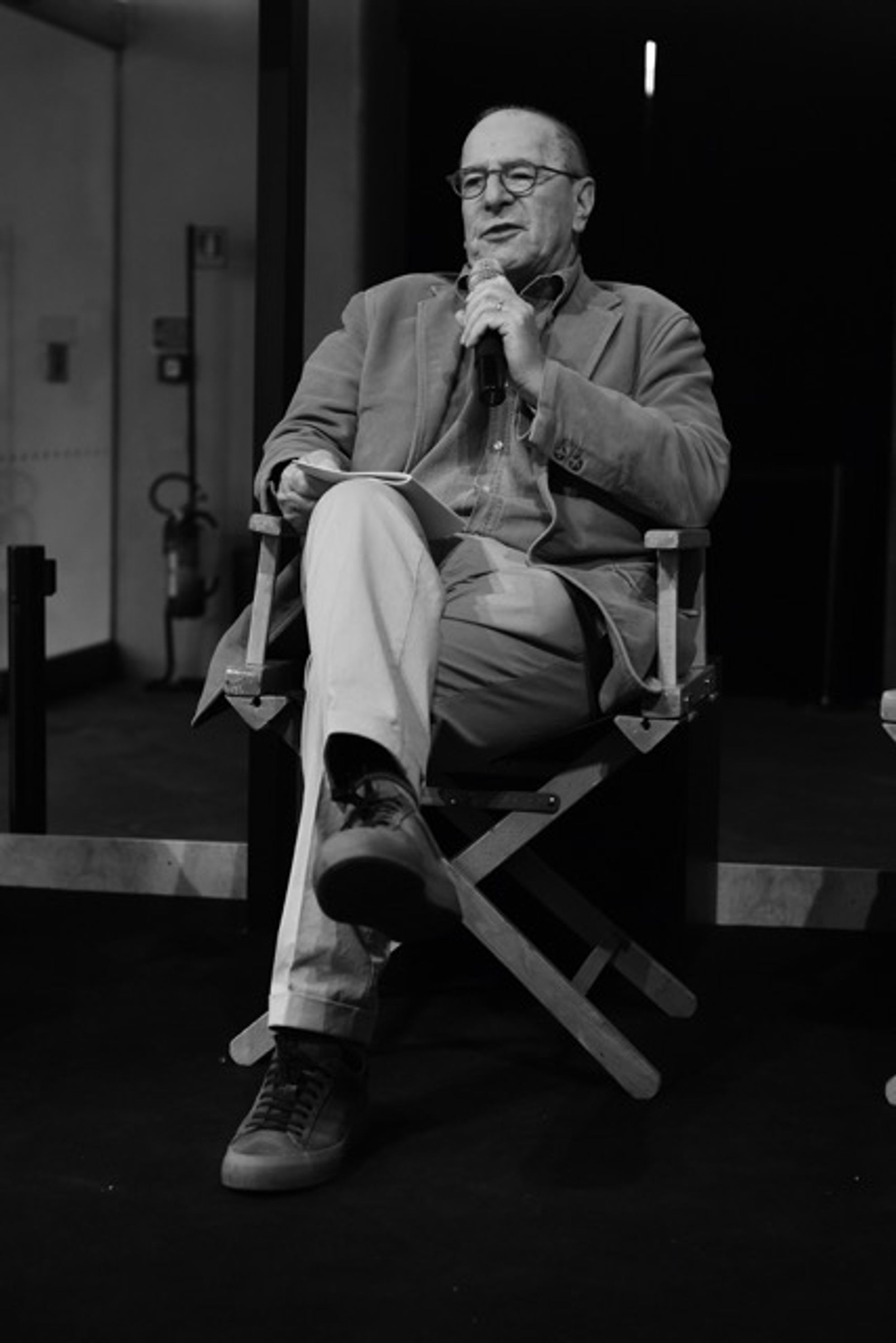
Renato Palazzi

The guiding principle of the entire enterprise was inspired by Renato Palazzi’s professional and personal journey: criticism not as an exercise in judgement, but as a way of listening and paying attention to what emerges beyond institutional theatre. A practice that serves as a benchmark, revealing its strong relevance today. Palazzi’s work and writing demonstrated how critical thinking can bring emerging processes to light, support and encourage artistic experimentation, and create the conditions for new aesthetics to develop and flourish.

After graduating in Literature from the University of Milan, he enrolled in the theatre practitioners’ course at the Civica Scuola d’Arte Drammatica, but did not complete the training cycle, instead going on to work with Paolo Grassi at the Piccolo Teatro in Milan. At the same time, he began working as a theatre critic, writing for numerous newspapers over the years: Avanti!, Corriere della Sera, and the Sunday edition of Il Sole24 Ore. From 1986 to 1995, he directed the Piccolo Teatro School of Dramatic Art, which he named after Paolo Grassi. He was a lecturer on the CLEAC degree programme in Economics of Art and Culture at Bocconi University. In 2016, he launched “Quaderni del FIT”, a project conceived by Carmelo Rifici (director of the LAC) and Paola Tripoli (director of the Lugano International Festival of Theatre and Contemporary Performing Arts). Together with the young critics Maddalena Giovannelli and Francesca Serrazanetti, Palazzi produced five publications dedicated to exploring the international contemporary performing arts scene. 

Why FAULT

The name has a two-fold meaning. 
It evokes the geological fault line that runs through the rocky landscape of the Gole del Breggia Park: a stream which, over time, has borne silent witness to the economic and industrial history of the area. A fault is not simply a fracture; it is a dynamic state of instability that can reveal normally invisible processes and give rise to new configurations. 
At the same time, the noun “fault” refers to an error, a deviation from the norm; it invites us to rethink artistic training and creative processes beyond the paradigms of authority and skill acquisition, in order to challenge the aesthetics and conventions of the stage and reinvent the possibilities it offers. Positioning oneself within this particular terrain therefore means adopting fault as an operating principle: embracing instability from which new relationships between bodies, languages, and knowledge can emerge.

The concept of “unmastery”, drawn from Julietta Singh’s theoretical work, does not imply a renunciation of competence, nor does it celebrate improvisation for its own sake. It names, rather, the capacity to suspend one’s certainties temporarily, allowing room for what is not yet known. Singh shows how deeply the idea of mastery runs through Western modernity: to master and possess a body of knowledge, a technique, a discipline, a body. Unmastery opens instead onto interdependence in creation, an encounter with others, and transformation as a condition of knowledge itself.
From this perspective, scenic composition does not advance through the accumulation of skills alone, but through deviations, missteps, unexpected intuitions and encounters capable of unsettling acquired knowledge. Error is not the opposite of knowledge; it is one of the generative conditions of invention.
In The Queer Art of Failure, Jack Halberstam shows how failure, once released from the logic of performance and success, can become a space of critical possibility. To fail can mean interrupting dominant models of excellence, efficiency and productivity, and thereby making other forms of knowledge, relation and life imaginable.
What must be reconsidered, within this framework, is the position of mastery within pedagogical
processes. This does not mean invoking an overused rhetoric of horizontality, or treating experience as the sole ground of knowledge.
On the contrary, FAULT recognises the essential role of artists, directors, choreographers and scholars whose established practices can act as catalysts for forms of knowledge that circulate, are questioned and are reinvented.

Within FAULT, transmission is understood as an embodied and situated process. It is not an inheritance handed down vertically from one generation to the next, but a practice produced through concrete encounters among different bodies, experiences, disciplines, territories and temporalities.
For this reason, FAULT does not take the form of a conventional school for actors or directors. It is conceived instead as a temporary environment for research, shared life and composition, in which artists, scholars and participants exchange processes, questions and tools, making transmission itself a creative practice.

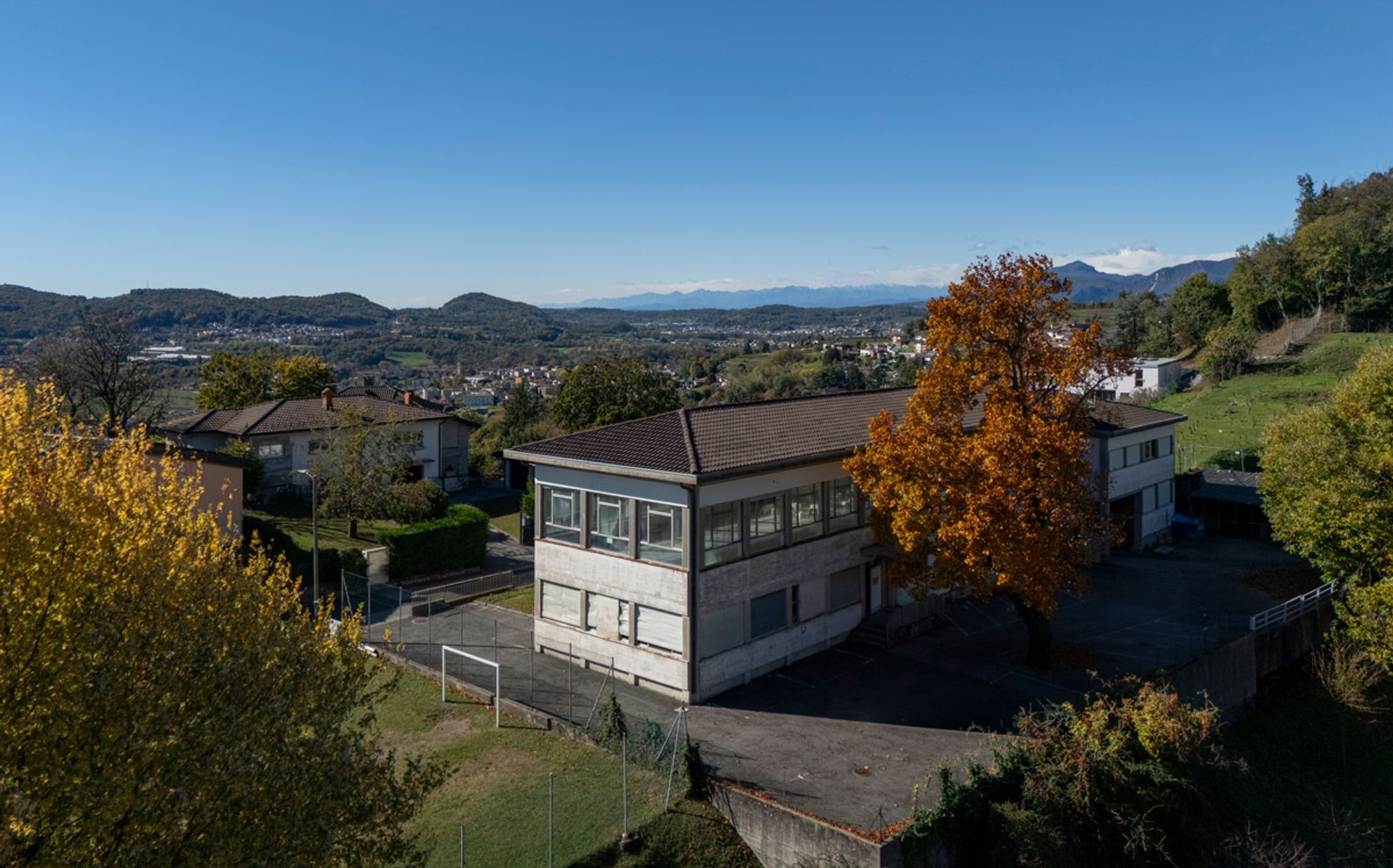
c.Lab: The research centre

The research centre will be housed in the premises of the former Diantus watch factory that once operated in Castel San Pietro, a town neighbouring Mendrisio – a site that is being given a new lease of life thanks to the c.LAB Foundation. For decades, Swatch watch mechanisms were manufactured in the factory, providing jobs for hundreds of workers; today, in that very same space, the foundations are being laid for a new era dedicated to research.

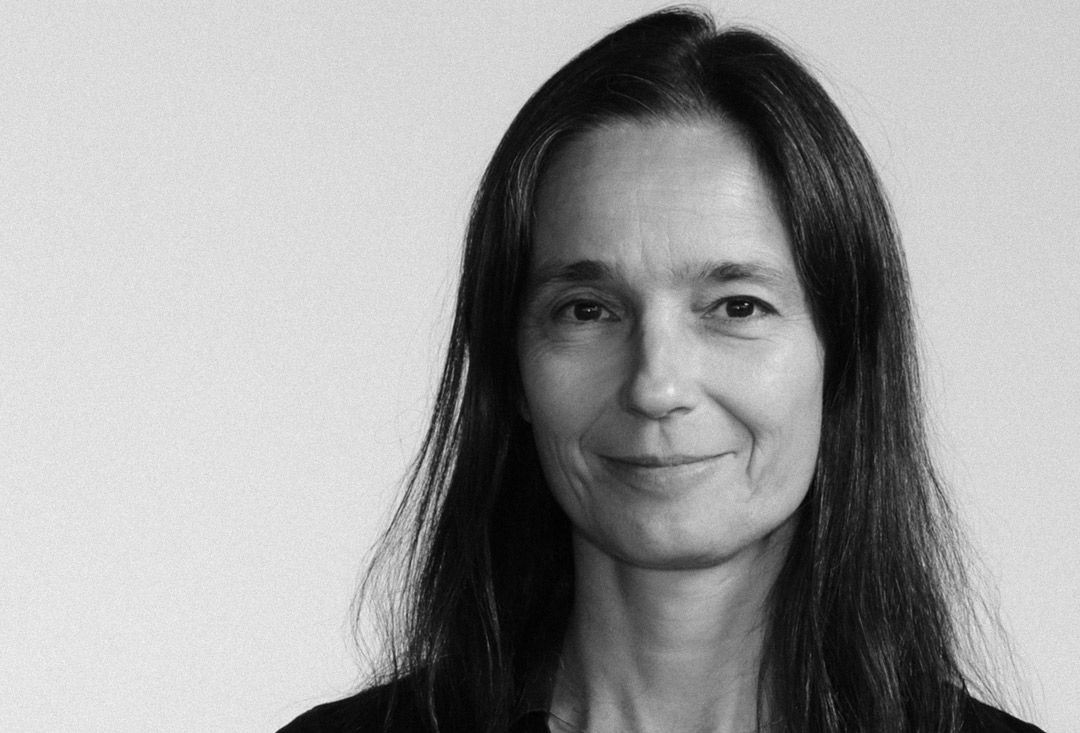
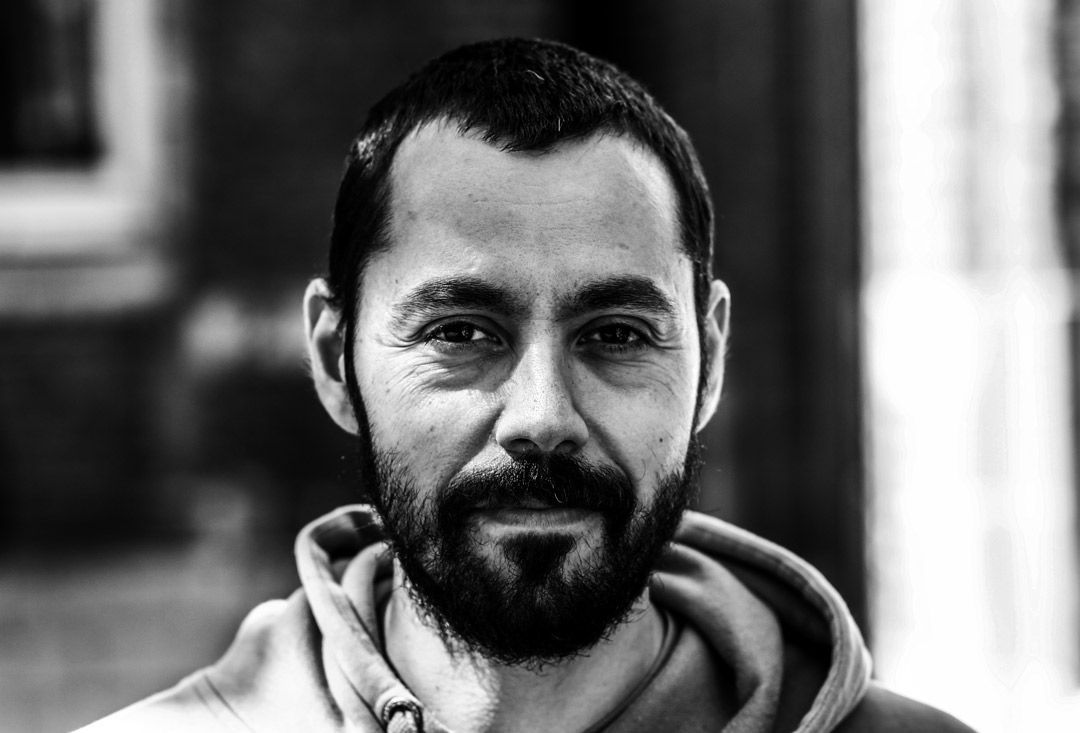
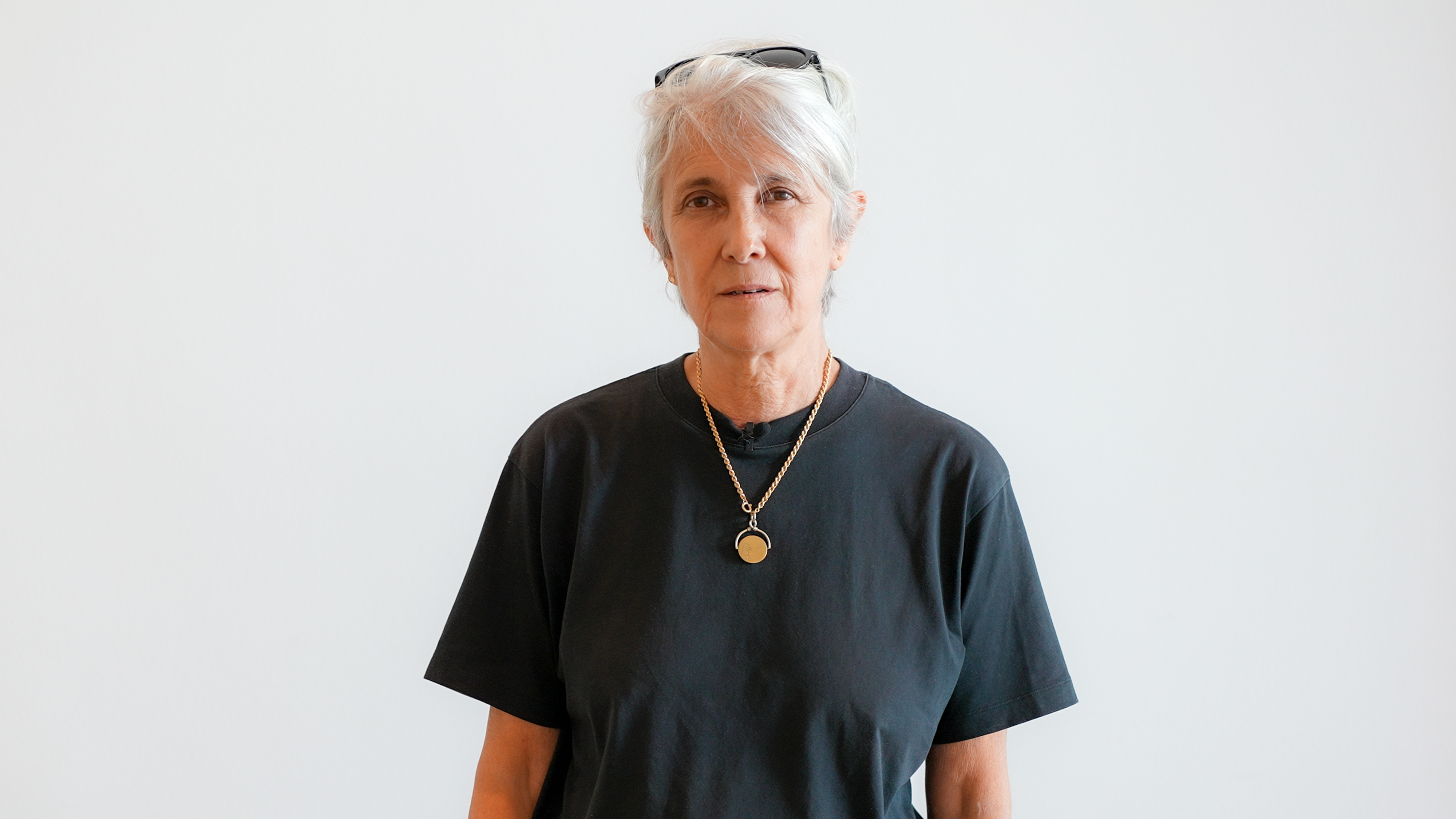
Guest Artist 2027

Manuela Infante

Manuela Infante

Cindy Van Acker

Cindy Van Acker

Arkadi Zaides

Arkadi Zaides

Loading...