The Ecstasy of the Struggle

Carlotta Viscovo / Angela Dematté

1h

Teatrostudio

25.-

Fri 04.12

20:00

Buy

Sat 05.12

20:00

Buy

World premiere

11.10.2024

LAC, Lugano

Tournée

04–05.12.2026

Sala LAC - LAC Lugano

16–19.04.2026

Teatro di Villa Torlonia – Roma, Italia

06.12.2025

Festival Eccellenza al Femminile, Sala Mercato – Genova, Italia

04.12.2025

Auditorium Leone Trabucchi – Castione (SO), Italia

25.11.2025

Teatro Giuditta Pasta – Saronno, Italia

15.04.2025

Teatro Testori, Forlì

11–12.02.2025

Teatro Fontana, Milano

The Ecstasy of the Struggle

Carlotta Viscovo / Angela Dematté

1h

Teatrostudio

25.-

Fri 04.12

20:00

Buy

Sat 05.12

20:00

Buy

World premiere

11.10.2024

LAC, Lugano

Tournée

04–05.12.2026

Sala LAC - LAC Lugano

16–19.04.2026

Teatro di Villa Torlonia – Roma, Italia

06.12.2025

Festival Eccellenza al Femminile, Sala Mercato – Genova, Italia

04.12.2025

Auditorium Leone Trabucchi – Castione (SO), Italia

25.11.2025

Teatro Giuditta Pasta – Saronno, Italia

15.04.2025

Teatro Testori, Forlì

11–12.02.2025

Teatro Fontana, Milano

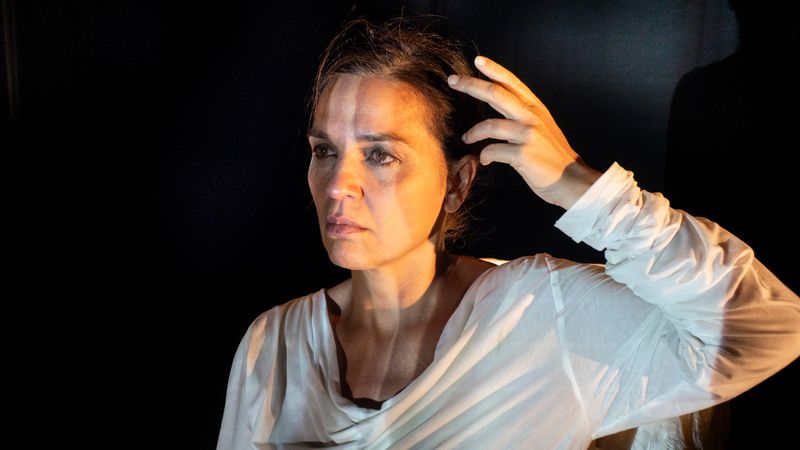
Written by Angela Dematté, *L’estasi della lotta* is a deeply intimate and personal project by Carlotta Viscovo, an actress from Turin who has for years been a spokesperson for workers in the performing arts, and whose life echoes that of the French sculptor Camille Claudel. Two artists who struggle to reconcile two conflicting forces: the ambition tied to their art and the yearning for truth and justice.

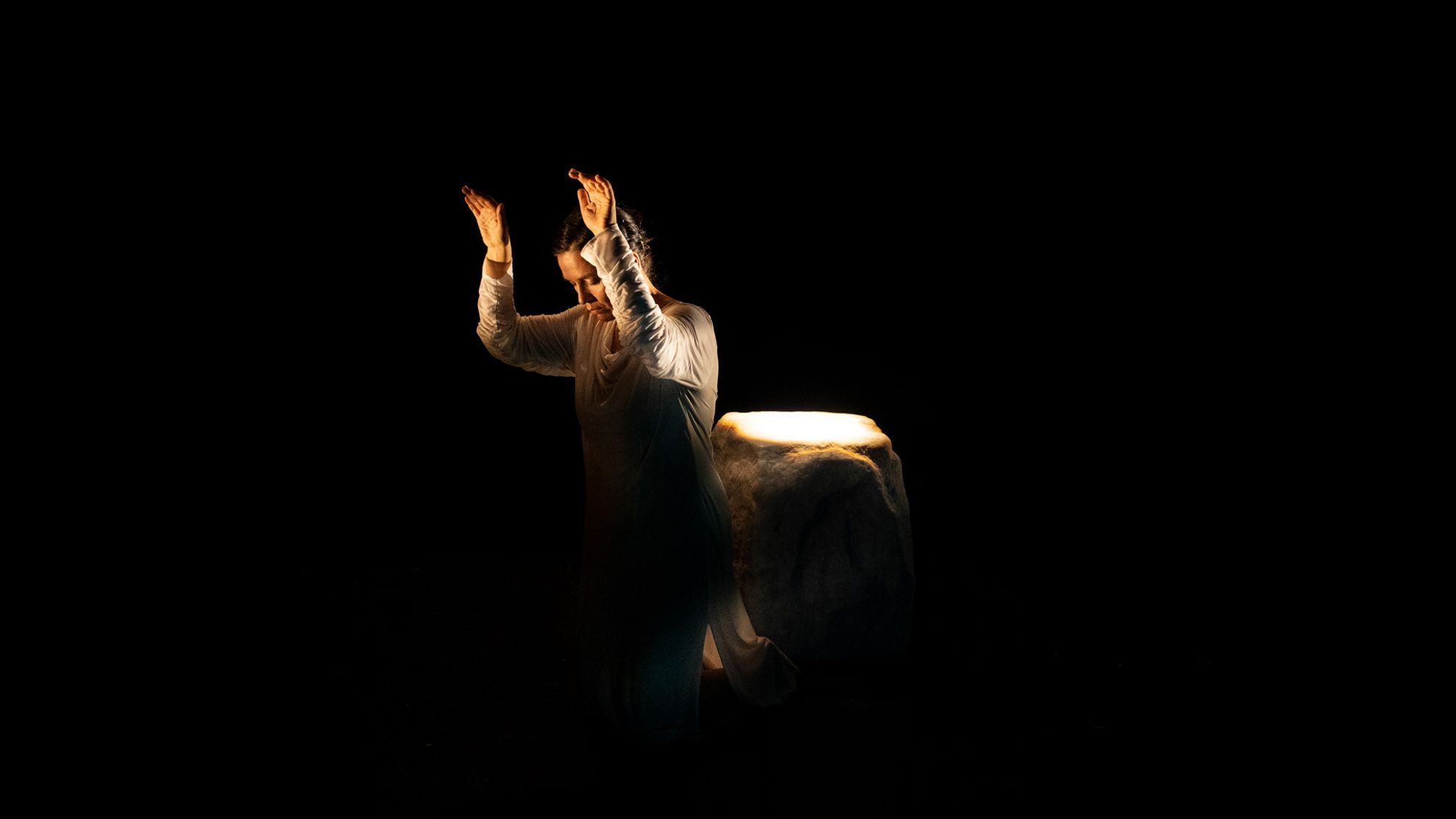
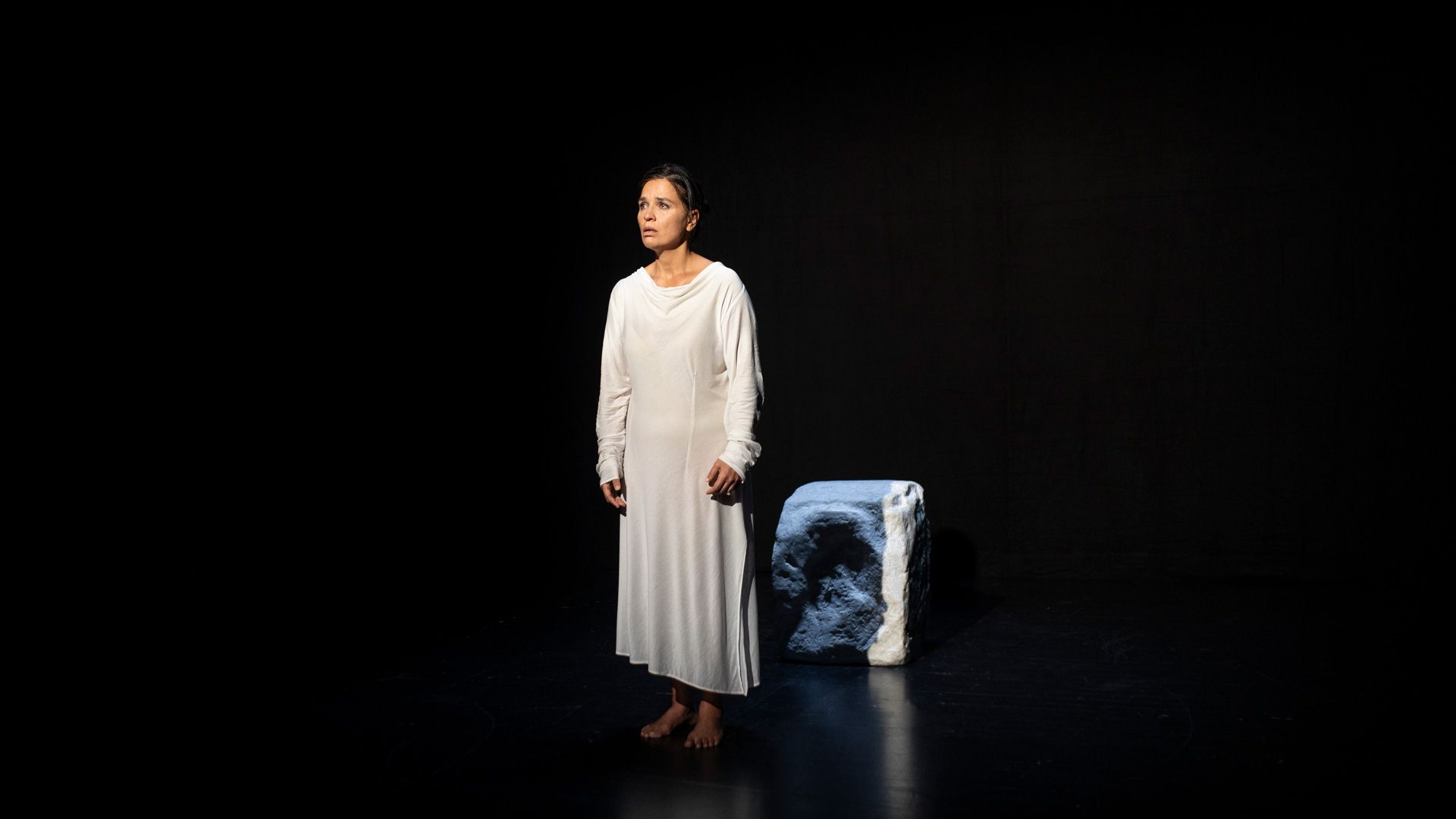
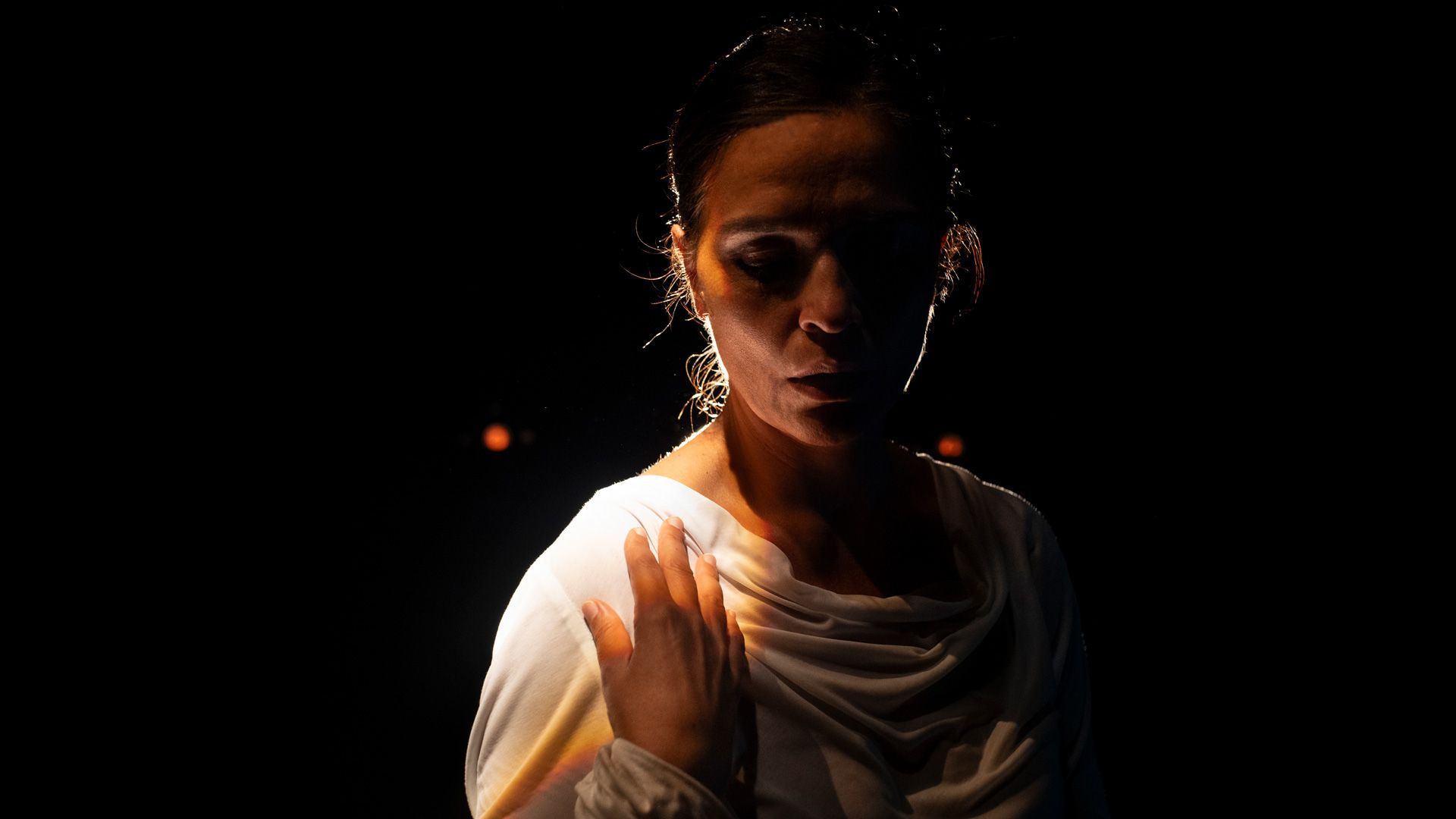
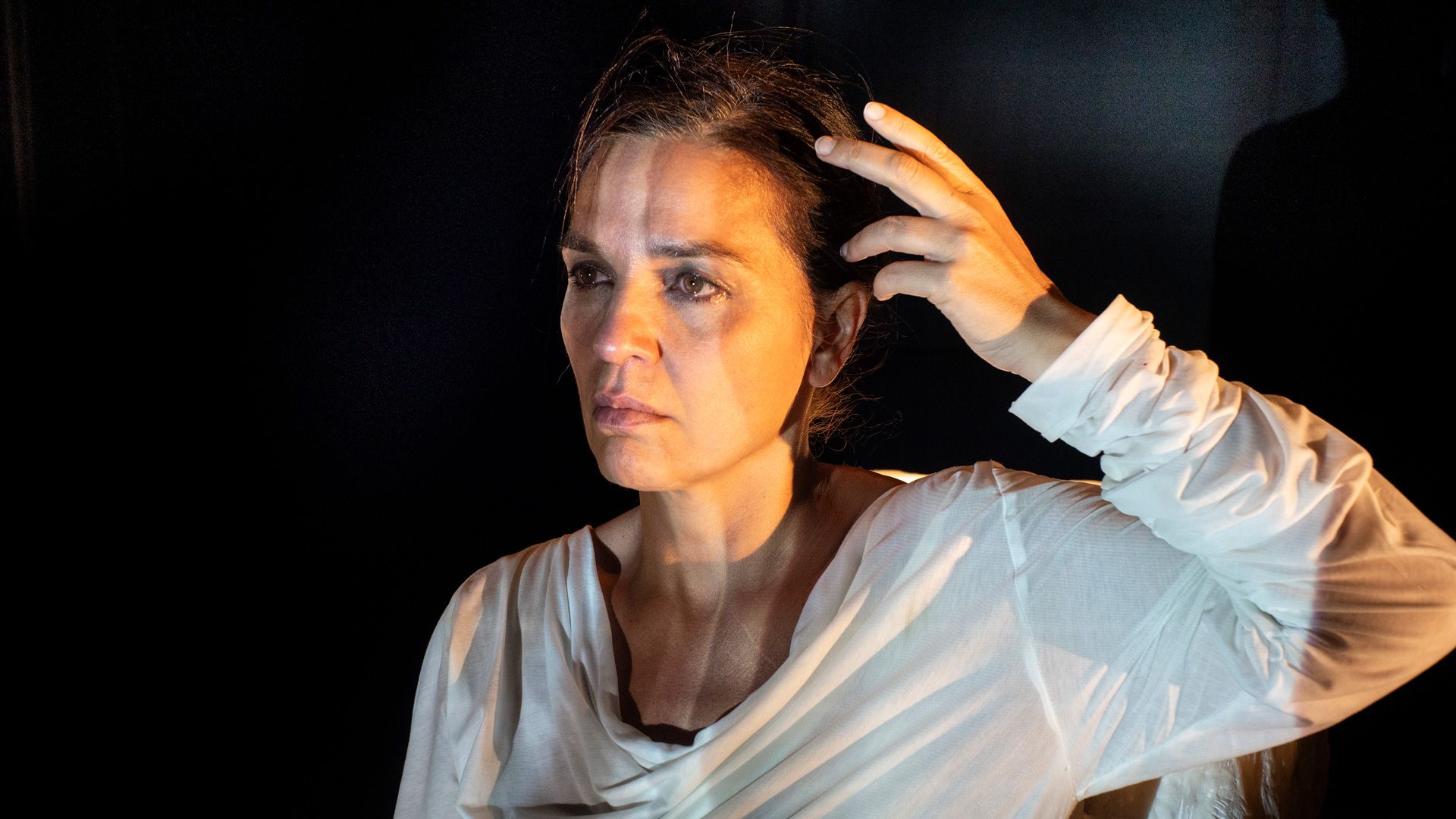
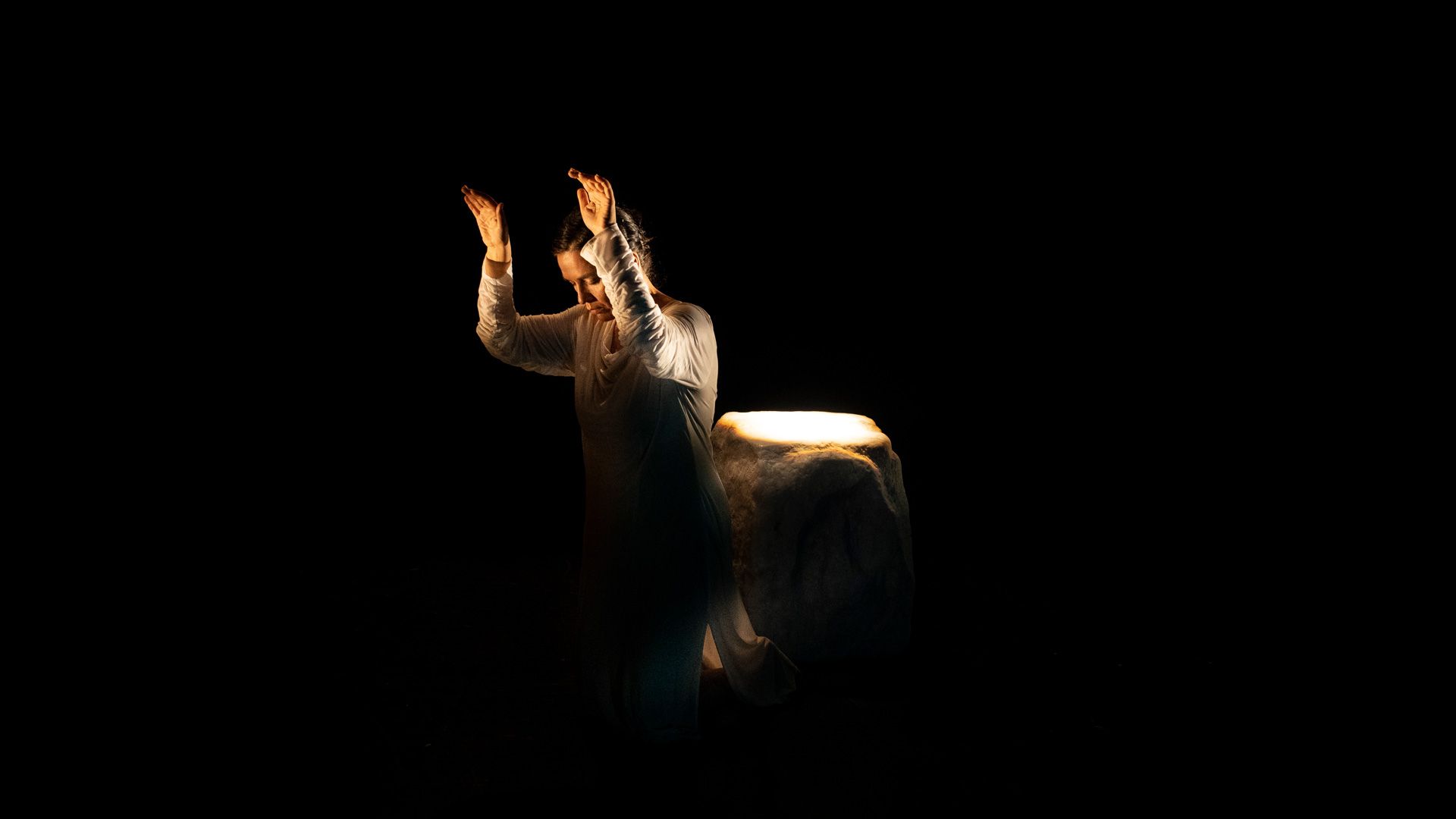
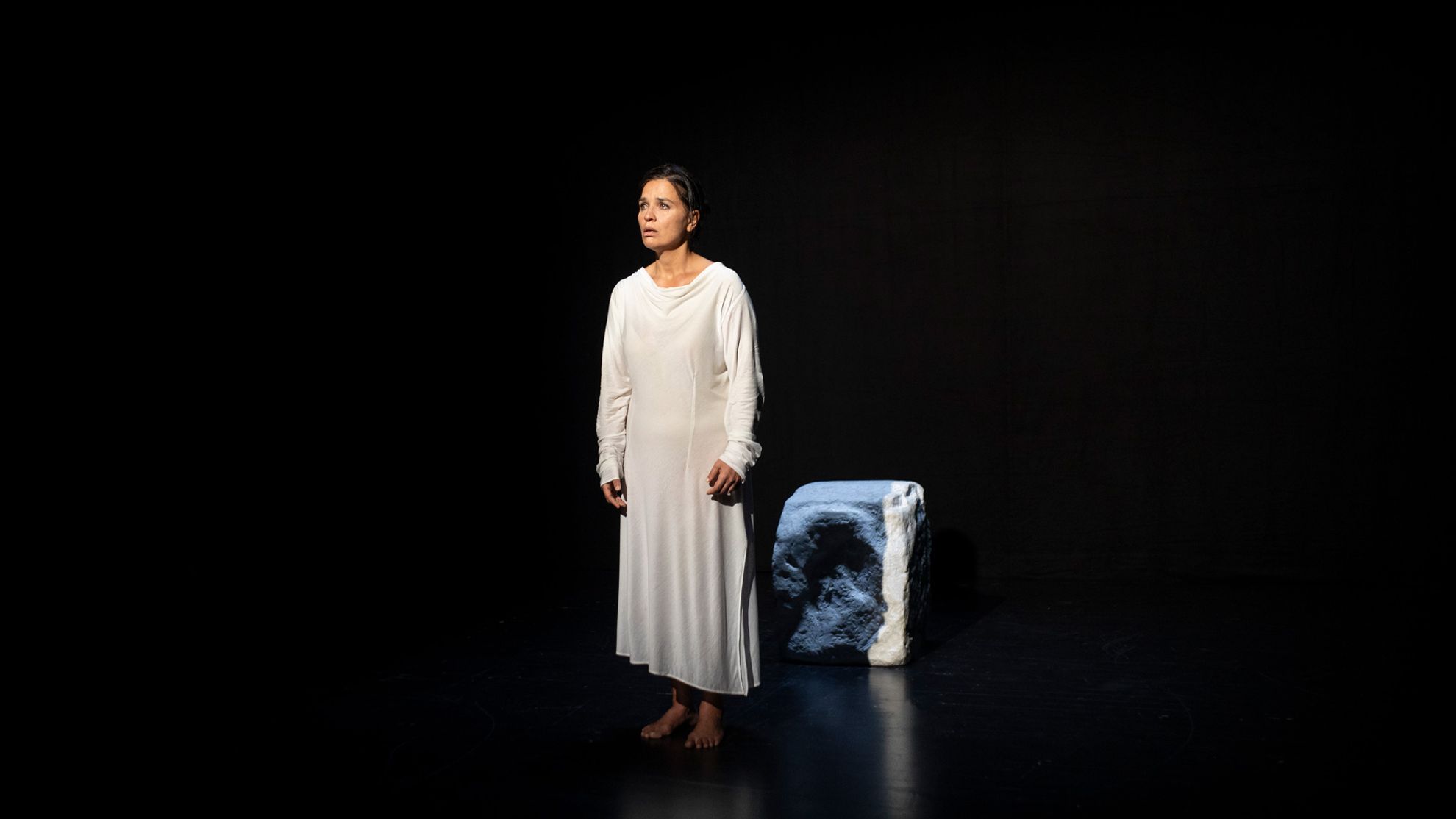
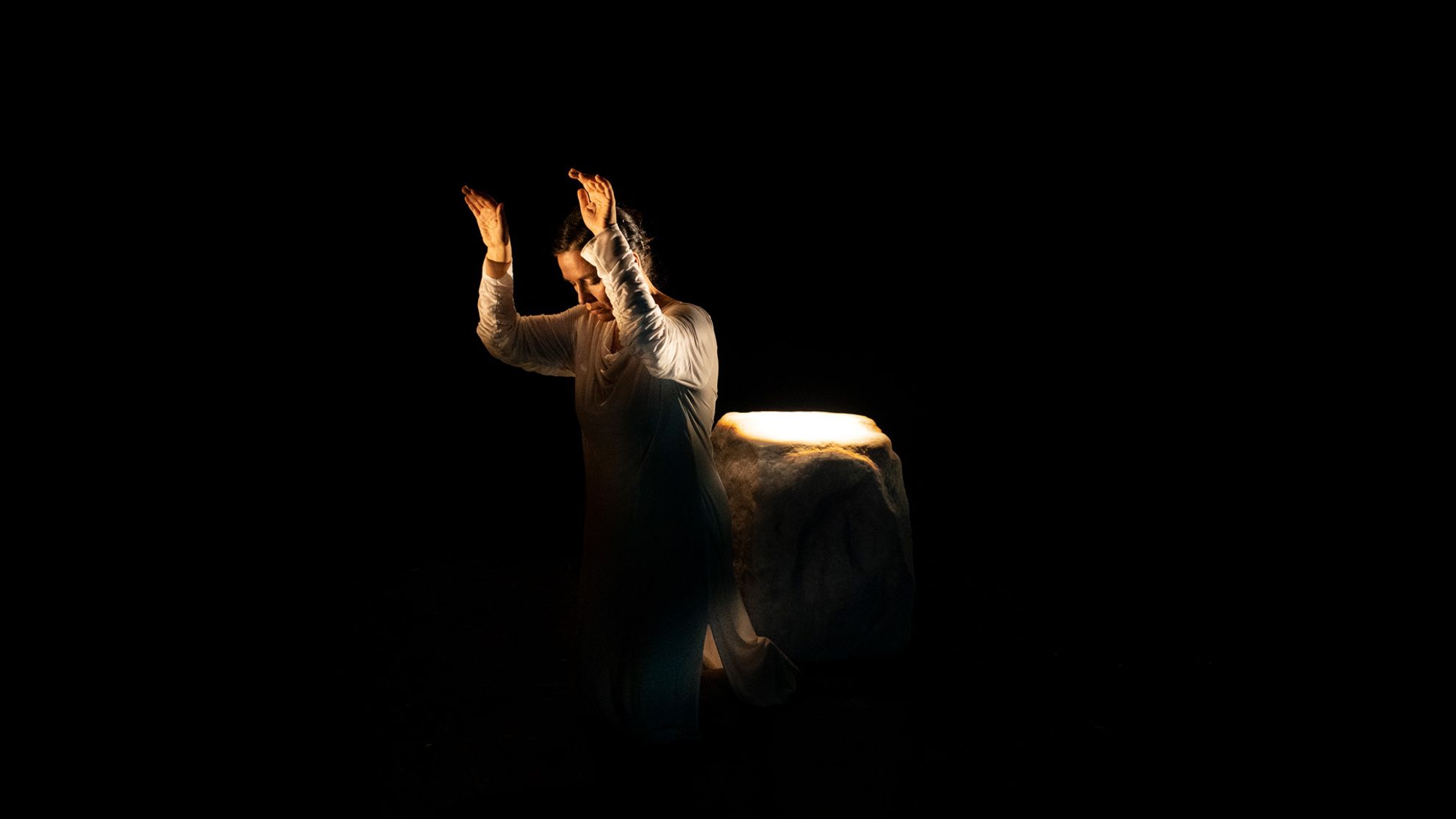
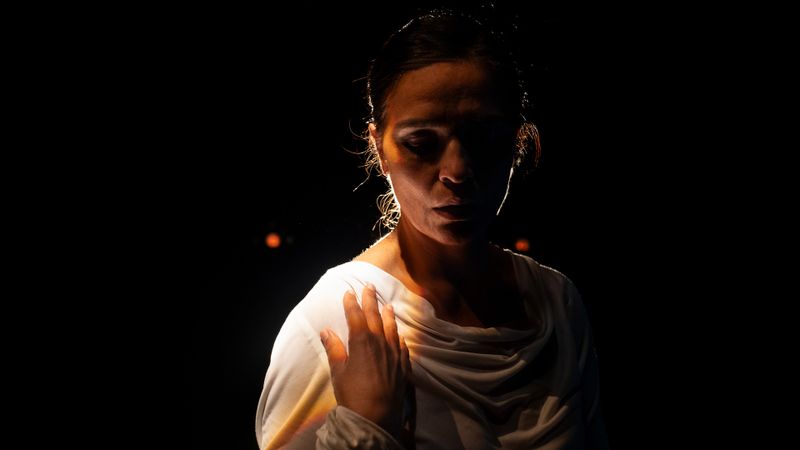
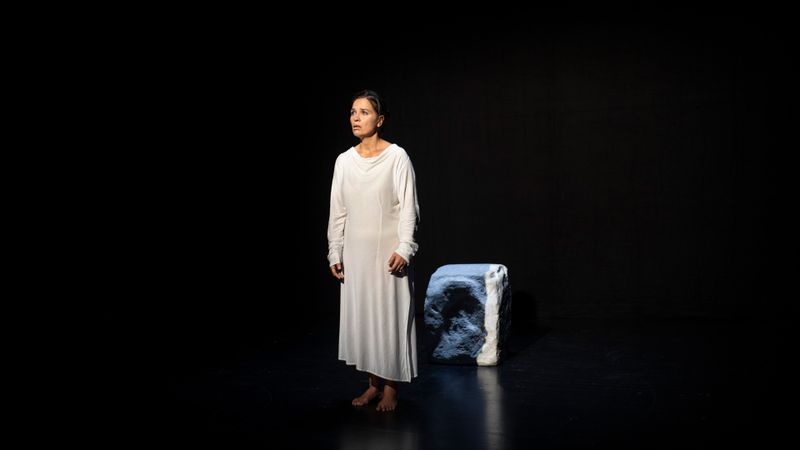
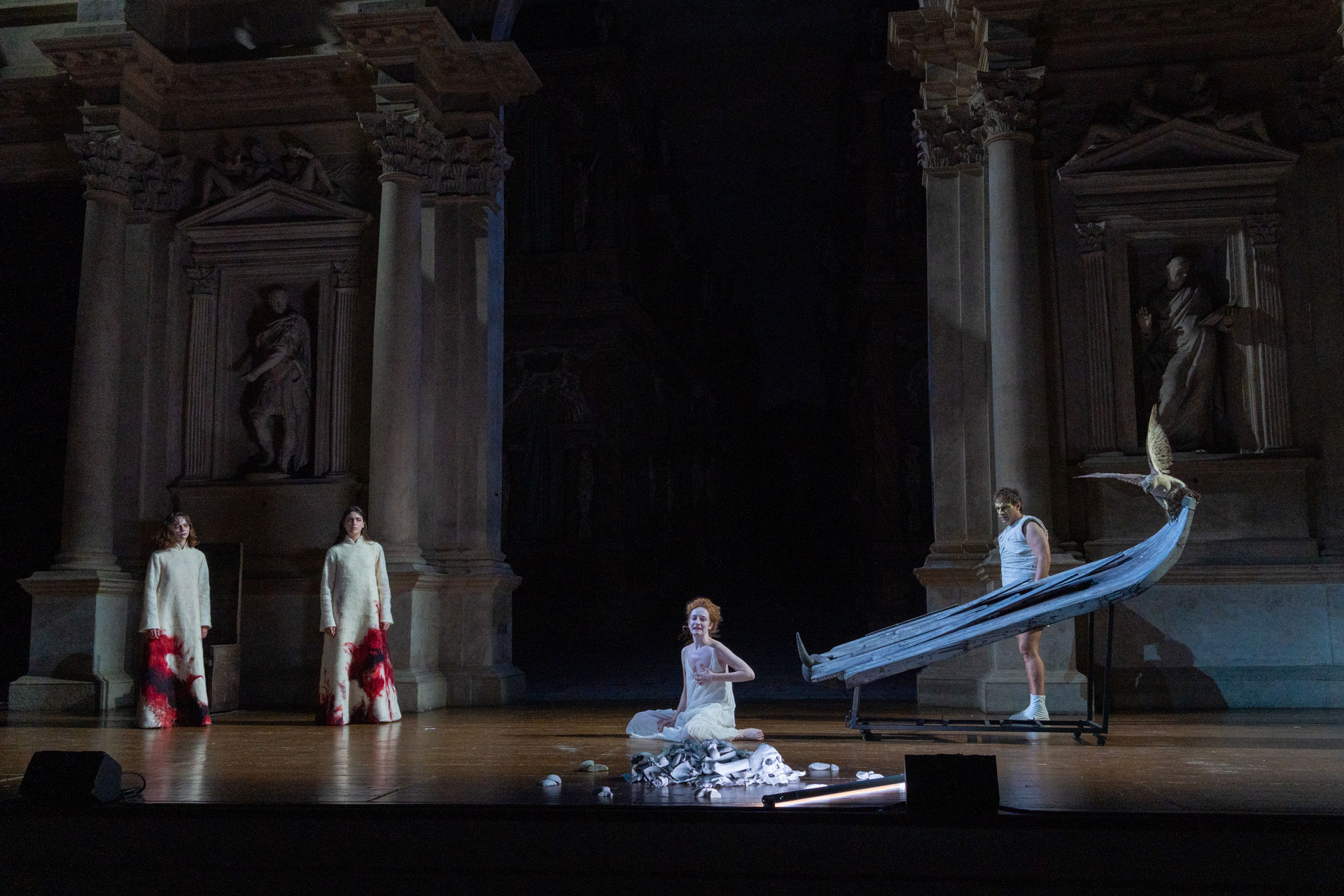
On stage is a body that becomes a sculpture and engages in a dialogue with sculpture.
Behind and alongside this are the concrete, everyday words and images—logical and powerful—of a life both present and past: that of Carlotta and her union struggles.
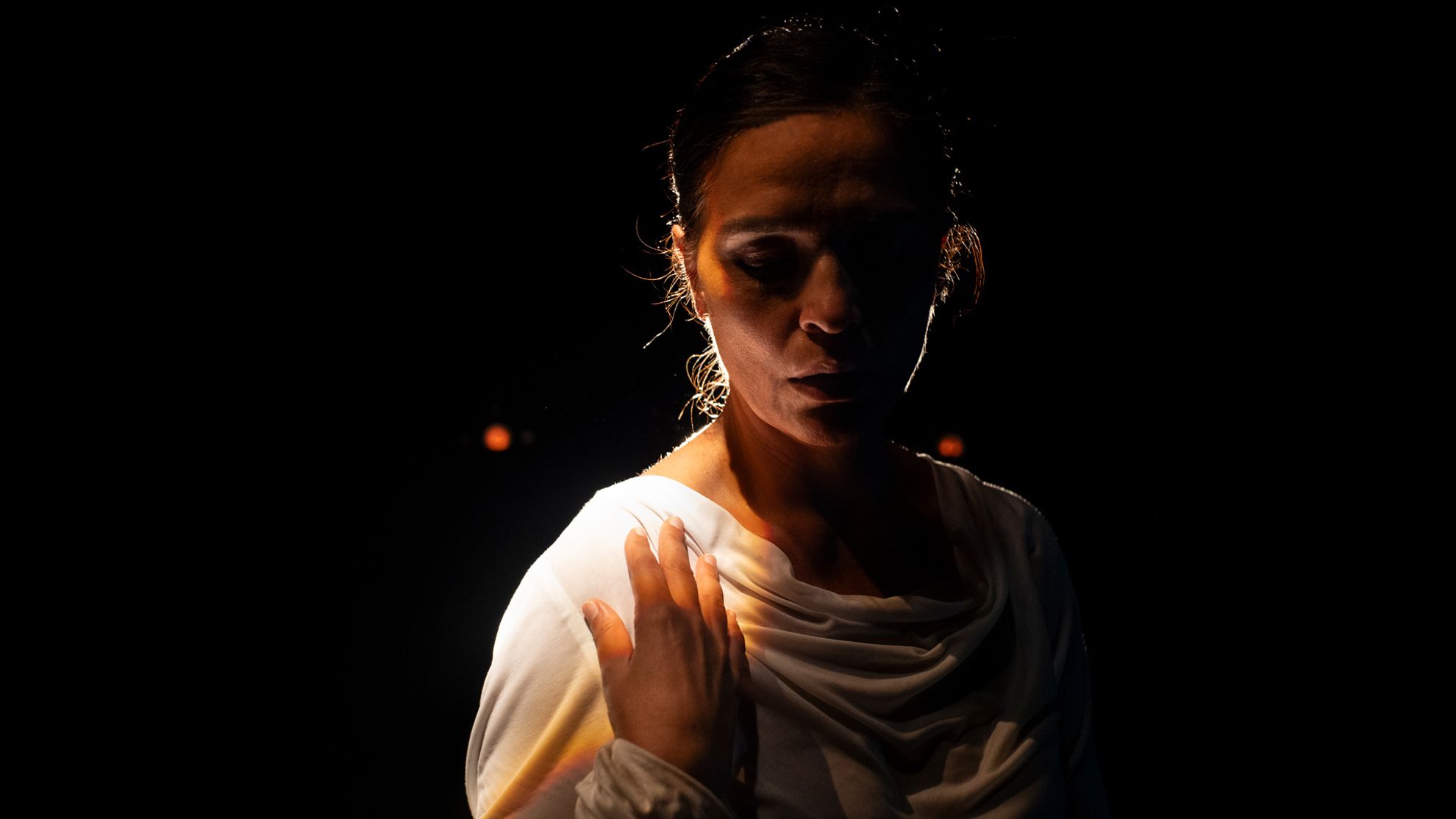
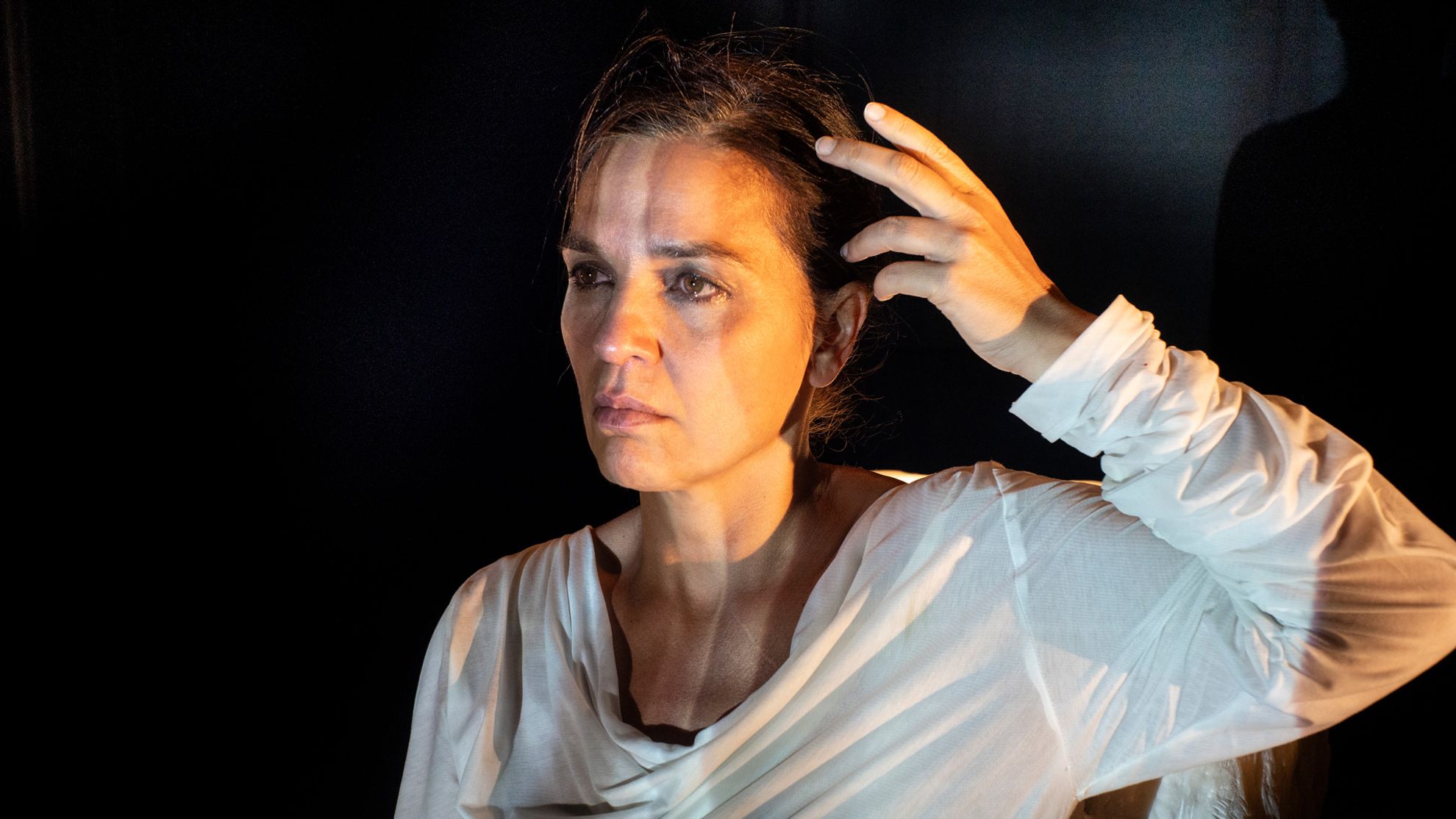
A character who embodies both Carlotta and Camille. A character who explores the relationship between the body and protest, between the artist’s intimate dimension and political role, between art and the market, ambition and self-sabotage.
Words alone, as a tool of struggle, are not enough; we must return to the body, make it vibrate with its full power, to reach ecstasy.

I can’t seem to find the right words to explain my deep connection with the artist Camille Claudel. She has lived within me since 2004, when I saw her works in Paris. Ever since then, I’ve wanted to tell her story to free her from the role of paranoid victim and abandoned lover, and to honor her work. But as soon as I tried to work on it, however, I felt myself losing my clarity; it tormented me, and I couldn’t continue. Meanwhile, she remained within me, accompanying me in silence; I became imbued with her.
For four and a half years, I served as the national coordinator of the actors’ section of the SLC CGIL (Communications Workers’ Union). I accepted this position because I felt the need to do something to defend my work, even if it meant putting myself in the public eye. The tangible consequence was a feeling of exclusion, isolation, and persecution. The decision to lend my name to that role completely identified me with it, making me feel trapped in something obsessive from which it seemed impossible to free myself. Lorenzo Ponte and Margherita Orsini, two young filmmakers, captured hours and hours of my daily life during the time I was stepping down from my role as union coordinator. This is all the material Angela and I started with.
We sensed parallels between my life and Claudel’s. By examining that footage, attempting to overlay it onto the sculpture, onto the places in Camille’s life, and onto my own body—which vibrates and strives to renew meaning—we constructed the dramaturgy. We explore the relationship between the body and protest, between the artist’s intimate dimension and political role, between art and the market, ambition and self-sabotage.
The formal approach will be to stage my body as a sculpture. Alongside this, the concrete, logical, and powerful words and images of a present and past life—my own and hers, so tumultuous—alternate in the video and the text.
Camille and Carlotta can’t seem to hold things together: their creative expression, their ambition to make a name for themselves, and their yearning for justice and truth.
The mistake was thinking it was right to separate my protest from the stage; instead, we must bring the protest into Art, embodying it.

Carlotta Viscovo came to see me more than two years ago, as we were emerging from that pandemic period that had devastated us all—and which had kept her tied up for hours on end in endless video calls in her role as the union’s representative for actors and actresses. She came to me to ask if we could work together on Camille Claudel.
Claudel is a figure who has deeply moved countless women.
She had also captured my interest when I was around 20, drawn in by the imagination of another man, August Rodin, the sculptor’s mentor and lover. The story of a woman who, in her attempt to emancipate herself, succumbs to the System and to her master’s fame, seems to be a magnetic role—and, at its core, a clear and comforting one. But reading the sculptor’s letters reveals something different.
I clearly remember the disappointment that gripped me as early as age 20—as I continued reading the letters—at seeing her artistic claims slip from a just and important demand into nauseating paranoia.
Carlotta’s proposal interested me greatly; above all, I was interested in understanding what made it so difficult—and, at the same time, so necessary—for her to work on the sculptor. We talked at great length. The insight into the dramaturgy became clear during lengthy discussions during the first residency with Carlotta and Alessandra Cristiani: we had to construct a theatrical framework that would allow us to navigate this obsession with Claudel, in order to free ourselves from it. For this process to be effective, it required engaging with the artist’s condition today and, above all, with her concrete (economic) and intimate (need for recognition) needs.
Thus began the creation of a text in which Carlotta could speak through Camille and Camille through Carlotta: a new Cassandra who knows she is not liked because she sees injustices and truths that others do not see. But she can only exist by speaking, and so she speaks, mixing truth and fears, thereby bringing about her own destruction and tragically nailing herself to the role she would like to abandon. We then asked Alice Sinigaglia, with her youthful clarity, to help us examine this obsessive maelstrom into which we wanted to immerse the audience. By then, after our long immersion in the material, it had become impossible for us to discern whether the irony and tragedy of the character we were creating were what we were seeking. Together with the entire creative team, we strive, right up to the very end, to construct a framework in which truth can reveal itself through paranoia, forcing us to decide whether we have the courage to follow it. Above all, we want paranoia to be finally compelled to reveal itself and thus be annihilated, unmasked by the truth. The truth that, ultimately, is the artist’s body—disarmed—laughing at his and our fears, intent only on doing his job well. 

Camille Claudel
She was born in 1864 in Fère-en-Tardenois. She was the eldest child; she was followed by Louise and Paul, a writer.
Her mother, the daughter of the town doctor, is described by Paul as emotionally distant. Her father, a tax collector, approved of and supported his children’s artistic aspirations. For this reason, the family moved to Paris.
Camille met Rodin in 1884; they shared a deep artistic understanding. Rodin juggled his passion for her with that for Rose Beuret, whom he would never leave and whom he married in 1917. Amid this whirlwind of emotions, Camille produced absolute masterpieces: *Sakountala* , *La Valse* , *Clotho* , and *L’Age Mûr *. 
For Camille, sculpture was everything: her letters and the recollections of those who knew her are filled with it. Whenever she had money, she spent it on raw materials and on paying models and foundry workers. 
The breakup with Rodin left an indelible mark. Camille was 20 when she met him; at 33, she found herself alone, facing a world hostile toward a woman who, in addition to practicing a “man’s” profession, had had an open relationship with a man so much older than herself. Camille began to neglect herself and feel persecuted, barricading herself in her home and going out only at night. Her mother and brother had her committed to a mental hospital on March 10, 1913, a week after her father’s death. 
Rodin always supported Camille; even while she was institutionalized, he ensured she received financial support and wanted to dedicate a room to her works in his home-museum.
When Camille died in 1943, no one attended her funeral.

Carlotta Viscovo
Born in 1977 in Turin. The eldest child; her younger sister Serena, a sales and marketing manager, was born after her.
Her mother, one of the first women to become a tennis coach in Italy, runs a sports center in Turin. Her father is a lawyer at a bank. They instilled in her a strong sense of discipline and justice. 
After failing in her attempt to become a professional tennis player, she demonstrated talent as an actress from her teenage years onward, and her father was therefore forced to accept her decision to attend the Scuola del Teatro Stabile in Turin, where she graduated in 2000. She took part in the second edition of the Thierry Salmon Project , led by Rodrigo García, and trained with masters such as Danio Manfredini, Raffaella Giordano, Claude Coldy, Bruno De Franceschi, Valerio Binasco, Antonio Latella, Andriy Zholdak, Armando Punzo, and Theodoros Terzopoulos. In 2000, she began working with many renowned directors: Luca Ronconi, Massimo Castri, Cesare Lievi, Valter Malosti, Andrea De Rosa, Carmelo Rifici, Mauro Avogadro, Massimo Popolizio, Emma Dante, Monica Conti, Alvis Hermanis, Christine Marnas, Jean Christophe Saïs, Dominique Pitoiset, and Mamadou Dioume.
For Carlotta, theater is everything: her diaries, which she keeps at home, are filled with it. If she has any money, she spends it on research and acting training.
Her involvement with the union leaves an indelible mark. She helps draft a bill to improve the conditions and timelines of theatrical production, but the union decides not to support the project. Carlotta was 38 when she joined the union, and when she left in 2021, she felt excluded, isolated, and persecuted because of her union role, with which she was identified. She was out of work for four years.
She will never lose her desire to move forward with the project for a play about Camille Claudel.
Starting in 2022, she returned to work in the productions *L’ultimo animale* by Caterina Filograno, *La pulce nell’orecchio* by Carmelo Rifici, and *Demoni* by Claudio Autelli.

a project by and with

Carlotta Viscovo 

dramaturgy

Angela Dematté  

monitoring of movements

Alessandra Cristiani 

playwright

Alice Sinigaglia 

lighting design

Luigi Biondi 

Music and Sound Design

Marco Mantovani 

censorship

Margherita Baldoni 

scenographic/sculptural installation

Ettore Greco 

sculptor's assistant

Anna Velludo 

video artist

Ivonne Capece 

biographical video archive

Lorenzo Ponte, Margherita Orsini 

production

LAC Lugano Art and Culture, TrentoSpettacoli, Elsinor Theater Production Center

with the support of

Qui e Ora Theater Residency, Campsirago Residency, Il Giardino delle Esperidi Festival

The Correspondence of Camille Claudel, edited by Anne Rivière and Bruno Gaudichon, published by Abscondita

*Camille Claudel* by Anna Maria Panzera, published by L’Asino d’oro

My Sister Camille by Paul Claudel, published by Felici

A Woman Named Camille Claudel by Anne Delbée, published by TEA

Camille Claudel: Her Life by Odile Ayral-Clause, published by Castelvecchi

The Art of August Rodin, published by Abscondita 

The Lesson of Antiquity by August Rodin, published by Abscondita

The Disappearance of Art by Jean Baudrillard, published by Abscondita

Camille Claudel and Paul Claudel: Dream and Life, published by Lienart

*The Return of Dionysus* by Theodoros Terzopoulos, published by Cue Press

*Self-Portrait* by Carla Lonzi, published by La Tartaruga

Chiara Fumai – Exhibition, published by Arte

Below is the sequence of sculptures and portraits portrayed by Carlotta Viscovo during the performance:

1. Camille Claudel, *Rêve au coin du feu*  

2. Camille Claudel, La Joueuse de flûte 

3. Camille Claudel, The Supplicant [reversed] 

4. Camille Claudel, The Girl with the Sheaf 

5. Camille Claudel, The Chatterers 

6. Camille Claudel, Deep Thought 

7. Camille Claudel, The Supplicant 

8. Camille Claudel, The Leaning Man 

9. Camille Claudel, *The Foam* 

10. Camille Claudel, The Supplicant [reversed] 

11. Auguste Rodin, Thought 

12. Camille Claudel, The Dawn 

13. Auguste Rodin, The Convalescent 

14. Auguste Rodin, The Farewell 

15. Auguste Rodin, The Cathedral 

16. Auguste Rodin, Head of Camille Claudel [+ hand]

17. Auguste Rodin, Crouching Woman 

18. Auguste Rodin, The Kiss 

19. Camille Claudel, Clotho 

20. Camille Claudel, Sakountala 

21. Camille Claudel, The Wave 

22. Camille Claudel, Maturity 

23. Camille Claudel, Perseus and the Gorgon 

24. Photo of Camille in the mental hospital

"The Garden of the Hesperides" Festival, Campsirago (BI)
, June 29, 2024

Sculpture Museum – Salvatore Romano Foundation, Florence
, September 6–7, 2024

Federico Seppi’s Studio, Malgolo (TN) January 26
, 2025

Alberto Peruzzo Foundation for the Promotion of Contemporary Art, Padua
May 15, 2025

Floriano Bodini Civic Sculpture Museum, Gemonio (VA)
June 7, 2025

Lobby of the Convitto Palmieri, Lecce – Festival dei Luoghi
, July 23, 2025

Museum Space of the Orestiadi Institute of Higher Culture Foundation, Gibellina (TP) July 26
, 2025